
Understanding Dog Behavior Resource Guarding and Why It Matters
According to the American Society for the Prevention of Cruelty to Animals, understanding natural animal instincts is essential for fostering a harmonious relationship between humans and companion animals. Canine ethology reveals that many everyday habits stem from evolutionary survival mechanisms passed down through generations. When household companions display possessive tendencies over valued items, caregivers often feel surprised or confused. Recognizing these instinctive reactions allows households to address potential friction points before minor tensions escalate into serious household conflicts. Proper education regarding canine communication ensures that every member of the household remains safe while supporting the emotional well-being of the animal.
💡 Pet Care Key Takeaways:
- Core Focus: Practical health, nutrition, and wellness guidelines for Dog Behavior Resource Guarding.
- Target Scope: Pet owners, animal caregivers, and veterinary support staff.
- Best Recommendation: Maintain consistent daily routines and consult an accredited veterinarian before introducing major diet or medical changes.
Defining Resource Guarding in Domestic Canines
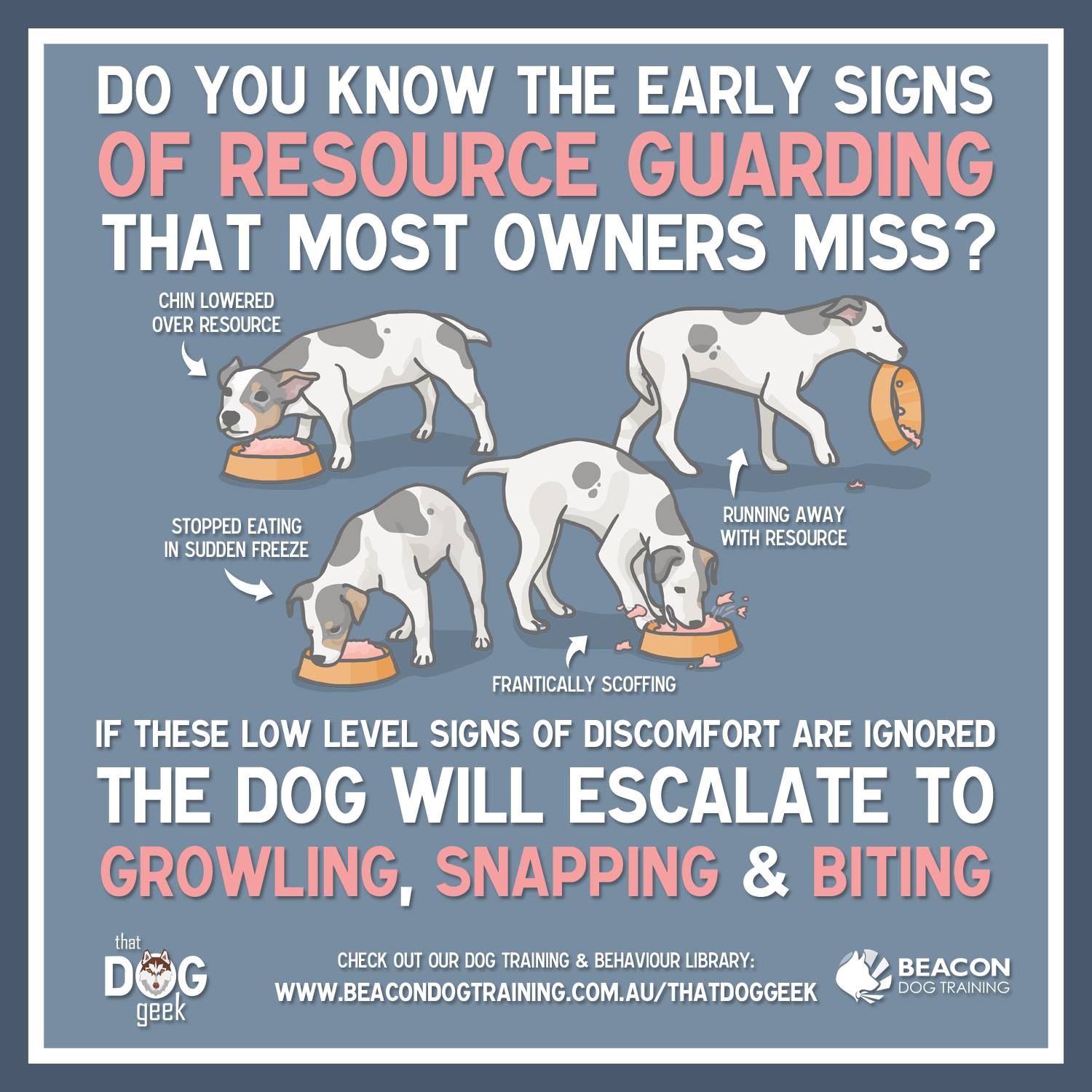
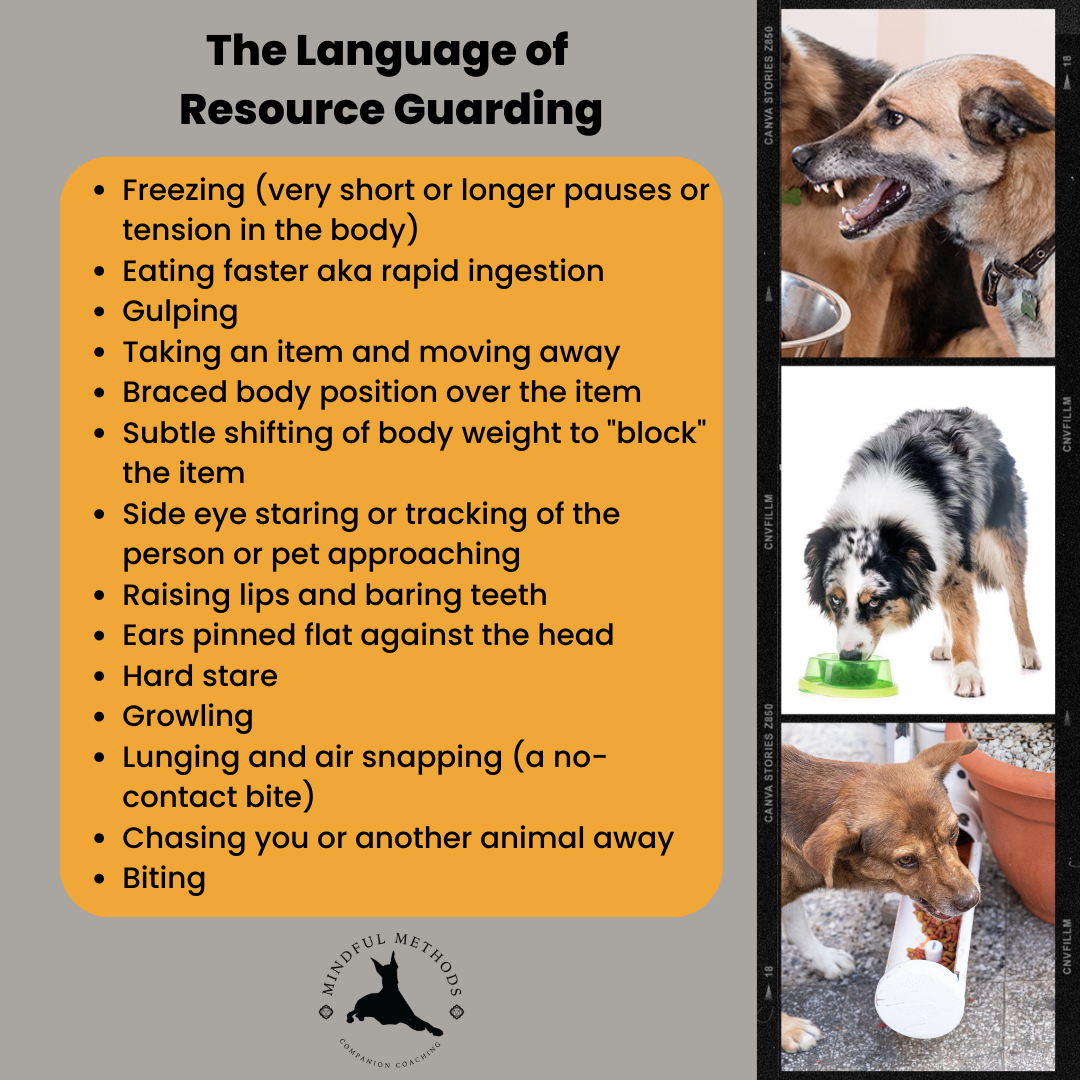
Resource guarding refers to the defensive behavior a dog exhibits when attempting to prevent perceived threats from taking possession of food, toys, sleeping areas, or human attention. This behavioral pattern is fundamentally rooted in survival, where animals protect vital assets to ensure their own physical security and nourishment. Warning signals typically begin with subtle changes in posture, such as freezing, turning the head away, stiffening the body, or intensifying the gaze over the coveted item. As the perceived threat draws closer, these communications can escalate into low-register growling, muzzle wrinkling, snapping, or biting. Identifying these early warning signs is vital because punishing a dog for growling removes a critical communication tool, potentially causing the animal to skip warnings entirely in future encounters.
Evaluating the Behavioral and Environmental Impact
Possessive behaviors can significantly alter household dynamics, creating an environment of unpredictability and stress for both humans and resident animals. When a dog feels a constant need to defend belongings, cortisol levels remain elevated, impacting overall physical health and mental stability. Daily routines must often be heavily modified to avoid triggering incidents, such as feeding pets in separate rooms or scanning living areas for dropped items before letting animals enter. Furthermore, unmanaged possessiveness poses clear safety hazards, particularly in homes with visiting guests or young children who may not recognize subtle canine stress signals. Establishing proactive management strategies protects everyone involved while reducing the emotional burden placed on the animal.
Canine behavioral research indicates that early socialization and positive reinforcement significantly reduce the likelihood of defensive possessiveness developing in young puppies. — American Kennel Club
Implementing Humane Management and Desensitization Strategies
Addressing possessive tendencies requires a systematic approach centered on positive reinforcement, counter-conditioning, and management rather than confrontation. Counter-conditioning involves teaching the animal that a human approaching a valued item predicts an even better outcome, such as receiving a high-value treat tossed from a distance. Management strategies focus on removing opportunities for rehearsal, such as feeding behind closed doors and picking up scattered toys when active supervision is not possible. Consistency, patience, and careful observation of body language allow caregivers to gradually alter the animal’s emotional response without creating fear or coercion.
Essential Best Practices and Common Mistakes to Avoid
Successful modification depends heavily on patience and strict adherence to non-punitive methods, ensuring the animal never feels forced to escalate defensive tactics. A frequent mistake involves forcefully taking items away from a guarding dog, which validates the animal’s fear that humans are indeed thieves and intensifies future protectiveness. Caregivers should instead practice trading up, offering a superior item in exchange for the possessed object, thereby reinforcing cooperation rather than competition. Avoiding sudden movements near feeding stations and respecting the animal’s personal space during rest periods further prevents unnecessary stress and fosters mutual trust within the home.
Certified behavior consultants emphasize that punishing a dog for growling suppresses a vital warning signal, increasing the risk of sudden, unannounced bites. — American Veterinary Medical Association
Pet Care & Wellness Overview Table
| Life Stage | Daily Activity Level | Key Nutrition / Care Focus |
|---|---|---|
| Puppy / Kitten | High (frequent short bursts) | High-protein growth diet & early socialization |
| Adult Companion | Moderate (30–60 mins daily) | Balanced maintenance nutrition & dental hygiene |
| Senior Pets | Low to Gentle (mindful walks) | Joint support (Glucosamine) & routine vet checks |
Images References






Breed, Age, and Individual Temperament Considerations
While any dog regardless of breed or background can develop possessive habits, certain genetic predispositions, developmental stages, and individual personality traits influence susceptibility. Working and guardian breeds may exhibit heightened vigilance due to historical selection for property protection and environmental awareness. Adolescent dogs frequently undergo hormonal shifts that can temporarily heighten reactivity, requiring renewed focus on structured Dog Training fundamentals. Additionally, individual rescue histories and early life deprivation can leave lasting impressions, making some animals inherently more protective of food and shelter than others.
When to Consult a Veterinarian or Professional Behaviorist
Persistent, escalating, or severe possessive aggression requires immediate intervention from a qualified veterinary professional or a certified animal behaviorist specializing in positive reinforcement. Underlying medical conditions, chronic pain, or neurological issues can drastically lower a dog’s threshold for tolerance, making a thorough veterinary examination essential before beginning any behavior modification plan. Professionals can accurately assess individual triggers, rule out medical contributors, and design a customized, safe intervention program tailored to the specific needs of the household. Comprehensive resources on Dog Behavior and Dog Health offer additional guidance for concerned pet owners navigating these complex challenges.
Closing Insights on Managing Canine Possessiveness
Navigating canine possessiveness successfully requires a blend of empathy, careful environmental management, and evidence-based training methodologies that prioritize trust and safety. By respecting canine communication and addressing root causes rather than surface symptoms, households can foster a secure environment where both humans and animals thrive. Exploring topics related to Dog Care ensures continued learning and preparedness for all stages of canine companionship. Visit PetsAnimalsWorld.com for more expert articles and practical advice designed to support responsible pet ownership every day.




