

Understanding Common Challenges Through Evidence-Based Dog Behavior Solutions
Addressing canine behavioral challenges requires a balanced approach rooted in modern behavioral science and domestic animal welfare. According to the American Society for Prevention of Cruelty to Animals (ASPCA), behavioral issues are among the primary reasons owners relinquish companion animals, highlighting the profound importance of accessible and humane guidance. When household dogs display disruptive conduct, frustration often clouds human judgment. Shifting the focus toward evidence-informed management helps bridge the communication gap between humans and canines. Dogs interpret the environment through instinct, social conditioning, and classical and operant conditioning—processes where consequences shape future actions. Recognizing that undesirable actions rarely stem from spite or dominance allows caregivers to reframe these challenges as communication signals. Implementing structured dog behavior solutions transforms household friction into opportunities for mutual understanding, strengthening the human-animal bond through patience, consistency, and clear expectations.
💡 Pet Care Key Takeaways:
- Core Focus: Practical health, nutrition, and wellness guidelines for Dog Behavior Solutions.
- Target Scope: Pet owners, animal caregivers, and veterinary support staff.
- Best Recommendation: Maintain consistent daily routines and consult an accredited veterinarian before introducing major diet or medical changes.
Defining Effective Dog Behavior Solutions and Modern Methodology
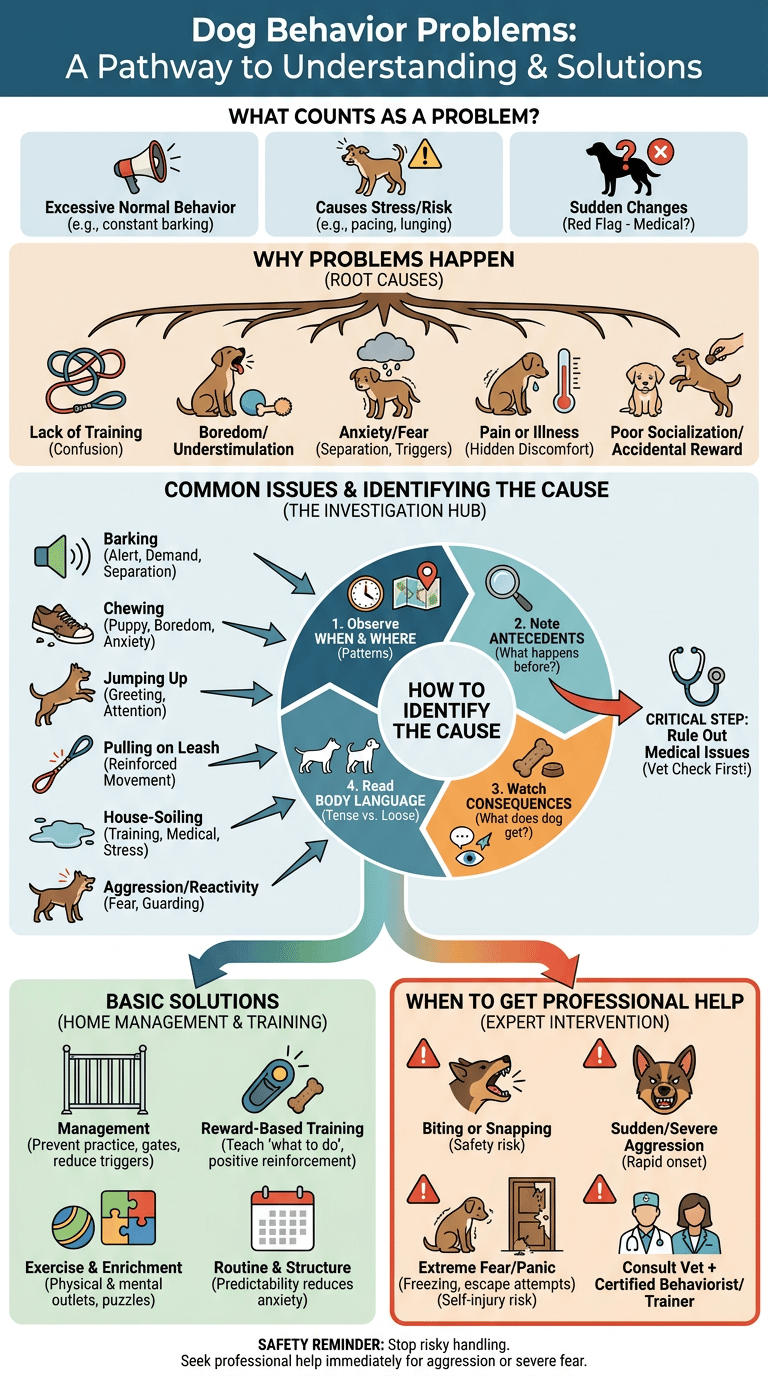
Dog behavior solutions encompass a comprehensive range of humane training strategies, environmental modifications, and reinforcement techniques designed to address unwanted actions without intimidation. Rather than relying on punitive measures—which scientific studies consistently link to increased stress, anxiety, and defensive aggression—contemporary methodology emphasizes positive reinforcement. Positive reinforcement involves rewarding desirable actions with high-value treats, praise, or play, thereby increasing the likelihood that the behavior will be repeated. Operant conditioning principles dictate that withholding rewards for unwanted behaviors while rewarding alternative, incompatible actions creates a reliable framework for learning. For instance, teaching a dog to sit when greeting visitors replaces jumping up with a calm, polite alternative. These methodologies prioritize emotional well-being alongside obedience, ensuring that training strengthens trust rather than eroding confidence through fear or coercion.
The Direct Impact of Environment and Routine on Canine Well-Being
Physical health, mental stimulation, and environmental stability profoundly influence daily conduct and emotional regulation. Unmet needs frequently manifest as destructive chewing, excessive vocalization, or house-soiling, which are often mislabeled as stubbornness rather than symptoms of stress or boredom. Providing adequate physical exercise tailored to a specific breed’s endurance level helps burn excess energy constructively, while cognitive enrichment—such as puzzle toys, scent games, and structured training sessions—prevents mental stagnation. Moreover, predictable daily routines reduce anxiety by offering a sense of security and control. Changes in household dynamics, moving to a new home, or altered schedules can trigger regression in house training or obedience. Creating a stable sanctuary space where resting animals remain undisturbed ensures adequate recovery and lowers overall stress hormones like cortisol, fostering long-term behavioral stability.
Behavioral problems in companion animals are frequently linked to unmet environmental enrichment needs, anxiety, or underlying medical discomfort rather than intentional disobedience. — American Veterinary Medical Association
Practical Strategies for Implementing Dog Behavior Solutions at Home
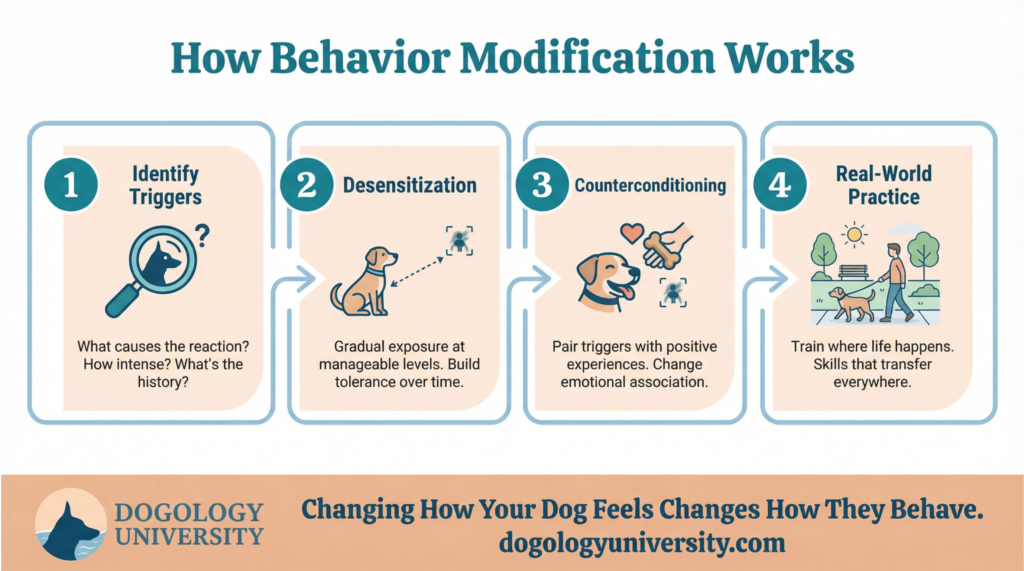
Successful behavioral modification relies on clear management, precise timing, and consistency across all household members. Preventing rehearsal of unwanted habits forms the cornerstone of effective management; for example, using baby gates or closed doors prevents counter-surfing while foundational obedience is being established. When addressing active issues, identifying the specific antecedent—the trigger that occurs immediately before the behavior—allows caregivers to intervene before the reaction escalates. Desensitization and counter-conditioning techniques gradually expose sensitive animals to mild versions of a stressor while pairing the exposure with positive experiences, slowly altering the emotional response from fear to calm acceptance. Consistency remains paramount, as mixed signals confuse learners and stall progress. Maintaining identical rules, verbal cues, and reward schedules accelerates learning and builds dependable habits over time.
Best Practices and Common Mistakes to Avoid During Training
Navigating behavioral modification successfully requires avoiding common pitfalls that inadvertently reinforce undesirable habits or create confusion. One frequent mistake involves accidental reinforcement, such as soothing a fearful dog during a thunderstorm, which can inadvertently validate the fear response rather than reassure the animal. A more effective approach involves remaining calm, providing a safe, secure den-like space, and offering quiet distraction. Another pitfall is harsh reprimands or physical corrections, which fail to teach the desired alternative and can damage trust or provoke defensive biting. Timing is equally critical; rewards or corrections must occur within seconds of the action for the animal to associate consequence with behavior. Establishing clear communication channels through reward-based Dog Training ensures that learning remains an engaging, positive experience for both human and canine participants.
Positive reinforcement training methods promote optimal learning outcomes and foster stronger, more trusting relationships between companion animals and their caregivers. — American Kennel Club
Pet Care & Wellness Overview Table
| Life Stage | Daily Activity Level | Key Nutrition / Care Focus |
|---|---|---|
| Puppy / Kitten | High (frequent short bursts) | High-protein growth diet & early socialization |
| Adult Companion | Moderate (30–60 mins daily) | Balanced maintenance nutrition & dental hygiene |
| Senior Pets | Low to Gentle (mindful walks) | Joint support (Glucosamine) & routine vet checks |
Images References







Breed, Age, and Temperament Considerations in Behavior Modification
Individual differences rooted in genetics, developmental stage, and innate temperament dictate how animals respond to specific behavioral interventions. Herding breeds, for example, possess strong genetic drives to chase and nip at moving objects, requiring appropriate outlets like herding balls or agility work to redirect these instincts safely. Exploring specific traits through resources dedicated to Dog Breeds helps caregivers align their expectations with canine capabilities. Age also plays a critical role; adolescent dogs experience hormonal shifts similar to human teenagers, often testing boundaries and exhibiting selective hearing that demands renewed patience and consistent reinforcement. Senior dogs, conversely, may experience cognitive decline or age-related sensory losses, which can manifest as disorientation or sudden reactivity. Tailoring approaches to match developmental milestones and biological realities ensures that interventions remain fair, realistic, and effective across the lifespan.
When to Consult a Veterinarian or Certified Professional Behaviorist
Certain behavioral shifts indicate underlying medical conditions or complex psychological distress that require professional intervention beyond standard home training. Sudden aggression, vocalizations during movement, lethargy, or unexpected house-soiling frequently signal pain, neurological disorders, or systemic illness, making a comprehensive veterinary examination the necessary first step. Reviewing general Dog Health guidelines can help owners identify subtle signs of physical discomfort. When addressing severe anxiety, separation distress, or persistent aggression, consulting a certified professional dog trainer or a board-certified veterinary behaviorist is strongly recommended. These specialists possess the advanced expertise required to design individualized safety protocols, prescribe behavioral medications when medically indicated, and guide complex rehabilitation safely without resorting to punitive techniques that risk escalating fear.
Closing Perspectives on Nurturing Balanced Canine Behavior
Cultivating a harmonious relationship with a canine companion requires ongoing dedication, empathy, and an understanding of animal communication. By prioritizing humane, science-backed strategies and addressing physical and emotional needs comprehensively, owners create an environment where animals can thrive securely. Exploring further guidance on Dog Care empowers caregivers to maintain high standards of daily husbandry that support mental wellness alongside physical vitality. Every positive interaction builds resilience and deepens trust, transforming daily routines into shared moments of connection. Visit PetsAnimalsWorld.com to discover more expert resources dedicated to supporting responsible pet ownership and lifelong animal well-being.




