

Understanding Canine Awareness During Pregnancy
Recognizing shifts in dog behavior when owner is pregnant helps households prepare smoothly for a growing family while supporting canine emotional well-being. According to the American Society for the Prevention of Cruelty to Animals, pets often display heightened sensitivity to environmental changes, human routines, and household dynamics. When a pregnancy begins, profound shifts occur in human body chemistry, daily schedules, and emotional states. Canines possess an extraordinary olfactory system capable of detecting subtle hormonal changes and metabolic shifts long before physical alterations become apparent. Consequently, pets frequently register pregnancy before anyone else in the household notices. These remarkable sensory capabilities explain why many dogs suddenly alter how they interact with expecting human companions, sometimes shifting from independent routines to constant shadow-like companionship.
💡 Pet Care Key Takeaways:
- Core Focus: Practical health, nutrition, and wellness guidelines for Dog Behavior When Owner Is Pregnant.
- Target Scope: Pet owners, animal caregivers, and veterinary support staff.
- Best Recommendation: Maintain consistent daily routines and consult an accredited veterinarian before introducing major diet or medical changes.
Interpreting Canine Behavioral Shifts During Pregnancy
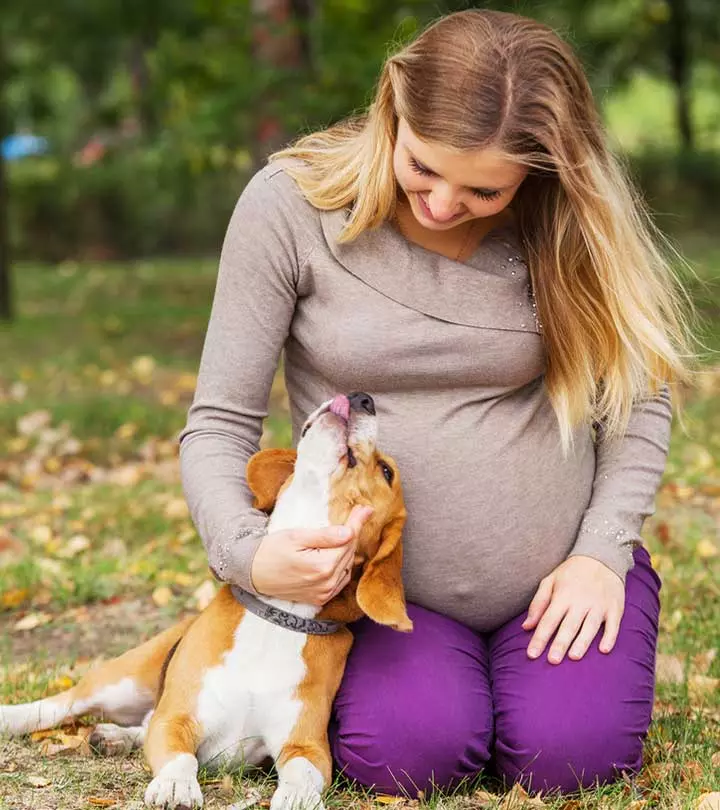
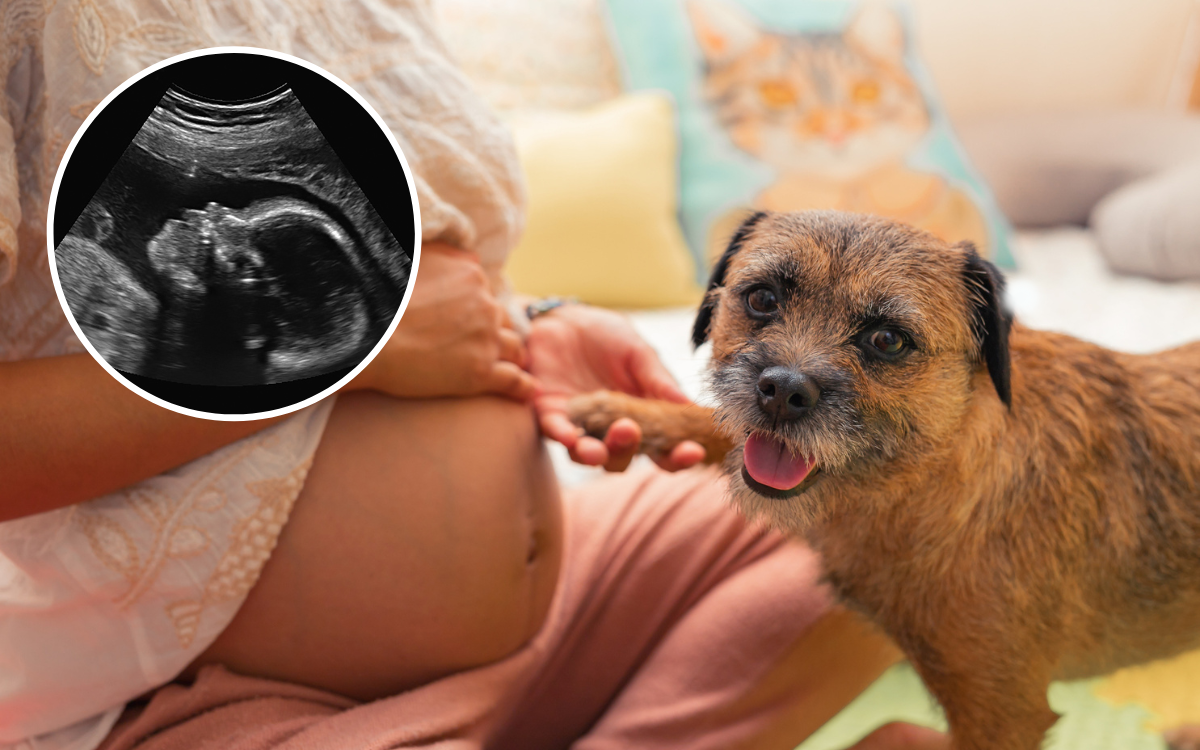
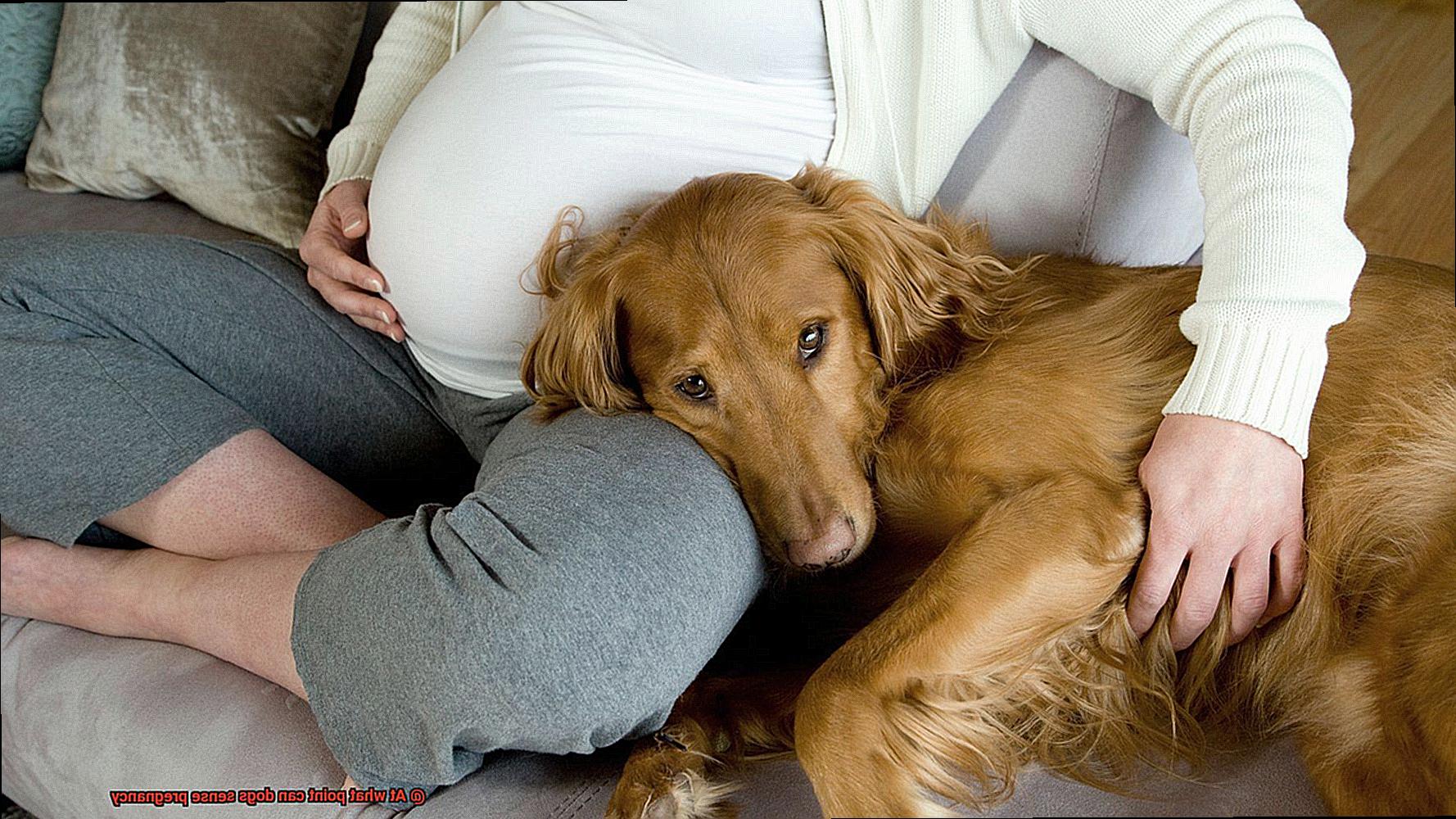
Interpreting canine behavioral shifts during pregnancy involves recognizing that increased clinginess, mild anxiety, or protective tendencies are common physiological and psychological responses to novelty. Olfactory detection of pheromones and hormones alters how a dog perceives human scent, prompting varied reactions ranging from intense devotion to cautious curiosity. Some canines experience heightened vigilance, a state where animals monitor their environment more closely and react to unfamiliar sounds or visitors with greater intensity. Conversely, other animals grow remarkably gentle, resting their heads softly against pregnant abdomens or following human companions from room to room. Such behaviors stem from a natural instinct to investigate unfamiliar stimuli and maintain proximity to secure attachment figures. Observing these adjustments without assigning human motivations allows families to understand the underlying emotional state of the animal. For more related activities, check out our Dog Uti Behavior Change.
Navigating behavioral, emotional, and routine impacts requires balancing the needs of the pregnant human with the psychological stability of the household pet. As human fatigue sets in during different trimesters, daily walking routes, play sessions, and feeding routines may inadvertently shift in timing or duration. Canines thrive on predictability, so sudden reductions in physical exercise can manifest as frustration, destructive chewing, or indoor elimination. Furthermore, heightened tactile sensitivity in pets means they may test boundaries or seek constant reassurance through physical contact. Maintaining consistent schedules wherever possible mitigates stress, while gradual habituation to nursery setups prevents sudden disruptions later.
Canines possess an olfactory capacity thousands of times more sensitive than human noses, enabling them to detect subtle endocrine and metabolic adjustments during early gestation. — American Kennel Club
Proactive Management and Positive Reinforcement Strategies
Proactive management and positive reinforcement strategies help ease canine adjustments to impending family changes without inducing fear or confusion. Introducing future nursery items, baby sounds, and new scents gradually gives pets ample time to process unfamiliar stimuli through positive association, such as pairing the scent of baby lotion with high-value treats. When managing obedience and spatial boundaries, punitive methods must be avoided entirely, as punishment heightens stress and can precipitate defensive aggression. Instead, reinforcing calm resting behavior on a designated mat or dog bed establishes a secure alternative to constant shadowing, ensuring comfort for both human and animal.
Best Practices and Common Mistakes to Avoid
Implementing structured routines while avoiding abrupt exclusions ensures domestic harmony and prevents accidental behavioral regression. One common mistake involves abruptly locking pets out of newly designated rooms, which triggers anxiety and fosters negative associations with the future baby. A better practice involves keeping doors open during supervised exploratory sessions while teaching solid “place” or “leave it” cues using positive reinforcement. Consistency in household rules remains paramount, ensuring that affectionate interactions continue even as physical fatigue limits active play. Providing puzzle toys and interactive feeders also helps compensate for shorter daily walks during advanced stages of pregnancy.
Gradual environmental habituation and positive reinforcement training significantly reduce stress-related behavioral problems in domestic dogs facing household transitions. — American Veterinary Medical Association
Pet Care & Wellness Overview Table
| Life Stage | Daily Activity Level | Key Nutrition / Care Focus |
|---|---|---|
| Puppy / Kitten | High (frequent short bursts) | High-protein growth diet & early socialization |
| Adult Companion | Moderate (30–60 mins daily) | Balanced maintenance nutrition & dental hygiene |
| Senior Pets | Low to Gentle (mindful walks) | Joint support (Glucosamine) & routine vet checks |
Images References





Breed, Age, Size, and Temperament Considerations
Breed, age, size, and individual temperament significantly influence how a dog responds to human pregnancy and the anticipation of a new infant. High-energy working breeds or sensitive herding dogs often display intense monitoring behaviors due to strong instinctual drives, whereas senior dogs may withdraw or seek quiet spaces to cope with reduced stamina. Giant breeds require careful spatial management to prevent accidental leaning or jumping against a pregnant abdomen, regardless of their gentle intentions. Understanding an individual dog’s baseline personality helps tailor management plans, ensuring that shy animals receive adequate safe retreats while outgoing dogs learn appropriate impulse control around changing human bodies.
When to Consult a Professional Dog Trainer or Veterinarian
Professional guidance from a veterinarian or a certified professional dog trainer becomes essential if a dog exhibits persistent fear, destructive anxiety, or any form of unprovoked aggression. Medical discomfort or underlying illness can exacerbate behavioral changes during periods of household stress, making a thorough veterinary examination the crucial first step to rule out physical ailments. For entrenched behavior issues, collaborating with a qualified behaviorist who utilizes humane, science-based methods ensures the safety of the household. Explore additional resources on Dog Behavior, Dog Training, Dog Health, and Dog Care to support every stage of pet ownership.
Preparing Your Canine Companion for Life’s Next Chapter
Preparing canine companions for life’s next chapter involves patience, consistent positive reinforcement, and a deep understanding of animal communication. By meeting physical and emotional needs proactively, families build a resilient foundation that bridges the transition from pregnancy to parenthood. Every proactive step taken today fosters a harmonious, secure environment where dogs and growing families thrive together safely. Visit PetsAnimalsWorld.com for continuous guidance on fostering lifelong canine wellness and positive human-animal bonds.




