
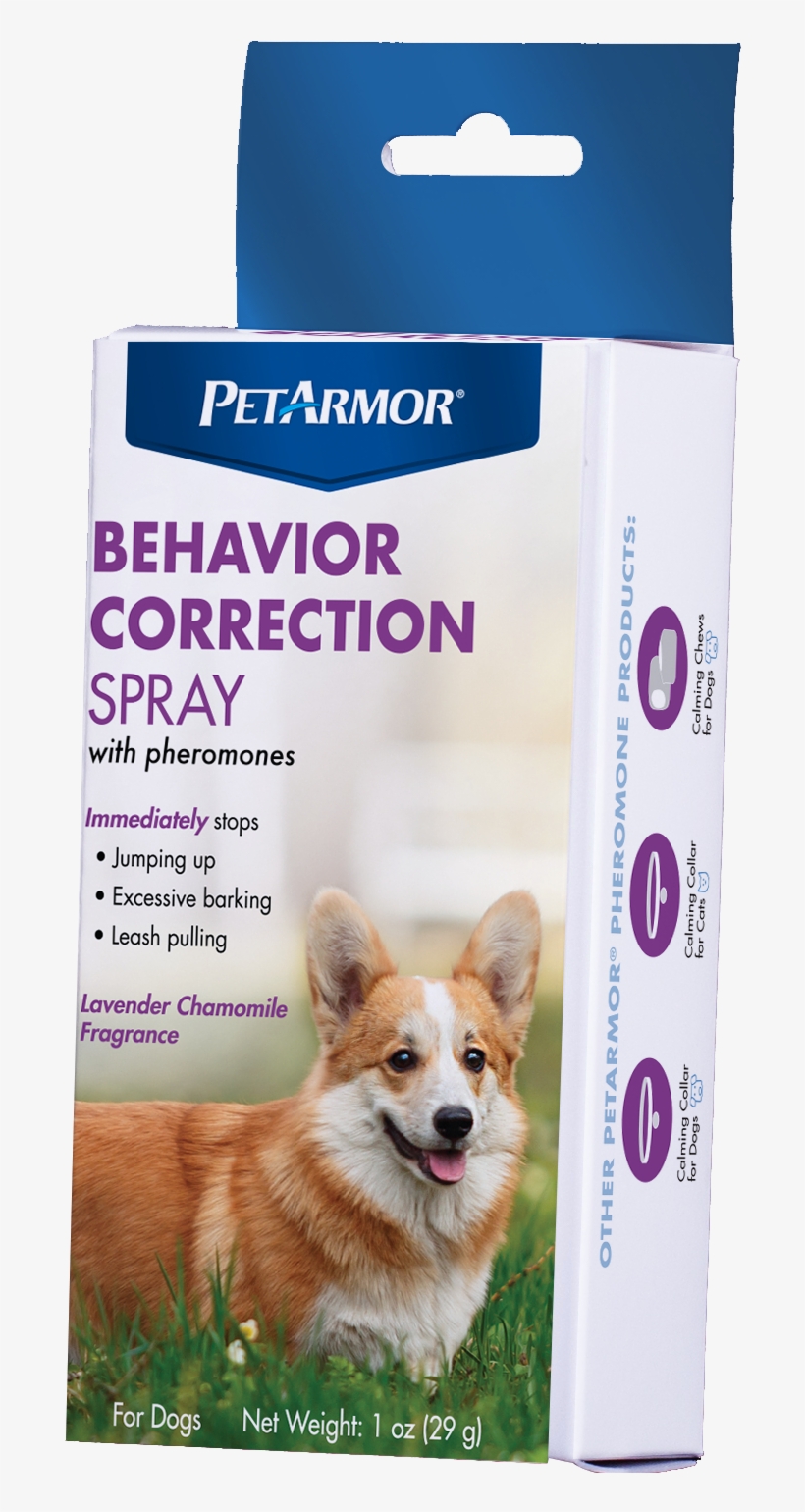
Addressing unwanted canine habits requires patience, consistency, and a clear understanding of learning theory. According to the American Society for the Prevention of Cruelty to Animals (ASPCA), behavioral problems are a primary reason dogs are relinquished to shelters, making early and humane intervention essential for keeping animals in loving homes. When household items face persistent chewing, furniture suffers from scratching, or vocalizations disrupt the household, caretakers often search for accessible management tools. Among the myriad options available in pet supply aisles, a dog behavior spray represents a popular category of commercial aids designed to deter problematic actions or encourage relaxation through olfactory and gustatory signals. Understanding what these products contain, how they function, and where their limitations lie ensures that households maintain both animal welfare and effective management strategies.
💡 Pet Care Key Takeaways:
- Core Focus: Practical health, nutrition, and wellness guidelines for Dog Behavior Spray.
- Target Scope: Pet owners, animal caregivers, and veterinary support staff.
- Best Recommendation: Maintain consistent daily routines and consult an accredited veterinarian before introducing major diet or medical changes.
Defining Dog Behavior Sprays and Their Mechanisms
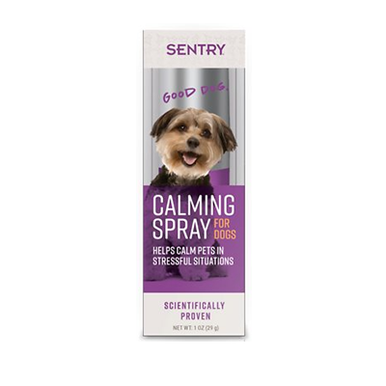
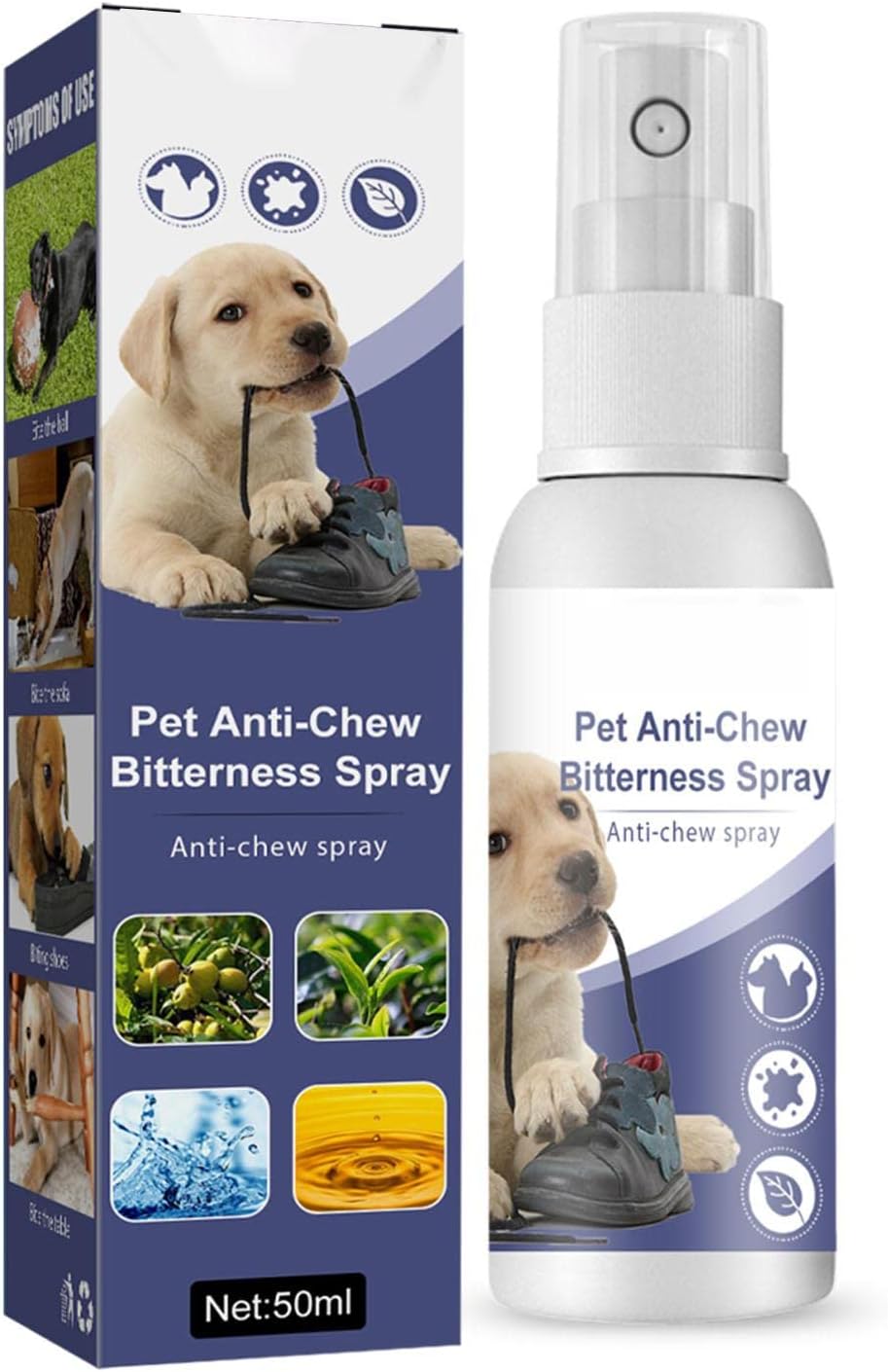
A dog behavior spray encompasses any liquid formulation applied to surfaces, air, or a canine’s immediate environment to modify actions through sensory deterrence or physiological calming. These products generally fall into two distinct functional categories: deterrent sprays and pheromone-based formulas. Deterrents rely on intensely bitter, sour, or pungent tastes and odors—such as denatured plant extracts or natural citrus oils—that make treated objects unappealing to chew or lick. Conversely, synthetic pheromone sprays mimic natural appeasing chemical signals released by nursing mothers or facial pheromones that communicate safety and security to the central nervous system. When utilized correctly within a comprehensive Dog Training plan, these formulations serve as temporary environmental management tools rather than permanent behavioral fixes.
Impact on Canine Welfare and Learning Processes
The physiological and psychological impact of behavior sprays depends heavily on the specific formulation and the context of its application. Deterrent sprays interrupt undesirable habits by creating an unpleasant sensory consequence, which discourages repetition without requiring physical intervention from the owner. However, modern animal behavior science emphasizes that aversive methods—those intended to frighten, startle, or cause acute distress—can elevate stress hormones like cortisol and inadvertently damage the human-animal bond. Pheromone sprays operate through a different pathway, engaging the limbic system to gently lower autonomic arousal during stressful events like veterinary visits, thunderstorms, or separation. Selecting appropriate formulations prevents unintended anxiety while supporting calm, focused learning during positive reinforcement exercises.
Behavioral issues are among the leading causes of pet relinquishment, highlighting the necessity of humane, early intervention strategies. — ASPCA
Implementing Sprays Safely Within Management Routines
Integrating behavior modification sprays into a daily routine requires careful preparation, strict adherence to product instructions, and a commitment to addressing root environmental causes. Caretakers must first ensure that any sprayed surface is thoroughly cleaned to remove residual food odors that might prompt persistent investigation despite the deterrent. When applying anti-chew or anti-scratch liquids, testing a small, hidden area of furniture or fabric prevents permanent staining or material degradation. Furthermore, spraying should occur out of the dog’s direct line of sight to prevent the animal from associating the unpleasant taste or smell with the human handler, which helps preserve trust and avoids inducing generalized fear of the caregiver.
Best Practices and Common Pitfalls to Avoid
Maximizing the utility of deterrent and calming formulations involves adhering to established safety guidelines and avoiding frequent mistakes. A common error is relying solely on a bitter spray to stop destructive chewing without providing appropriate, approved chew toys that satisfy natural canine instincts. Additionally, caretakers should never spray substances directly onto a dog’s face, skin, or mucous membranes unless the product label explicitly approves topical application, as alcohol and essential oils can cause severe irritation or toxicity. Consistency remains paramount; if a deterrent is applied inconsistently, the animal learns that only certain applications taste bad, rendering the management strategy ineffective. Pairing environmental management with regular mental stimulation ensures that the underlying motivation for unwanted actions diminishes over time.
Synthetic appeasing pheromones provide targeted chemical signaling that helps reduce stress-related physiological responses in unfamiliar environments. — Journal of Veterinary Behavior
Pet Care & Wellness Overview Table
| Life Stage | Daily Activity Level | Key Nutrition / Care Focus |
|---|---|---|
| Puppy / Kitten | High (frequent short bursts) | High-protein growth diet & early socialization |
| Adult Companion | Moderate (30–60 mins daily) | Balanced maintenance nutrition & dental hygiene |
| Senior Pets | Low to Gentle (mindful walks) | Joint support (Glucosamine) & routine vet checks |
Images References


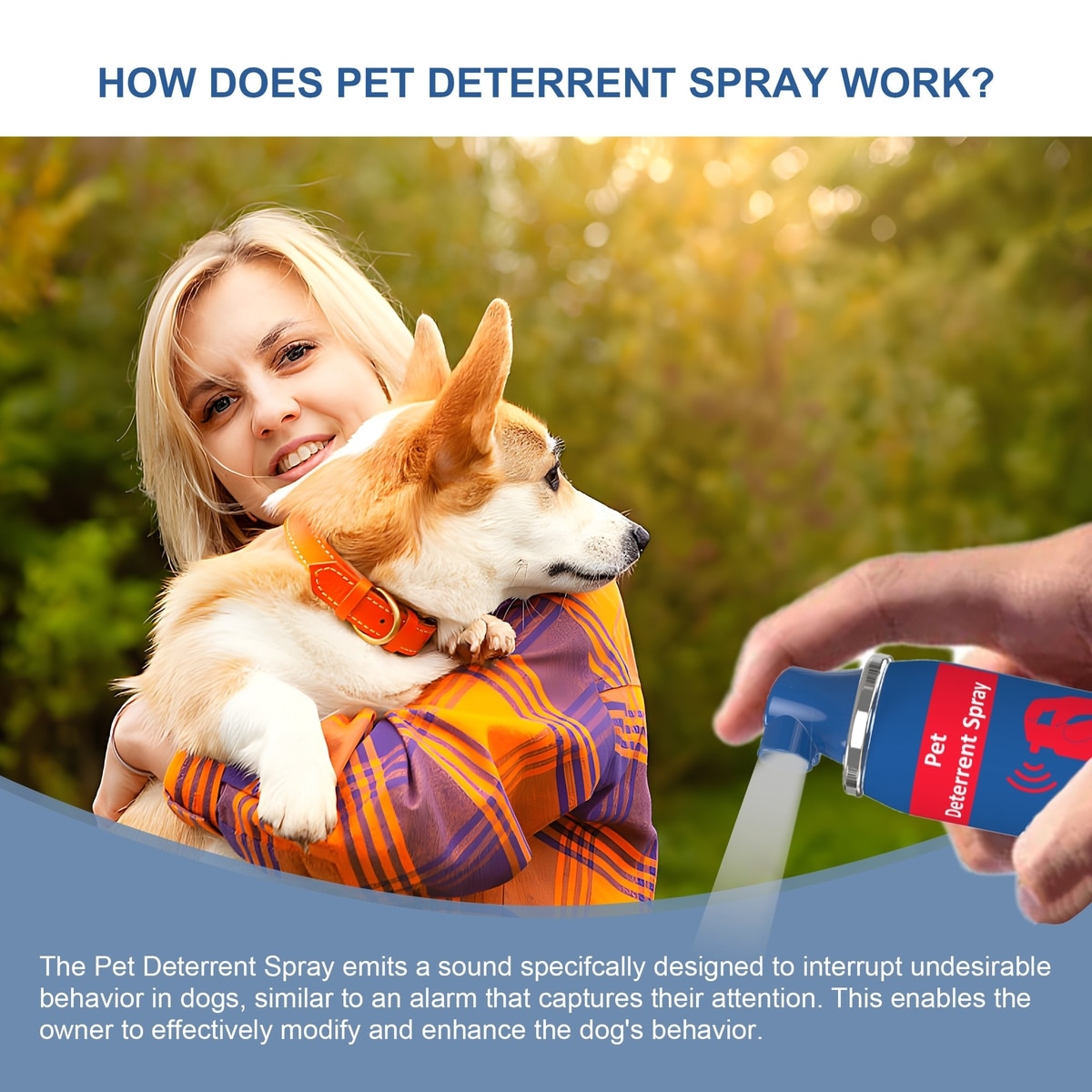
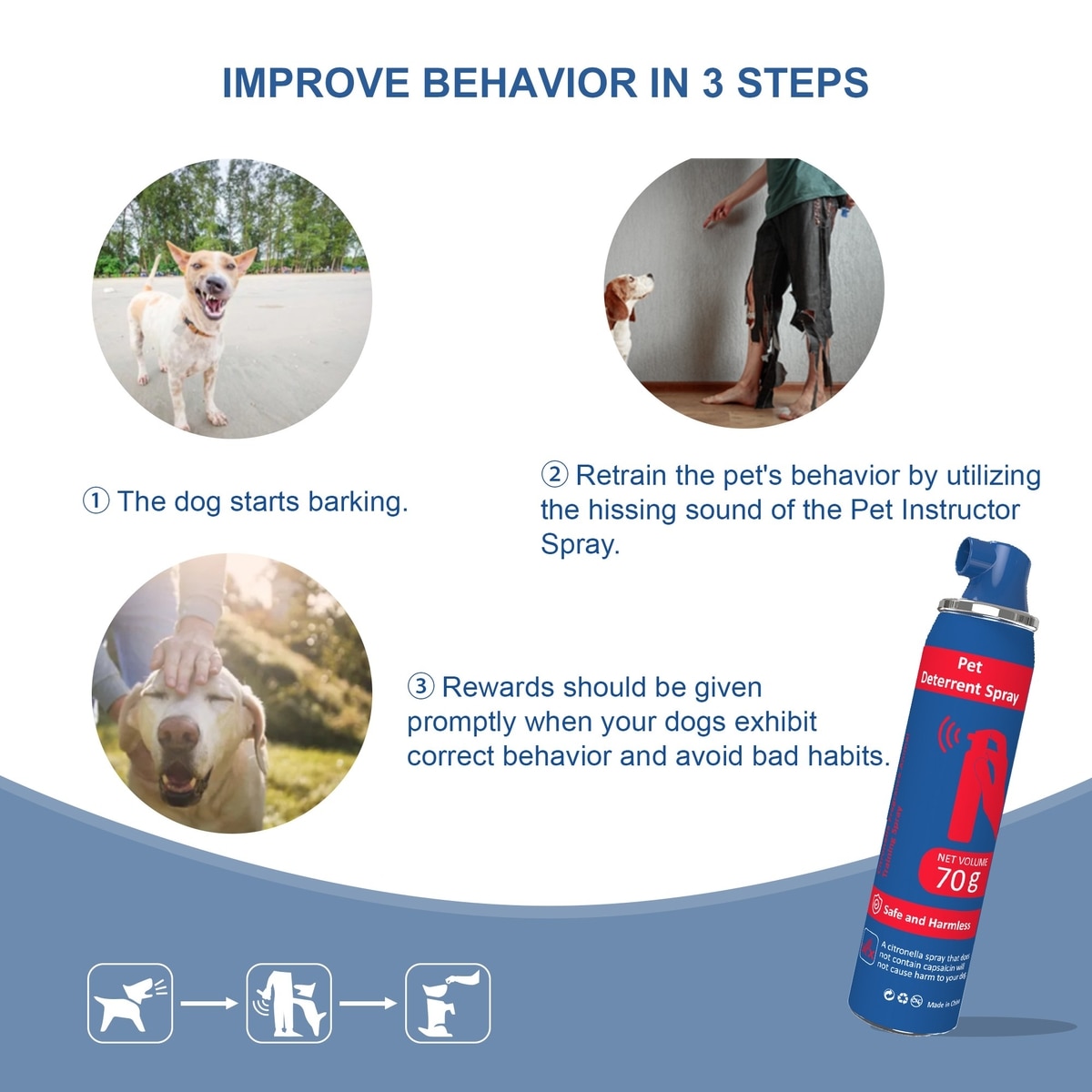

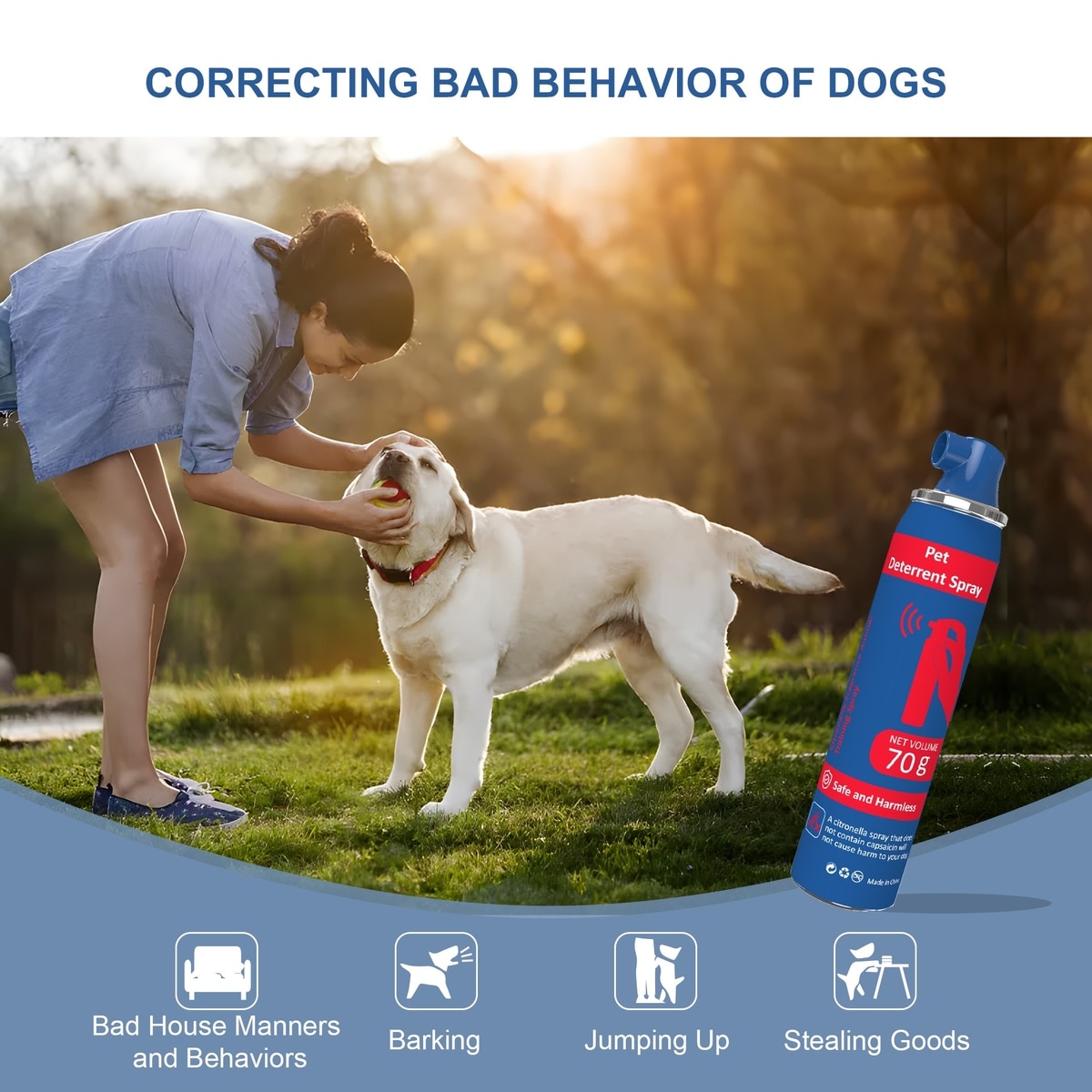

Tailoring Approaches for Different Breeds, Ages, and Temperaments
Individual dogs respond differently to sensory stimuli based on their developmental stage, breed characteristics, and inherent sensitivity levels. Young puppies exploring the world through tactile investigation often require robust management paired with abundant safe outlets for teething, whereas adult rescue dogs may need calming pheromones to navigate past traumas or unfamiliar household routines. High-drive working breeds or scent-driven hounds might readily ignore mild bitter agents if the reward of investigating an item outweighs the taste, necessitating more intensive physical barriers. Evaluating each animal’s unique personality and learning style allows owners to select the most appropriate Dog Care strategies rather than relying on a one-size-fits-all approach.
Knowing When to Consult a Professional
Persistent behavioral concerns that do not respond to basic environmental management and positive reinforcement require professional evaluation. Owners dealing with severe separation anxiety, compulsive licking, redirected aggression, or destructive panic should seek guidance from a qualified veterinary behaviorist or a certified professional dog trainer utilizing humane, science-based methods. Underlying medical issues, such as dental pain causing sudden chewing or neurological discomfort prompting vocalization, must be ruled out through a comprehensive physical examination by a licensed veterinarian before designing a behavior modification program.
Moving Forward With Balanced Management
Achieving long-term behavioral success involves combining thoughtful environmental adjustments with patience and deep insight into canine communication. While commercial sprays offer valuable temporary assistance in protecting household items and soothing nervous systems, they form only one component of a holistic lifestyle plan. Exploring additional resources across Dog Behavior and Dog Health empowers owners to foster thriving, balanced relationships with their animal companions. Visit PetsAnimalsWorld.com regularly for ongoing educational guides, expert care tips, and reliable advice designed to support every stage of a dog’s life.




