
Understanding the Complex World of Canine Sneeze Communication and Physiology
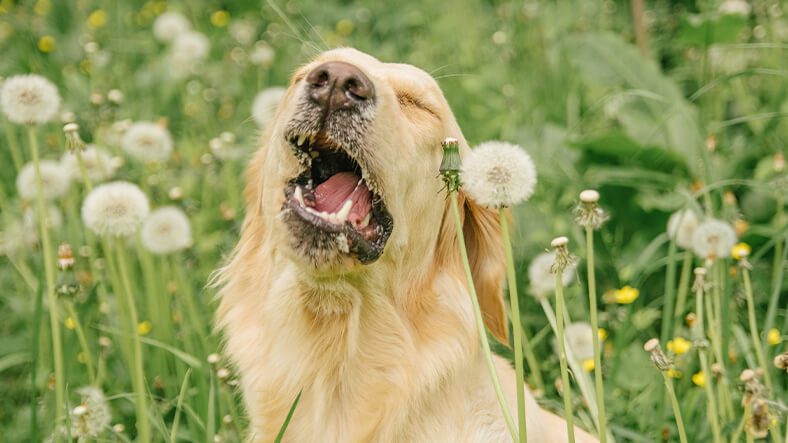
According to the American Kennel Club, dogs communicate extensively through body language, vocalizations, and subtle physical signals that require careful observation by caretakers. Among these various expressions, a sudden burst of air through the nose can often puzzle observers. While humans primarily sneeze as a reflexive response to irritants, dogs utilize this physiological mechanism for multiple purposes ranging from basic respiratory maintenance to intricate social signaling. Recognizing the distinct contexts behind a canine sneeze helps distinguish normal communication from potential medical concerns.
💡 Pet Care Key Takeaways:
- Core Focus: Practical health, nutrition, and wellness guidelines for Dog Behavior Sneezing.
- Target Scope: Pet owners, animal caregivers, and veterinary support staff.
- Best Recommendation: Maintain consistent daily routines and consult an accredited veterinarian before introducing major diet or medical changes.
Decoding Why Dogs Sneeze During Play and Interaction
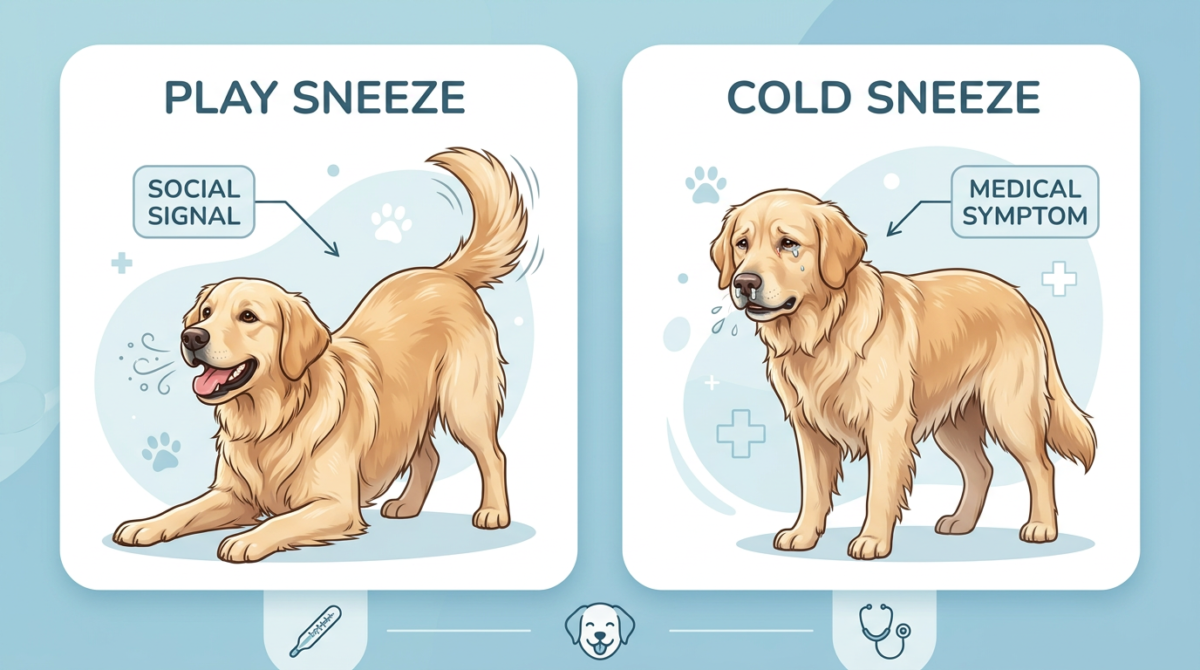
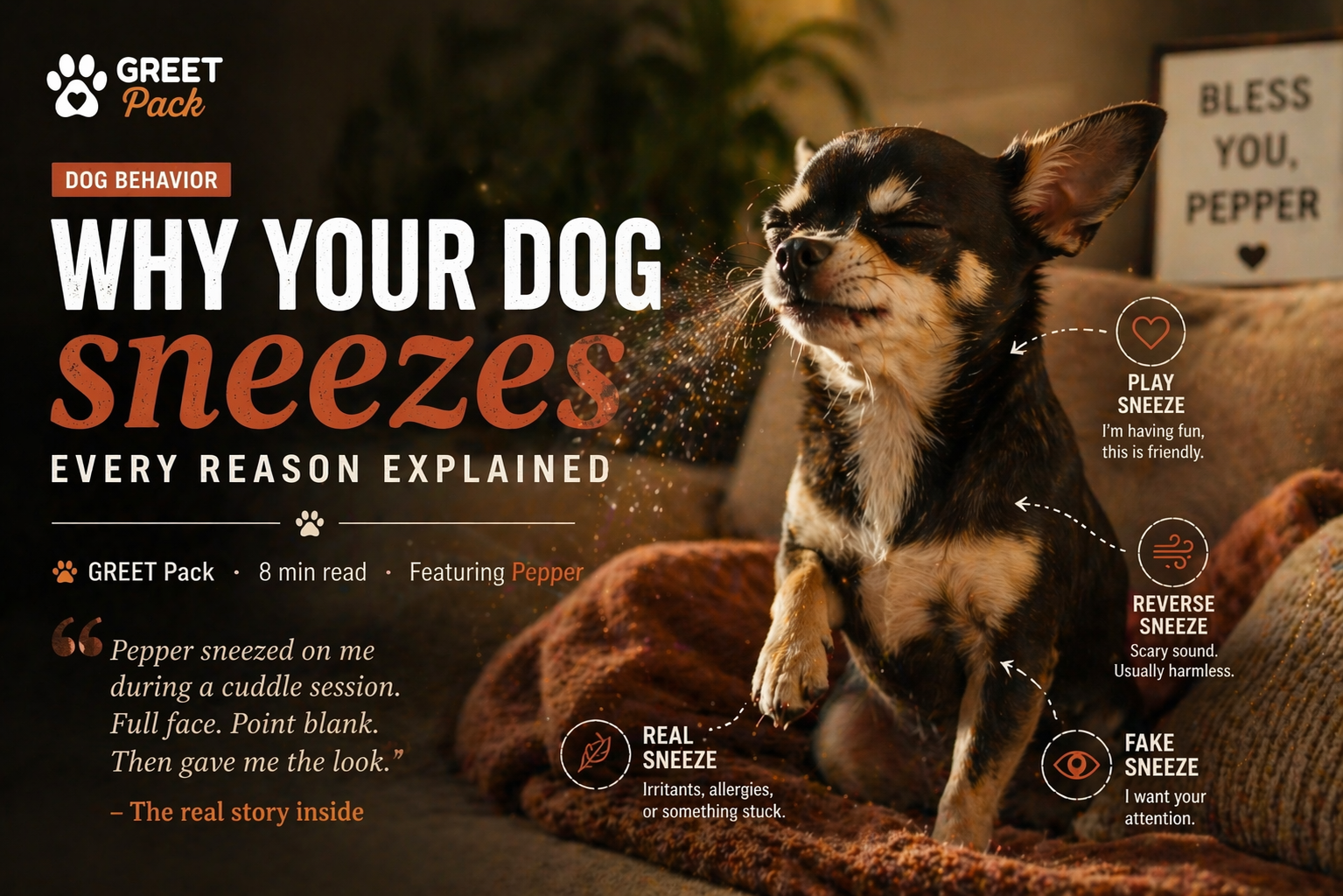
Play sneezing is a fascinating behavioral phenomenon where a dog forcefully expels air through the nose specifically during high-energy play sessions, particularly during mock wrestling or chasing games. Animal behaviorists often view this specific gesture as a metacommunication signal, which is a signal used to modify or frame other actions. When two dogs engage in rough-and-tumble play, biting, chasing, and tumbling can easily escalate into actual aggression if intentions are misunderstood. Introducing an audible sneeze serves as an overt signal to play partners that all preceding and following actions are purely recreational, thereby preventing miscommunications and maintaining harmony during social exchanges. For more related activities, check out our How Do You Correct A Dog’S Behavior.
The Impact of Environmental Triggers and Physical Irritants
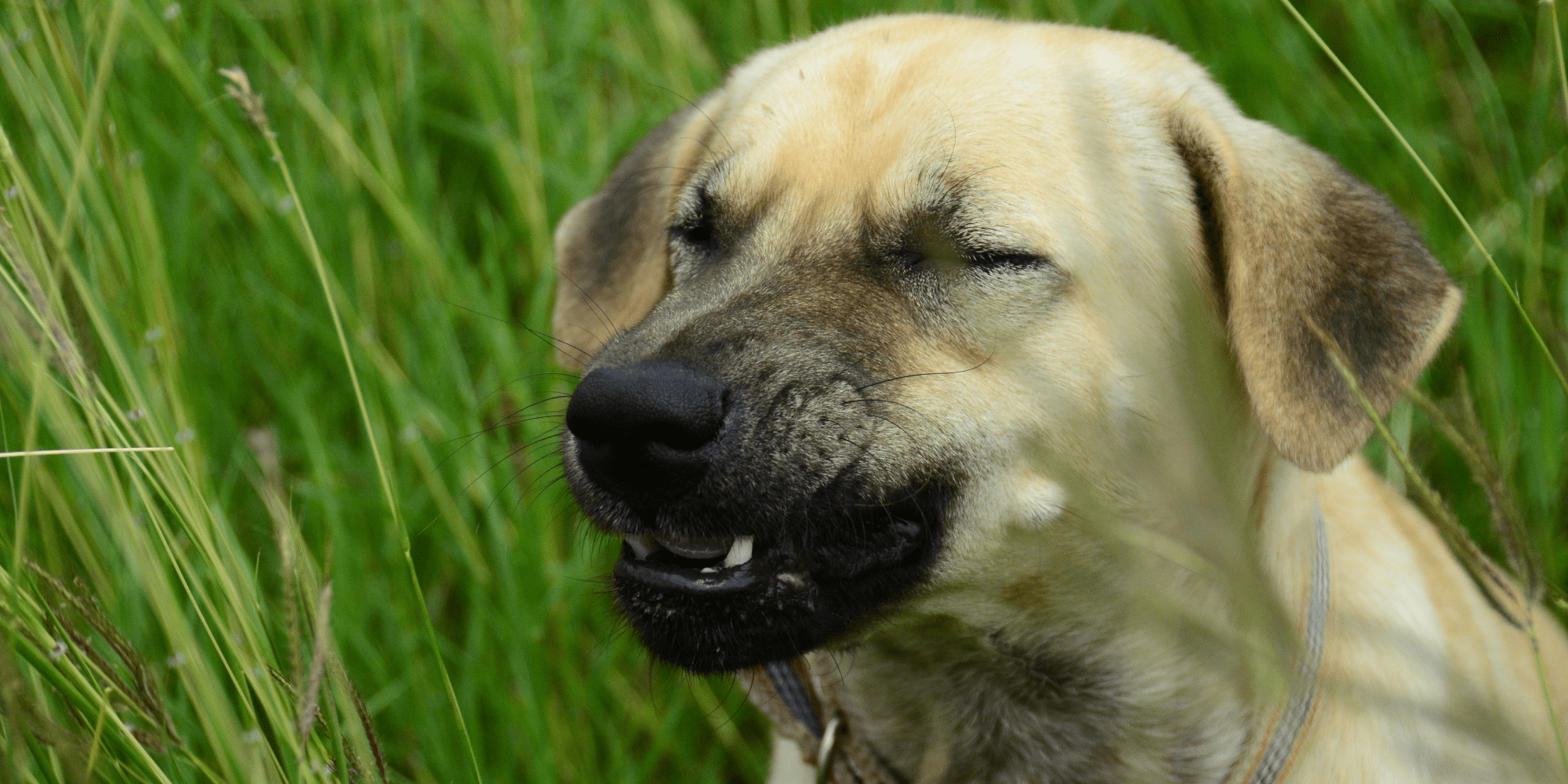
Environmental factors frequently trigger physical sneezing as a natural protective reflex to clear foreign particles from the nasal passages. Airborne irritants such as dust, pollen, household cleaning agents, and smoke can easily stimulate the sensitive mucous membranes lining a dog’s nasal cavity. When these foreign substances enter the respiratory tract, the nervous system initiates a sudden expulsion of air to clear the airway. Understanding this physiological reaction ensures that caretakers can differentiate between harmless environmental responses and signs of underlying respiratory irritation or obstruction that might require professional oversight.
Canine nasal passages contain millions of specialized sensory receptors designed to process complex scent information from the surrounding environment. — American Veterinary Medical Association
Practical Approaches for Managing and Responding to Canine Sneezing
Managing canine respiratory sounds and physical gestures effectively requires observing the surrounding environment and noting the frequency of the episodes. If repetitive sneezing occurs primarily indoors, evaluating air quality, reducing dust accumulation, and avoiding the use of strong chemical sprays in pet-occupied areas can significantly decrease respiratory irritation. For behavioral sneezing observed during play, acknowledging the gesture as a normal part of social interaction allows caretakers to support healthy communication without unnecessary intervention. Maintaining a calm environment helps prevent stress-induced respiratory changes while keeping everyday routines stable and predictable.
Best Practices and Common Mistakes in Observing Respiratory Habits
Accurate observation remains the cornerstone of proper pet care, yet many caretakers misinterpret occasional respiratory sounds due to common misconceptions. A frequent mistake involves assuming every sudden nasal expulsion indicates a serious illness, overlooking the possibility of harmless play behavior or mild environmental dust. Conversely, ignoring persistent, chronic sneezing under the assumption that the dog will simply recover without assistance can delay necessary medical intervention. Establishing a balanced approach involves tracking the timing, duration, and associated symptoms whenever unusual respiratory patterns emerge.
Monitoring environmental allergen levels and maintaining clean living spaces can significantly reduce chronic respiratory irritation in companion animals. — American Society for the Prevention of Cruelty to Animals
Pet Care & Wellness Overview Table
| Life Stage | Daily Activity Level | Key Nutrition / Care Focus |
|---|---|---|
| Puppy / Kitten | High (frequent short bursts) | High-protein growth diet & early socialization |
| Adult Companion | Moderate (30–60 mins daily) | Balanced maintenance nutrition & dental hygiene |
| Senior Pets | Low to Gentle (mindful walks) | Joint support (Glucosamine) & routine vet checks |
Images References




Breed, Age, Size, and Anatomical Considerations
Anatomical variations across different breeds significantly influence how frequently and easily a dog might sneeze or experience respiratory sounds. Brachycephalic breeds, characterized by shortened facial structures and compressed nasal passages, often face unique airflow challenges that can alter normal breathing patterns and increase susceptibility to nasal congestion. Conversely, larger sporting breeds that spend considerable time exploring outdoor fields may encounter higher volumes of pollen, dust, and grass awns, leading to frequent environmental sneezing. Age also plays a role, as senior dogs may experience different respiratory sensitivities compared to energetic puppies.
When to Consult a Veterinary Professional for Respiratory Concerns
Professional veterinary guidance becomes essential whenever sneezing is accompanied by clinical warning signs such as nasal discharge containing blood or thick discoloration, labored breathing, persistent lethargy, facial swelling, or a decreased appetite. While single, isolated sneezes during playtime or minor exposure to dust rarely require urgent care, chronic or sudden violent fits of sneezing demand a thorough clinical examination. Attempting home remedies or administering unauthorized medications without professional direction can pose significant health risks to the animal.
Supporting Canine Wellness Through Informed Observation
Understanding the diverse reasons behind canine sneezing empowers caretakers to provide attentive, evidence-informed support throughout every stage of a dog’s life. By balancing knowledge of natural behavioral signaling with an awareness of physical health indicators, owners can better navigate everyday canine quirks. Explore additional resources on Dog Behavior, Dog Health, and Dog Care to deepen your understanding of companion animal well-being at PetsAnimalsWorld.com.




