

Understanding Canine Estrous Cycles and Behavioral Changes
Navigating the physiological and psychological shifts of a canine estrous cycle requires careful observation and proactive management from pet guardians. According to the American Kennel Association, understanding the natural phases of a female reproductive cycle helps owners anticipate shifts in mood, activity levels, and physical needs. The estrous cycle—commonly referred to as being in heat—marks the period when a female dog becomes fertile and receptive to mating. Recognizing the specific signs associated with this phase is an essential aspect of responsible Dog Health management, ensuring that both physical well-being and emotional stability are maintained throughout the process.
💡 Pet Care Key Takeaways:
- Core Focus: Practical health, nutrition, and wellness guidelines for Dog Behavior When In Heat.
- Target Scope: Pet owners, animal caregivers, and veterinary support staff.
- Best Recommendation: Maintain consistent daily routines and consult an accredited veterinarian before introducing major diet or medical changes.
Defining the Estrous Cycle and Associated Behavioral Shifts
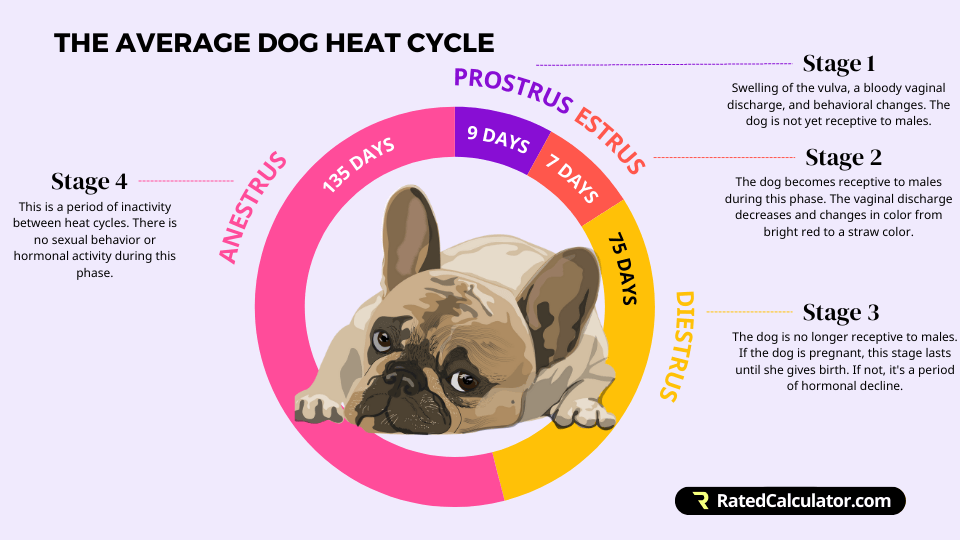
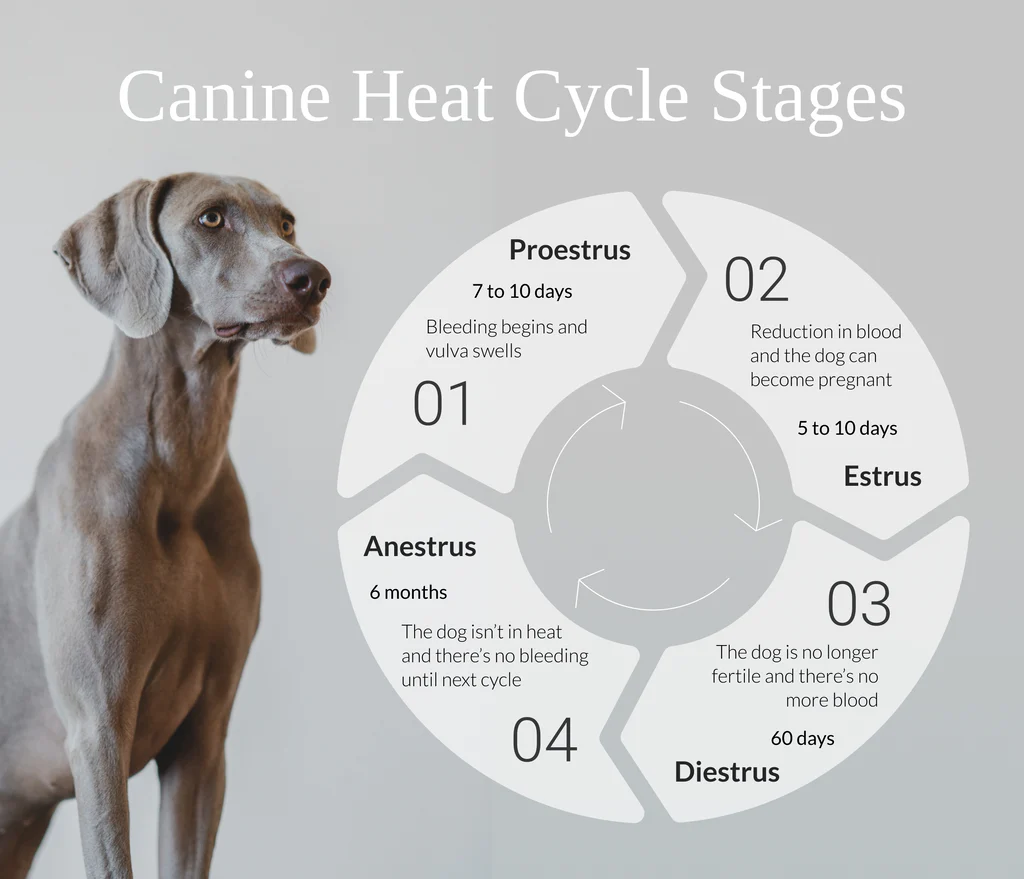
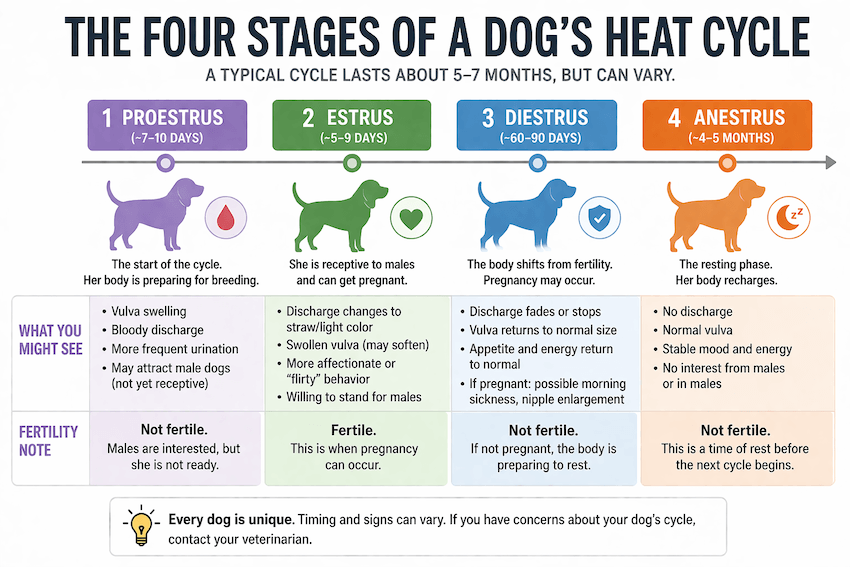
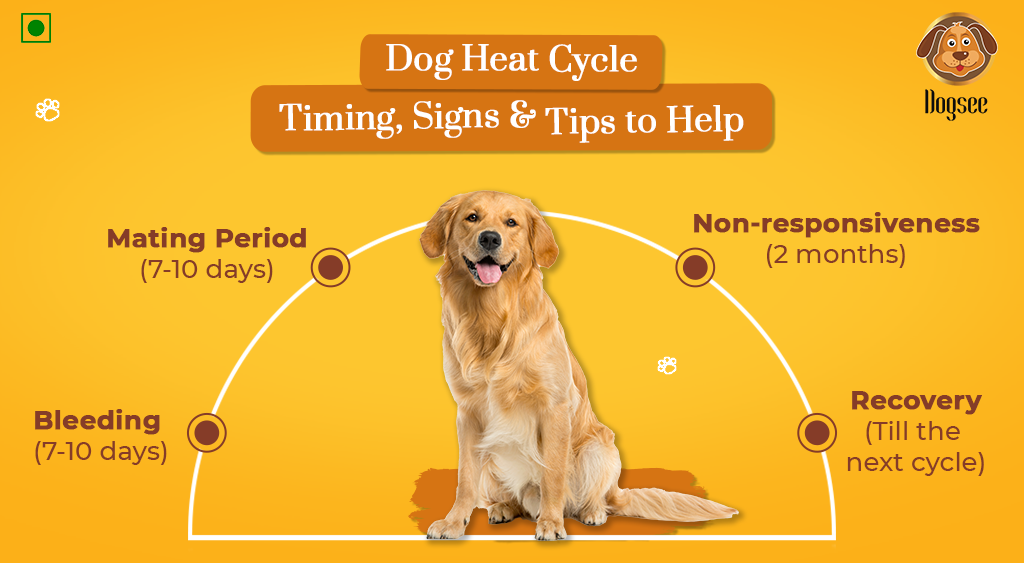
Dog behavior when in heat encompasses a wide range of instinctual actions driven by hormonal fluctuations, primarily estrogen and progesterone. The biological process consists of four distinct stages: proestrus, estrus, diestrus, and anestrus. During proestrus and estrus, hormonal changes prompt noticeable alterations in temperament and physical presentation. Canines may display increased clinginess, restlessness, or vocalization, alongside a heightened interest in scent-marking the environment. These behavioral expressions are entirely natural evolutionary responses designed to signal availability to potential mates across a territory.
Physical and Environmental Influences on Canine Temperament
The physiological demands of the reproductive cycle frequently alter daily routines, energy expenditure, and social interactions within multi-pet households. Physical discomfort, such as mild abdominal cramping or swelling, can occasionally lead to uncharacteristic irritability or a reduced tolerance for handling. Furthermore, the powerful scent cues released during this time attract neighborhood males from significant distances, creating heightened vigilance or stress within the home environment. Caregivers must account for these environmental pressures to maintain a calm, secure living space for the household.
Hormonal shifts during the canine estrous cycle frequently trigger temporary changes in scent-marking, vigilance, and socialization patterns. — American Kennel Association
Practical Management Strategies for the Estrous Phase
Managing a canine through a reproductive cycle demands strict environmental controls, secure outdoor protocols, and thoughtful daily scheduling. Leash walks should replace off-leash park visits entirely to prevent accidental mating, as scent-driven impulses can temporarily override reliable recall training. Utilizing specialized protective garments inside the residence helps maintain household cleanliness while accommodating natural discharge. Additionally, engaging the animal with interactive puzzle toys or indoor scent games provides mental stimulation without exposing the dog to external attractants.
Best Practices and Common Management Mistakes
Maintaining consistent boundaries while avoiding punitive measures is paramount during emotionally sensitive periods in a canine’s life. A frequent mistake involves underestimating a dog’s agility or determination to escape secure yards when scent cues are strong. Caregivers should ensure that all fencing, gates, and entry points remain rigorously secured at all times. Furthermore, maintaining standard feeding schedules and supportive Dog Nutrition standards helps stabilize energy levels, minimizing the impact of hormonal fluctuations on overall vitality.
Strict physical containment and leash management are vital preventative measures during the fertile estrous window to prevent unplanned litters. — American Society for the Prevention of Cruelty to Animals
Pet Care & Wellness Overview Table
| Life Stage | Daily Activity Level | Key Nutrition / Care Focus |
|---|---|---|
| Puppy / Kitten | High (frequent short bursts) | High-protein growth diet & early socialization |
| Adult Companion | Moderate (30–60 mins daily) | Balanced maintenance nutrition & dental hygiene |
| Senior Pets | Low to Gentle (mindful walks) | Joint support (Glucosamine) & routine vet checks |
Images References



Breed Variations and Individual Differences in Estrous Expression
The intensity and duration of behavioral changes can vary widely depending on breed heritage, age, and individual temperament traits. Independent hunting breeds or working lines may display an increased drive to roam and search for scent trails, whereas companion-focused toy breeds might exhibit heightened separation anxiety and clinginess. Younger individuals experiencing their initial cycle often display confusion or heightened nervousness, while mature adults may navigate the physiological process with greater predictability. Observing individual baselines allows guardians to tailor their approach to suit the specific personality of the animal.
When to Consult a Veterinary Professional
Professional veterinary guidance becomes essential if behavioral changes are accompanied by severe lethargy, loss of appetite, or abnormal physical symptoms that fall outside normal estrous parameters. Persistent foul-smelling discharge, prolonged bleeding, or signs of extreme pain warrant an immediate clinical examination to rule out reproductive tract infections such as pyometra, a serious and potentially life-threatening uterine condition. Guardians should establish a close partnership with a veterinary team to discuss long-term reproductive health options, including spaying, tailored to the specific needs of the individual dog.
Supporting Canine Wellness Through Every Life Stage
Supporting a pet through natural biological transitions requires patience, knowledge, and a commitment to safe, supportive management practices. Exploring comprehensive resources available through Dog Care and Dog Training can empower owners to address everyday challenges with confidence. For continuous guidance on fostering a healthy, balanced lifestyle for canine companions, visit PetsAnimalsWorld.com to discover expert-backed insights and practical care tips.




