

Understanding the Purpose and Scope of a Dog Behavior Test
Evaluating canine conduct through structured assessments helps animal welfare organizations, professional trainers, and dedicated guardians better understand how a specific animal interacts with the world. According to the American Society for the Prevention of Cruelty to Animals (ASPCA), behavioral evaluations are valuable tools designed to observe how an animal responds to various novel stimuli, handling, and environmental stressors. These assessments provide an observational baseline rather than an absolute prediction of future conduct, helping caretakers identify unique emotional responses, potential triggers, and individual learning styles.
💡 Pet Care Key Takeaways:
- Core Focus: Practical health, nutrition, and wellness guidelines for Dog Behavior Test.
- Target Scope: Pet owners, animal caregivers, and veterinary support staff.
- Best Recommendation: Maintain consistent daily routines and consult an accredited veterinarian before introducing major diet or medical changes.
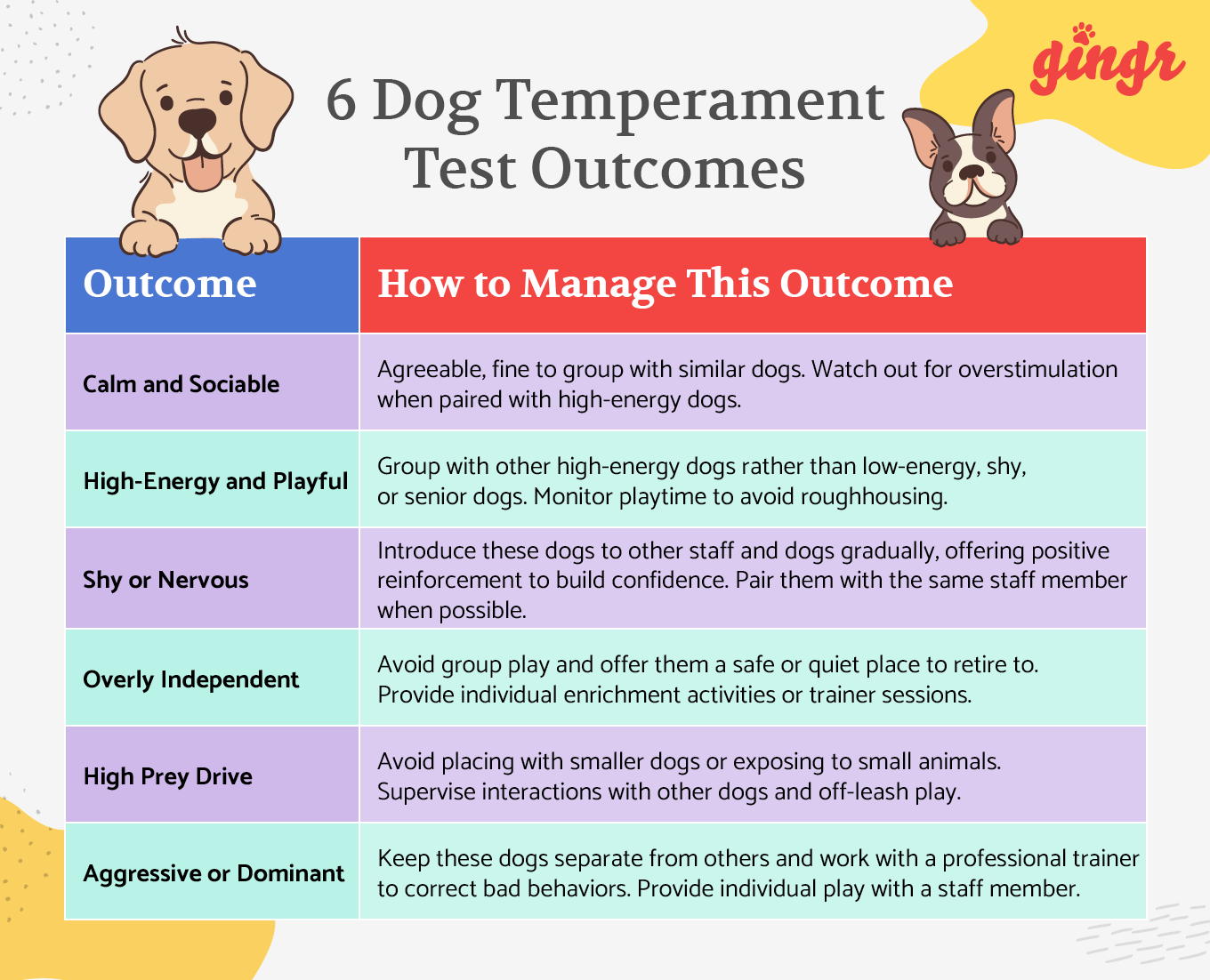
A standard dog behavior test typically encompasses a series of controlled encounters and mild stimuli designed to gauge temperament. Evaluators carefully monitor body posture, vocalizations, muscle tension, and facial expressions to interpret the internal emotional state of the animal. Observing these subtle indicators allows professionals to differentiate between confident exploration, hesitation, fear, or over-arousal. Comprehensive resources covering foundational principles can be explored further within the Dog Behavior category.
Defining Structured Canine Evaluations and Their Objectives
A dog behavior test refers to a systematic, standardized protocol used to observe how a canine reacts to specific social and environmental situations. The primary objective of these evaluations is to gather objective data regarding sociability, resource guarding tendencies, handling tolerance, and reactivity to sudden noises or movements. By placing the animal in a controlled environment with predictable stimuli, observers can record behavioral markers without relying purely on guesswork or subjective impressions.
Standardized tests often include simulated interactions, such as brief separations from handlers, exposure to strange objects, approaches by unfamiliar people, and simulated toy or food bowl exchanges. Each segment is intentionally designed to test specific thresholds of emotional resilience. Importantly, these assessments are snapshots in time rather than permanent labels. An animal undergoing evaluation may display heightened stress due to shelter environments or unfamiliar surroundings, meaning that ongoing observation in a stable home setting remains essential for an accurate understanding of long-term temperament.
The Influence of Environment and Emotional Well-Being on Test Outcomes
Environmental context and baseline physiological health heavily influence the results of any behavioral evaluation, making physical comfort a critical prerequisite for accurate observation. Underlying medical conditions, chronic pain, sensory impairments, and nutritional imbalances can drastically alter outward conduct, sometimes mimicking aggression or severe anxiety. Ensuring a complete physical examination via established veterinary protocols helps rule out medical contributors before drawing conclusions about temperament. Additional insights into maintaining overall physical health are available under Dog Health.
Furthermore, chronic stress hormones like cortisol can remain elevated in an animal’s system for days following a stressful event, skewing responses during subsequent evaluations. Recognizing these physiological variables ensures that caretakers interpret responses with appropriate context and empathy. Thoughtful management of daily routines and physical wellness supports more balanced, predictable responses during behavioral check-ins.
Behavioral assessments in shelter environments are influenced by kennel stress, which can temporarily increase reactivity and mask an animal’s true baseline temperament in a home. — American Society for the Prevention of Cruelty to Animals (ASPCA)
Interpreting and Applying Behavioral Insights Responsibly
Translating observational findings from a behavioral assessment into actionable, humane care plans requires patience, consistency, and positive reinforcement principles. Humane training methods focus on rewarding desired choices while managing the environment to prevent rehearsal of unwanted actions. Punitive or intimidation-based techniques are actively discouraged because they frequently exacerbate fear and defensive reactivity, undermining trust between the animal and the caregiver. Practical strategies for daily routines and household management can be found in the Dog Care section.
When an evaluation reveals specific sensitivities—such as touch sensitivity around the paws or guarding tendencies regarding food items—caregivers can implement desensitization and counter-conditioning programs. Desensitization involves gradual, low-intensity exposure to a trigger while maintaining a relaxed emotional state, whereas counter-conditioning pairs the trigger with a highly motivating positive reward, such as a high-value treat. This evidence-based approach helps reshape emotional associations safely and effectively over time.
Best Practices and Common Pitfalls During Temperament Checks
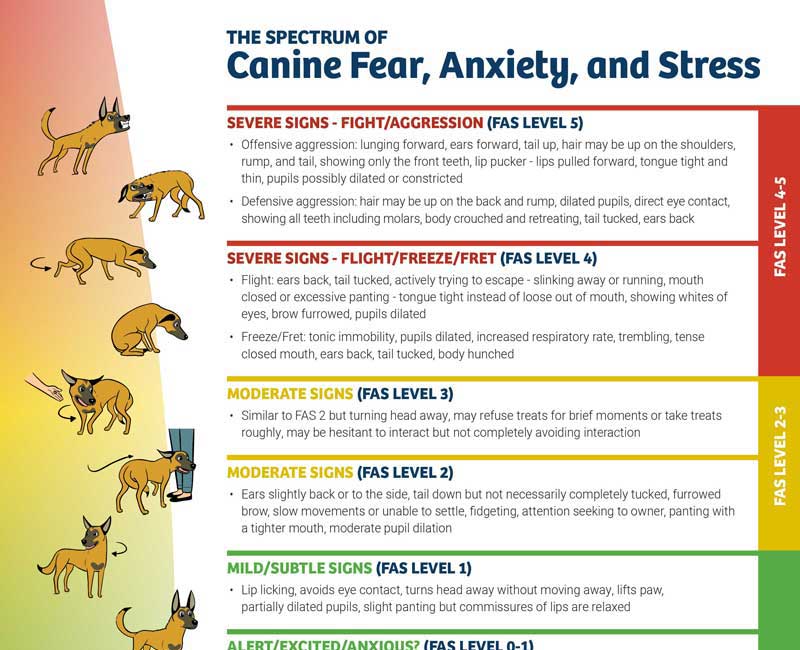
Avoiding common interpretive mistakes ensures that behavioral evaluations serve their intended supportive purpose rather than mischaracterizing an animal. One frequent error is treating a single test result as an infallible prophecy. Canine behavior is fluid, heavily shaped by socialization, ongoing life experiences, and the quality of human guidance. Evaluators and guardians must remain observant of subtle shifts in body language, such as lip-licking, whale eye, or lowered tail carriage, which often signal mounting discomfort before a growl or snap occurs.
Another pitfall involves rushing the assessment process or pushing an animal past its threshold of tolerance. Safety must remain the top priority for both human handlers and the animal being tested. Testing protocols should be paused immediately if signs of acute distress appear. Consistent adherence to professional guidelines prevents accidental escalation and fosters an environment where reliable behavioral data can be gathered safely.
Observing subtle calming signals and stress indicators, such as yawning, panting, or turning the head away, allows handlers to identify anxiety before it escalates into defensive reactivity. — American Kennel Club (AKC)
Pet Care & Wellness Overview Table
| Life Stage | Daily Activity Level | Key Nutrition / Care Focus |
|---|---|---|
| Puppy / Kitten | High (frequent short bursts) | High-protein growth diet & early socialization |
| Adult Companion | Moderate (30–60 mins daily) | Balanced maintenance nutrition & dental hygiene |
| Senior Pets | Low to Gentle (mindful walks) | Joint support (Glucosamine) & routine vet checks |
Images References




Breed, Age, and Individual Development Considerations
Individual temperament is shaped by a complex interplay of genetic predisposition, developmental milestones, and life experiences unique to each animal. While breed history can provide general context regarding historical working traits, such as herding instincts or guarding tendencies, it should never replace individual assessment. Every canine possesses a distinct personality, and sweeping generalizations fail to account for individual neurobiology and lived history. Further exploration of diverse canine traits is available through Dog Breeds.
Age also plays a significant role in behavioral development. Puppies undergo critical socialization windows where exposure to novel people, sounds, and surfaces shapes lifelong resilience. Adolescent dogs often experience hormonal fluctuations and temporary boundary-testing phases that mimic regression in training. Senior animals may experience cognitive decline or sensory losses that alter their daily interactions. Tailoring expectations to the specific life stage of the animal ensures fair, compassionate evaluation and management.
When to Consult a Qualified Veterinary Behaviorist or Certified Trainer
Persistent, severe, or escalating behavioral concerns—such as intense fear, unprovoked aggression, severe separation anxiety, or self-harming tendencies—require professional intervention beyond standard home management. Consulting a qualified professional, such as a board-certified veterinary behaviorist (DACVB) or a certified professional dog trainer (CPDT) utilizing positive reinforcement methods, ensures safe and evidence-based guidance. Veterinarians should always be consulted first to rule out underlying medical pain or neurological issues that frequently manifest as sudden behavioral shifts.
Attempting to resolve complex behavioral pathologies through amateur methods or punitive correction can increase risk and worsen anxiety. Professionals possess the specialized expertise needed to design customized behavior modification plans, recommend appropriate veterinary medications when indicated, and guide guardians through safe implementation. Prioritizing expert collaboration safeguards the well-being of both the animal and the human family.
Building Harmonious Relationships Through Structured Guidance
Understanding the principles behind structured behavioral assessments empowers guardians to foster a secure, enriching environment for their animal companions. By combining careful observation with positive, humane training techniques and appropriate veterinary oversight, owners can successfully navigate behavioral challenges and enhance mutual trust. Exploring additional resources across Dog Training and related directories on PetsAnimalsWorld.com provides continuous support for lifelong canine wellness.




