
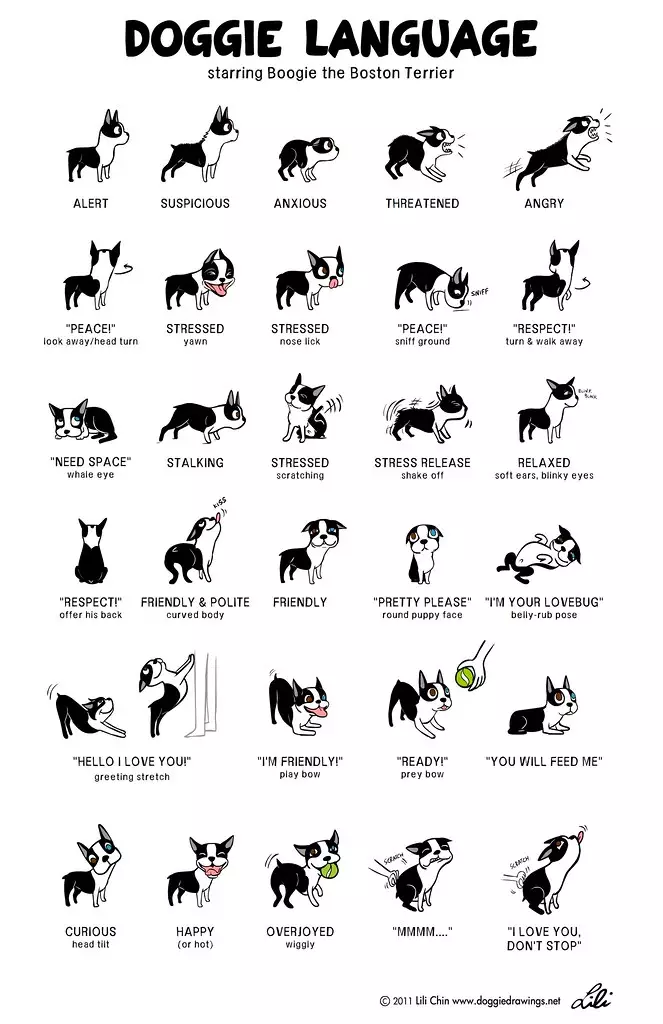
Understanding Canine Communication Through Dog Behavior Signs
According to the American Society for Prevention of Cruelty to Animals (ASPCA), understanding subtle communicative signals helps prevent misunderstandings between humans and canines. Dogs communicate constantly through posture, vocalizations, and micro-movements, creating a rich visual and auditory language. Recognizing these indicators transforms how households interpret emotional states, allowing guardians to respond before stress escalates into fear or defensive reactions. Every tail wag, ear adjustment, and shift in body weight serves a distinct communicative purpose within a complex social framework.
💡 Pet Care Key Takeaways:
- Core Focus: Practical health, nutrition, and wellness guidelines for Dog Behavior Signs.
- Target Scope: Pet owners, animal caregivers, and veterinary support staff.
- Best Recommendation: Maintain consistent daily routines and consult an accredited veterinarian before introducing major diet or medical changes.
Interpreting Meaning and Context in Dog Behavior Signs
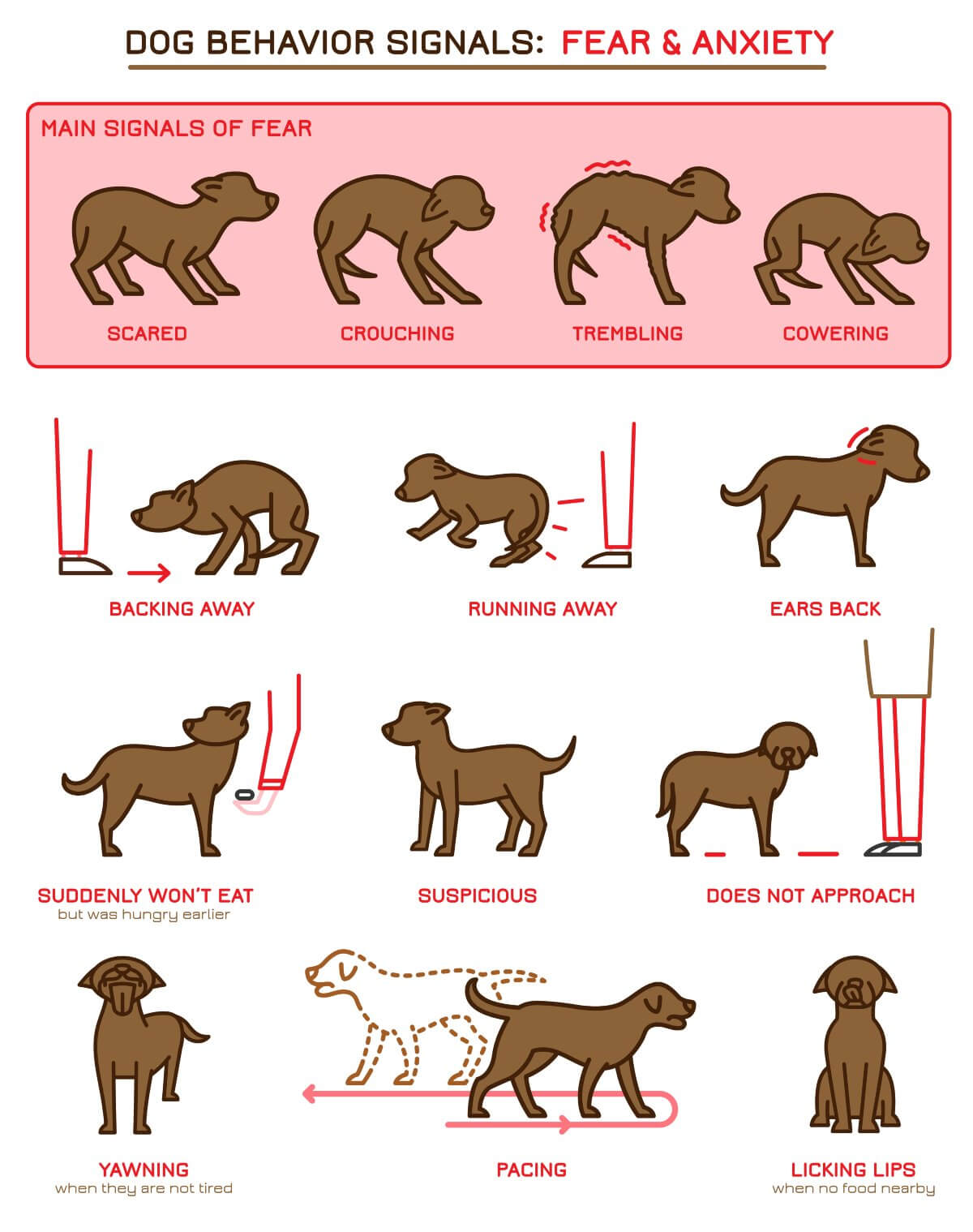
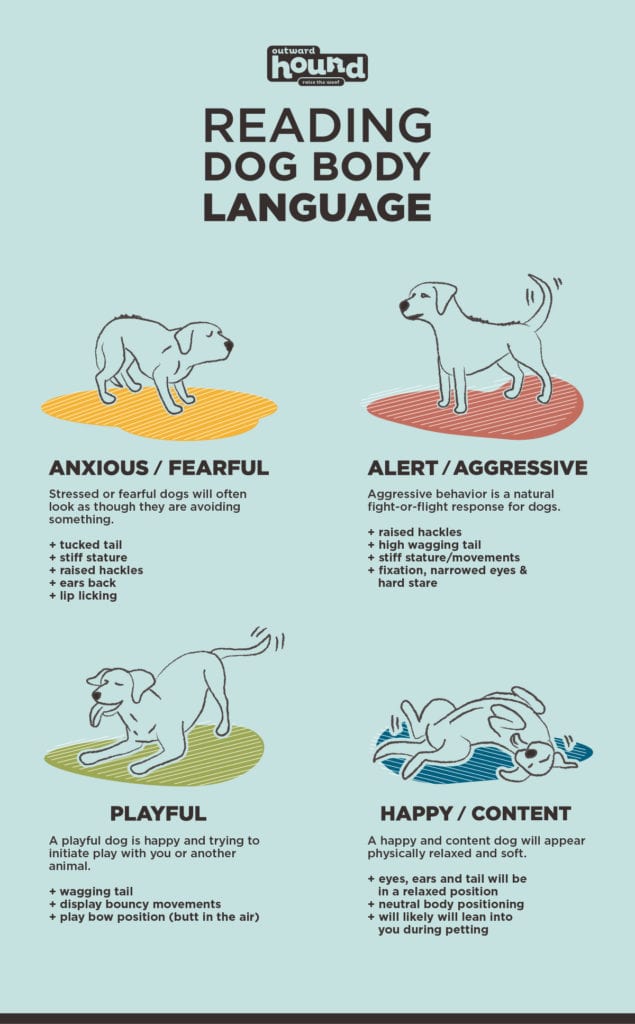
Dog behavior signs represent the external manifestations of internal emotional states, ranging from relaxed contentment to acute anxiety. To decode these physical expressions accurately, observers must evaluate the entire body rather than focusing on a single feature, such as the tail. For instance, a wagging tail does not always indicate friendliness; stiff movements or slow, rigid sweeps can signal high arousal or potential conflict. Ethology, the scientific study of animal behavior, emphasizes that context dictates meaning. A crouched posture combined with yawning might indicate appeasement or fatigue in one situation, yet signal physical discomfort or environmental stress in another. For more related activities, check out our Xolo Dog Behavior.
The Impact of Emotional Well-Being on Physical Health
Chronic stress and unaddressed behavioral tension can exert profound effects on a dog’s physiological health and overall quality of life. When canines experience prolonged anxiety, their bodies release stress hormones like cortisol and adrenaline, which can suppress immune function and exacerbate underlying medical conditions. Conversely, physical discomfort or underlying pain frequently manifests as sudden shifts in conduct, such as increased irritability, avoidance of touch, or reluctance to climb stairs. Evaluating physical well-being alongside outward expressions ensures that medical roots for changes are never overlooked.
Behavioral changes are frequently the earliest indicators of underlying physical illness or chronic pain in canines. — American Animal Hospital Association
Approaches to Managing and Responding to Canine Communication
Managing daily interactions effectively requires observing baseline patterns and respecting physical boundaries when signs of discomfort appear. Humane, evidence-based management relies on positive reinforcement—rewarding calm, desirable actions while removing triggers that provoke distress or reactivity. For instance, if a canine displays avoidance signals around strangers, creating physical distance rather than forcing an interaction builds confidence and prevents defensive escalation. Consistent, predictable routines further anchor a sense of security, reducing baseline anxiety within the domestic environment.
Best Practices and Common Pitfalls in Behavioral Interpretation
A common mistake among pet owners is punishing warning signals, such as growling, which suppresses the outward display without resolving the underlying emotional trigger. When a dog learns that growling leads to reprimand, future warnings may disappear, resulting in sudden bites without apparent provocation. Prioritizing proactive observation prevents such escalations. Rewarding relaxed body language, providing safe retreats such as designated crates or quiet rooms, and avoiding physical reprimands foster a trusting relationship built on clear, humane communication.
Punishing warning signals like growling increases bite risk by removing a dog’s ability to communicate discomfort safely. — American Veterinary Medical Association
Pet Care & Wellness Overview Table
| Life Stage | Daily Activity Level | Key Nutrition / Care Focus |
|---|---|---|
| Puppy / Kitten | High (frequent short bursts) | High-protein growth diet & early socialization |
| Adult Companion | Moderate (30–60 mins daily) | Balanced maintenance nutrition & dental hygiene |
| Senior Pets | Low to Gentle (mindful walks) | Joint support (Glucosamine) & routine vet checks |
Images References





Individual Variations Across Breeds, Ages, and Temperaments
Individual genetics, developmental stages, and life experiences significantly influence how canines express themselves and perceive their surroundings. Certain working and herding lines developed distinct physical expressions and heightened environmental sensitivity through selective breeding, requiring tailored socialization strategies. Similarly, senior dogs experience sensory decline and cognitive aging, which alter daily routines and communicative patterns. Recognizing these unique traits prevents unrealistic expectations and guides appropriate, individualized care across every life stage.
When to Consult a Veterinarian or Professional Behaviorist
Persistent behavioral shifts, sudden aggression, profound fear, or self-injurious actions warrant immediate evaluation by a qualified professional. Because physical discomfort often drives sudden alterations in conduct, a thorough veterinary examination must be the first step in addressing severe concerns to rule out neurological, metabolic, or painful conditions. For complex psychological challenges, seeking guidance from a certified applied animal behaviorist or a veterinary behaviorist ensures that intervention relies on safe, science-based protocols rather than punitive methods.
Exploring Further Resources for Canine Wellness
Expanding knowledge about canine wellness benefits both the animal and the household through informed, compassionate stewardship. Delving deeper into specialized subjects enhances daily care routines and deepens mutual understanding between species. Discover more expert guidance and educational resources by exploring Dog Behavior, Dog Health, Dog Training, and Dog Care. Visit PetsAnimalsWorld.com to explore additional articles dedicated to responsible pet ownership.




