
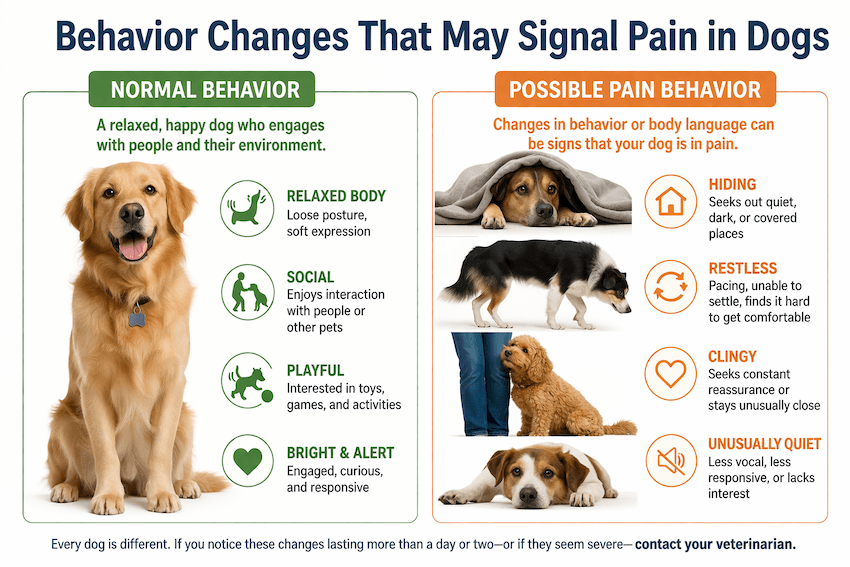
Recognizing the Subtle Signs of Physical Distress in Canines
According to the American Veterinary Medical Association, animals often mask physical discomfort as a natural survival instinct, making the detection of underlying ailments a significant challenge for human companions. Recognizing changes in dog behavior when in pain requires careful observation of daily routines, physical posture, and emotional responses. Because domestic dogs cannot verbally communicate an ache or an injury, understanding the silent language of discomfort remains an essential responsibility for every pet owner. Proper identification of these signals prevents prolonged suffering and ensures timely medical intervention before minor issues escalate into severe health concerns.
💡 Pet Care Key Takeaways:
- Core Focus: Practical health, nutrition, and wellness guidelines for Dog Behavior When In Pain.
- Target Scope: Pet owners, animal caregivers, and veterinary support staff.
- Best Recommendation: Maintain consistent daily routines and consult an accredited veterinarian before introducing major diet or medical changes.
Understanding Pain-Induced Behavioral Changes in Dogs
Dog behavior when in pain encompasses a wide spectrum of physical and psychological modifications that reflect the body’s internal distress. Pain can be acute, resulting from a sudden injury or surgery, or chronic, stemming from degenerative conditions such as osteoarthritis or dental disease. When physical discomfort arises, the central nervous system alters mood, activity levels, and social interactions. Canines experiencing distress may exhibit dramatic shifts in temperament, ranging from uncharacteristic clinginess to defensive isolation. Understanding these behavioral indicators helps bridge the gap between silent suffering and professional veterinary care, ensuring that hidden injuries or illnesses do not go unnoticed. For more related activities, check out our How Do You Correct A Dog’S Behavior.
The Physiological and Emotional Impact of Canine Discomfort
Unmanaged physical distress profoundly affects a dog’s overall well-being, influencing hormone levels, sleep architecture, and cognitive function. Chronic discomfort triggers a continuous release of stress hormones like cortisol, which suppresses immune function and creates a cycle of heightened sensitivity to touch and sound. Furthermore, when an animal hurts, everyday activities such as eating, grooming, and resting become exhausting chores rather than comforting routines. This depletion of energy often leads to secondary behavioral issues, including house-soiling, decreased environmental engagement, and heightened reactivity toward humans or other animals in the household.
Chronic joint and musculoskeletal discomfort can significantly alter a dog’s resting patterns, social interactions, and willingness to engage in family activities. — American Animal Hospital Association
Approaches to Observing and Managing Canine Discomfort
Managing potential distress begins with systematic observation and creating a safe, supportive environment tailored to the animal’s physical needs. Careful monitoring involves tracking subtle deviations from normal routines, such as hesitation before jumping onto furniture, reluctance to climb stairs, or stiffness after resting. When physical limitations appear, living spaces require thoughtful adaptation, including non-slip flooring, ramps for elevated surfaces, and supportive orthopedic bedding. Maintaining detailed notes regarding specific triggers, time of day, and postural changes provides invaluable information during subsequent veterinary consultations.
Best Practices and Common Pitfalls in Pain Management
Proper handling of a distressed animal requires adherence to strict safety guidelines and an awareness of common misconceptions regarding canine resilience. One major pitfall involves assuming that a lack of vocalization, such as whining or yelping, means the absence of hurt; in reality, most dogs suffer silently. Another critical mistake is administering human medications like ibuprofen or acetaminophen, which are highly toxic to canines and can cause organ failure. Establishing a collaborative relationship with a veterinarian ensures that any discomfort is addressed through safe, species-appropriate pharmacological or physical therapy interventions.
Human pain relievers, including over-the-counter non-steroidal anti-inflammatory drugs, pose severe toxicity risks to domestic dogs and should never be administered without explicit veterinary instruction. — ASPCA Animal Poison Control Center
Pet Care & Wellness Overview Table
| Life Stage | Daily Activity Level | Key Nutrition / Care Focus |
|---|---|---|
| Puppy / Kitten | High (frequent short bursts) | High-protein growth diet & early socialization |
| Adult Companion | Moderate (30–60 mins daily) | Balanced maintenance nutrition & dental hygiene |
| Senior Pets | Low to Gentle (mindful walks) | Joint support (Glucosamine) & routine vet checks |
Images References


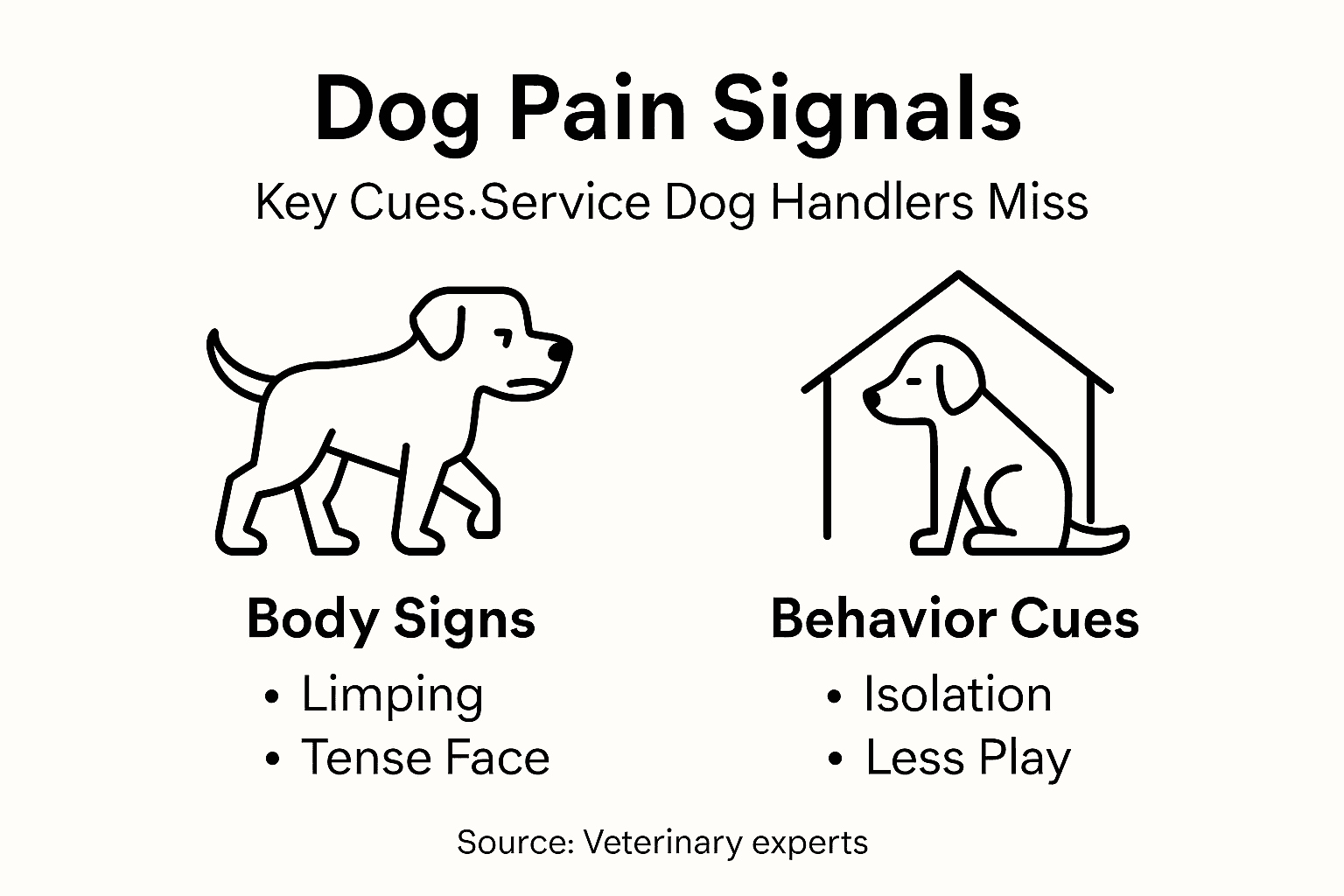

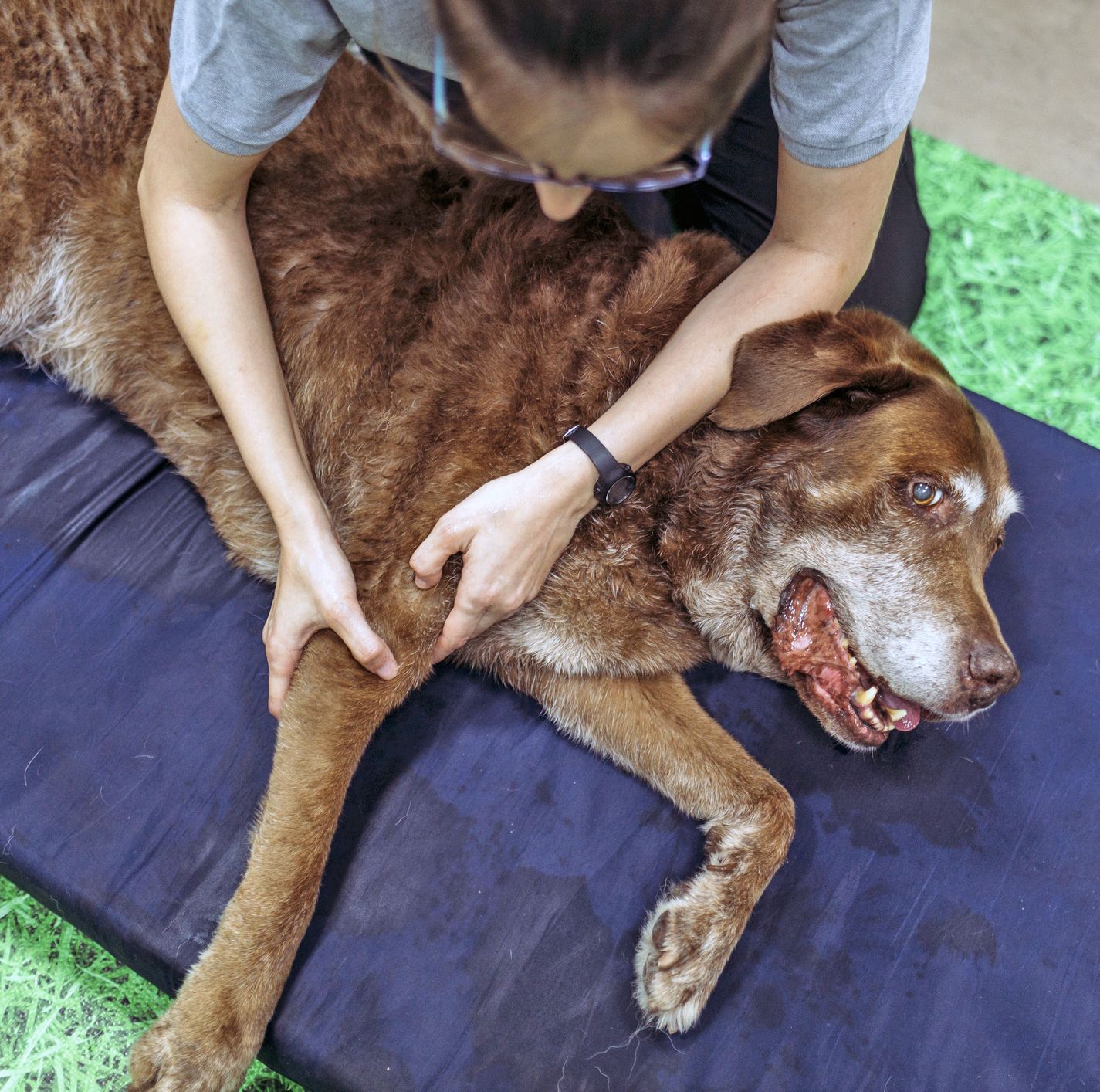

Breed, Age, and Temperament Factors in Pain Expression
Individual characteristics such as breed predisposition, life stage, and innate personality heavily influence how a dog displays physical distress. Stoic working breeds or high-drive sporting dogs often mask symptoms intensely, continuing to work or play despite significant structural injury. Conversely, sensitive companion breeds may display dramatic distress over minor ailments, showing excessive trembling or vocalization. Additionally, senior dogs experiencing age-related cognitive decline may interpret physical aches with increased confusion, manifesting restlessness or pacing throughout the night instead of typical resting behaviors.
When to Consult a Veterinary Professional Immediately
Professional veterinary evaluation becomes necessary whenever a dog demonstrates sudden, severe behavioral shifts, profound lethargy, inability to stand, or signs of acute trauma. For suspected poisoning, severe bleeding, difficulty breathing, or sudden collapse, immediate veterinary care is critical. Never attempt to use home remedies or unverified treatments for acute emergencies. For persistent behavioral changes linked to chronic conditions, consulting a qualified veterinary behaviorist or an appropriately certified dog trainer ensures that support strategies remain entirely positive, humane, and aligned with the animal’s physical limitations.
Supporting Lifelong Canine Wellness and Comfort
Maintaining a high quality of life for a canine companion requires continuous education, proactive veterinary care, and attentive observation of everyday habits. By deepening an understanding of Dog Behavior, owners can better identify subtle cries for help. Exploring trusted resources on Dog Health and Dog Care further equips households to provide exceptional, compassionate support through every life stage. Visit PetsAnimalsWorld.com regularly to discover comprehensive guides dedicated to keeping cherished pets healthy, comfortable, and happy.




