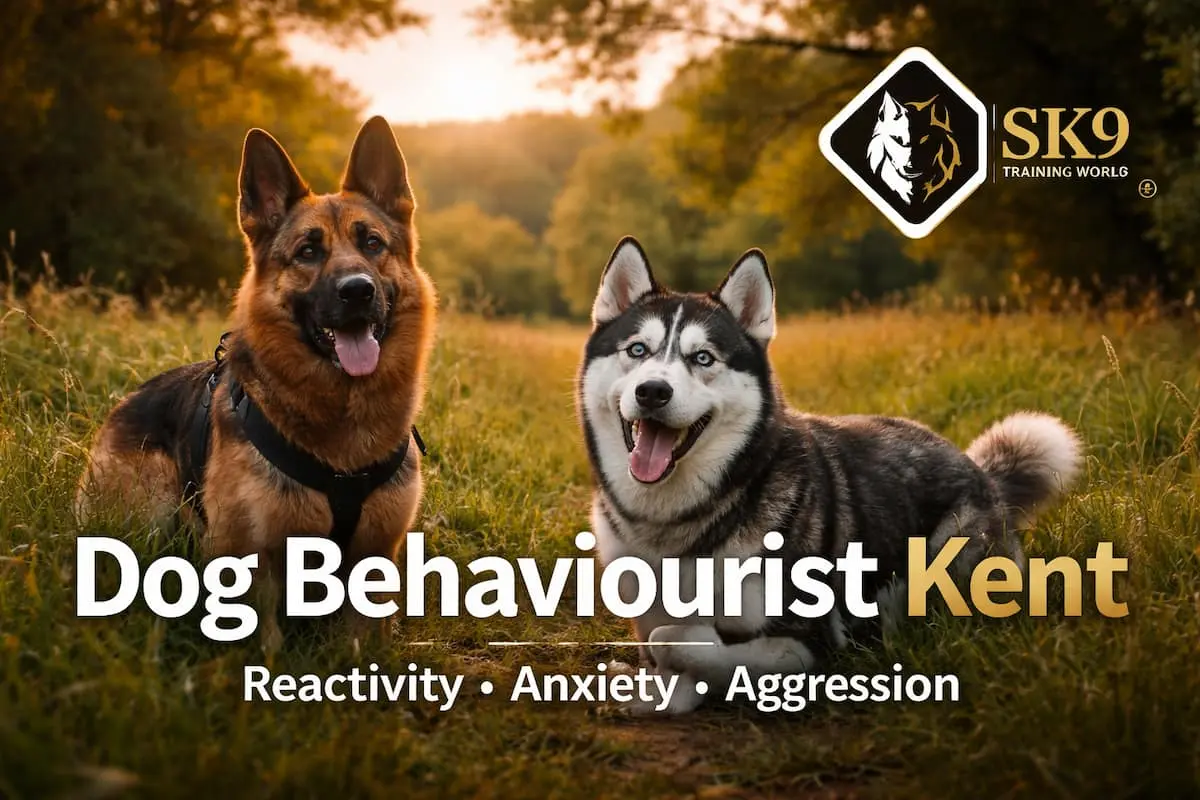
Understanding canine psychology remains a fundamental responsibility for every pet guardian navigating modern domestic life with a companion animal. According to the ASPCA, behavioral issues are among the primary reasons dogs are relinquished to shelters, highlighting the critical need for accessible, science-based intervention strategies. When a household pet displays persistent challenges, recognizing the roots of those actions transforms frustration into constructive progress. Professional support helps bridge the communication gap between human expectations and natural canine instincts.
💡 Pet Care Key Takeaways:
- Core Focus: Practical health, nutrition, and wellness guidelines for Dog Behaviorist Kent.
- Target Scope: Pet owners, animal caregivers, and veterinary support staff.
- Best Recommendation: Maintain consistent daily routines and consult an accredited veterinarian before introducing major diet or medical changes.
Understanding What a Dog Behaviorist in Kent Offers
A qualified dog behaviorist in Kent evaluates complex psychological patterns, environmental triggers, and emotional responses to formulate targeted intervention plans. Unlike basic obedience instructors who focus primarily on command execution, certified behaviorists specialize in diagnosing clinical issues such as separation anxiety, severe reactivity, compulsive disorders, and deep-seated fears. These specialists hold advanced certifications from recognized organizations like the International Association of Animal Behavior Consultants or maintain veterinary behavioral credentials, ensuring that every recommendation relies on peer-reviewed animal science rather than anecdotal myths. For more related activities, check out our Dog Training Online.
The Impact of Unresolved Behavioral Concerns on Canine Well-Being
Unaddressed behavioral issues frequently create chronic stress that compromises both physical health and overall quality of life for a companion animal. Elevated cortisol levels resulting from chronic fear or environmental frustration can lead to secondary physiological symptoms, digestive sensitivities, and lowered immune function. Early professional intervention prevents minor quirks from escalating into severe psychological distress, fostering a more harmonious environment for the entire household.
Behavioral problems in companion animals are frequently rooted in unmet physical and psychological needs, fear, or medical discomfort rather than spitefulness. — American Veterinary Medical Association
Implementing Evidence-Based Strategies for Behavior Modification
Addressing complex behavioral concerns requires structured, evidence-based methodologies centered on positive reinforcement and systematic desensitization. Systematic desensitization involves gradually exposing a dog to a feared or triggering stimulus at a level well below their threshold of reaction, paired consistently with high-value rewards. Counterconditioning subsequently alters the emotional response, teaching the animal to associate the former trigger with positive outcomes instead of anxiety or aggression.
Best Practices and Common Mistakes in Behavior Modification
Successful behavior modification relies entirely on consistency, patience, and clear communication from every member of the household. A frequent mistake involves rushing the desensitization process, which can inadvertently flood the animal and worsen the underlying emotional response. Avoiding punitive techniques is essential; punishment suppresses warning signs like growling without resolving the root anxiety, thereby increasing the risk of unpredictable reactivity. Maintaining realistic expectations and celebrating small milestones ensures steady, long-term progress during any rehabilitation program.
Positive reinforcement training methods strengthen the human-animal bond and effectively reduce stress-related behavioral responses compared to aversive techniques. — Association of Professional Dog Trainers
Pet Care & Wellness Overview Table
| Life Stage | Daily Activity Level | Key Nutrition / Care Focus |
|---|---|---|
| Puppy / Kitten | High (frequent short bursts) | High-protein growth diet & early socialization |
| Adult Companion | Moderate (30–60 mins daily) | Balanced maintenance nutrition & dental hygiene |
| Senior Pets | Low to Gentle (mindful walks) | Joint support (Glucosamine) & routine vet checks |
Images References





Breed, Age, and Temperament Factors in Behavioral Assessment
Every individual dog processes environmental stimuli differently based on a unique combination of genetic predispositions, developmental history, and personal temperament. Working breeds bred for intense focus or guarding tendencies may require specialized mental outlets to prevent frustration-induced behaviors in domestic settings. Furthermore, senior dogs experiencing cognitive decline often exhibit confusion or sudden anxiety shifts that mimic behavioral disorders, underscoring the necessity of a thorough, individualized evaluation framework.
When to Consult a Veterinary Professional or Certified Behaviorist
Sudden shifts in temperament, unprovoked aggression, or signs of acute distress always warrant prompt veterinary evaluation to rule out underlying medical conditions, pain, or neurological issues. If a dog displays persistent fear, destructive panic when left alone, or dangerous reactivity toward people or other animals, families should immediately seek assistance from a qualified veterinary behaviorist or a certified, force-free professional trainer. Early consultation ensures that safety risks are managed effectively while protecting the emotional welfare of the animal.
Resources and Ongoing Support for Dog Owners
Navigating the complexities of canine behavior is a continuous journey that benefits immensely from trusted, expert-backed resources and community education. Dedicated pet guardians can explore extensive guides covering Dog Behavior, practical Dog Training fundamentals, and essential Dog Care practices to ensure a balanced lifestyle. For further information on keeping companion animals healthy and thriving, visit PetsAnimalsWorld.com for comprehensive insights tailored to responsible pet ownership.