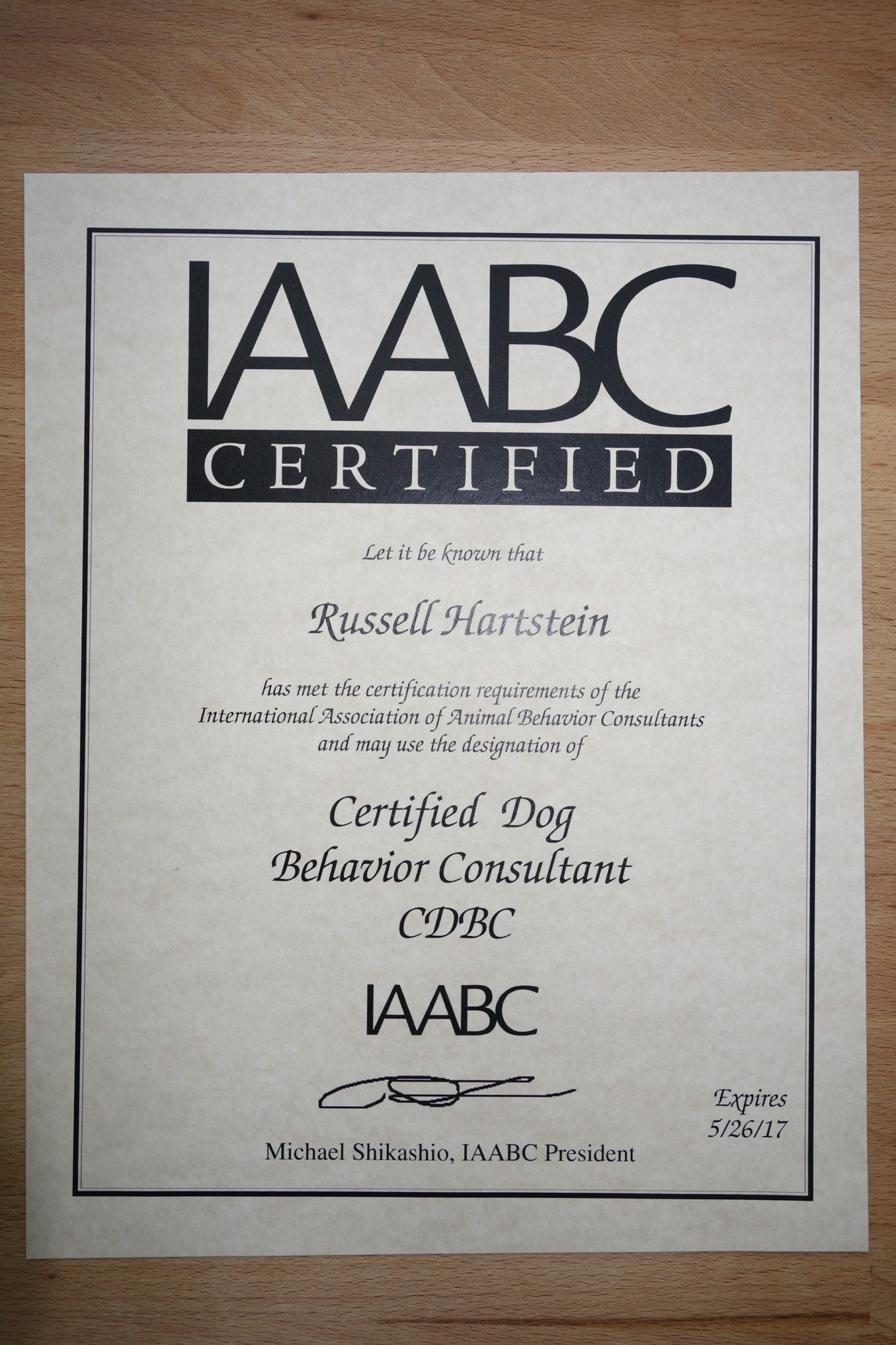
Urban environments present distinct challenges for domestic canines, making the services of a professional dog behaviorist los angeles an essential resource for many pet guardians navigating high-density city life. According to the American Society for Prevention of Cruelty to Animals (ASPCA), behavioral issues remain a primary reason animals are relinquished to shelters, highlighting the critical need for accessible, science-based behavioral guidance. Dogs living in sprawling metropolitan areas encounter constant sensory stimulation, ranging from dense traffic noises and crowded sidewalks to tight living quarters and frequent encounters with unfamiliar people and animals. These environmental pressures can sometimes trigger stress, fear, or reactive responses that standard obedience classes alone may not fully resolve. Understanding how professional behavioral intervention works can help bridge the gap between human expectations and canine well-being, fostering a harmonious coexistence even amidst the bustle of a major city.
💡 Pet Care Key Takeaways:
- Core Focus: Practical health, nutrition, and wellness guidelines for Dog Behaviorist Los Angeles.
- Target Scope: Pet owners, animal caregivers, and veterinary support staff.
- Best Recommendation: Maintain consistent daily routines and consult an accredited veterinarian before introducing major diet or medical changes.
Defining Applied Animal Behavior and Professional Roles
A qualified dog behaviorist los angeles typically refers to a professional who evaluates complex psychological and emotional responses in canines, utilizing scientific principles of learning theory and ethology. Ethology is the scientific study of animal behavior under natural conditions, which helps specialists interpret body language, vocalizations, and stress signals accurately. Unlike basic obedience trainers who primarily focus on teaching commands like sit, stay, or heel, animal behaviorists often address deeper psychological hurdles such as severe separation anxiety, generalized fear, resource guarding, and inter-dog aggression. These specialists look beyond the surface action to identify root causes and emotional triggers, designing structured modification plans that prioritize positive reinforcement and emotional regulation over outdated, intimidation-based methods. Recognizing the boundary between general training and specialized behavioral therapy ensures that families seek the correct level of expertise for intricate psychological concerns. For more related activities, check out our Dog Behaviorist Philadelphia.
The Impact of Environment on Canine Psychology
Environmental stressors heavily influence a dog’s daily comfort, neural chemistry, and overall behavioral stability, particularly within bustling metropolitan landscapes. Chronic exposure to sirens, tight elevator rides, and unpredictable pedestrian traffic can elevate cortisol levels, a primary stress hormone, keeping animals in a constant state of hypervigilance. Over time, sustained physiological stress can manifest as destructive chewing, excessive vocalization, or sudden reactivity toward stimuli that previously caused no concern. Professional intervention addresses these underlying physiological triggers by implementing systematic desensitization and counter-conditioning protocols. Desensitization involves gradual exposure to a trigger at a level that does not elicit a fear response, while counter-conditioning pairs that trigger with a positive outcome, such as high-value food rewards, shifting the emotional valence from negative to neutral or positive.
Behavioral modifications that rely on positive reinforcement consistently yield safer, more enduring outcomes for managing fear and anxiety compared to punitive methods. — American Veterinary Medical Association
Implementing Evidence-Based Behavior Modification Strategies
Addressing complex behavioral concerns requires patience, consistency, and a structured strategy tailored to the individual animal’s thresholds and learning pace. A comprehensive behavioral plan starts with a thorough diagnostic assessment, often conducted in the dog’s natural home environment to observe authentic baseline habits. Specialists collaborate closely with guardians to manage the environment, preventing exposure to triggers while the dog learns alternative coping mechanisms. Management strategies might include blocking window views to reduce barrier frustration or utilizing puzzle toys to provide mental stimulation indoors. Every phase of the program emphasizes humane techniques that protect the emotional bond between the guardian and the companion animal, avoiding any use of dominance theories or fear-inducing corrections that might exacerbate underlying anxiety.
Best Practices and Common Pitfalls in Behavior Modification
Achieving meaningful progress requires avoiding frequent pitfalls, such as rushing exposure milestones or relying on inconsistent household rules. Consistency among all human members of a household is vital; mixed signals regarding boundaries or rewards can confuse a learning animal and stall progress. Another frequent misstep is punishing a dog for growling or displaying discomfort. Suppressing a warning signal like a growl removes a crucial communication tool, potentially leading to unpredictable reactions without warning. Instead, guardians should view growling as valuable information indicating the animal has reached its comfort threshold, signaling a need to increase distance from the stressor safely. Emphasizing clear communication, environmental management, and celebrating small victories creates a steady foundation for long-term behavioral health.
Providing adequate mental enrichment through scent games and problem-solving activities significantly reduces stress-related problem behaviors in companion animals. — Association of Professional Dog Trainers
Pet Care & Wellness Overview Table
| Life Stage | Daily Activity Level | Key Nutrition / Care Focus |
|---|---|---|
| Puppy / Kitten | High (frequent short bursts) | High-protein growth diet & early socialization |
| Adult Companion | Moderate (30–60 mins daily) | Balanced maintenance nutrition & dental hygiene |
| Senior Pets | Low to Gentle (mindful walks) | Joint support (Glucosamine) & routine vet checks |
Images References





Breed, Age, and Temperament Considerations in Urban Settings
Individual characteristics such as breed heritage, developmental life stage, and innate temperament heavily influence how a dog processes urban stimuli. Working and herding breeds, for instance, often possess high drive levels and intense mental stimulation requirements that may not align naturally with a sedentary apartment lifestyle unless specifically channeled. Conversely, senior dogs experiencing cognitive decline may display sudden confusion, pacing, or house-soiling that mimics behavioral issues but stems from underlying geriatric health changes. A nuanced understanding of these individual variables ensures that behavior modification plans remain realistic and tailored to the specific physical and mental capacities of the dog. Age-appropriate expectations prevent frustration and guide guardians toward providing suitable outlets for their companion’s natural instincts.
When to Consult a Veterinary Professional or Specialist
Persistent behavioral changes, sudden onset aggression, or extreme fear responses warrant prompt consultation with a veterinarian to rule out underlying medical conditions. Pain, neurological disorders, endocrine imbalances, and sensory declines can drastically alter a dog’s demeanor and manifest as behavioral problems. Veterinary professionals can perform comprehensive physical examinations and diagnostic testing to ensure that physical discomfort is not the primary driver of the observed conduct. When medical causes are excluded or managed, partnering with a certified veterinary behaviorist or a qualified professional specializing in evidence-based modification provides the safest path forward. For comprehensive guidance on related topics, explore resources on Dog Behavior, Dog Training, and Dog Health.
Supporting Long-Term Canine Well-Being
Fostering a balanced, confident canine companion in a complex environment requires ongoing commitment, empathy, and an adherence to science-based care principles. By prioritizing emotional safety, mental enrichment, and professional guidance when challenges arise, guardians can significantly enhance their animal’s quality of life. Understanding that behavior is a form of communication allows for a more compassionate approach to problem-solving and strengthens the mutual bond shared between humans and their canine family members. For further insights into optimal pet parenting, visit PetsAnimalsWorld.com and explore additional educational categories covering Dog Care and Dog Nutrition.