

Understanding Canine Psychology in the Heart of England
According to the American Society for Prevention of Cruelty to Animals (ASPCA), behavioral issues remain a primary reason dogs are relinquished to shelters, highlighting the critical need for professional guidance when domestic pets struggle with their environments. Navigating the complexities of canine conduct often requires specialized knowledge that extends far beyond basic obedience commands. For families residing in the East Midlands, searching for a qualified dog behaviorist Leicester professionals offer can bridge the gap between confusion and harmonious coexistence. Domestic dogs frequently experience stress, confusion, or maladaptive responses to modern urban and suburban living conditions. Recognizing these underlying struggles is the first step toward building a trusting, resilient relationship built on scientific principles and compassionate care rather than frustration or coercion.
💡 Pet Care Key Takeaways:
- Core Focus: Practical health, nutrition, and wellness guidelines for Dog Behaviorist Leicester.
- Target Scope: Pet owners, animal caregivers, and veterinary support staff.
- Best Recommendation: Maintain consistent daily routines and consult an accredited veterinarian before introducing major diet or medical changes.
Defining the Role of a Professional Dog Behaviorist in Leicester
A dedicated dog behaviorist in Leicester specializes in assessing, diagnosing, and modifying complex psychological and emotional challenges in companion animals using evidence-informed methodologies. Unlike basic obedience trainers who primarily teach fundamental cues like sit, stay, and heel, a behaviorist evaluates the root causes of distress, such as severe separation anxiety, generalized fear, territorial reactivity, or compulsive habits. This clinical approach relies heavily on applied behavior analysis—the scientific study of learning and environmental influences—to decode why a dog reacts a certain way. Practitioners examine triggers, reinforcement histories, and physiological factors to formulate bespoke modification plans. Through systematic desensitization and counter-conditioning, these specialists help animals learn new emotional responses to previously terrifying or overstimulating stimuli.
The Direct Impact of Behavioral Well-being on Canine Health
Unresolved psychological distress frequently manifests as physiological ailments, making professional behavioral intervention a crucial component of overall Dog Health management. Chronic stress elevates cortisol levels, which can suppress immune function, disrupt gastrointestinal balance, and exacerbate inflammatory skin conditions. Furthermore, persistent panic or frustration can lead to physical self-harm, such as excessive paw licking or tail chasing. When guardians address mental well-being through structured Dog Training and environmental enrichment, both the psychological and physical vitality of the animal improve significantly. Dogs that feel safe and understood exhibit steadier heart rates, better sleep patterns, and improved longevity, proving that mental health and physical fitness are entirely inseparable aspects of veterinary and welfare science.
Behavioral issues often stem from unmet fundamental needs, sensory overload, or underlying medical discomfort rather than simple disobedience or malice. — American Veterinary Medical Association
Implementing Evidence-Informed Modification Strategies Locally
Addressing behavioral hurdles within a domestic setting requires patience, consistency, and strict adherence to humane, science-based protocols that prioritize animal welfare. Owners working with a local professional must avoid punitive, intimidation-based, or dominance-oriented techniques, as punishment frequently escalates fear and suppresses warning signs like growling, potentially leading to sudden, unprovoked biting. Instead, management strategies involve controlling the environment to prevent rehearsal of unwanted actions while rewarding calm, alternative actions. For instance, if an animal reacts aggressively toward passing delivery vehicles, window films and distance management create a safe threshold where positive associations can be gradually built. Every successful protocol is tailored to the specific household dynamic, ensuring that both human and canine family members feel secure throughout the learning process.
Essential Guidelines and Common Pitfalls to Avoid
Consistency and timing serve as the foundation of any successful behavioral modification plan, yet well-meaning owners frequently fall into counterproductive traps. A common mistake involves accidentally reinforcing unwanted behavior by comforting an animal during a panic episode, which can inadvertently validate the fear response. Instead, professionals recommend remaining a calm, neutral anchor while redirecting the animal toward low-intensity activities. Another frequent error is moving too quickly through exposure exercises; flooding an animal with overwhelming stimuli without an escape route intensifies trauma. Maintaining realistic expectations is equally vital, as lasting neurological and emotional changes require weeks or months of steady, incremental progress rather than overnight transformations.
Early socialization and positive exposure during the developmental window significantly reduce the incidence of fear-related reactivity in adult dogs. — American Kennel Club
Pet Care & Wellness Overview Table
| Life Stage | Daily Activity Level | Key Nutrition / Care Focus |
|---|---|---|
| Puppy / Kitten | High (frequent short bursts) | High-protein growth diet & early socialization |
| Adult Companion | Moderate (30–60 mins daily) | Balanced maintenance nutrition & dental hygiene |
| Senior Pets | Low to Gentle (mindful walks) | Joint support (Glucosamine) & routine vet checks |
Images References





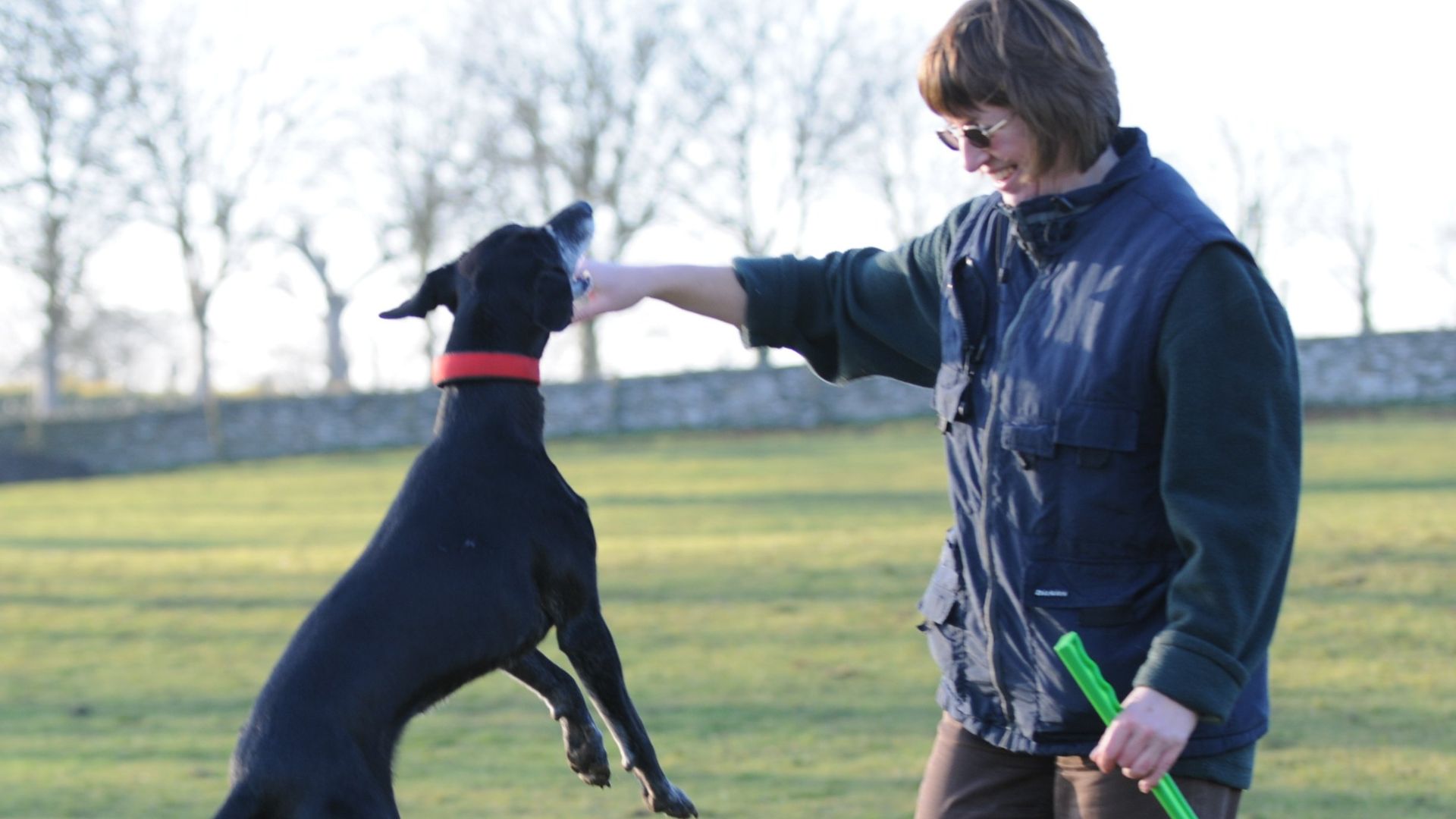


Individual Factors Influencing Canine Conduct and Temperament
Every individual animal possesses a unique genetic blueprint, life history, and sensitivity level that shapes how they interpret the world around them. Exploring diverse Dog Breeds reveals distinct historical working traits—such as herding instincts, guarding tendencies, or high prey drives—that can heavily influence modern domestic conduct if left unmanaged. Age and physical development also play pivotal roles; adolescent dogs experience hormonal surges that frequently mimic regression in training, while senior animals may experience cognitive dysfunction syndrome or joint pain that alters their patience and reactivity thresholds. Recognizing these intrinsic biological factors prevents unrealistic expectations and allows guardians to tailor their management strategies to suit the exact biological reality of their companion.
When to Seek Veterinary Guidance and Professional Intervention
Any sudden shift in conduct, house-training lapses, or unexplained vocalization warrants an immediate physical examination by a licensed veterinarian to rule out hidden medical pain or neurological disease. When behavioral manifestations involve severe aggression, biting, self-mutilation, or extreme panic that disrupts household safety, owners should promptly seek a referral to a clinical animal behaviorist or a veterinary behaviorist holding accredited credentials. For comprehensive guidance on daily Dog Care routines that support emotional stability, consulting structured resources ensures that basic welfare standards are consistently met alongside specialized modification plans.
Building a Balanced Partnership Through Expert Guidance
Embracing professional behavioral support transforms domestic challenges into opportunities for deeper mutual understanding and long-term companionship. By prioritizing humane, scientific methods and respecting the intrinsic needs of the animal, households can cultivate a peaceful environment where both humans and dogs thrive. Discover more expert resources, insightful guides, and practical advice across PetsAnimalsWorld.com to ensure your canine companion enjoys a healthy, balanced, and fulfilling life.




