
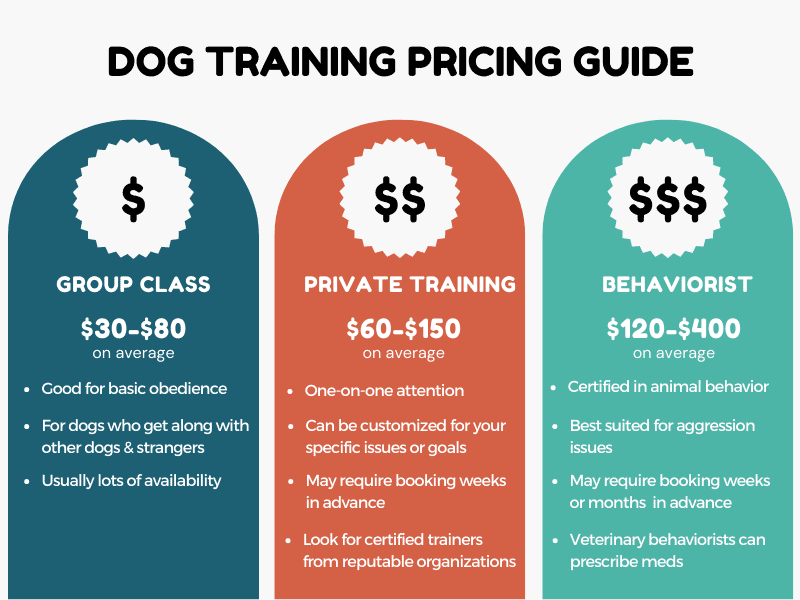
Understanding the Financial Investment in Professional Canine Guidance
Navigating the financial landscape of professional animal behavior services requires an understanding of what factors influence the costs of hiring a specialist. According to the American Society for the Prevention of Cruelty to Animals (ASPCA), behavioral issues are among the primary reasons dogs are relinquished to shelters, making early and effective intervention vital for keeping pets in loving homes. When households search for dog behaviorist near me prices, they typically encounter a wide range of rates influenced by geography, credentials, and the specific nature of the behavioral challenges being addressed. Investing in professional support helps bridge the communication gap between humans and canines, fostering a harmonious living environment.
💡 Pet Care Key Takeaways:
- Core Focus: Practical health, nutrition, and wellness guidelines for Dog Behaviorist Near Me Prices.
- Target Scope: Pet owners, animal caregivers, and veterinary support staff.
- Best Recommendation: Maintain consistent daily routines and consult an accredited veterinarian before introducing major diet or medical changes.
Defining the Scope and Cost Structure of Behavioral Consultations
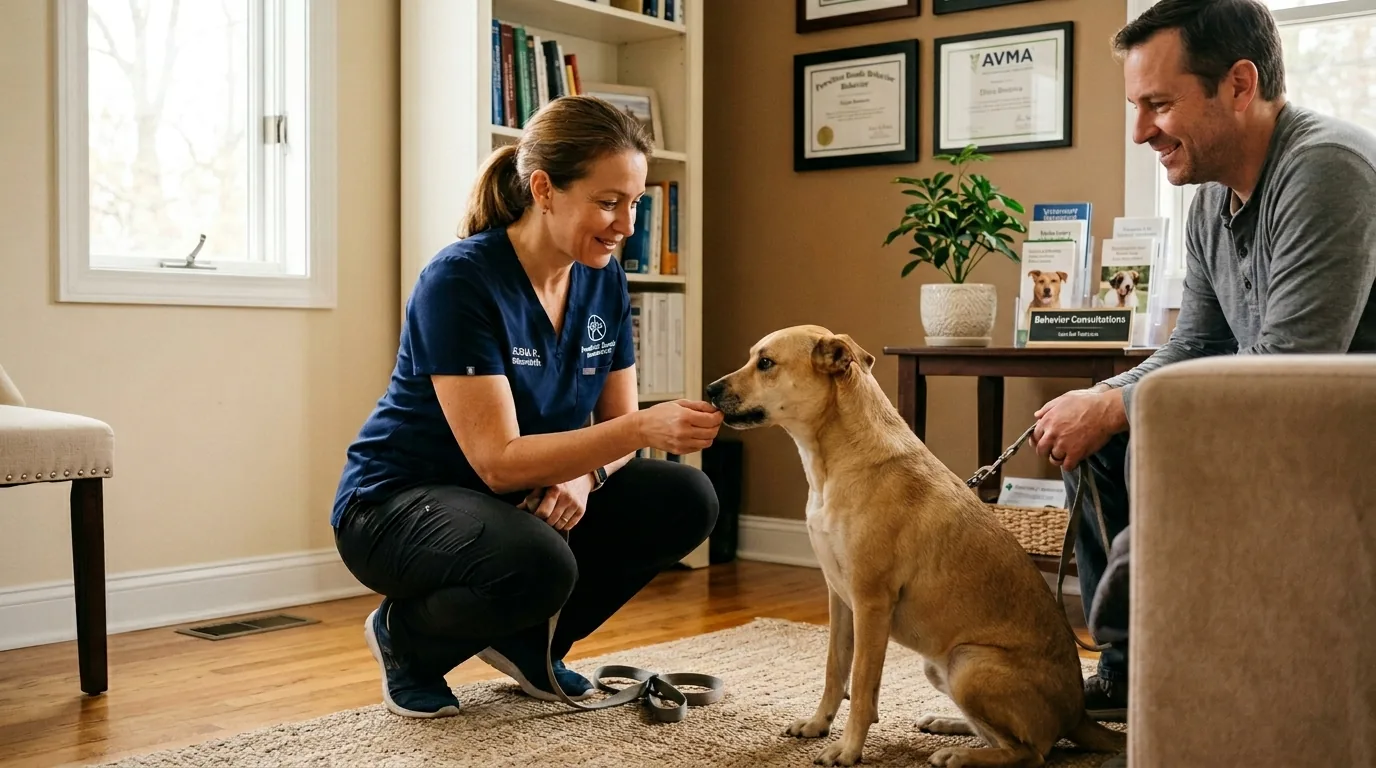
Dog behaviorist near me prices refer to the fees charged by certified animal behavior professionals for diagnosing and treating complex psychological and behavioral concerns in dogs. Unlike basic obedience trainers who focus on fundamental cues like sit, stay, and loose-leash walking, applied animal behaviorists and board-certified veterinary behaviorists address deep-seated issues such as severe separation anxiety, generalized fear, compulsive disorders, and inter-dog aggression. These specialists utilize evidence-based techniques rooted in learning theory and positive reinforcement to modify emotional responses. Because of the advanced education, clinical hours, and specialized certifications required, the financial investment for these specialized services generally exceeds standard obedience class tuition. For more related activities, check out our Dog Unpredictable Behavior.
The Impact of Behavioral Issues on Overall Canine Well-Being
Untreated behavioral problems can significantly compromise a dog’s psychological state and physical health by sustaining chronic, low-grade stress or acute panic responses. When a canine experiences persistent fear or frustration, the body undergoes prolonged activation of stress hormones like cortisol and adrenaline, which can eventually impact immune function and overall vitality. Addressing these concerns through qualified behavioral intervention not only restores peace to the household but also dramatically improves the animal’s quality of life. Owners frequently notice that once a trigger is properly managed and the dog learns coping mechanisms, the animal appears visibly more relaxed and confident during daily routines.
Chronic behavioral stress in companion animals can elevate baseline cortisol levels, which negatively impacts immune response, emotional regulation, and overall physiological health over time. — American Veterinary Medical Association
Evaluating dog behaviorist near me prices involves looking past the initial hourly fee to examine the structure of the services offered, such as comprehensive initial assessments versus follow-up support packages. Initial consultations often command higher rates because they require an extensive review of the dog’s medical history, environmental triggers, daily schedule, and detailed video or in-person observations. Following the initial evaluation, practitioners usually recommend customized behavior modification plans tailored to the specific household. To ensure the highest standard of care, owners should verify professional credentials, looking for certifications such as Certified Applied Animal Behaviorist (CAAB) or Diplomate of the American College of Veterinary Behaviorists (DACVB), which guarantee rigorous scientific training and humane methodologies.
Best Practices and Cost-Effective Strategies for Behavior Modification
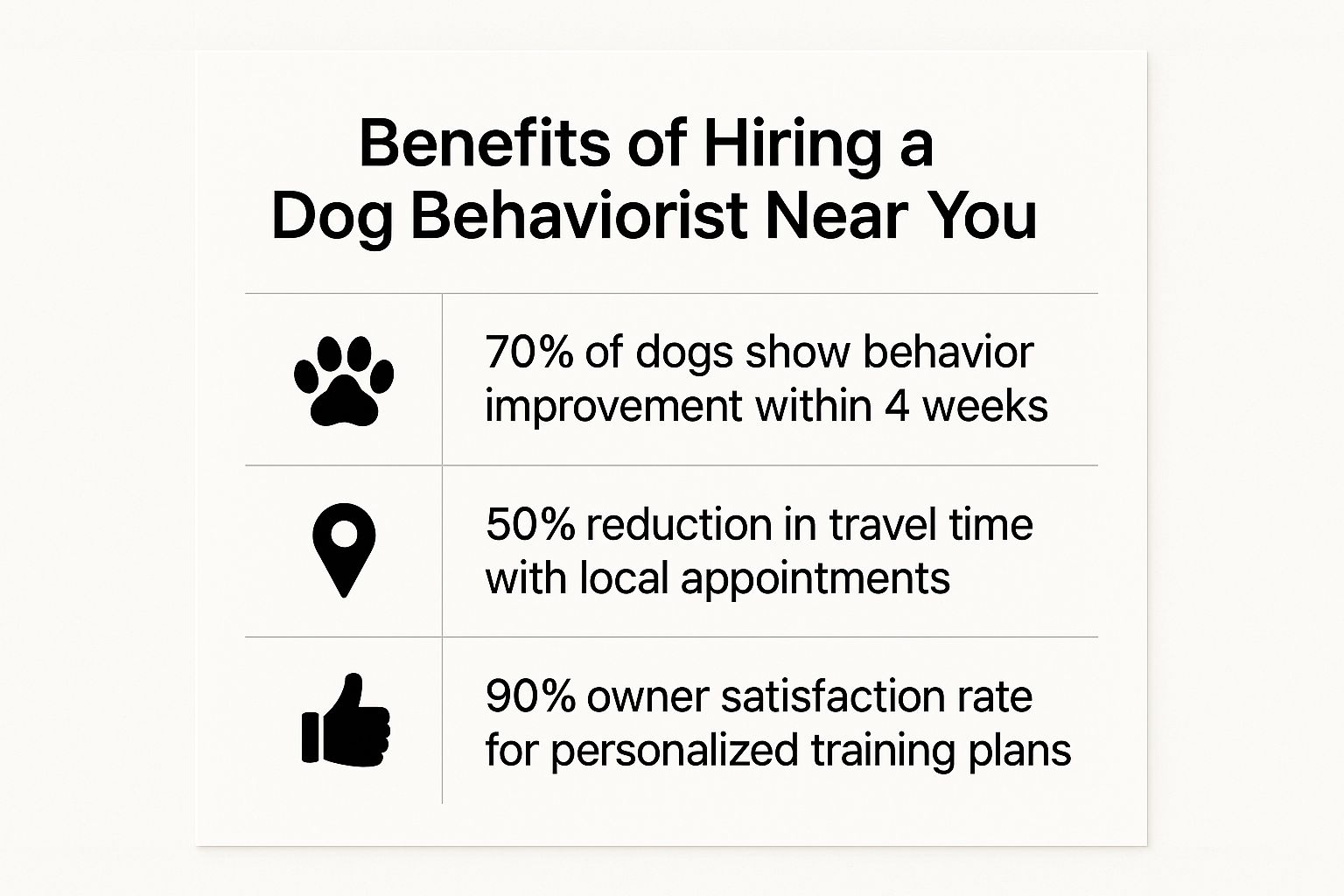
Maximizing the value of behavioral consultations requires consistency, patience, and strict adherence to the professional guidance provided during sessions. A common pitfall is expecting overnight transformations; true behavior modification relies on gradual desensitization and counter-conditioning, which rewires how a dog perceives and reacts to environmental triggers. Owners should carefully document progress, maintain open communication with the specialist, and avoid punitive or dominance-based techniques that can exacerbate fear and worsen aggressive tendencies. Budgeting for follow-up sessions from the outset prevents abrupt discontinuation of training programs, ensuring that the behavioral plan reaches a successful and stable conclusion.
Evidence-based behavior modification relies on positive reinforcement and systematic desensitization rather than intimidation, ensuring long-term behavioral stability without compromising animal welfare. — Association of Professional Dog Trainers
Pet Care & Wellness Overview Table
| Life Stage | Daily Activity Level | Key Nutrition / Care Focus |
|---|---|---|
| Puppy / Kitten | High (frequent short bursts) | High-protein growth diet & early socialization |
| Adult Companion | Moderate (30–60 mins daily) | Balanced maintenance nutrition & dental hygiene |
| Senior Pets | Low to Gentle (mindful walks) | Joint support (Glucosamine) & routine vet checks |
Images References




Breed, Age, and Developmental Influences on Behavioral Care
The complexity and duration of behavior modification programs often vary depending on the dog’s breed predispositions, age, and individual temperament. Working and herding breeds, for instance, possess high innate drives that can manifest as reactivity or obsessive behaviors if their mental and physical stimulation needs are unmet. Similarly, adolescent dogs navigate significant hormonal and neurological shifts that can temporarily challenge previously established training foundations. Older dogs may develop age-related cognitive decline, which closely mimics anxiety or disorientation and requires specialized veterinary management rather than standard obedience protocols. Recognizing these intrinsic factors helps set realistic expectations for both the timeline and the overall financial scope of the intervention.
When to Consult a Veterinary Professional or Certified Behaviorist
Professional guidance should be sought immediately if a dog exhibits sudden behavioral shifts, escalating aggression, severe self-injury, or panic responses that pose risks to human or animal safety. Medical conditions frequently underlie or exacerbate behavioral issues; for example, painful orthopedic conditions like arthritis can cause a previously gentle dog to snap when touched. Therefore, an initial veterinary examination is a crucial prerequisite to rule out underlying physiological discomfort before initiating a behavior modification program. For severe phobias, compulsive disorders, or dangerous aggression, consulting a veterinary behaviorist ensures that both behavioral therapies and, when necessary, supportive pharmaceutical interventions are administered safely and effectively.
Closing Resources and Further Reading
Understanding the costs associated with behavioral therapy is a proactive step toward ensuring a safe, happy life for a canine companion. For additional guidance on maintaining your pet’s well-being, explore our resources on Dog Behavior, Dog Training, Dog Health, and Dog Care. Visit PetsAnimalsWorld.com for more expert advice on responsible pet ownership and specialized animal care guidance.


