Navigating the complex world of canine mental health requires a clear understanding of who holds the right expertise to help a struggling pet. According to the American Society for the Prevention of Cruelty to Animals, identifying knowledgeable professionals is vital because unregulated titles can lead to confusion and ineffective methods. For households dealing with complex fear, anxiety, or reactivity, knowing what credentials to look for transforms an overwhelming search into an informed decision. Dog behaviorist qualifications serve as a roadmap for pet owners seeking safe, evidence-based guidance.
💡 Pet Care Key Takeaways:
- Core Focus: Practical health, nutrition, and wellness guidelines for Dog Behaviorist Qualifications.
- Target Scope: Pet owners, animal caregivers, and veterinary support staff.
- Best Recommendation: Maintain consistent daily routines and consult an accredited veterinarian before introducing major diet or medical changes.
Unlike medical doctors, the professional title of dog behaviorist is largely unregulated in many regions, meaning anyone can technically use the label without formal training. This regulatory gap makes evaluating professional credentials an essential step for every owner. True competence in this field involves a deep understanding of ethology, learning theory, and humane intervention strategies. Establishing clear standards helps protect animals from outdated, punitive training methods that rely on intimidation or discomfort.
Defining Credible Dog Behaviorist Qualifications and Professional Titles
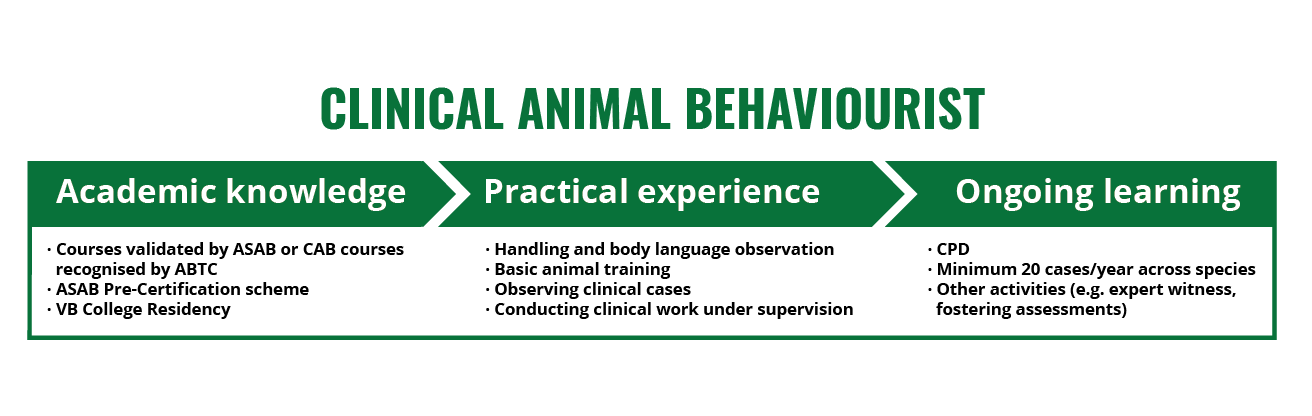
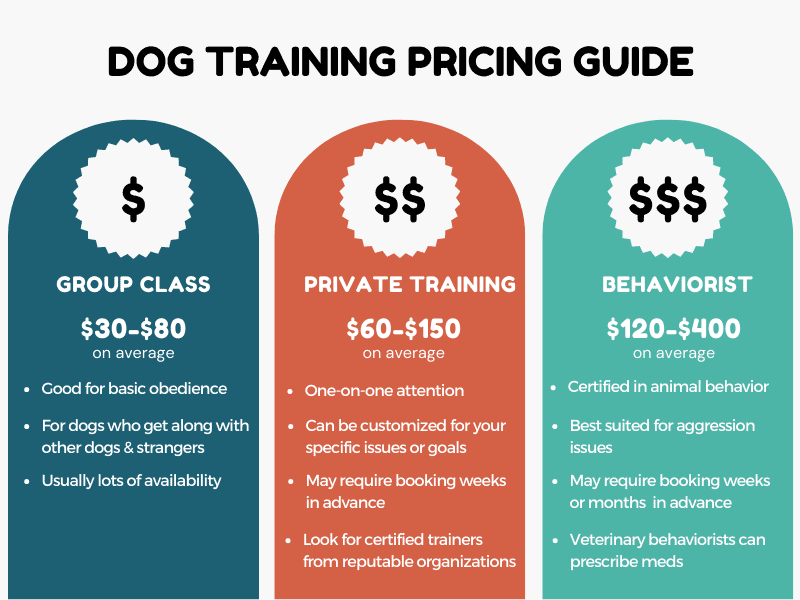
Dog behaviorist qualifications refer to the specific educational backgrounds, rigorous certifications, and clinical hours required to safely modify canine conduct. In professional settings, experts generally fall into distinct categories based on their training. Certified Applied Animal Behaviorists hold advanced university degrees, such as a master’s or doctorate, in zoology, biology, or psychology, alongside extensive supervised fieldwork. Meanwhile, board-certified veterinary behaviorists are licensed veterinarians who have completed intensive residencies to earn diplomate status, allowing them to diagnose medical root causes of behavior and prescribe pharmaceutical support when necessary.
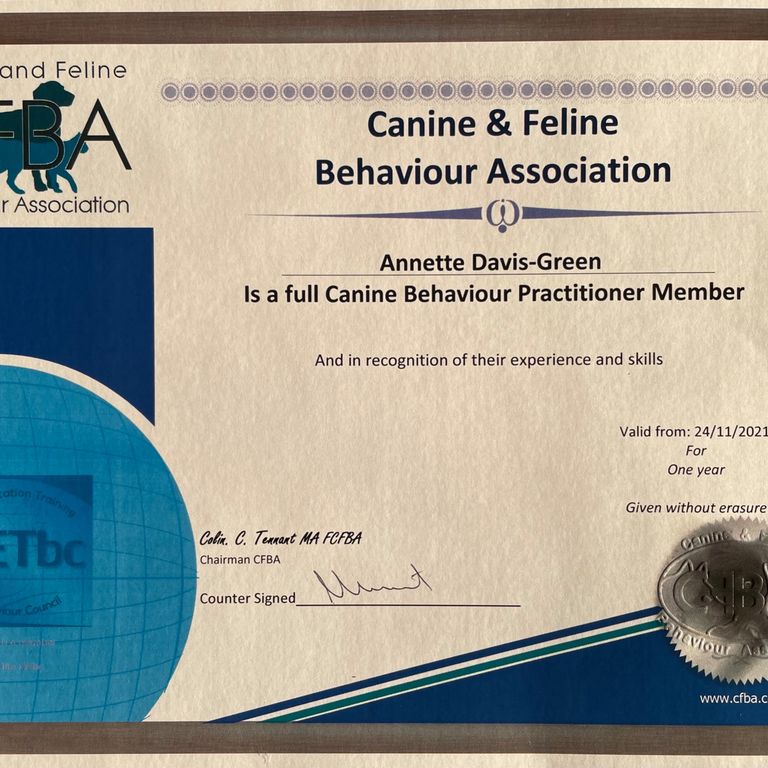
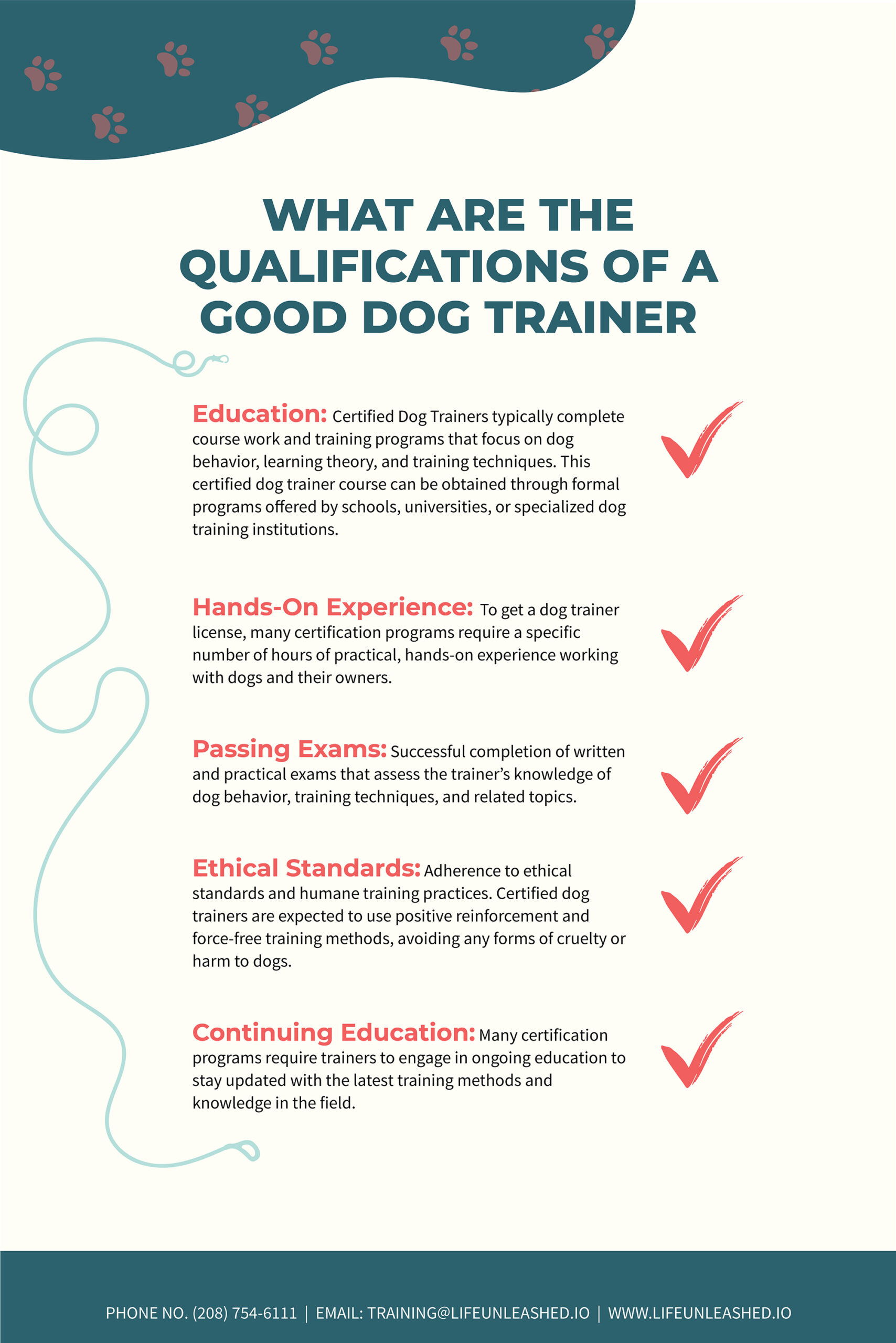
Below these academic tiers exist professional dog trainers who hold specialized behavior certifications, such as those administered by the Certification Council for Professional Dog Trainers or the International Association of Animal Behavior Consultants. These credentials require passing comprehensive examinations, committing to continuing education, and adhering to strict ethical codes. When individuals watch a dog abruptly freeze, tuck its tail, or display sudden stiff body postures during a training session, a qualified professional recognizes these subtle stress signals immediately. Such expert observation prevents escalation and ensures the emotional safety of the animal.
The Impact of Qualified Behavioral Interventions on Canine Well-Being
Enlisting a properly credentialed expert directly influences a dog’s long-term psychological stability and physical safety. Unqualified practitioners often rely on dominance-based techniques or outdated theories of leadership, which consistently worsen fear and can escalate reactive responses into dangerous aggression. Conversely, evidence-informed behaviorists utilize systematic desensitization and counter-conditioning—processes that gradually change an animal’s emotional response to a trigger through positive reinforcement. This humane approach protects the human-animal bond and reduces the risk of relinquishment.
Behavioral issues are a primary reason dogs are relinquished to shelters, making early intervention by qualified professionals essential for keeping pets in loving homes. — American Society for the Prevention of Cruelty to Animals
Furthermore, untreated behavioral concerns frequently mask underlying medical conditions. Chronic pain from arthritis, neurological disorders, or endocrine imbalances can drastically alter a dog’s disposition. A qualified behaviorist with veterinary collaboration recognizes these medical overlaps, ensuring that the animal receives comprehensive care rather than simple obedience drills that fail to address physiological discomfort.
Evaluating and Verifying Professional Credentials
Researching professional backgrounds requires looking past impressive marketing claims to verify independent board certifications and hands-on experience. Owners should ask specific questions about continuing education credits, professional organization memberships, and adherence to humane, science-based training codes. Transparency regarding methodology is a hallmark of a reputable practitioner. If an expert hesitates to explain their intervention techniques or promotes punishment-based gear, that hesitation signals a need to look elsewhere.
Best Practices and Common Pitfalls in Selecting a Behavior Professional
Choosing the right specialist involves avoiding common traps, such as accepting guarantees of quick fixes or behavioral perfection. Genuine behavioral modification is a gradual process that requires patience, consistency, and environmental management. Owners should also verify whether a practitioner carries professional liability insurance and participates in peer-reviewed continuing education. A commitment to lifelong learning ensures that the expert stays current with evolving scientific research regarding canine cognition and emotional health.
Certified behavior consultants must complete rigorous continuing education requirements to maintain their credentials and stay aligned with modern animal science. — Certification Council for Professional Dog Trainers
Pet Care & Wellness Overview Table
| Life Stage | Daily Activity Level | Key Nutrition / Care Focus |
|---|---|---|
| Puppy / Kitten | High (frequent short bursts) | High-protein growth diet & early socialization |
| Adult Companion | Moderate (30–60 mins daily) | Balanced maintenance nutrition & dental hygiene |
| Senior Pets | Low to Gentle (mindful walks) | Joint support (Glucosamine) & routine vet checks |
Images References



Another critical practice involves requesting references or reviewing case studies from peers within the veterinary community. Local veterinarians often maintain trusted referral networks and can guide owners toward professionals who respect medical boundaries and prioritize animal welfare. Building a collaborative team between the owner, veterinarian, and behavior specialist yields the most reliable outcomes for the pet.
Individual Considerations for Age, Breed, and Temperament
Every dog brings a unique combination of genetics, life experiences, and developmental milestones to the behavior modification process. Working-line heritage breeds, adolescent dogs experiencing hormonal shifts, and senior canines undergoing cognitive decline all require specialized approaches tailored to their life stage. A qualified professional recognizes that a generalized training template rarely succeeds across diverse populations. For instance, addressing separation anxiety in a young rescue hound demands a vastly different protocol than managing defensive behavior in an aging guardian breed.
Understanding these nuances prevents unrealistic expectations and keeps training sessions productive. Tailoring the intervention strategy to match the individual dog’s physical limitations and sensory capacities ensures that the animal remains confident and engaged throughout the learning process. Comprehensive guidance on these topics is available through dedicated resources on Dog Behavior and specific breed traits found in Dog Breeds.
When to Consult a Veterinary Professional or Specialist
Immediate professional consultation is warranted when behavioral changes appear suddenly, or when actions pose an immediate safety risk to household members or other animals. Sudden onset aggression, repetitive compulsive habits, or severe panic responses often indicate underlying medical distress or acute neurological shifts that require veterinary evaluation. Exploring foundational wellness practices through Dog Health and general oversight via Dog Care can help owners catch subtle warning signs before they escalate into crisis situations.
For persistent, severe behavioral challenges, seeking out a board-certified veterinary behaviorist or a certified applied animal behaviorist provides the highest level of specialized support. These experts work in tandem with primary care veterinarians to design holistic treatment plans that honor the emotional and physical needs of the dog.
Conclusion
Securing appropriate guidance for a struggling canine companion relies heavily on understanding and verifying professional qualifications. By prioritizing evidence-based methods, humane handling, and accredited certifications, owners safeguard their pets’ emotional and physical health. Exploring further educational resources across Dog Training and other sections of PetsAnimalsWorld.com empowers every pet guardian to foster a safe, trusting environment where dogs can thrive.