

Understanding Canine Conduct and Professional Support in Norwich
Addressing complex canine challenges requires specialized expertise, particularly when households encounter persistent difficulties that extend beyond basic obedience. According to the American Society for Prevention of Cruelty to Animals (ASPCA), behavioral issues remain a primary reason for relinquishment, highlighting the critical need for qualified guidance. Seeking a qualified dog behaviorist norwich can provide structured, humane solutions for animals exhibiting significant stress, reactivity, or confusion within domestic environments. Navigating these challenges effectively involves understanding canine psychology, environmental triggers, and the scientific principles of learning theory.
💡 Pet Care Key Takeaways:
- Core Focus: Practical health, nutrition, and wellness guidelines for Dog Behaviorist Norwich.
- Target Scope: Pet owners, animal caregivers, and veterinary support staff.
- Best Recommendation: Maintain consistent daily routines and consult an accredited veterinarian before introducing major diet or medical changes.
Defining the Role of a Professional Dog Behaviorist in Norwich
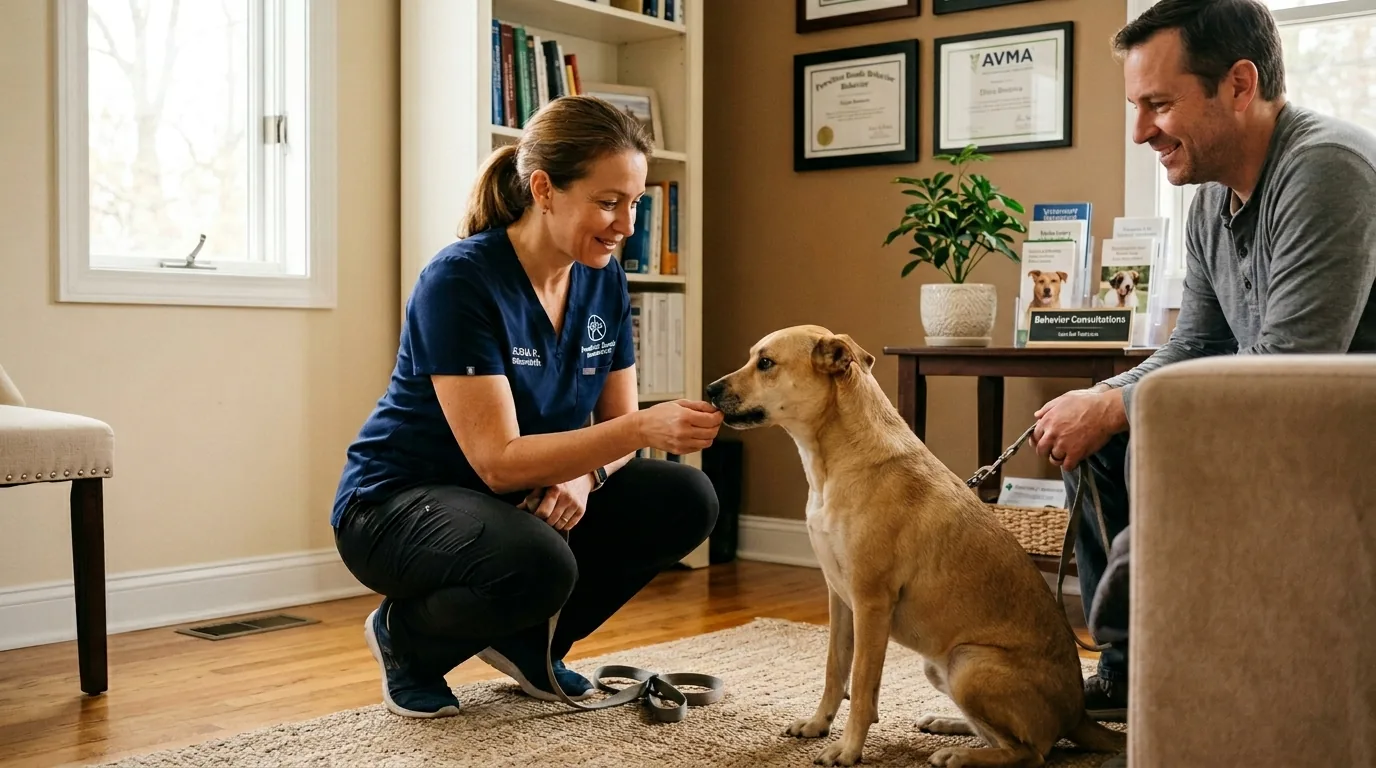
A professional dog behaviorist evaluates abnormal, extreme, or persistent behavioral concerns by examining the root causes of an animal’s actions rather than merely suppressing surface-level symptoms. Unlike standard trainers who primarily teach basic cues like sit or stay, a behaviorist investigates underlying emotional states such as chronic fear, separation distress, or impulse control deficits. Practitioners utilizing the services of a dog behaviorist norwich typically rely on applied animal behavior science, which emphasizes positive reinforcement, desensitization, and counter-conditioning. These methods ensure that modifications are achieved without inflicting fear, pain, or intimidation.
The Impact of Behavioral Health on Daily Canine Welfare
Unresolved behavioral distress significantly diminishes a dog’s overall quality of life and places considerable strain on the human-animal bond. Chronic anxiety can trigger physiological responses, including elevated cortisol levels, disrupted sleep patterns, and compromised immune function, making early intervention essential for long-term health. Furthermore, dogs experiencing untreated fear or aggression may display sudden reactive episodes that pose safety risks to household members and visitors alike. Comprehensive support through Dog Behavior resources helps bridge the gap between emotional distress and domestic harmony.
Behavioral modifications that incorporate positive reinforcement consistently demonstrate higher long-term success rates in reducing canine reactivity compared to aversive training methods. — American Veterinary Medical Association
Implementing Effective Behavior Modification Strategies Locally
Successful modification plans require meticulous management of the dog’s daily environment to prevent rehearsal of unwanted actions while new coping mechanisms are established. Caregivers collaborating with a dog behaviorist norwich often begin by identifying specific environmental triggers, such as passing vehicles, loud noises, or unfamiliar visitors, and subsequently establishing safe operating distances. Systematic desensitization—gradually exposing the dog to a stimulus at a level below their reaction threshold—is paired with high-value rewards to alter emotional responses positively. Engagement with structured Dog Training initiatives further reinforces these concepts through consistent, clear communication.
Best Practices and Pitfalls to Avoid During Rehabilitation
Consistency, patience, and clear observation form the bedrock of sustainable behavioral change, while rushing the process often leads to regression. A frequent mistake involves exposing a reactive or fearful dog to overwhelming scenarios under the assumption that the animal will simply get used to it. Instead, flooding the nervous system exacerbates panic and intensifies defensive reactions. Utilizing proper Dog Care protocols ensures that physical health needs are fully met, minimizing any underlying discomfort that might amplify behavioral difficulties.
Medical conditions, ranging from dental pain to neurological disorders, frequently underlie sudden shifts in canine temperament and must be evaluated alongside behavioral interventions. — American Kennel Club
Pet Care & Wellness Overview Table
| Life Stage | Daily Activity Level | Key Nutrition / Care Focus |
|---|---|---|
| Puppy / Kitten | High (frequent short bursts) | High-protein growth diet & early socialization |
| Adult Companion | Moderate (30–60 mins daily) | Balanced maintenance nutrition & dental hygiene |
| Senior Pets | Low to Gentle (mindful walks) | Joint support (Glucosamine) & routine vet checks |
Images References




Individual Variations Across Breeds, Ages, and Temperaments
Every dog processes environmental stimuli differently based on genetic predispositions, socialization history, and life stage development. Working breeds might exhibit intense herding or guarding instincts that manifest as pacing or nuisance nipping if under-stimulated, whereas companion breeds might display severe distress during isolation. Understanding these intrinsic traits ensures that expectations remain realistic and tailored to the specific animal rather than applying a generalized template. Proper attention to Dog Health helps rule out physiological discomfort that frequently mimics behavioral resistance across all ages.
When to Consult a Veterinary Professional or Certified Behaviorist
Immediate professional consultation is warranted whenever a dog displays unprovoked aggression, severe self-mutilation, continuous destructive panic, or sudden personality shifts. Because physical illness and pain are primary catalysts for abrupt behavioral changes, an initial veterinary examination is essential to rule out underlying medical pathologies before beginning behavioral modification. For persistent fear, anxiety, or bite histories, partnering with a certified applied animal behaviorist or a veterinary behaviorist ensures that intervention plans are both safe and scientifically sound.
Securing Professional Guidance for Long-Term Harmony
Navigating complex canine conduct requires patience, dedication, and access to accurate, science-based educational materials. Utilizing professional support networks within the community allows owners to foster resilient, well-adjusted companions capable of navigating everyday environments with confidence. Explore further educational insights, specialized guides, and expert recommendations directly on PetsAnimalsWorld.com to deepen understanding of optimal companion animal management.




