

Understanding Canine Behavioral Needs in the Beehive State
According to the American Society for Prevention of Cruelty to Animals (ASPCA), behavioral issues remain a primary reason domestic dogs are relinquished or rehomed, making early recognition and proper guidance essential for lasting household harmony. Navigating unique geographical environments, ranging from expansive mountain trails to bustling suburban neighborhoods in Utah, introduces distinct lifestyle factors that influence canine conduct. Environmental changes, high-altitude living, shifting seasonal climates, and exposure to abundant local wildlife can significantly alter routine patterns and stress levels in domestic canines. Addressing these challenges requires a comprehensive understanding of animal psychology, learning theory, and humane, science-backed intervention methods that prioritize the mental well-being of the animal.
💡 Pet Care Key Takeaways:
- Core Focus: Practical health, nutrition, and wellness guidelines for Dog Behaviorist Utah.
- Target Scope: Pet owners, animal caregivers, and veterinary support staff.
- Best Recommendation: Maintain consistent daily routines and consult an accredited veterinarian before introducing major diet or medical changes.
Defining Professional Behavioral Consulting in Utah
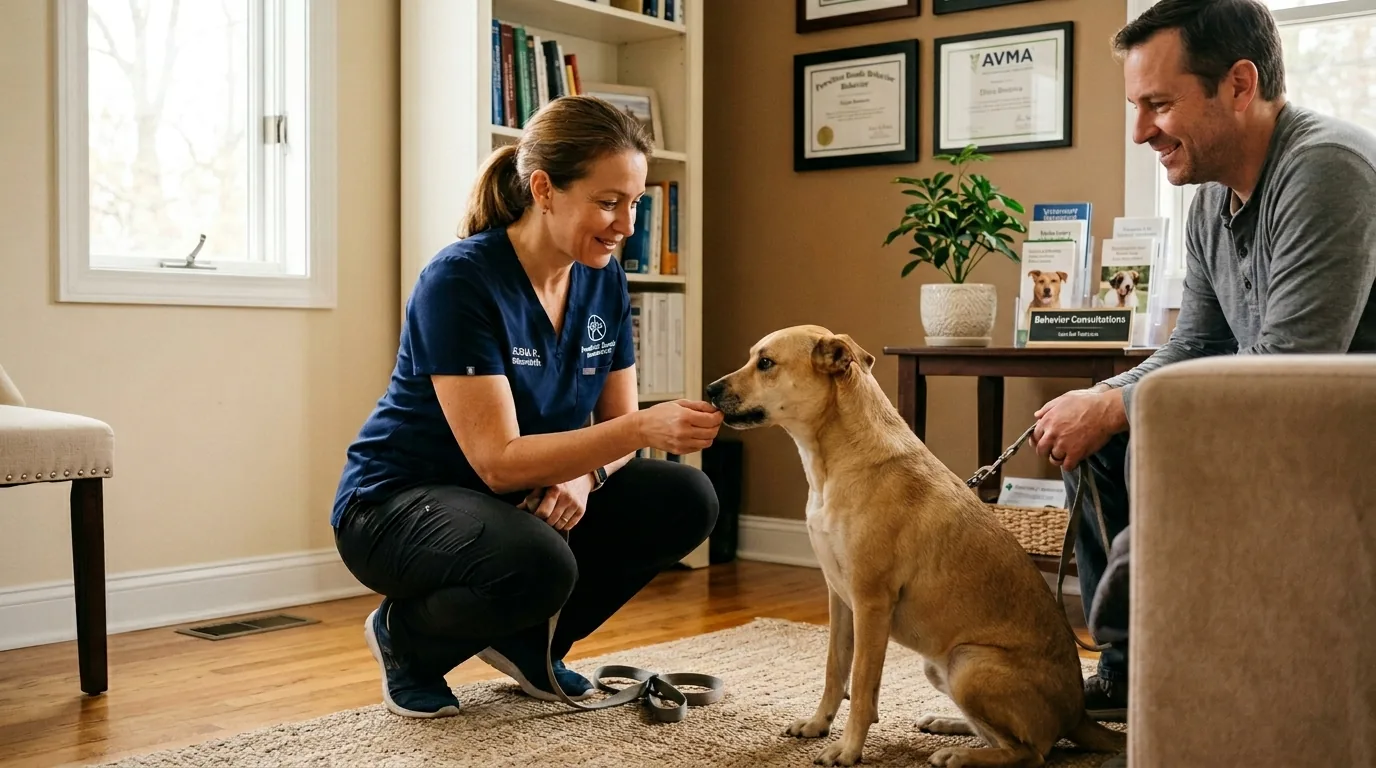
A qualified dog behaviorist utah specialist focuses on diagnosing and modifying complex psychological and emotional conditions in domestic canines, such as severe anxiety, compulsive tendencies, and persistent aggression. Unlike basic obedience instructors who teach standard commands like sit, stay, and heel, certified behaviorists analyze the underlying emotional triggers driving unwanted actions. These professionals typically hold advanced certifications through recognized organizations, such as the International Association of Animal Behavior Consultants (IAABC) or the Certification Council for Professional Dog Trainers (CCPDT). By employing applied behavior analysis, practitioners evaluate environmental antecedents, behavioral consequences, and physiological health status to create individualized modification plans tailored to the specific needs of each canine patient. For more related activities, check out our Dog Behaviorist Philadelphia.
The Connection Between Physical Health and Behavioral Changes
Underlying medical conditions frequently manifest as sudden shifts in temperament, making thorough veterinary screening a mandatory first step in any comprehensive behavioral modification plan. Chronic pain conditions like osteoarthritis, neurological disorders, endocrine imbalances such as hypothyroidism, and sensory declines in vision or hearing can drastically lower a dog’s tolerance threshold and increase reactivity. When physical discomfort goes unnoticed, standard training approaches often fail because the root physiological stressor remains unaddressed. Collaborating closely with licensed veterinary professionals ensures that any medical contributor is diagnosed and treated appropriately alongside behavioral intervention.
Behavioral changes in companion animals frequently serve as the primary clinical indicator of underlying medical pain, systemic illness, or neurological discomfort. — American Veterinary Medical Association
Implementing Humane, Science-Based Modification Strategies
Successful behavioral modification relies heavily on positive reinforcement, systematic desensitization, and counter-conditioning rather than punitive or dominance-based tactics. Systematic desensitization involves gradually exposing a dog to a feared or triggering stimulus at a sub-threshold intensity, preventing fear responses while pairing the presence of the stimulus with highly valuable rewards. Counter-conditioning alters the emotional response to that stimulus, transforming a perceived threat into a positive association. These evidence-based methodologies foster psychological resilience, build trust between the human guardian and the animal, and eliminate the risks associated with intimidation techniques that often exacerbate anxiety and defensive aggression.
Best Practices and Common Pitfalls in Behavior Modification
Consistency, patience, and precise timing stand as the foundational pillars for achieving sustainable progress during any behavior modification protocol. A frequent error among pet owners involves pushing training scenarios too fast, flooding the dog with overwhelming stimuli before the animal has developed adequate coping mechanisms. Another common misstep is accidental reinforcement of undesirable conduct, such as comforting a frightened animal with soothing tones right when the dog displays a panic reaction, which can inadvertently validate the fear. Maintaining clear communication, keeping sessions short and engaging, and managing the domestic environment to prevent rehearsal of unwanted habits ensures steady, measurable improvement over time.
Punishment-based training methods carry a documented risk of increasing stress-related behaviors, defensive aggression, and fear responses in domestic dogs. — Journal of Veterinary Behavior
Pet Care & Wellness Overview Table
| Life Stage | Daily Activity Level | Key Nutrition / Care Focus |
|---|---|---|
| Puppy / Kitten | High (frequent short bursts) | High-protein growth diet & early socialization |
| Adult Companion | Moderate (30–60 mins daily) | Balanced maintenance nutrition & dental hygiene |
| Senior Pets | Low to Gentle (mindful walks) | Joint support (Glucosamine) & routine vet checks |
Images References


Lifestyle, Breed Heritage, and Environmental Influences
Breed-specific predispositions and individual genetic history play a critical role in shaping how a dog perceives and reacts to the unique Utah landscape. Working and herding breeds accustomed to open spaces may exhibit frustration or barrier reactivity when confined to compact urban apartments or standard suburban yards. Additionally, active households that frequently hike rugged trails must consider how changing terrain, encounters with local wildlife like deer or coyotes, and extreme seasonal temperature fluctuations impact canine endurance and emotional state. Tailoring management strategies to accommodate both the specific breed traits and the physical realities of the local environment promotes safer, more balanced interactions.
When to Consult a Veterinary Behaviorist or Certified Professional
Professional intervention from a board-certified veterinary behaviorist (DACVB) or a certified applied animal behaviorist becomes necessary when behavioral concerns involve severe aggression, intense phobias, self-injurious actions, or danger to household members and the community. General trainers handle basic manners and mild adjustments, but complex psychological pathology requires specialized clinical expertise. Prompt professional assessment helps safeguard the safety of everyone involved, preventing minor reactivity from escalating into dangerous incidents and offering structured, medically sound pathways toward long-term behavioral stability.
Building a Balanced Partnership With Your Canine Companion
Supporting a dog through behavioral challenges requires dedication, empathy, and access to accurate, science-based educational resources designed to strengthen the human-animal bond. Exploring reliable guides on Dog Behavior, understanding foundational principles of Dog Training, and reviewing essential concepts in Dog Care can equip owners with the knowledge needed to foster a calm, secure home environment. For continued learning and expert advice across various pet-related topics, visit PetsAnimalsWorld.com today.




