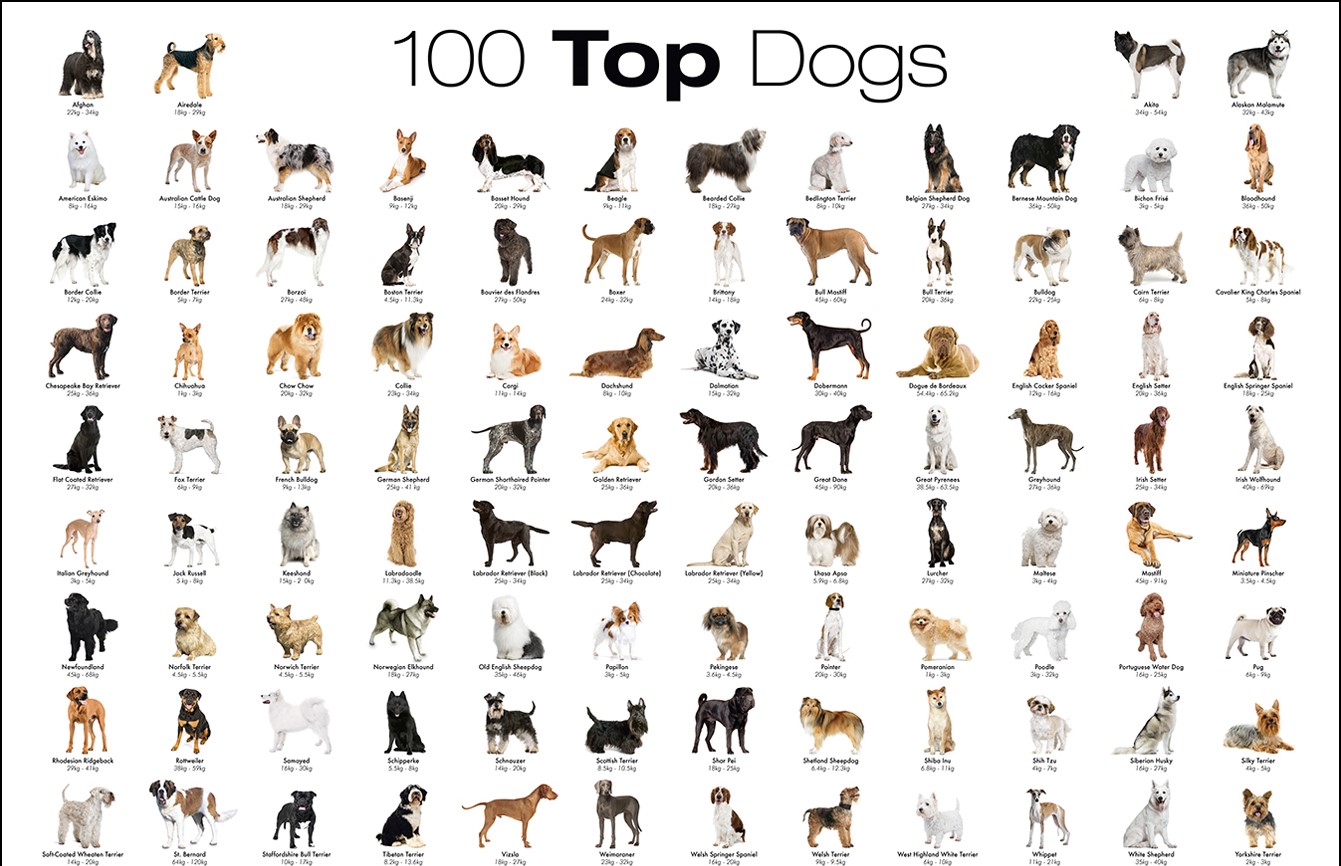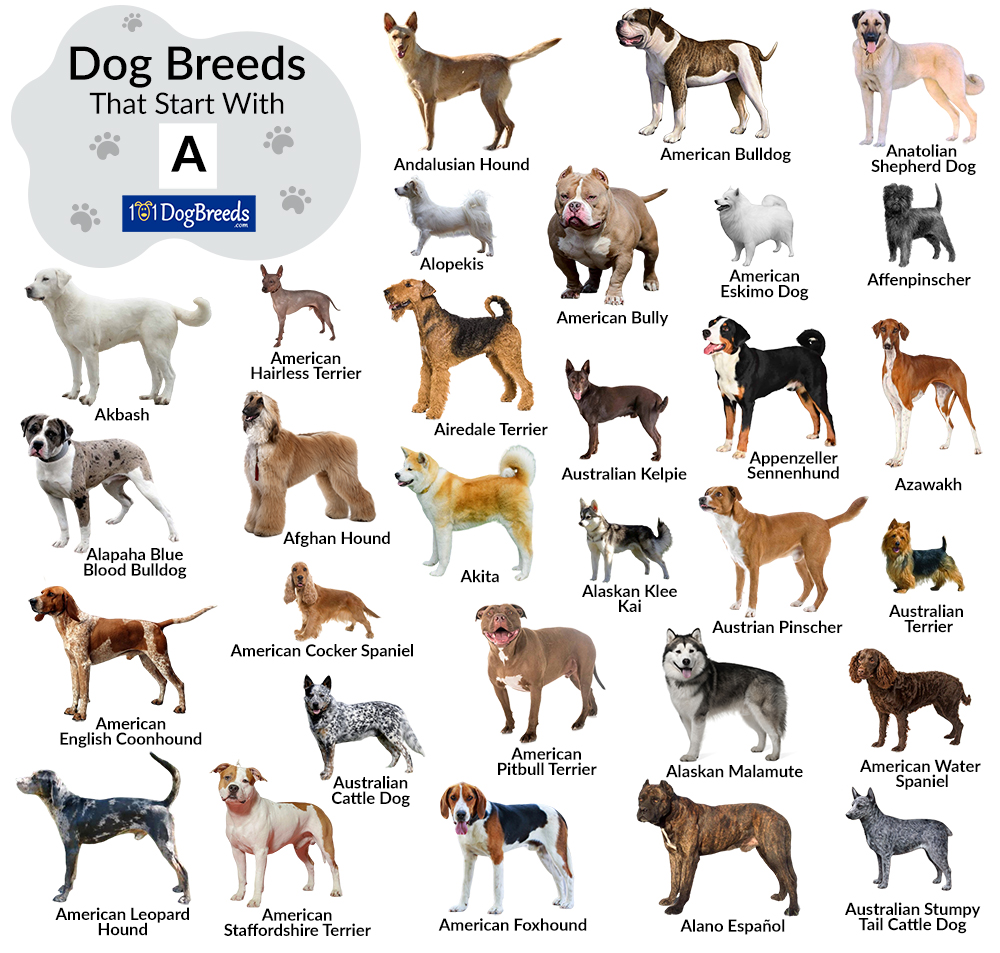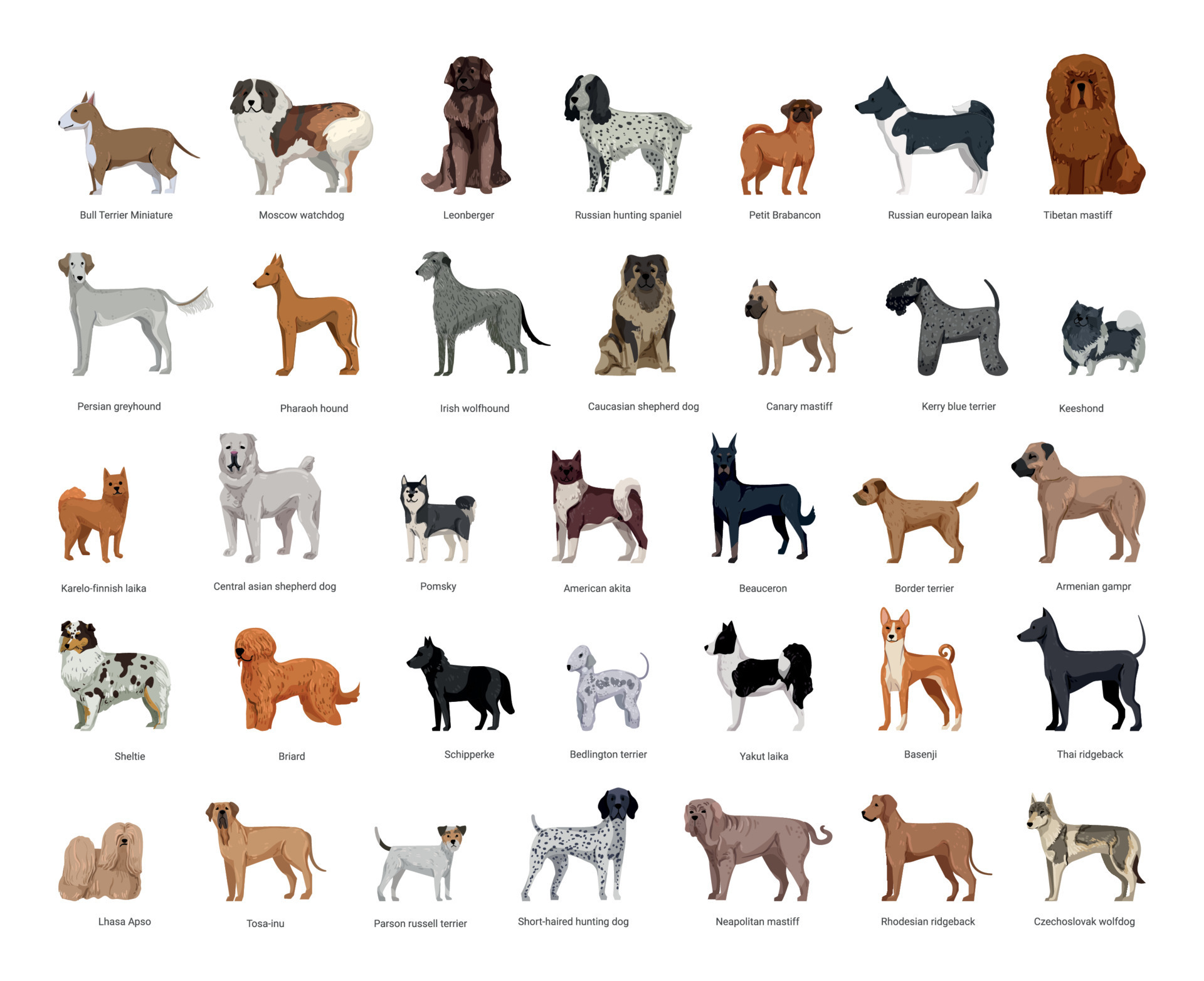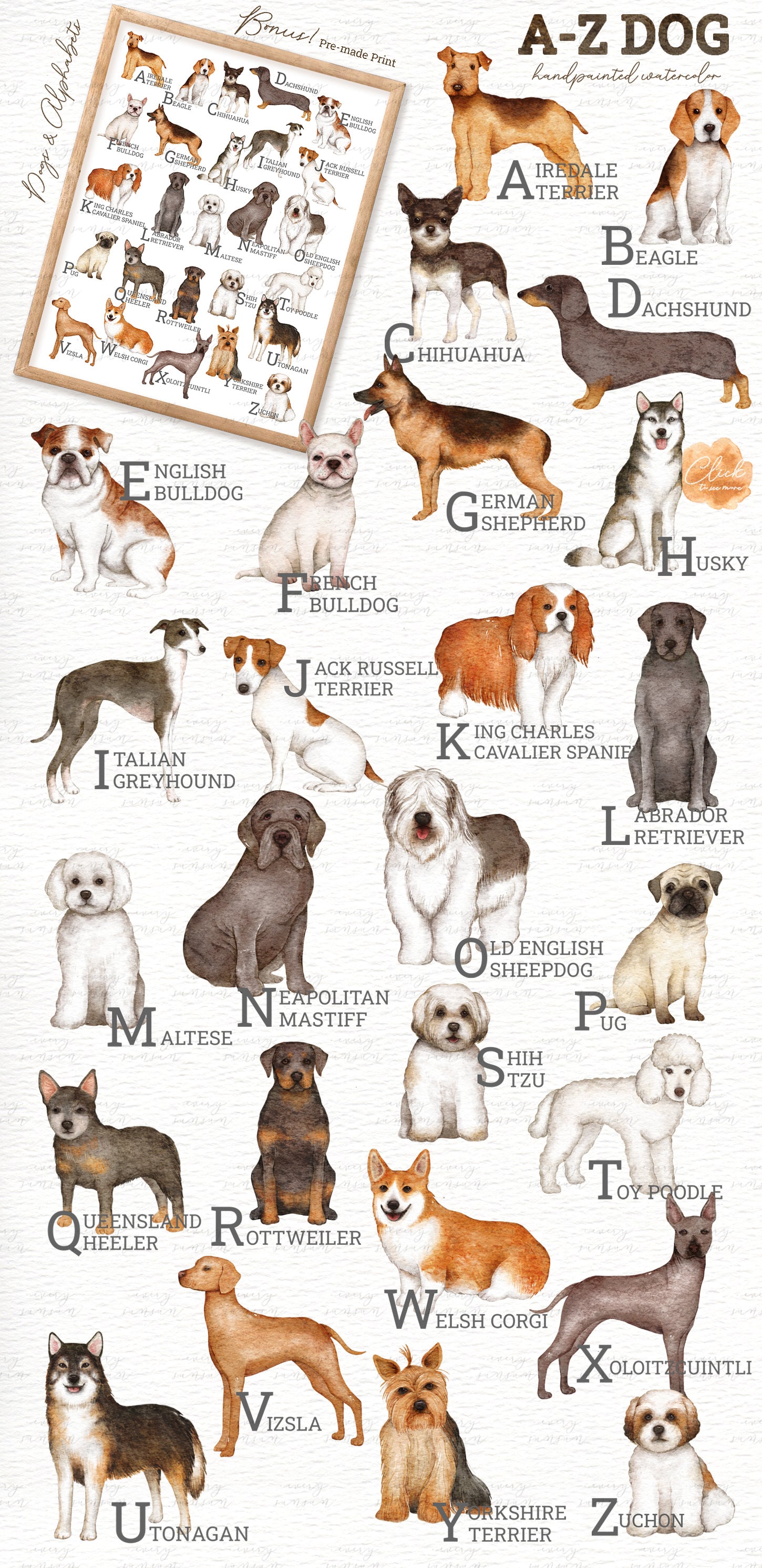
Introduction
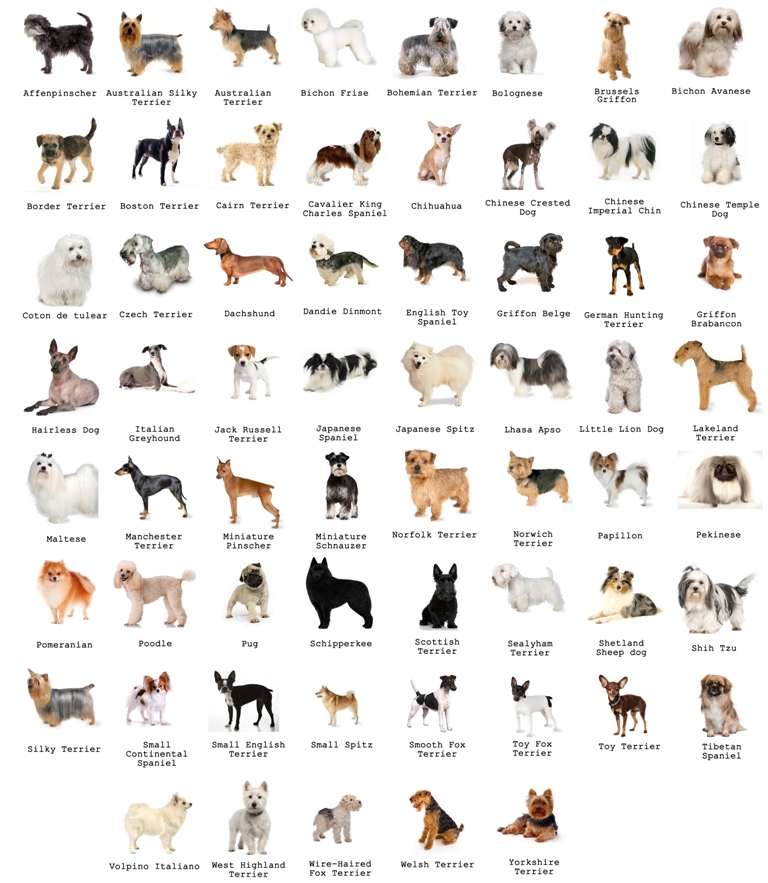
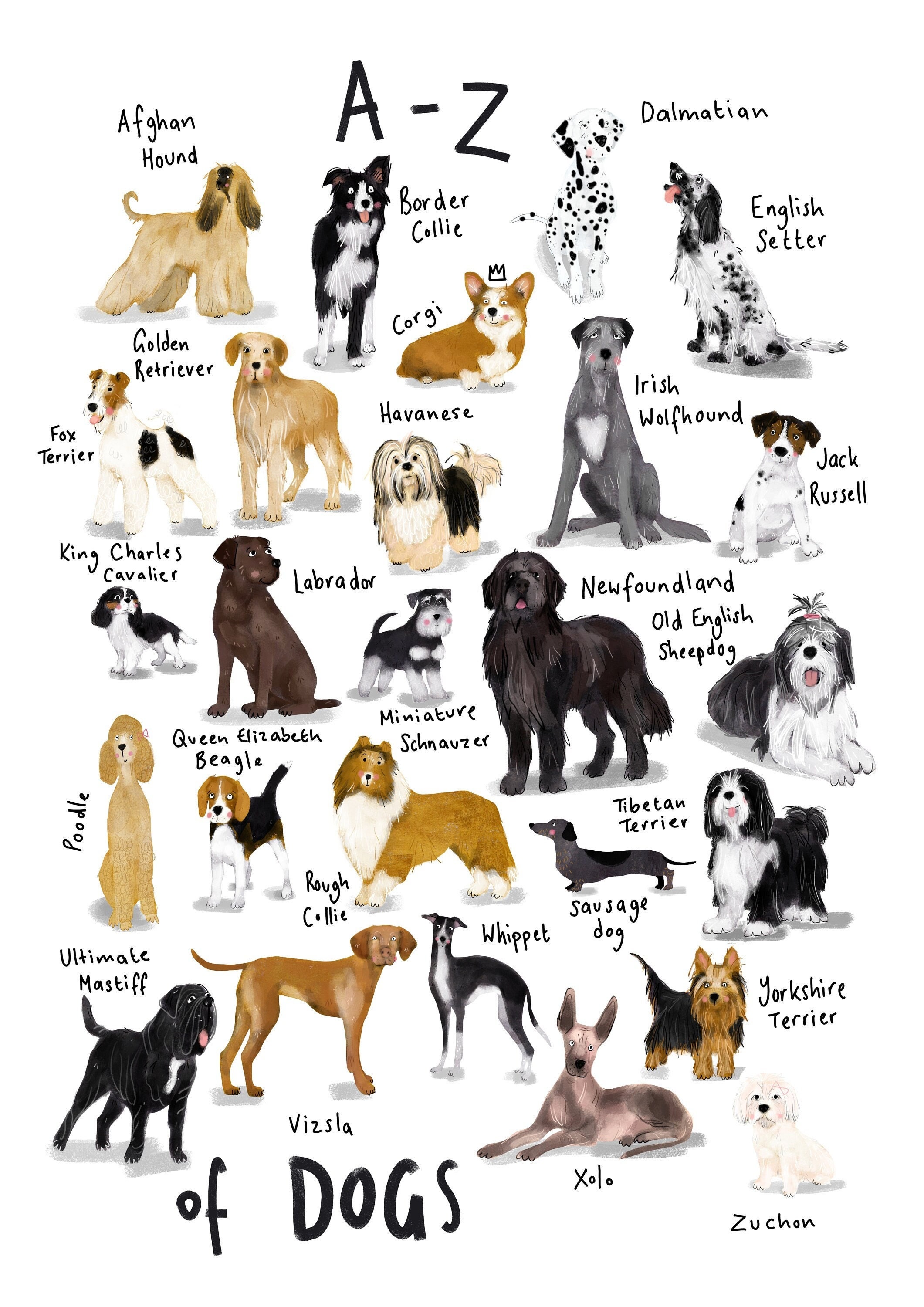
Dog breeds a-z encompass the complete spectrum of canine diversity, dictating distinct physical conformations, predispositions to specific inherited medical conditions, and unique behavioral profiles that require targeted husbandry strategies. According to the American Animal Hospital Association (AAHA), understanding individual breed characteristics is essential for delivering precise veterinary care, designing appropriate preventative medicine protocols, and establishing optimal companion animal wellness standards. Comprehensive knowledge of canine lineages empowers caregivers to anticipate physiological vulnerabilities, tailor nutritional requirements to metabolic rates, and address species-specific behavioral cues effectively. Systematic evaluation of genetic lineages remains a cornerstone of modern veterinary medicine, ensuring that every canine companion receives customized environmental enrichment, veterinary oversight, and dietary support suited to genetic imperatives. Exploring the full taxonomy of canine lineages ensures that prospective and current pet parents can navigate healthcare challenges with scientific precision and clinical awareness.
Pet Wellness & Behavior Snapshot:
- Core Focus: Systematic evaluation of canine genetic diversity from A to Z to optimize lifetime companion animal care.
- Target Scope: Clinical assessment, behavioral management, and nutritional programming for diverse canine lineages.
- Key Recommendation: Align daily husbandry, preventive veterinary schedules, and dietary formulations with specific breed-inherited traits.
Core Principles and Detailed Overview
Dog breeds a-z function as a critical foundational framework for veterinary professionals and animal behaviorists seeking to predict medical vulnerabilities and temperament tendencies across distinct genetic groups. Each recognized breed carries a unique constellation of traits shaped by historical function, ranging from high-drive working dogs requiring intensive mental stimulation to brachycephalic companion animals needing specialized respiratory monitoring. Careful study of these physiological and psychological traits directly informs effective Dog Behavior modification programs and proactive Dog Health diagnostics. Genetic predisposition directly impacts metabolic efficiency, skeletal development, and endocrine regulation, necessitating tailored approaches to lifelong wellness. Practitioners must evaluate structural conformation alongside behavioral tendencies to construct comprehensive wellness plans that mitigate hereditary risks before clinical signs manifest in domestic settings.
Key Specifications and Breakdown
| Observed Indicator / Factor | Veterinary & Behavioral Explanation | Actionable Management Protocol |
|---|---|---|
| Conformational Structure | Anatomical variations such as chondrodysplasia or brachycephaly create specific orthopedic and respiratory vulnerabilities. | Implement weight control, limit high-impact jumping, and schedule routine airway evaluations with a licensed veterinarian. |
| Hereditary Drive | Instinctual working behaviors manifest as herding, guarding, or retrieving drives that require structured outlets. | Provide targeted Dog Training and interactive puzzle toys to prevent destructive redirected behaviors. |
| Metabolic Requirements | Energy utilization varies dramatically between toy, giant, and sporting categories, altering caloric and nutrient demands. | Formulate a precise diet plan utilizing professional Dog Nutrition guidelines to prevent obesity or nutritional deficiencies. |
Comprehensive preventative healthcare schedules must be customized to individual breed predispositions, physical maturity rates, and localized parasitic risks to ensure optimal long-term vitality. — American Veterinary Medical Association (AVMA)
Step-by-Step Practical Application and Guidelines
Dog breeds a-z classification guides the step-by-step implementation of individualized preventative care, socialization protocols, and nutritional planning within domestic households. Caregivers begin by identifying the primary and secondary genetic lineage of the companion animal to map out expected developmental milestones, adult weight thresholds, and known hereditary disease markers. Veterinary technicians then collaborate with pet parents to establish baseline blood panels, orthopedic screenings, and parasite prevention schedules tailored to the specific geographical and genetic risk profile. Daily routines are subsequently structured around the psychological and physical stamina inherent to the specific canine type, incorporating appropriate exercise volumes and mental enrichment tasks. Regular veterinary re-evaluations ensure that adjustments to diet, exercise intensity, and preventive pharmaceuticals adapt smoothly as the animal transitions through juvenile, adult, and geriatric life stages.
Common Challenges and How to Avoid Them
Dog breeds a-z mismanagement frequently occurs when pet parents apply generalized care standards across morphologically and behaviorally distinct canine types without accounting for specific genetic requirements. A primary pitfall involves failing to recognize breed-specific exercise thresholds, leading either to chronic under-stimulation in working groups or dangerous joint strain in developing giant breeds. Furthermore, uniform feeding practices often result in severe nutritional imbalances, accelerating orthopedic decline in large breeds or metabolic disorders in sedentary companion types. Caregivers prevent these clinical complications by consulting certified professionals, prioritizing early socialization tailored to genetic reactivity levels, and utilizing specialized resources found within general Dog Care and Dog Breeds educational databases. Maintaining open communication with veterinary health teams ensures early detection of breed-linked pathologies before irreversible tissue damage occurs.
💬 Frequently Asked Questions
Explore More Pet Care and Animal Health Guides on PetsAnimalsWorld
Expanding knowledge regarding diverse canine lineages, clinical wellness protocols, and behavioral science enriches the human-animal bond and ensures superior stewardship for every companion animal. Dedicated animal health caregivers are encouraged to explore the extensive veterinary-backed resource library available across Pets Animals World, including specialized articles dedicated to fostering optimal Pets health and longevity.
Visual Reference Gallery