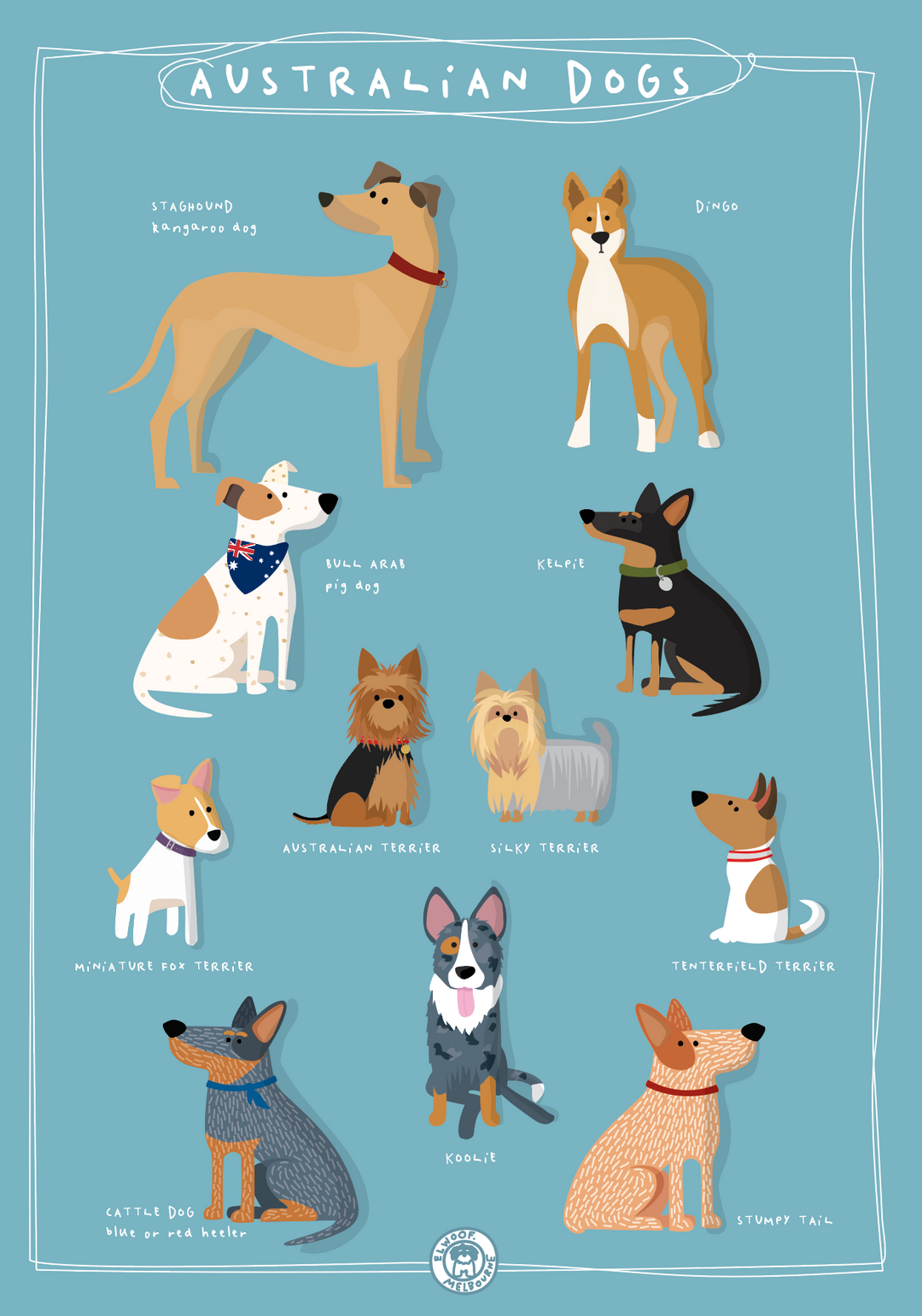
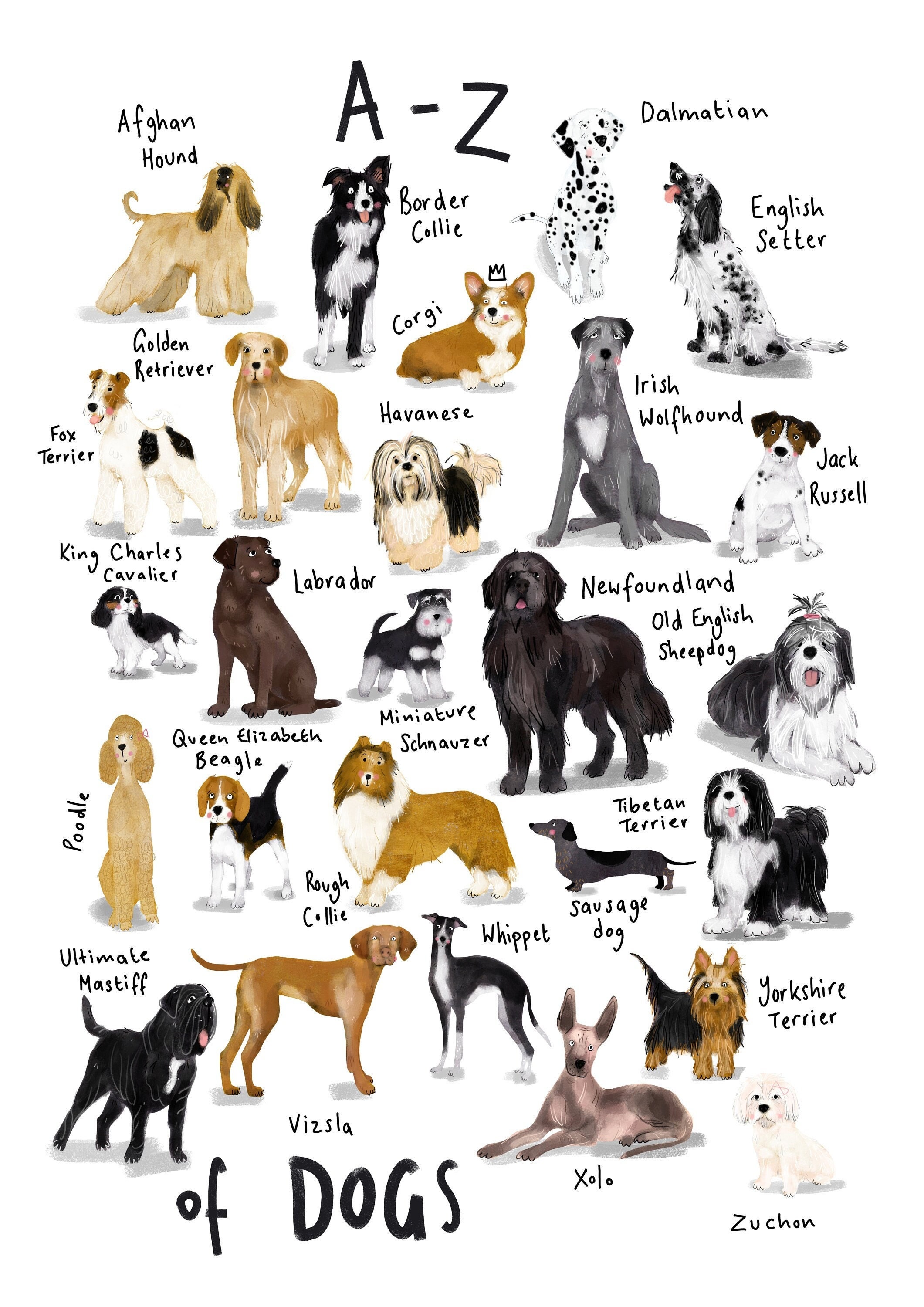
Introduction
Dog breeds australia selection encompasses understanding the unique physiological, climatic, and behavioral adaptations required for canines thriving in the Southern Hemisphere. According to the International Association of Animal Behavior Consultants (IAABC), matching a canine’s genetic drive and evolutionary background to the local living environment significantly reduces the incidence of chronic stress and maladaptive coping mechanisms. Integrating proper Dog Training protocols from an early age ensures that distinct lineage traits align safely with domestic household expectations. Professional veterinary technicians and certified behaviorists must evaluate local environmental stressors, climate extremes, and parasite pressures when advising caretakers on breed-specific husbandry.
Pet Wellness & Behavior Snapshot:
- Core Focus: Selecting and managing dog breeds suited to Australian climates and lifestyles.
- Target Scope: Companion animal owners, breeders, and clinical health practitioners.
- Key Recommendation: Prioritize climate adaptation, preventative healthcare, and mental enrichment tailored to specific working or companion lineages.
Core Principles and Detailed Overview
Dog breeds australia management requires a comprehensive understanding of how regional environmental factors influence metabolic needs, coat maintenance, and daily exercise tolerances. Working lineages such as the Australian Kelpie and Australian Cattle Dog possess intense cognitive demands that mandate structured occupational tasks to prevent destructive stereotypic behaviors. Conversely, brachycephalic companion types face severe thermodynamic challenges during hot summer months, necessitating strict climate control and restricted midday exertion. Evaluating Dog Behavior indicators helps handlers identify early signs of heat distress, cognitive fatigue, or boredom before clinical pathology develops.
Key Specifications and Breakdown
| Observed Indicator / Factor | Veterinary & Behavioral Explanation | Actionable Management Protocol |
|---|---|---|
| High Herding Drive | Genetically programmed stalking and nipping instincts redirect onto human heels or moving objects when under-stimulated. | Implement structured scent work, agility courses, and positive reinforcement impulse control exercises daily. |
| Heat Intolerance | Dense coats or compromised respiratory anatomy inhibit efficient thermoregulation during high ambient temperatures. | Provide air-conditioned indoor resting areas, continuous hydration sources, and shift exercise periods to early morning hours. |
| Parasite Vulnerability | Endemic regional vectors such as paralysis ticks and fleas demand continuous pharmacological defense to prevent systemic illness. | Administer veterinarian-approved preventative medications year-round and conduct systematic tactile skin checks after outdoor exposure. |
Veterinary Parasite Control Standard: Continuous year-round preventative administration against regional ectoparasites and endoparasites is mandatory for optimal canine longevity and disease mitigation — Companion Animal Parasite Council (CAPC)
Step-by-Step Practical Application and Guidelines
Successful integration of dog breeds australia into domestic households depends on executing a structured regimen combining balanced nutrition, veterinary oversight, and species-appropriate socialization. Establishing strict dietary frameworks tailored to life stage and activity level prevents metabolic disorders while supporting musculoskeletal development in active working types. Regular consultations focusing on Dog Health screenings catch breed-specific hereditary conditions, including hip dysplasia and progressive retinal atrophy, in early treatable phases. Caregivers must also consult authoritative resources on Dog Nutrition to calculate precise caloric intake corresponding to seasonal activity fluctuations.
Common Challenges and How to Avoid Them
Neglecting the specialized genetic requirements of regional working and companion canines frequently leads to severe behavioral pathologies and preventable health emergencies. Misjudging high-energy exercise thresholds often results in chronic anxiety, excessive vocalization, and escape attempts as animals seek self-reinforcing outlets. Furthermore, failing to account for intense ultraviolet radiation and high ambient temperatures puts light-skinned or short-coated varieties at immediate risk for solar dermatitis and heatstroke. Thoroughly researching Dog Breeds before adoption safeguards animal welfare and ensures long-term harmony between pets and human caregivers.
💬 Frequently Asked Questions
Explore More Pet Care and Animal Health Guides on PetsAnimalsWorld
Maintaining optimal companion animal wellness requires continuous education across all facets of veterinary science, behavioral psychology, and preventative medicine. Caregivers seeking further expert insights into canine husbandry, preventative veterinary medicine, and holistic lifestyle management can explore the comprehensive library available at Pets Animals World to support long-term pet health.
Visual Reference Gallery