The Importance of a Comprehensive Dog Care Sheet
Maintaining the health and well-being of a canine companion requires consistent attention to detail, ranging from nutritional requirements to preventative medical care. According to the American Veterinary Medical Association (AVMA), routine veterinary visits are essential for early detection of health issues and for establishing a baseline for an individual animal’s wellness. A structured dog care sheet serves as a vital tool for owners to organize these responsibilities, ensuring that no aspect of a pet’s life—whether it involves exercise, grooming, or behavioral management—is overlooked. By centralizing information, caregivers can foster a stable environment that supports the long-term vitality of the animal.
💡 Pet Care Key Takeaways:
- Core Focus: Practical health, nutrition, and wellness guidelines for Dog Care Sheet.
- Target Scope: Pet owners, animal caregivers, and veterinary support staff.
- Best Recommendation: Maintain consistent daily routines and consult an accredited veterinarian before introducing major diet or medical changes.
Defining the Function of a Dog Care Sheet
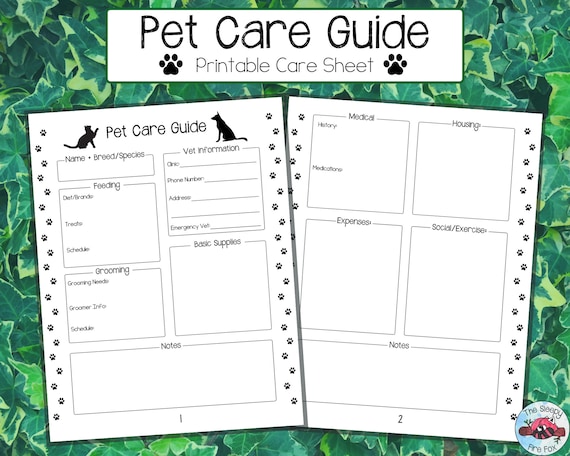
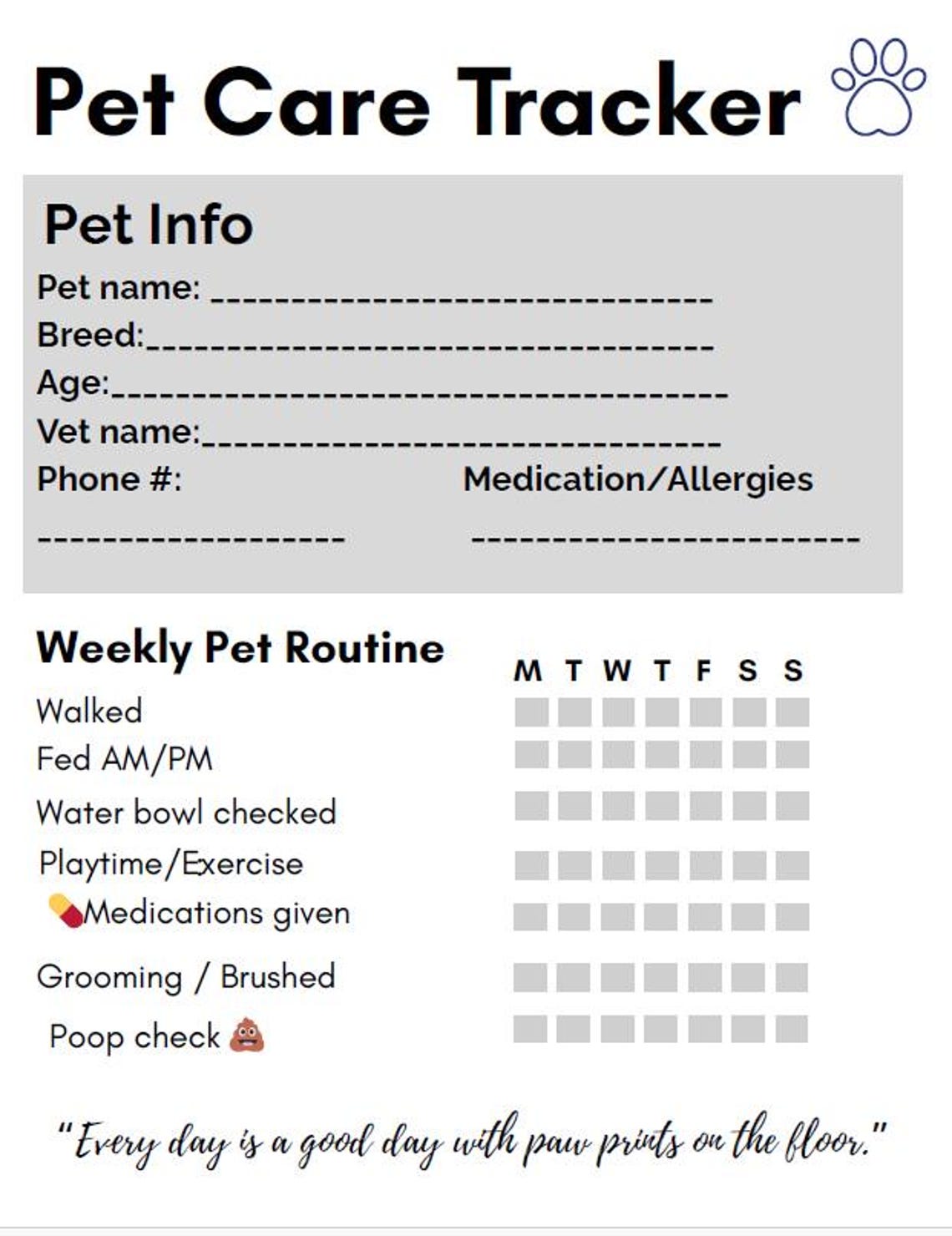
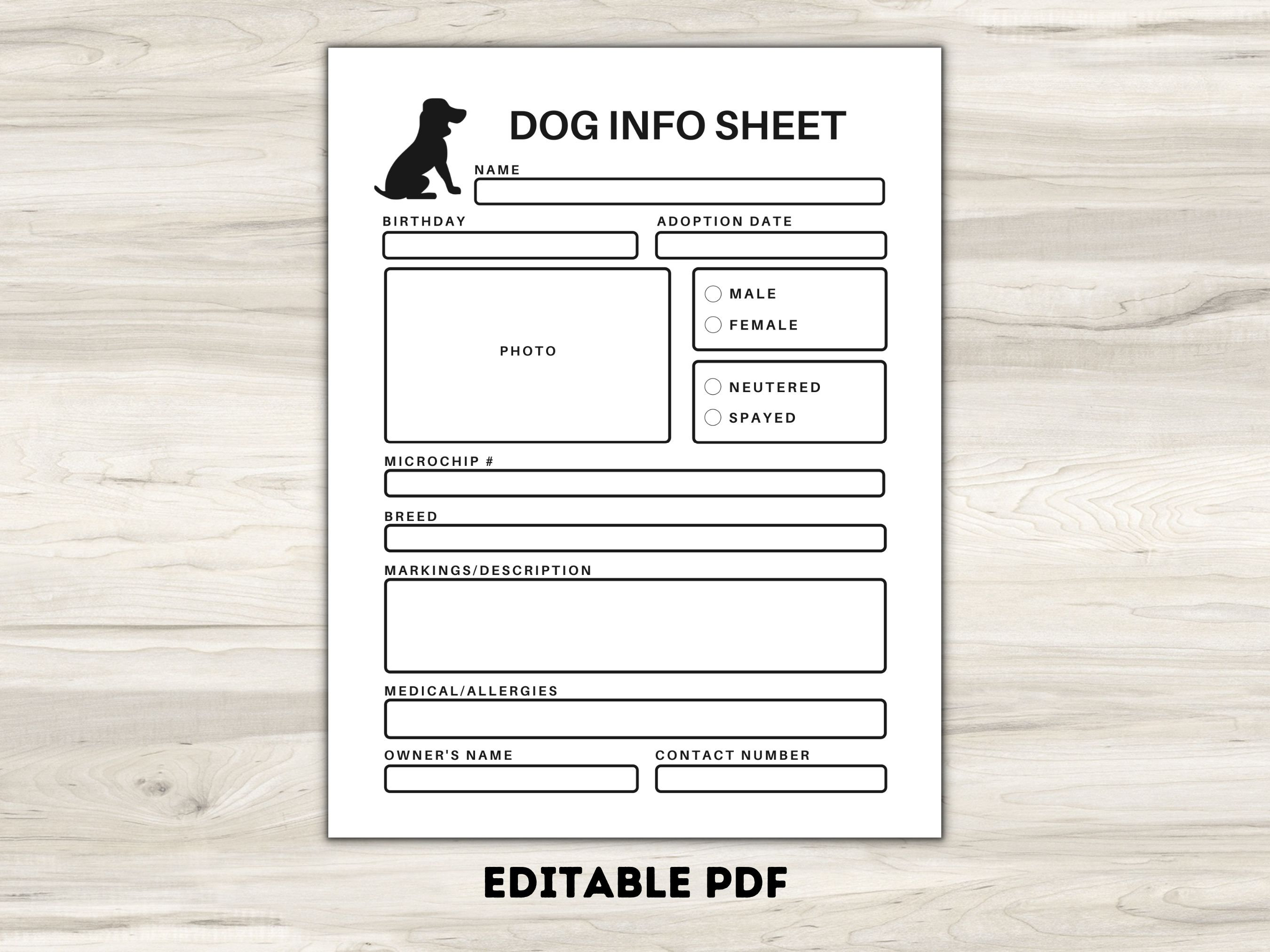
A dog care sheet is a reference document that catalogs an animal’s specific needs, medical history, and daily routines to facilitate informed decision-making. It functions as a personalized manual, bridging the gap between general canine husbandry and the unique requirements of a specific dog. For those managing multiple pets or coordinating care with family members, pet sitters, or kennel staff, this document ensures continuity of care. It should include sections for contact information, dietary protocols, medication schedules, and emergency contact details, providing a clear roadmap for anyone responsible for the animal’s safety.
Impact on Canine Wellness and Safety
The primary impact of utilizing a structured care guide is the reduction of human error in daily management, which directly influences Dog Health. When caregivers track weight fluctuations, vaccination dates, and dietary changes, they are better equipped to notice subtle shifts in behavior or physical condition that might indicate an underlying issue. A well-maintained record allows for proactive rather than reactive care. For example, documenting the frequency of bowel movements or changes in appetite can provide a veterinarian with critical diagnostic data during a consultation. Consistent tracking prevents the accidental omission of heartworm preventatives or flea and tick treatments, which are crucial for long-term health.
Regular physical exams and vaccinations are essential for preventing common canine diseases and managing chronic conditions effectively. — American Veterinary Medical Association (AVMA)
Implementing Effective Management Strategies
Creating an effective dog care sheet involves breaking down care into manageable categories that align with the animal’s life stage and activity level. Start by establishing a consistent schedule for feeding, exercise, and mental stimulation. Because Dog Behavior is heavily influenced by predictability, maintaining a routine helps reduce anxiety and promotes stability. When detailing nutrition, note specific brand names, portion sizes, and any known sensitivities or allergies. For exercise, consider the intensity and duration appropriate for the breed and age, ensuring the dog receives adequate physical exertion without overexertion. Furthermore, include a section for training milestones and socialization goals, focusing on positive reinforcement techniques that build confidence and trust.
Best Practices for Maintaining Care Records
Accuracy is the cornerstone of any reliable care document, so updates should be made immediately following any change in health status or routine. Avoid reliance on memory by logging information as soon as it occurs. Common mistakes include failing to update emergency contacts or neglecting to record the specific dates of grooming sessions, which can lead to issues like matted fur or overgrown nails. Ensure that the document is stored in a location accessible to all household members and emergency responders. When documenting medications, always include the reason for the prescription, the frequency, and the name of the prescribing clinic, as this information is invaluable during after-hours emergency situations.
Providing consistent, positive reinforcement training helps strengthen the human-animal bond and ensures the safety of the dog in various environments. — American Kennel Club (AKC)
Pet Care & Wellness Overview Table
| Life Stage | Daily Activity Level | Key Nutrition / Care Focus |
|---|---|---|
| Puppy / Kitten | High (frequent short bursts) | High-protein growth diet & early socialization |
| Adult Companion | Moderate (30–60 mins daily) | Balanced maintenance nutrition & dental hygiene |
| Senior Pets | Low to Gentle (mindful walks) | Joint support (Glucosamine) & routine vet checks |
Images References





Individual Considerations for Breeds and Temperament
Every dog possesses unique characteristics influenced by genetics, history, and individual personality, necessitating adjustments to standard care protocols. Information regarding Dog Breeds should inform the care sheet, particularly regarding exercise needs and common health predispositions. For instance, high-energy working breeds may require significantly more mental stimulation through puzzle toys or advanced training, while brachycephalic (short-nosed) breeds may require specific precautions during hot weather to prevent overheating. Age also dictates care; puppies require more frequent monitoring for growth and socialization, while senior dogs may need specialized diets and orthopedic support to manage joint health. Tailoring the care sheet to these specific variables ensures the information remains relevant and protective.
When to Consult Veterinary or Professional Experts
A care sheet is a supplemental tool and must never replace professional veterinary assessment or specialized behavioral training. Immediate veterinary care is required if a dog shows signs of respiratory distress, collapse, seizures, severe bleeding, or ingestion of toxic substances. If a dog displays persistent aggression, extreme fear, or separation anxiety, it is essential to consult a veterinary behaviorist or a certified professional trainer who utilizes humane, science-based methods. These professionals can provide structured intervention plans that are far more effective and safe than any general guide. Always defer to a veterinarian for medical decisions, as they possess the clinical expertise to evaluate the individual health status of the animal.
Conclusion and Further Resources
Organizing the needs of a canine companion into a comprehensive care sheet is a proactive step toward responsible ownership. By tracking health, behavior, and daily requirements, owners can provide a high standard of care that adapts to the changing needs of their pets. For additional guidance on maintaining a healthy lifestyle for your dog, explore the expert resources available at PetsAnimalsWorld.com. Further information on specialized care can be found in the Dog Nutrition and Dog Training categories, which offer deep dives into the essential pillars of canine well-being.