

Understanding the Role of an In-Home Dog Caretaker
Ensuring consistent daily routines and maintaining a familiar environment are key pillars of canine welfare when households undergo schedule changes. According to the American Society for the Prevention of Cruelty to Animals (ASPCA), maintaining familiar routines significantly reduces stress in companion animals during owner absences. Utilizing a professional dog care taker for home settings provides a dedicated alternative to traditional boarding facilities, keeping domestic animals in their secure, predictable surroundings. This approach preserves daily schedules, minimizes exposure to unfamiliar pathogens, and offers continuous oversight tailored to individual behavioral needs.
💡 Pet Care Key Takeaways:
- Core Focus: Practical health, nutrition, and wellness guidelines for Dog Care Taker For Home.
- Target Scope: Pet owners, animal caregivers, and veterinary support staff.
- Best Recommendation: Maintain consistent daily routines and consult an accredited veterinarian before introducing major diet or medical changes.
Defining In-Home Dog Care and Responsibilities
An in-home dog caretaker is a qualified individual responsible for managing a dog’s daily needs, environment, and wellness within the animal’s permanent residence. Responsibilities typically extend beyond basic feeding and hydration to encompass scheduled exercise, environmental enrichment, medication administration, and monitoring physical health. Unlike standard pet sitting where a visitor stops by briefly twice a day, comprehensive in-home care often involves overnight stays or extended presence, ensuring that young puppies, senior dogs, or medical cases receive uninterrupted supervision and companionship. For more related activities, check out our Dog Care Sri Lanka.
Impact on Canine Behavioral Stability and Health
Maintaining familiarity in housing and daily schedules directly influences physiological stress markers and overall psychological well-being in companion canines. Sudden environmental disruptions often trigger cortisol spikes, leading to stress-induced behaviors such as destructive chewing, house-soiling, or excessive vocalization. Professional in-home supervision mitigates these risks by offering continuous social interaction and maintaining regular feeding and elimination timetables. Furthermore, dedicated caretakers can swiftly identify subtle signs of illness or injury, ensuring timely intervention before minor issues escalate into medical emergencies.
Consistent daily routines in familiar home environments help mitigate stress-related cortisol increases in companion dogs during owner separations. — American Veterinary Medical Association
Implementing Effective In-Home Care Management
Establishing a successful arrangement with an in-home provider requires thorough preparation, clear communication, and detailed documentation of the dog’s daily regimen. Owners must compile comprehensive care instructions covering precise dietary portions, exercise preferences, specific trigger avoidance, and emergency contact numbers, including the local veterinarian and emergency clinic addresses. Conducting a supervised trial visit allows both the dog and the provider to become acquainted, ensuring a harmonious match and establishing positive rapport before an extended separation occurs.
Best Practices and Common Oversights in Home-Based Care
Effective management relies on proactive planning while avoiding common pitfalls such as vague instructions or failing to secure household hazards. A primary best practice involves creating a centralized binder or digital document detailing feeding schedules, safe toy selections, and house rules. Conversely, a frequent mistake is assuming that an experienced provider does not require explicit guidance regarding house training cues, crate protocols, or specific leash-walking equipment. Clear boundaries and transparent communication prevent misunderstandings and protect the safety of both the animal and the provider.
Providing detailed written protocols regarding emergency contacts, dietary restrictions, and environmental hazards ensures continuity of care and animal safety. — American Kennel Club
Pet Care & Wellness Overview Table
| Life Stage | Daily Activity Level | Key Nutrition / Care Focus |
|---|---|---|
| Puppy / Kitten | High (frequent short bursts) | High-protein growth diet & early socialization |
| Adult Companion | Moderate (30–60 mins daily) | Balanced maintenance nutrition & dental hygiene |
| Senior Pets | Low to Gentle (mindful walks) | Joint support (Glucosamine) & routine vet checks |
Images References


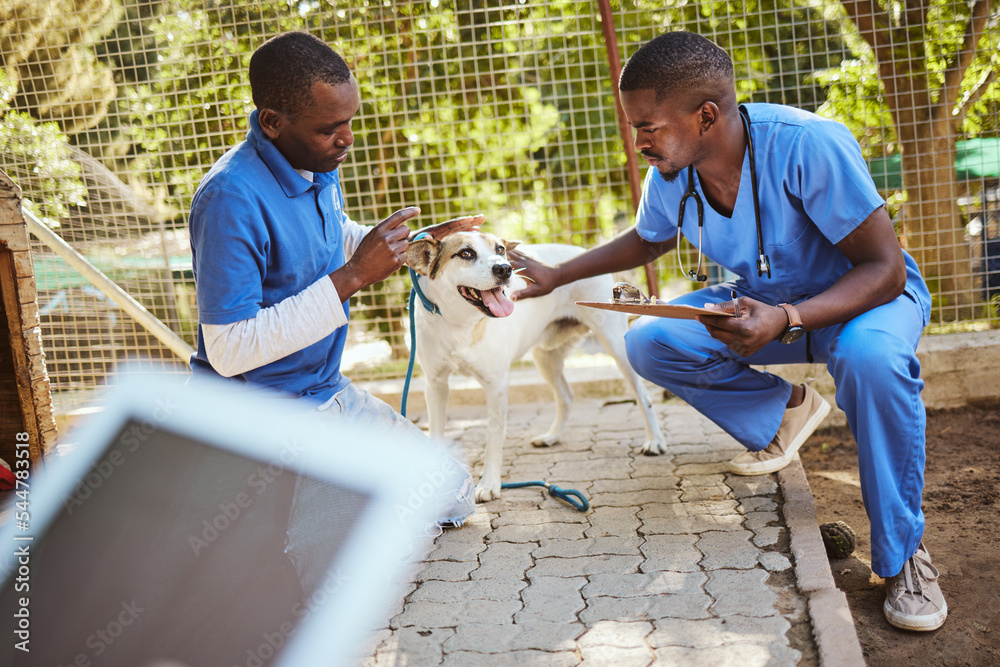

Breed, Age, and Temperament Considerations
Individual physical traits, developmental stages, and personality profiles dictate the specific level of oversight and specialized skills required from a home caretaker. Senior dogs managing canine cognitive dysfunction or chronic joint pain necessitate patient handling, precise medication timing, and assistance with mobility. High-energy working breeds require robust physical exercise and mental engagement to prevent frustration. Consequently, matching the provider’s specific competencies with the dog’s unique biological and psychological profile remains paramount for successful in-home management.
When to Consult Veterinary and Behavioral Professionals
Engaging specialized veterinary or behavioral guidance becomes essential when an animal displays severe separation-related distress, aggression, or sudden medical complications during home care arrangements. For persistent anxiety or panic behaviors, consulting a veterinary behaviorist or a certified dog trainer ensures the implementation of humane, evidence-based behavior modification plans. Similarly, any observed signs of severe lethargy, persistent vomiting, respiratory distress, or sudden injury require immediate evaluation by a licensed veterinarian. For guidance on appropriate care standards, explore resources on Dog Care and Dog Health.
Conclusion and Additional Resources
Securing a reliable dog care taker for home environments represents a proactive investment in the safety, health, and emotional stability of companion animals. By prioritizing familiar routines, thorough preparation, and professional oversight, households can maintain seamless continuity during absences. To expand knowledge on canine well-being, explore specialized articles on Dog Behavior and Dog Training. Visit PetsAnimalsWorld.com regularly for comprehensive guidance on responsible animal guardianship.


