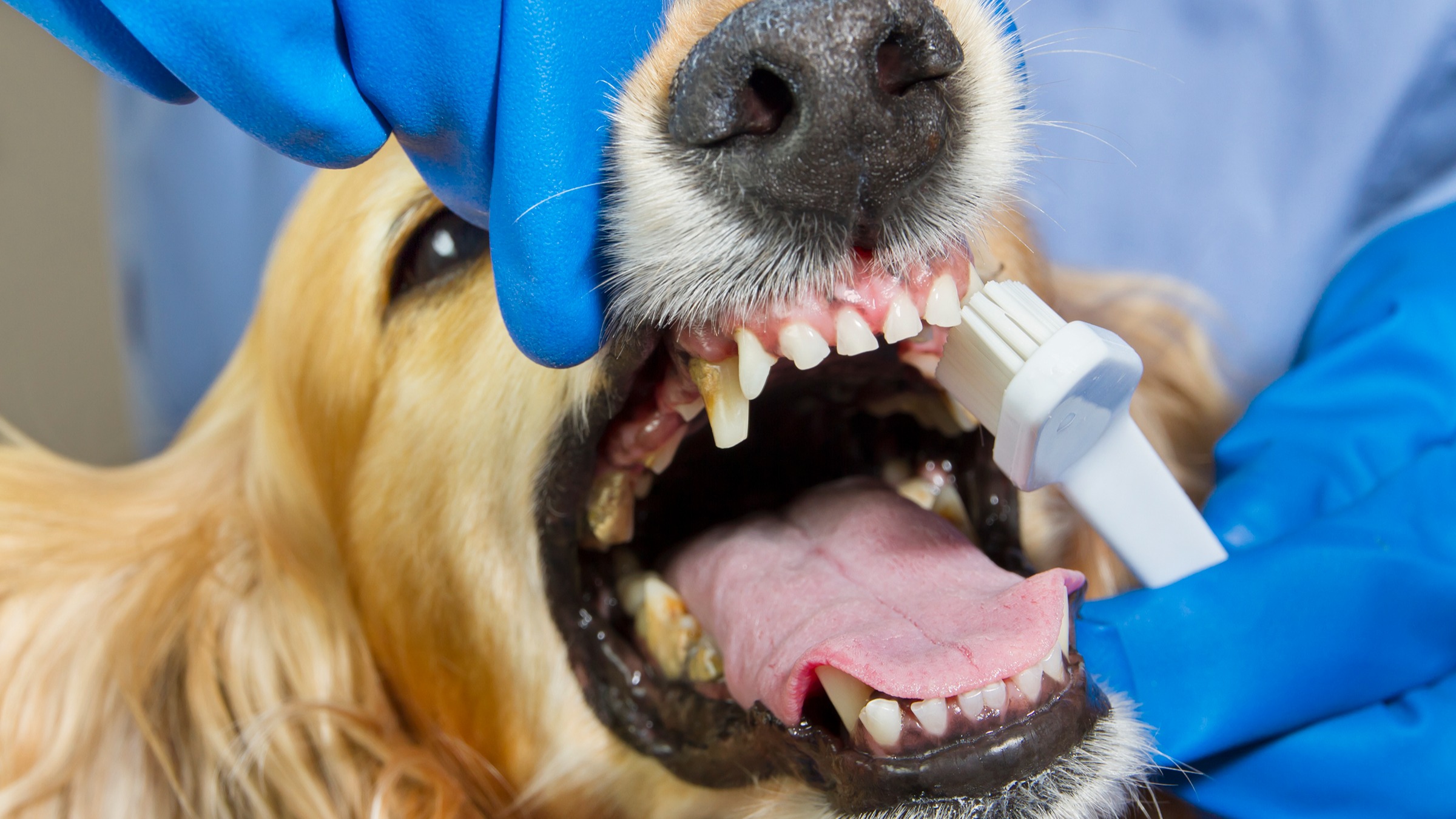
Understanding the Role of a Dedicated Dog Care Taker
The quality of life for a canine companion is directly influenced by the consistency, knowledge, and attentiveness of those responsible for their daily needs. Whether a primary owner or a professional provider, a dog care taker acts as the steward of an animal’s physical, emotional, and psychological well-being. According to the American Veterinary Medical Association (AVMA), responsible pet ownership involves a commitment to providing appropriate care throughout the entire lifespan of the animal, including preventive health measures and a safe environment. Recognizing the gravity of this responsibility is the first step toward ensuring a dog thrives in a domestic setting.
💡 Pet Care Key Takeaways:
- Core Focus: Practical health, nutrition, and wellness guidelines for Dog Care Taker.
- Target Scope: Pet owners, animal caregivers, and veterinary support staff.
- Best Recommendation: Maintain consistent daily routines and consult an accredited veterinarian before introducing major diet or medical changes.
Defining the Responsibilities of a Dog Care Taker
A dog care taker is an individual tasked with the comprehensive management of a canine’s daily routine, encompassing nutrition, exercise, hygiene, and environmental enrichment. This role extends beyond the basic provision of food and water; it requires a nuanced understanding of canine body language, health markers, and the specific requirements inherent to different dog breeds. An effective care taker monitors subtle changes in behavior or appetite, which often serve as early indicators of underlying health concerns. By maintaining a structured environment, the care taker provides the predictability necessary for a dog to feel secure and balanced.
The Impact of Diligent Care on Canine Health and Behavior
Consistent and informed care directly correlates with improved long-term health outcomes and more stable behavioral patterns in dogs. When a care taker prioritizes proactive dog health management, such as maintaining an appropriate body condition score and adhering to veterinary-recommended vaccination schedules, the risk of preventable illness is significantly reduced. Furthermore, positive, reinforcement-based interactions fostered by a reliable care taker help minimize anxiety and stress-induced behaviors. Understanding that dogs are social, sentient beings allows the care taker to structure daily activities in a way that fulfills the animal’s natural drives for exploration and interaction.
Obesity is a major health concern for dogs, often linked to improper caloric intake and lack of sufficient physical activity, which can lead to joint issues, diabetes, and shortened life expectancy. — American Veterinary Medical Association (AVMA)
Managing Daily Needs and Canine Enrichment
Addressing the needs of a dog requires a balanced approach that integrates physical exercise with cognitive stimulation. Effective care involves providing high-quality dog nutrition tailored to the specific life stage and activity level of the individual animal, while also ensuring that exercise routines are safe and appropriate. Enrichment is equally vital; this includes opportunities for scent work, puzzle-solving, and social exposure that build confidence without overwhelming the animal. A care taker must remain observant, adjusting routines as the dog ages or if energy levels fluctuate, ensuring that the environment remains supportive and engaging.
Best Practices and Common Oversights in Dog Care
Maintaining high standards of care involves avoiding common pitfalls such as irregular feeding schedules, lack of mental engagement, and the misinterpretation of stress signals. A significant error often involves anthropomorphizing canine behaviors, which can lead to misdirected training efforts or the failure to address genuine behavioral distress. Instead, a care taker should focus on evidence-based methods, such as those found in resources regarding dog training, to communicate expectations clearly. Consistency in commands, rewards, and daily routines provides the structure required for a dog to flourish in a human-centric world.
Proper socialization in dogs involves exposing them to new people, environments, and other animals in a controlled, positive manner to prevent the development of fear-based behaviors later in life. — American Society for the Prevention of Cruelty to Animals (ASPCA)
Pet Care & Wellness Overview Table
| Life Stage | Daily Activity Level | Key Nutrition / Care Focus |
|---|---|---|
| Puppy / Kitten | High (frequent short bursts) | High-protein growth diet & early socialization |
| Adult Companion | Moderate (30–60 mins daily) | Balanced maintenance nutrition & dental hygiene |
| Senior Pets | Low to Gentle (mindful walks) | Joint support (Glucosamine) & routine vet checks |
Images References




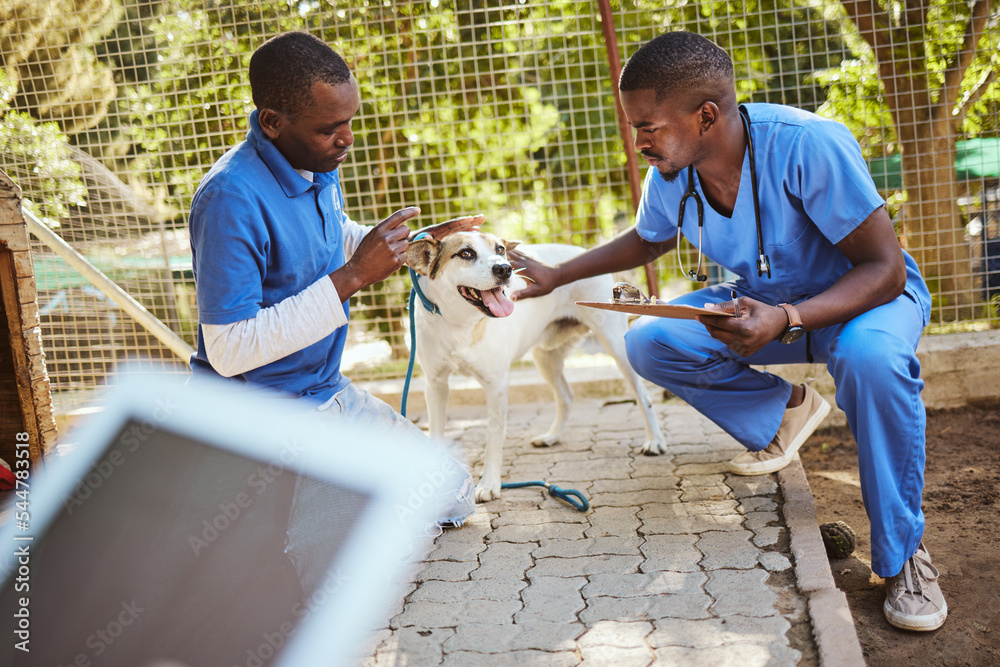


Individual Variations: Breed, Age, and Temperament
The requirements of a dog care taker are never one-size-fits-all, as individual needs are heavily dictated by breed characteristics, age, and unique temperament. High-energy working breeds may require significantly more physical and mental exertion than companion breeds, while senior dogs often necessitate modifications to their environment, such as ramps for joint support or softer bedding. A knowledgeable care taker assesses these factors regularly, consulting with professionals to adjust care plans. Recognizing that a puppy’s developmental needs differ vastly from those of an adult or geriatric dog is essential for providing age-appropriate support and preventive care.
When to Consult a Veterinary or Behavioral Professional
Professional intervention is necessary when a dog exhibits sudden changes in health, persistent behavioral issues, or signs of physical distress. If a dog displays symptoms such as lethargy, persistent vomiting, difficulty breathing, or sudden aggression, immediate consultation with a veterinarian is required, as these can indicate urgent medical conditions. Similarly, if a dog shows signs of chronic anxiety, fear, or reactivity that cannot be managed through routine adjustments, seeking the guidance of a certified professional trainer or a veterinary behaviorist is the safest course of action. Relying on professional expertise ensures that the care taker is providing the most accurate and safe support for the animal.
Commitment to Lifelong Well-being
Being a dedicated dog care taker is a multifaceted endeavor that requires patience, continuous learning, and a deep commitment to the animal’s welfare. By focusing on the fundamentals of dog care, owners and caretakers can foster a strong, mutually respectful bond. For further guidance on maintaining the health and happiness of canine companions, explore the extensive resources available at PetsAnimalsWorld.com. Whether seeking information on behavior, training, or nutrition, informed care is the foundation of a rewarding life shared with a dog.