
Understanding the Unique Requirements of Dog Care in Sydney
Providing comprehensive care for a canine companion in an urban environment like Sydney requires a thoughtful approach to local environmental factors, lifestyle constraints, and community regulations. According to the American Veterinary Medical Association (AVMA), consistent preventative care and environmental management are essential components of maintaining long-term animal welfare. Sydney’s climate, characterized by warm, humid summers and mild winters, presents specific considerations regarding heat management, parasite prevention, and exercise scheduling. Owners must balance the need for physical activity with the reality of high temperatures and busy metropolitan spaces, ensuring that every aspect of a dog’s life—from nutrition to mental stimulation—is tailored to the local context.
💡 Pet Care Key Takeaways:
- Core Focus: Practical health, nutrition, and wellness guidelines for Dog Care Sydney.
- Target Scope: Pet owners, animal caregivers, and veterinary support staff.
- Best Recommendation: Maintain consistent daily routines and consult an accredited veterinarian before introducing major diet or medical changes.
Defining Holistic Dog Care in a Metropolitan Context
Effective dog care in Sydney encompasses a multifaceted strategy that addresses physical health, social behavior, and environmental safety. It is not merely about providing food and shelter; it involves navigating the unique challenges of a coastal city, such as managing exposure to sand and saltwater, identifying toxic flora in local parks, and adhering to leash laws in public spaces. A holistic approach recognizes that a dog’s well-being is heavily influenced by the quality of its daily environment. This includes selecting appropriate Dog Nutrition plans that account for activity levels and climate, as well as engaging in consistent, positive-reinforcement Dog Training to ensure the animal can navigate crowded urban areas safely and confidently.
The Impact of Environment on Canine Health and Well-being
Environmental factors in Sydney, including extreme summer heat and specific regional parasites, significantly impact the necessity of proactive health management. Heatstroke is a critical concern during the warmer months, as high temperatures can rapidly overwhelm a dog’s thermoregulatory system, particularly for brachycephalic (short-nosed) breeds. Furthermore, the prevalence of ticks, such as the paralysis tick in coastal regions, necessitates a rigorous, year-round prevention strategy guided by veterinary recommendations. Maintaining a clean living space and ensuring access to fresh, cool water at all times are foundational steps in mitigating these environmental risks. Regular grooming is also vital, as it allows owners to inspect for skin irritations, burrs, or ticks that may have been picked up during outings in local bushland or coastal trails.
The paralysis tick (Ixodes holocyclus) is found along the east coast of Australia and can cause severe, life-threatening illness in dogs, requiring immediate veterinary intervention if symptoms such as loss of coordination or breathing difficulties appear. — Australian Veterinary Association
Managing Daily Routines and Social Interactions
Managing a dog’s daily routine in a city requires balancing physical exercise with mental enrichment to prevent common behavioral issues like anxiety or destructive habits. In Sydney, this often means utilizing off-leash dog parks during cooler parts of the day to ensure safety and comfort. Effective management involves teaching basic obedience cues—such as “come,” “stay,” and “leave it”—to provide the dog with the necessary skills to navigate high-traffic areas without undue stress. Owners should observe their dog’s body language closely during social interactions; signs of discomfort, such as whale eye, lip licking, or tucked tails, indicate that the dog may require more space or a change in environment. For those interested in deeper behavioral understanding, resources on Dog Behavior can provide insights into how to build a dog’s confidence in new settings.
Best Practices for Urban Canine Safety
Prioritizing safety in urban environments involves consistent vigilance and preparation. One of the most common mistakes owners make is underestimating the temperature of pavement; on a hot Sydney day, asphalt can reach temperatures high enough to cause severe thermal burns to sensitive paw pads. Testing the surface with the back of a hand for several seconds is a simple, effective way to determine if the ground is too hot for a walk. Additionally, ensuring that a dog is microchipped and wears an up-to-date identification tag is a critical safety measure. Regular health check-ups with a local veterinarian are essential to monitor for age-related changes and to stay informed about region-specific health risks. By focusing on preventative measures and gradual exposure to new environments, owners can help their pets thrive in the city.
Physical activity is crucial for a dog’s health, but the duration and intensity should be adjusted based on the dog’s age, breed, and current weather conditions to avoid overexertion or heat-related illness. — American Kennel Club
Pet Care & Wellness Overview Table
| Life Stage | Daily Activity Level | Key Nutrition / Care Focus |
|---|---|---|
| Puppy / Kitten | High (frequent short bursts) | High-protein growth diet & early socialization |
| Adult Companion | Moderate (30–60 mins daily) | Balanced maintenance nutrition & dental hygiene |
| Senior Pets | Low to Gentle (mindful walks) | Joint support (Glucosamine) & routine vet checks |
Images References


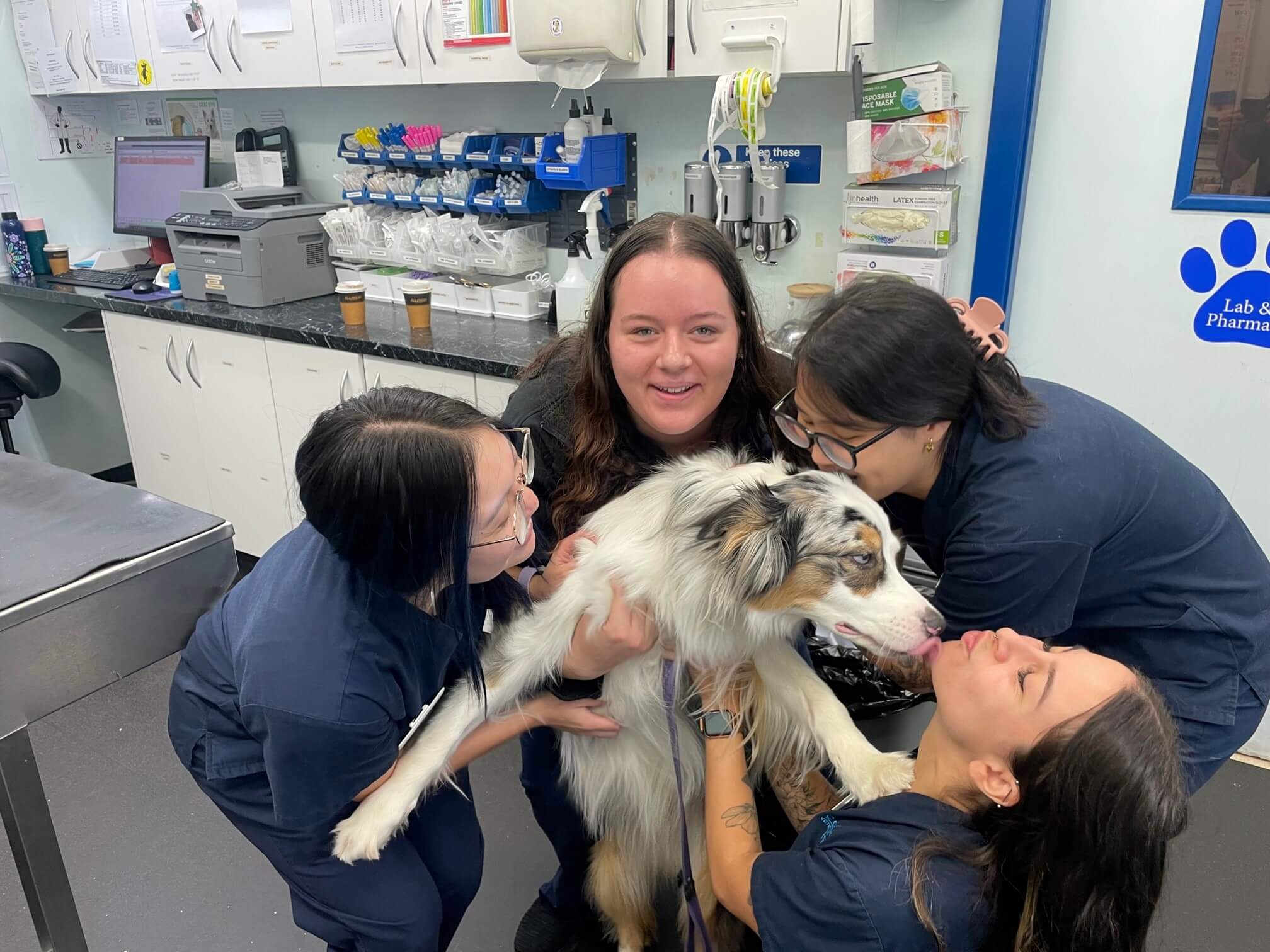






Breed and Life-Stage Considerations
Every dog has unique needs based on its breed, age, and individual temperament, which should dictate the specific approach to care. For instance, high-energy working breeds may require significantly more mental and physical stimulation than senior dogs, who may need joint support and shorter, more frequent walks. Understanding the specific history and traits of various Dog Breeds allows owners to anticipate potential health predispositions and behavioral tendencies. Puppies require intensive socialization and training to develop into well-adjusted adults, while older dogs may need adjustments to their diet and environment to accommodate decreased mobility. Tailoring care to the individual dog’s physiological and psychological profile is the hallmark of responsible ownership.
Recognizing the Need for Professional Intervention
Professional guidance is essential when addressing persistent behavioral concerns or sudden changes in a dog’s physical health. Any indication of severe illness, such as difficulty breathing, seizures, sudden collapse, or profuse bleeding, requires immediate veterinary attention. Similarly, if a dog exhibits signs of extreme fear, persistent aggression, or separation anxiety that impacts its quality of life, consulting a certified professional trainer or a veterinary behaviorist is the most responsible course of action. These professionals can provide evidence-based strategies to manage and modify behavior safely, avoiding the use of intimidation or punitive techniques that can exacerbate anxiety. Relying on qualified experts ensures that the dog receives support tailored to its specific needs while maintaining a focus on humane and effective care.
Conclusion and Further Resources
Caring for a dog in Sydney is a rewarding experience that benefits greatly from informed, proactive management. By understanding the local climate, prioritizing safety, and tailoring routines to the individual dog, owners can foster a healthy and fulfilling life for their companions. For more in-depth guidance on all aspects of canine wellness, including nutrition, training, and health maintenance, visit PetsAnimalsWorld.com. Exploring the available resources in the Dog Health and Dog Care categories can provide the knowledge necessary to navigate the responsibilities of pet ownership with confidence and care.