

Understanding the Urgent Nature of Tail Self-Trauma in Canines
Witnessing a dog persistently attacking or biting its own tail until the skin breaks down is a distressing experience for any pet owner. According to the American Veterinary Medical Association, sudden changes in canine self-directed behavior often signal underlying physical discomfort or significant psychological stress requiring professional evaluation. When a dog reaches the point of breaking the skin and creating raw, bleeding wounds, the situation moves past a simple bad habit into a complex medical and behavioral concern. Recognizing the true meaning behind this intense self-mutilation is the first step toward bringing relief to a suffering animal.
💡 Pet Care Key Takeaways:
- Core Focus: Practical health, nutrition, and wellness guidelines for Dog Chewing On Tail Until Raw Meaning.
- Target Scope: Pet owners, animal caregivers, and veterinary support staff.
- Best Recommendation: Maintain consistent daily routines and consult an accredited veterinarian before introducing major diet or medical changes.
Decoding the True Meaning Behind Severe Tail Chewing
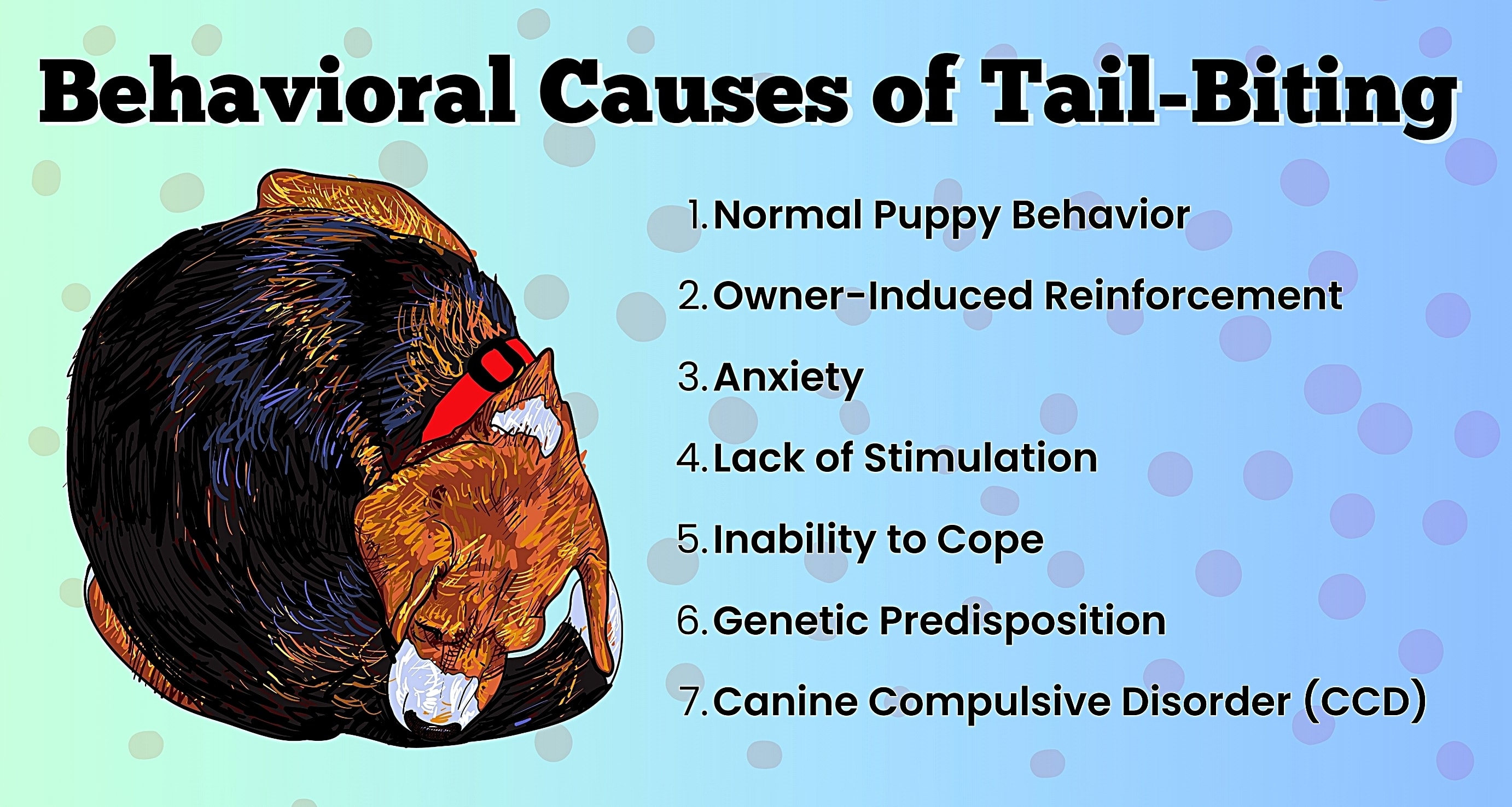
Dog chewing on tail until raw meaning points directly to an intense cycle of physical irritation, neurological discomfort, or profound psychological distress that the animal is trying desperately to alleviate. Unlike normal grooming or brief tail-chasing seen in puppies, frantic chewing that results in open sores indicates that the dog perceives a severe threat or source of pain located on the tail itself. Veterinary professionals divide these triggers into two primary categories: dermatological or orthopedic pain, and behavioral disorders such as canine compulsive disorder. Because dogs cannot verbally communicate where they hurt, targeting the tail becomes their only way to express deep-seated agony or confusion.
Physical and Behavioral Impacts of Unchecked Self-Mutilation
Allowing tail-chewing behavior to continue unchecked can lead to rapid tissue destruction, severe secondary bacterial infections, and permanent physical disfigurement. As the skin breaks down, opportunistic pathogens easily invade the wound, transforming a manageable itch or pain into a painful, weeping infection that intensifies the urge to chew. Furthermore, chronic self-trauma can escalate to the point where partial amputation of the tail becomes medically necessary to stop the cycle of damage. On the psychological front, the stress hormones flooding the dog’s system during these episodes severely diminish overall quality of life and strain the human-animal bond.
Chronic self-trauma in dogs frequently stems from localized pain, neurological abnormalities, or severe anxiety disorders that demand a thorough physical examination. — American Veterinary Medical Association
Practical Steps for Managing and Intervening Safely
Addressing severe tail self-trauma requires a structured approach focused on halting further physical damage while identifying the root catalyst. The immediate priority involves preventing the dog from reaching the tail using a properly fitted Elizabethan collar or a specialized recovery suit, which protects the fragile skin from ongoing trauma. Simultaneously, pet owners must maintain strict wound hygiene as directed by veterinary professionals to keep secondary infections at bay. Punishment or yelling must be entirely avoided, as harsh corrections increase anxiety and frequently worsen compulsive behaviors by adding fear to the mix.
Best Practices and Common Pitfalls in Recovery Management
Successful long-term management relies on patience, environmental enrichment, and strict adherence to prescribed medical protocols. A common pitfall is removing protective barriers too early just because the surface skin appears dry, failing to realize that the underlying trigger remains unresolved. Establishing a predictable daily routine, incorporating puzzle toys, and providing adequate physical exercise help redirect nervous energy away from the tail. Consulting with a qualified professional listed under Dog Training can also assist in building alternative coping strategies for anxious pets.
Environmental enrichment and structured behavioral modification significantly reduce the frequency of compulsive self-directed behaviors in domestic dogs. — American Kennel Club
Pet Care & Wellness Overview Table
| Life Stage | Daily Activity Level | Key Nutrition / Care Focus |
|---|---|---|
| Puppy / Kitten | High (frequent short bursts) | High-protein growth diet & early socialization |
| Adult Companion | Moderate (30–60 mins daily) | Balanced maintenance nutrition & dental hygiene |
| Senior Pets | Low to Gentle (mindful walks) | Joint support (Glucosamine) & routine vet checks |
Images References







Breed Predispositions and Individual Risk Factors
Certain canine breeds possess genetic predispositions that make them more susceptible to the specific conditions underlying severe tail chewing. German Shepherds and other large herding breeds, for instance, frequently experience spinal disorders or neurological conditions like cauda equina syndrome, which can manifest as painful sensations perceived in the lower back and tail. Conversely, smaller terrier breeds may be more prone to severe environmental allergies that trigger intense itching around the hindquarters. Exploring resources focused on Dog Breeds helps owners understand these inherent vulnerabilities and discuss targeted screening with their veterinarians.
When to Consult a Veterinary Professional Immediately
Professional veterinary intervention is mandatory whenever a dog breaks the skin, bleeds, or shows signs of infection from tail chewing. A comprehensive clinical evaluation is essential to rule out hidden medical causes such as impacted anal sacs, flea allergy dermatitis, tail fractures, or nerve damage. For complex cases involving persistent psychological compulsions, partnering with a veterinary behaviorist ensures that any recommended medical therapies or behavior modification plans are safe and effective. Readers seeking further insights into maintaining overall wellness can explore articles on Dog Health and Dog Care.
Supporting Long-Term Healing and Canine Well-Being
Resolving chronic tail self-mutilation is a journey that requires careful observation, veterinary partnership, and unwavering dedication to the animal’s comfort. By addressing both the physical pain and the emotional drivers behind the behavior, owners can restore peace and health to their canine companions. Discover more expert guidance, practical tips, and informative resources by visiting PetsAnimalsWorld.com today.




