

Introduction
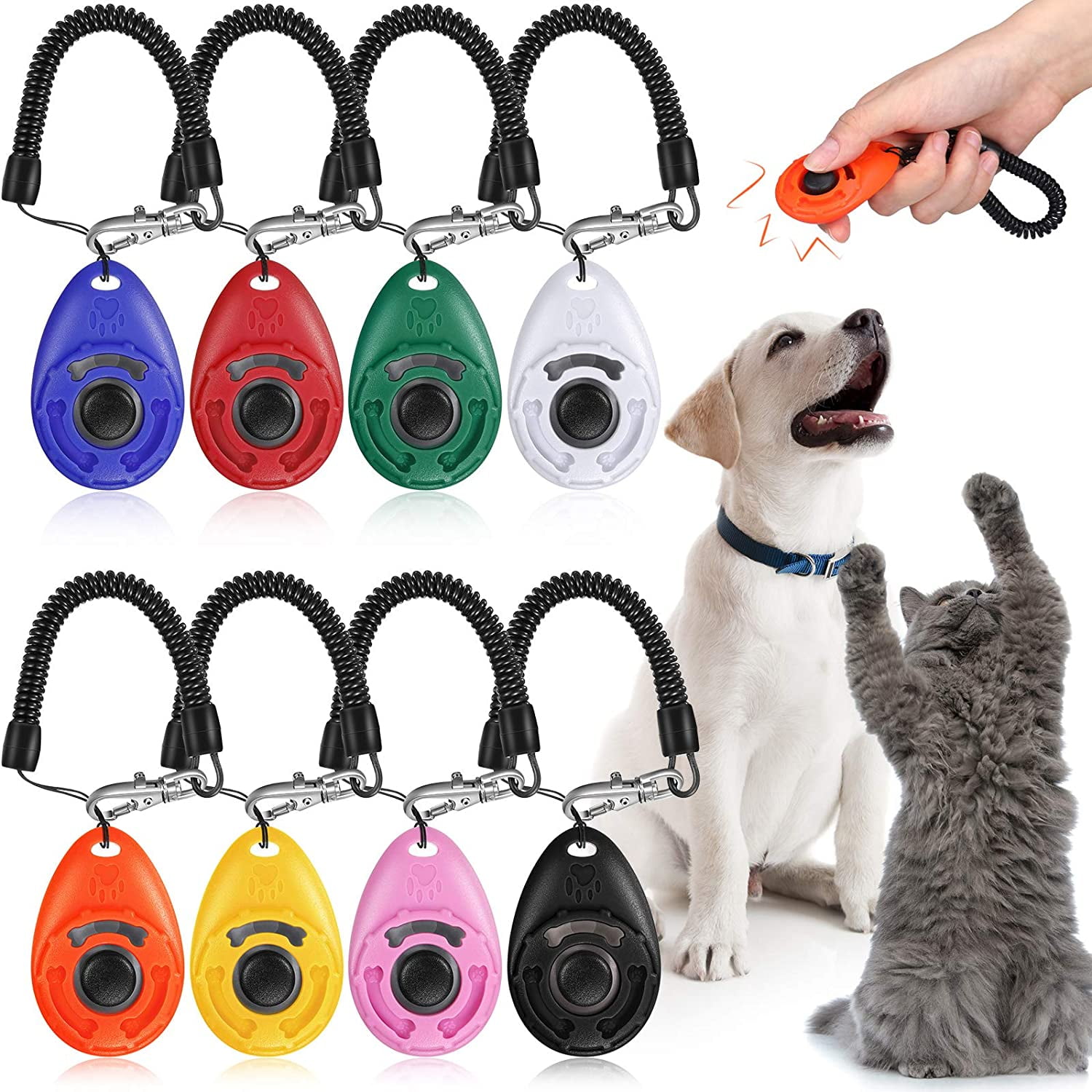
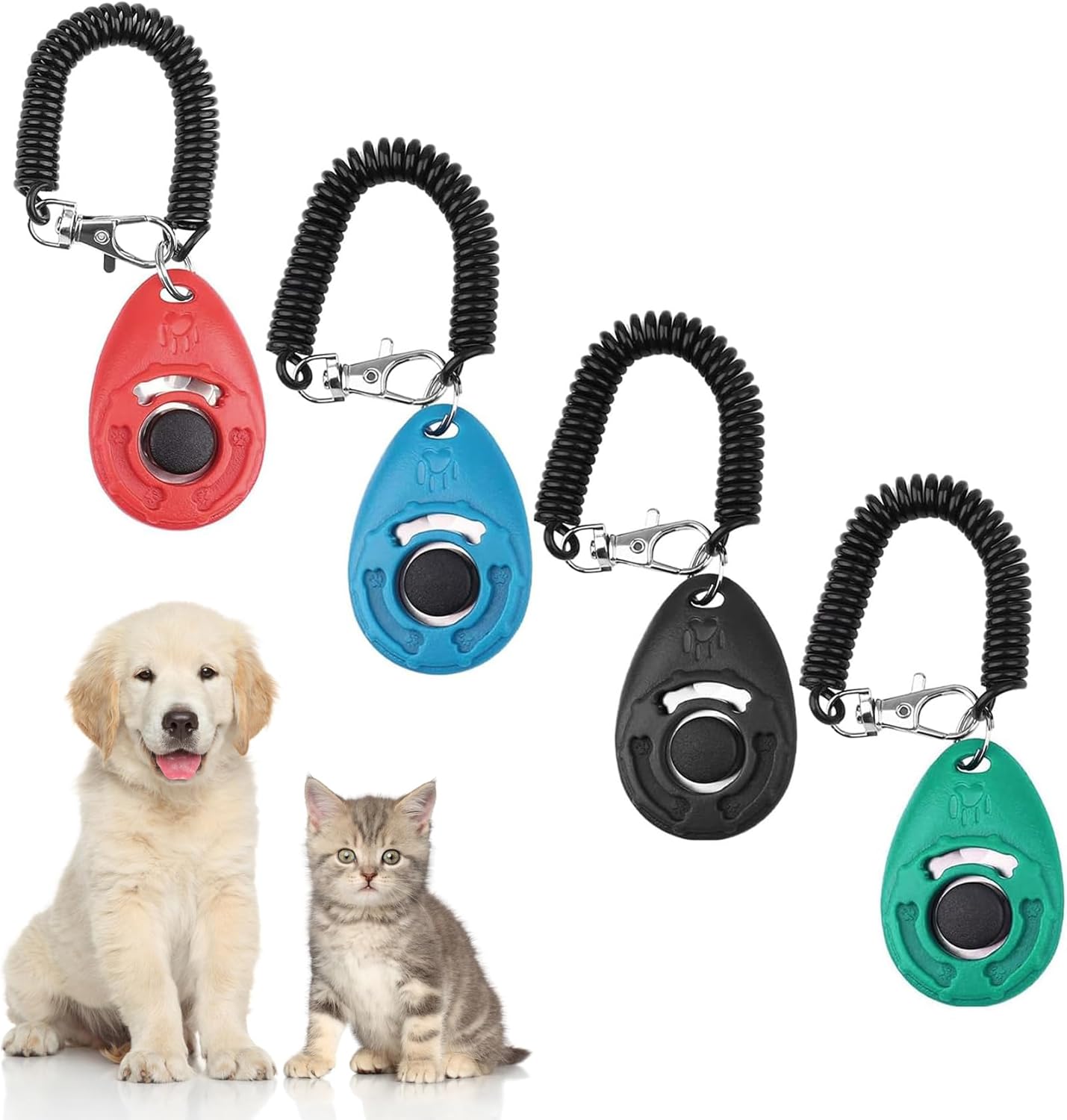
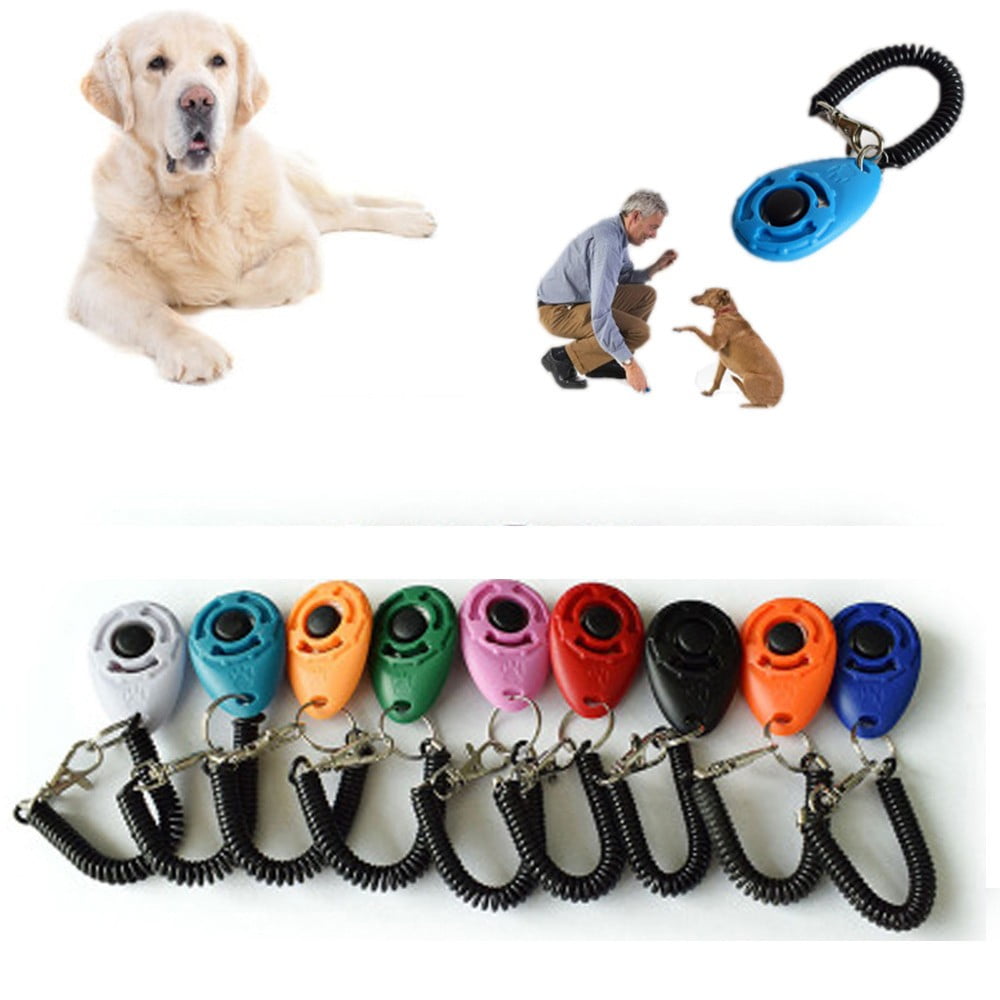
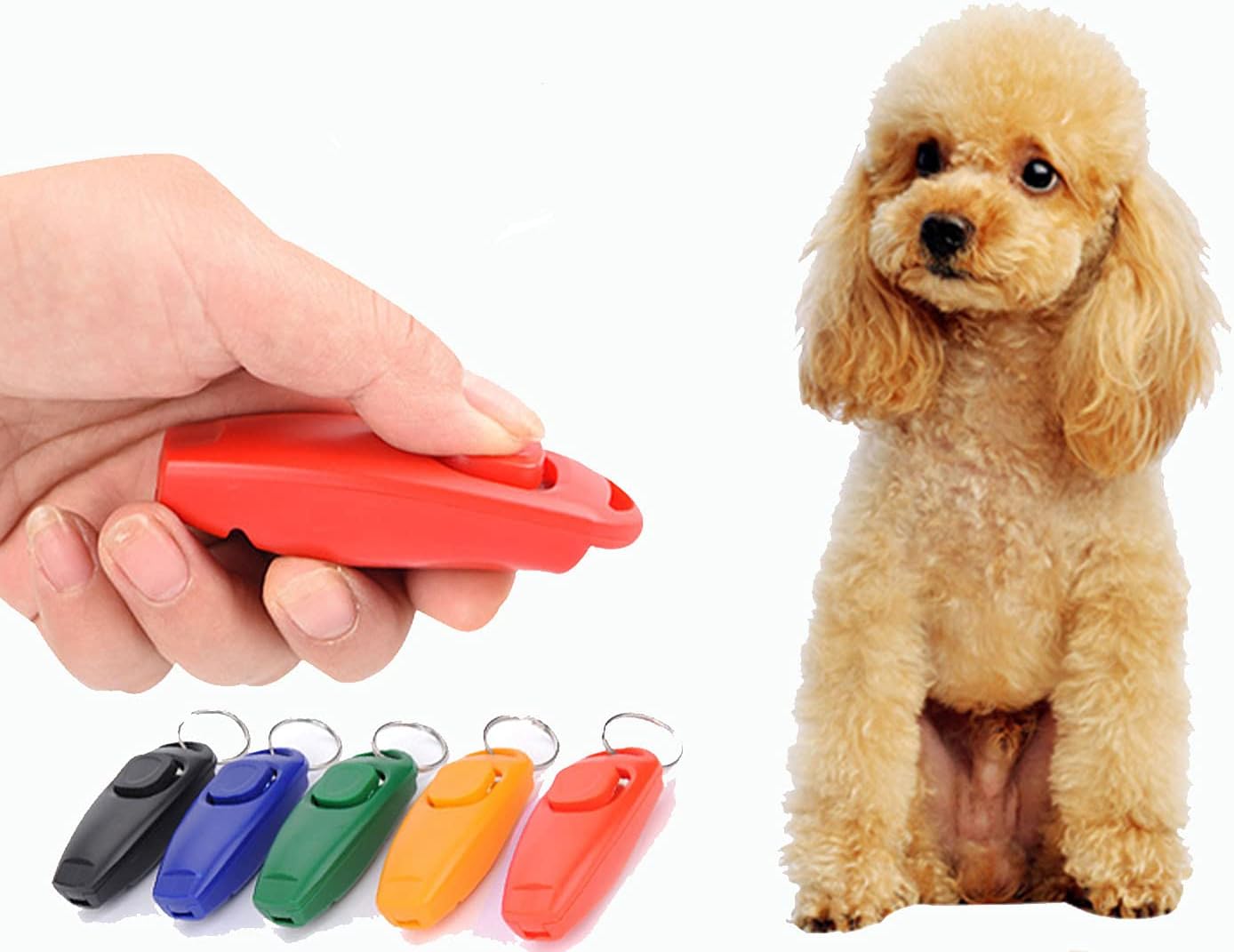
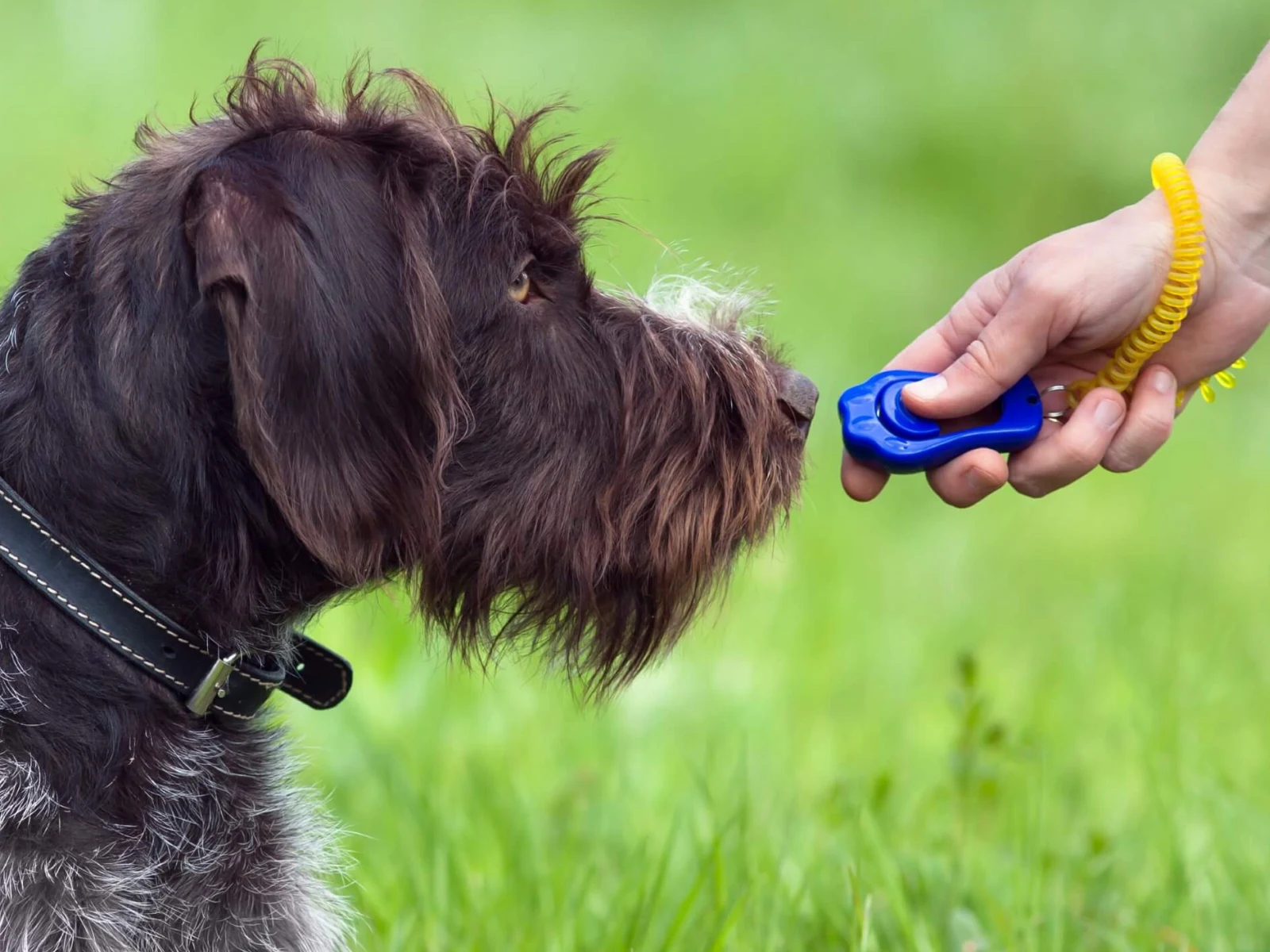
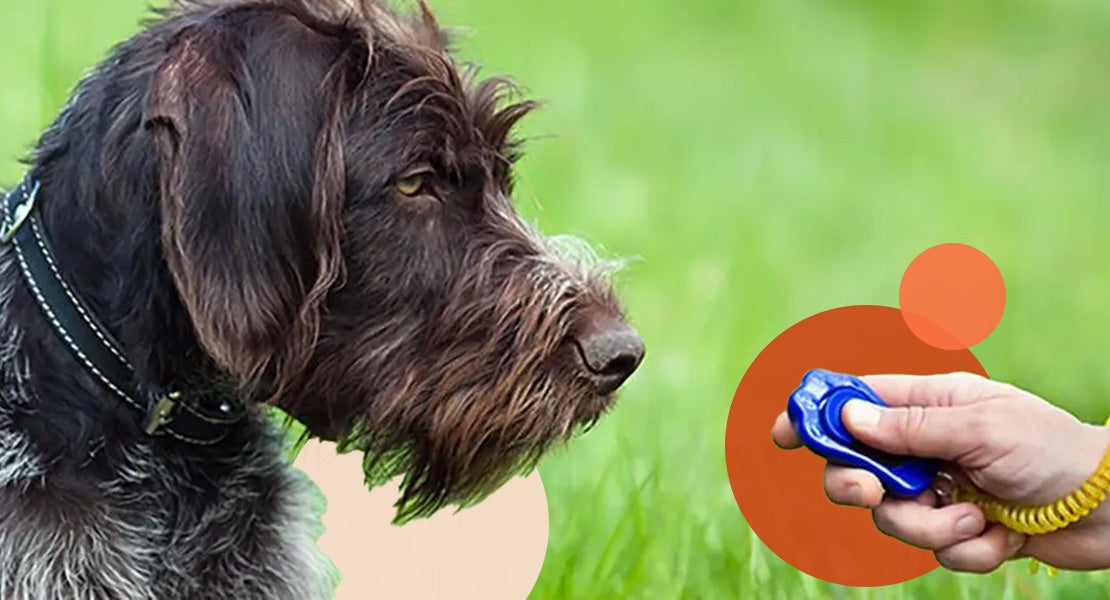
The concept of a dog clicker represents a cornerstone in modern, humane dog training methodologies. Essentially, a dog clicker is a small, hand-held device that produces a distinct, consistent sound. Its significance lies in its ability to facilitate clear and precise communication between a dog and its owner, serving as a powerful tool in positive reinforcement training. This technique is particularly valuable for dog owners seeking to improve their dog’s behavior, teach new commands, or refine existing skills without resorting to punitive methods. Understanding the role and proper application of a dog clicker can profoundly enhance a dogs well-being, strengthen the human-animal bond, and significantly improve overall quality of life through effective, stress-free learning experiences.
💡 Pet Care Key Takeaways:
- Core Focus: Practical health, nutrition, and wellness guidelines for Dog Clicker.
- Target Scope: Pet owners, animal caregivers, and veterinary support staff.
- Best Recommendation: Maintain consistent daily routines and consult an accredited veterinarian before introducing major diet or medical changes.
Common Causes and Key Factors
The efficacy of a dog clicker stems from fundamental principles of animal learning, primarily classical conditioning and operant conditioning. The distinct sound of the clicker acts as a “marker signal,” precisely identifying the desired behavior at the exact moment it occurs. For more related activities, check out our Kikkopupbiting.
One key factor is the precision of timing. Unlike verbal praise, which can be drawn out or vary in tone, the click is instantaneous and unambiguous. This allows a dog to clearly understand what specific action earned a reward, preventing confusion. The click’s neutrality also removes any emotional component that might be present in a human voice, ensuring consistent feedback.
Another crucial element is classical conditioning, where the clicker sound is paired repeatedly with a high-value reward, typically a small treat. This process, often called “loading the clicker,” conditions the dog to associate the click with something positive and desirable, transforming the click into a “secondary reinforcer.” Once conditioned, the click itself becomes a predictor of a treat, motivating the dog to repeat the behavior that preceded the sound.
Furthermore, the clicker’s consistent sound cuts through environmental distractions more effectively than verbal cues, making it an excellent tool for training in various settings. This clear communication fosters a positive learning environment, reducing frustration for both the dog and the trainer, and ultimately leading to faster acquisition of new behaviors.
Signs and Symptoms to Observe
When utilizing a dog clicker in training, several observable signs indicate a dogs understanding and engagement with the method. Initially, during the “loading” phase, a dog might show a mild startle response to the click, quickly followed by an eager anticipation of the treat. This rapid association signifies successful conditioning.
As training progresses, dogs typically exhibit a heightened level of focus and enthusiasm. They may watch the owner expectantly, respond promptly to the click, and display a willingness to offer behaviors in an attempt to elicit the click and subsequent reward. A common indicator is a dog actively trying various actions when presented with a training scenario, often referred to as “offering behaviors,” as it tries to figure out what earns the click.
Dogs trained with a clicker often appear more confident and less stressed during learning, as the clear feedback eliminates much of the guesswork. Instead of showing signs of confusion or hesitation, a well-engaged dog will display an attentive posture, alert ears, and a soft, interested gaze, demonstrating its active participation in the training process. These positive behavioral changes reflect a dog’s understanding of the clicker’s role as a precise indicator of successful action.
Practical Solutions and Management Strategies
Effective use of a dog clicker involves a structured approach that maximizes its potential as a communication tool. The initial step is to “load the clicker.” This involves repeatedly clicking and immediately giving a high-value treat, without asking for any specific behavior. This process, typically done in short sessions for several days, creates the strong positive association between the click sound and a reward.
Once the clicker is loaded, the focus shifts to marking desired behaviors. Timing is paramount: the click must occur precisely at the moment the dog performs the action correctly. For instance, when teaching a “sit,” the click happens the instant the dog’s rear touches the ground, followed immediately by a treat. This pinpoint accuracy helps the dog understand exactly what action is being rewarded.
Behaviors can be taught through various methods using the clicker. Luring involves using a treat to guide a dog into a position, clicking as they achieve it. Shaping breaks down complex behaviors into smaller steps, clicking and rewarding successive approximations until the full behavior is achieved. For example, teaching “roll over” might start with clicking for lying down, then for turning the head, then for a slight body turn, and so on.
Consistency is crucial. Every click must be followed by a reward. Avoid clicking without a treat, as this can diminish the clicker’s value. Keep training sessions short, positive, and fun to maintain the dog’s engagement. As a dog consistently performs a behavior on cue, the clicker can gradually be faded out, with the verbal cue and occasional variable reinforcement taking over as the primary motivators.
When Professional Help May Be Needed
While a dog clicker is an invaluable tool for many training scenarios, there are situations where professional guidance can provide significant benefit. If a dog owner encounters persistent behavioral challenges such as aggression, severe anxiety, or deeply ingrained undesirable habits that are not responding to consistent clicker training, consultation with a certified professional dog trainer or a veterinary behaviorist is advisable. These experts possess the knowledge to diagnose underlying issues and develop comprehensive behavior modification plans.
Additionally, if a dog owner struggles with the correct application of clicker training techniques, such as timing the click accurately or breaking down complex behaviors into manageable steps, a professional can offer hands-on instruction and tailored advice. For individuals pursuing specialized training goals, such as competitive obedience, agility, or therapy dog work, a professional trainer can provide advanced strategies and insights that build upon foundational clicker skills. Recognizing when external expertise is necessary ensures the most effective and humane approach to a dog’s training and behavioral well-being.
Conclusion
The dog clicker stands as a testament to the effectiveness of positive reinforcement in creating a harmonious relationship between dogs and their human companions. Its power lies in its ability to provide clear, immediate, and consistent feedback, fostering a deeper understanding between species. By mastering the art of the click, owners equip themselves with a precise communication tool that encourages desirable behaviors, builds confidence, and transforms training into an enjoyable, rewarding experience. Embracing this method demonstrates a commitment to humane training practices, ultimately leading to a well-adjusted, happy dog and a stronger, more fulfilling bond for years to come.
Pet Care & Wellness Overview Table
| Life Stage | Daily Activity Level | Key Nutrition / Care Focus |
|---|---|---|
| Puppy / Kitten | High (frequent short bursts) | High-protein growth diet & early socialization |
| Adult Companion | Moderate (30–60 mins daily) | Balanced maintenance nutrition & dental hygiene |
| Senior Pets | Low to Gentle (mindful walks) | Joint support (Glucosamine) & routine vet checks |
Images References



For more expert pet care tips and advice, check out our dedicated Dog Training guides to keep your companions healthy and happy.




