Understanding dog dental health tips mediprime in Everyday Pet Care
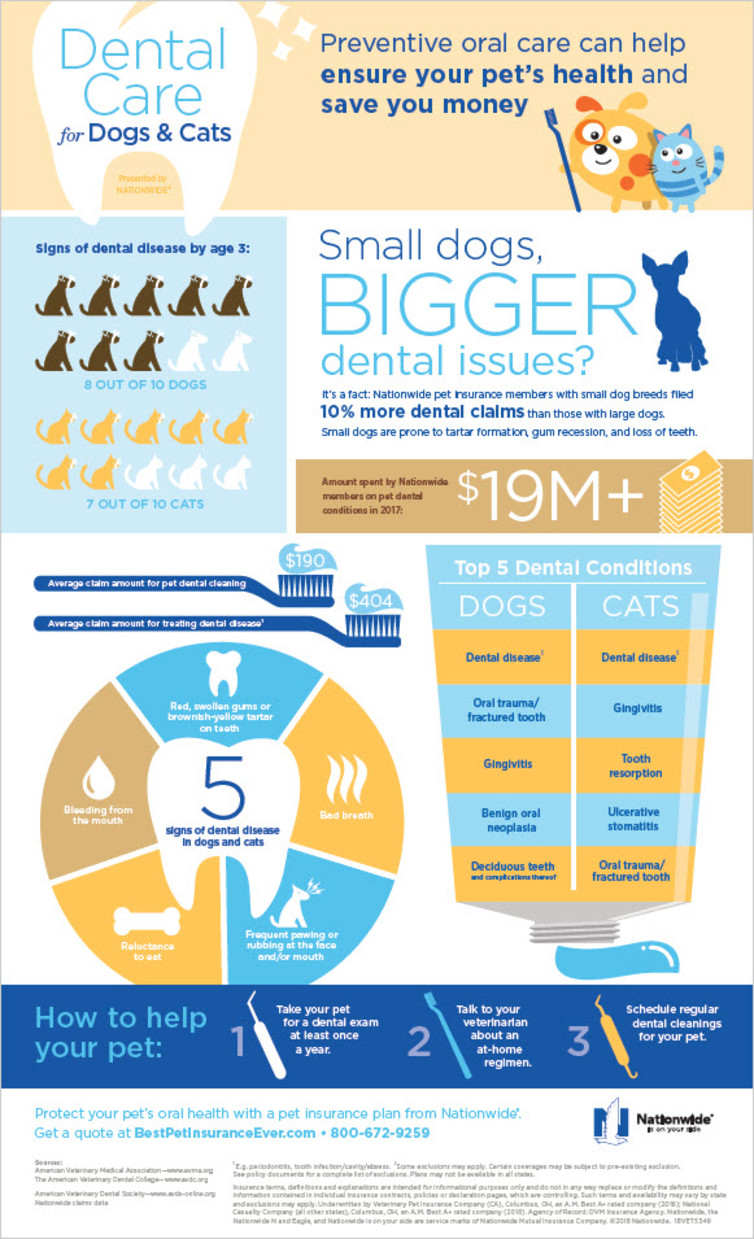
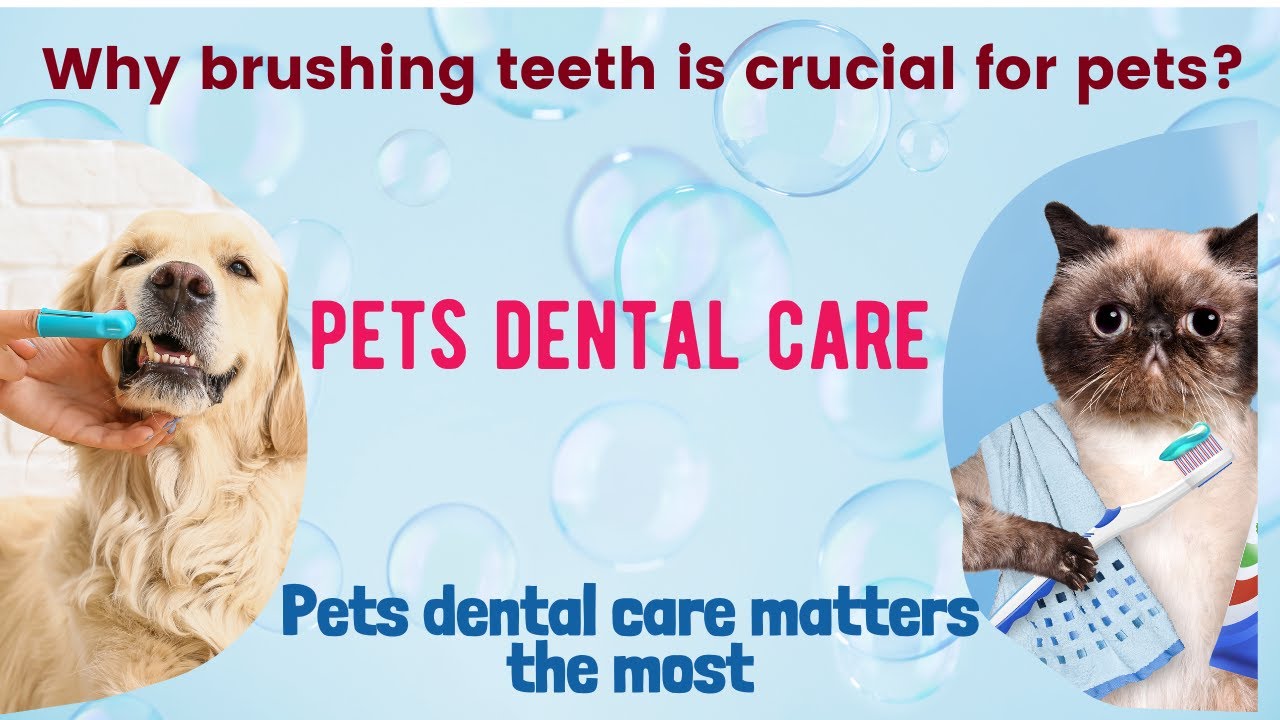
Maintaining a canine companion’s oral hygiene is a cornerstone of overall wellness, influencing everything from systemic health to daily mood. According to guidelines set by the American Veterinary Medical Association (AVMA) and the American Animal Hospital Association (AAHA), periodontal disease affects the vast majority of dogs by the time they reach middle age. When pet owners integrate dog dental health tips mediprime into their weekly schedules, they actively prevent plaque mineralization and painful gum inflammation. By understanding the biological trigger—bacteria mixing with saliva and food particles to form plaque that rapidly hardens into tartar—owners can shift from reactive treatments to proactive, stress-free hygiene routines.
💡 Pet Care Key Takeaways:
- Core Focus: Practical health, nutrition, and wellness guidelines for Dog Dental Health Tips Mediprime.
- Target Scope: Pet owners, animal caregivers, and veterinary support staff.
- Best Recommendation: Maintain consistent daily routines and consult an accredited veterinarian before introducing major diet or medical changes.
Signals & Patterns Owners Should Watch
Dogs are masters at masking discomfort, often continuing to eat despite severe oral pain due to their ancestral survival instincts. However, careful observation of subtle shifts in daily routines, chewing habits, and facial expressions can reveal underlying dental distress long before a crisis occurs. Integrating principles from the International Association of Animal Behavior Consultants (IAABC), we know that sudden behavioral changes, such as dropping kibble, reluctance to chew on hard toys, or uncharacteristic withdrawal, are frequently linked to physical discomfort rather than pure behavioral stubbornness.
| Observed Sign | Likely Underlying Trigger | Best Owner Response |
|---|---|---|
| Occasional mild drooling or slight hesitation when accepting hard treats | Normal dietary transition, minor gum sensitivity, or fatigue | Monitor intake, observe consistency, and ensure fresh water is available |
| Pawing at the mouth, chewing on one side of the mouth, or dropping food | Early-stage gingivitis, mild tooth trauma, or localized pain | Incorporate gentle handling exercises and explore foundational resources in Dog Training to ease oral examination stress |
| Pronounced halitosis, visible brown tartar accumulation, or reluctance to let you touch the muzzle | Advanced periodontal disease, tooth root abscess, or oral infection | Schedule a comprehensive veterinary evaluation for professional dental staging and potential cleaning |
Daily Routine Adjustments & Supportive Care
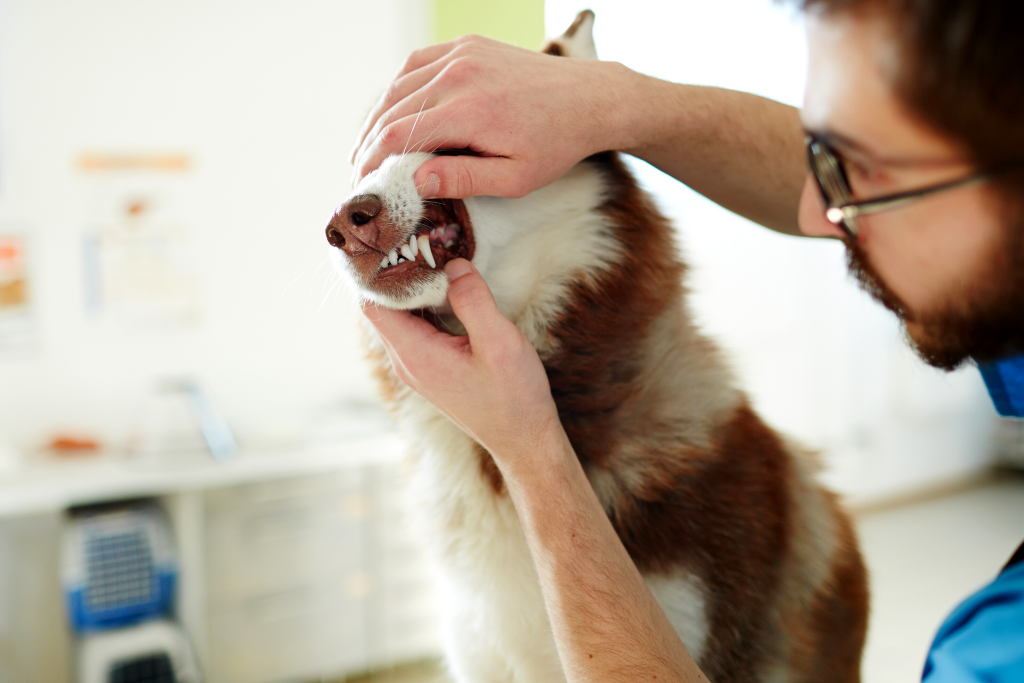
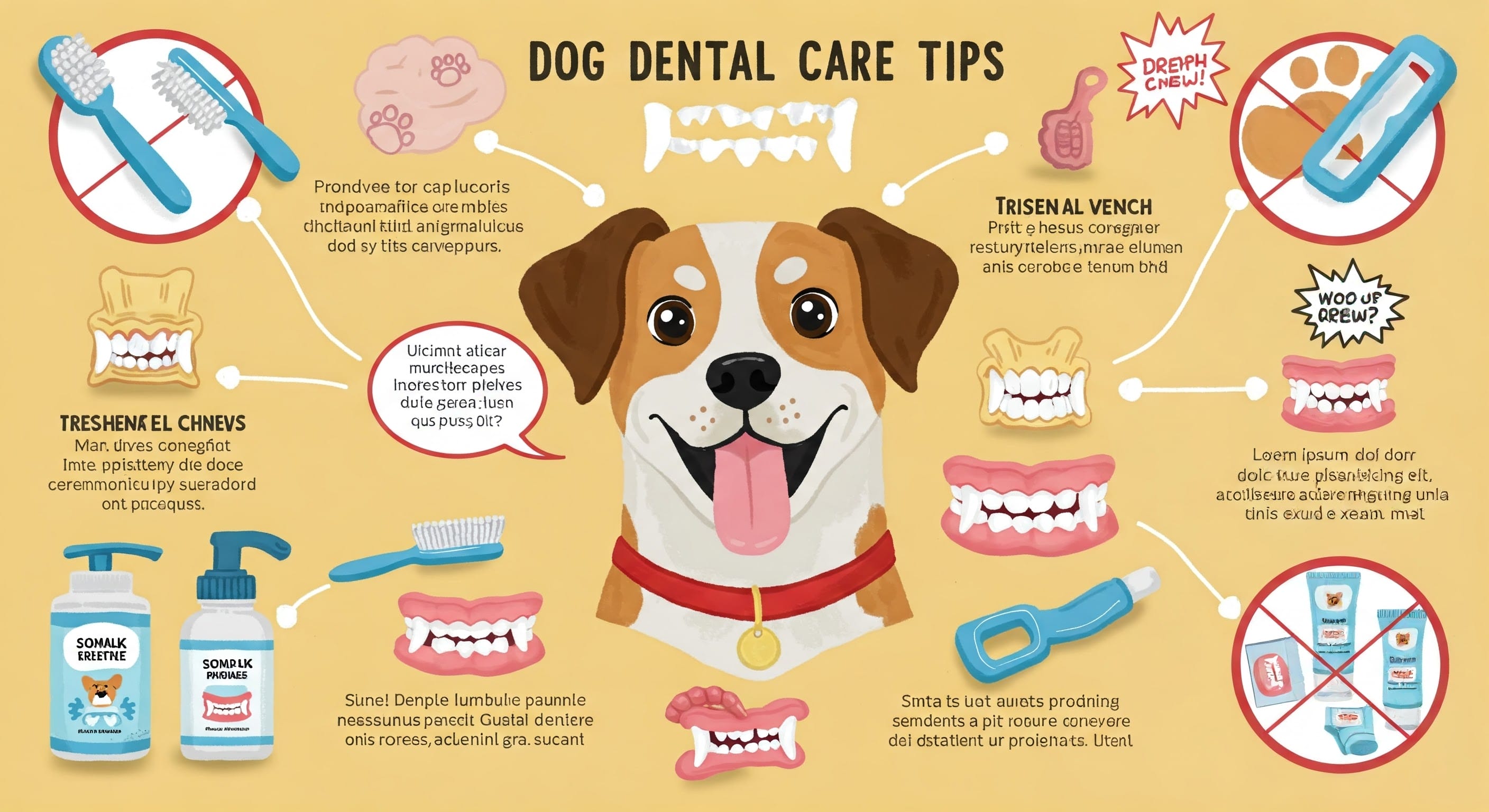
Establishing a sustainable oral care regimen relies heavily on positive reinforcement and gradual desensitization. Never force a dog’s mouth open, as this triggers defensive responses and creates lasting fear. Instead, pair touch with high-value rewards, slowly working up from touching the outer lips to gently lifting the gums. Alongside daily tooth-brushing using pet-safe enzymatic toothpaste, incorporating specialized dental chews and raw fiber options from Dog Nutrition can mechanically reduce plaque accumulation during active chewing sessions. Consistent environmental enrichment, such as puzzle feeders that encourage saliva production, further supports natural oral self-cleaning mechanisms.
When Home Observation Is Not Enough
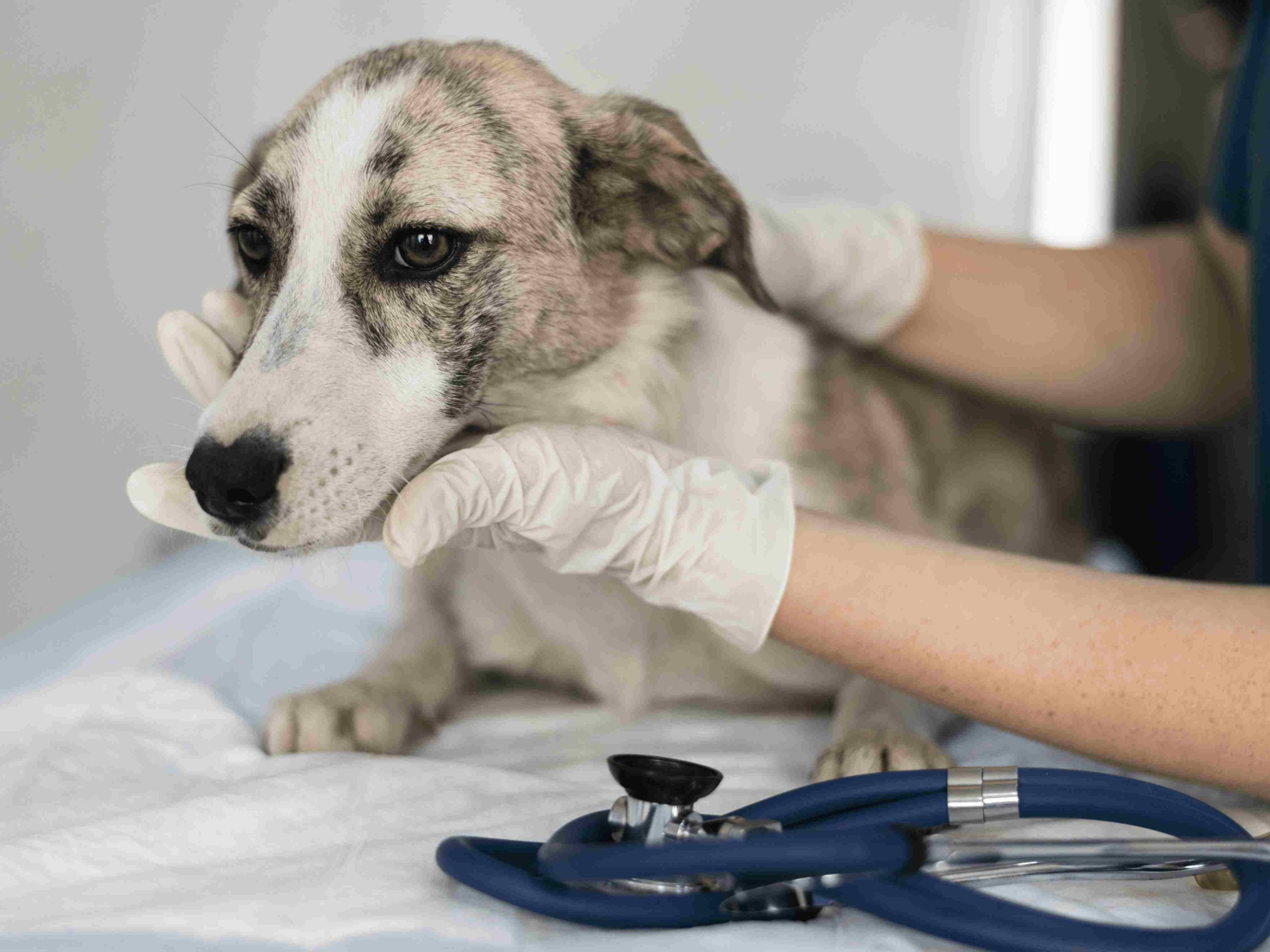
While at-home preventive measures are vital, they cannot replace professional veterinary dental cleanings performed under anesthesia. Owners should maintain open communication with their veterinary team, utilizing guidance found in Dog Health to track systemic signs like lethargy or decreased appetite. When visiting the clinic, bring a log of your dog’s eating habits, short videos of any unusual chewing mechanics, and a list of current supplements. Prompt veterinary triage prevents localized oral bacteria from entering the bloodstream and potentially affecting major organs like the heart, kidneys, and liver.
Pet Parent Q&A
How often should I brush my dog’s teeth at home?
Daily brushing is the gold standard recommended by veterinary dental specialists to disrupt plaque before it hardens into tartar. If daily sessions are not immediately possible, aiming for at least three to four times a week will still yield significant health benefits.
Are human toothpastes safe to use on dogs?
Never use human toothpaste on dogs, as products containing fluoride or artificial sweeteners like xylitol are highly toxic to canines. Always select poultry, beef, or malt-flavored enzymatic toothpastes formulated specifically for pets.
Can dry kibble alone keep my dog’s teeth clean?
Standard commercial dry kibble shatters immediately upon contact with the tooth crown, offering very little mechanical cleaning action for the gumline. Effective dental hygiene requires a combination of specialized mechanical chews, enzymatic pastes, and regular veterinary cleanings.
More Pet Health & Behavior Guides on PetsAnimalsWorld
Empowering yourself with accurate, veterinary-backed knowledge ensures your canine companion lives a comfortable, pain-free life. Continue exploring expert-led advice, training guides, and wellness tips by visiting PetsAnimalsWorld.com for all your everyday pet care needs.
Visual Reference Gallery