

Introduction
Understanding the phrase “dog diarrhea cure” is paramount for responsible canine guardianship. This term refers to the identification and implementation of effective strategies to alleviate and resolve cases of canine diarrhea, a common gastrointestinal upset characterized by loose, watery stools. Diarrhea in dogs can range from a mild, self-limiting issue to a symptom of a more serious underlying health concern. Its importance stems from the direct impact it has on a dog’s comfort, nutrient absorption, and overall vitality. Timely and appropriate intervention, whether through home remedies or veterinary care, is crucial to prevent dehydration, nutritional deficiencies, and the progression of potential illnesses. By grasping the nuances of managing this condition, dog owners can significantly enhance their companion’s well-being and contribute to a higher quality of life.
💡 Pet Care Key Takeaways:
- Core Focus: Practical health, nutrition, and wellness guidelines for Dog Diarrhea Cure.
- Target Scope: Pet owners, animal caregivers, and veterinary support staff.
- Best Recommendation: Maintain consistent daily routines and consult an accredited veterinarian before introducing major diet or medical changes.
Common Causes and Key Factors
Diarrhea in dogs often arises from a variety of factors, making a precise “dog diarrhea cure” dependent on accurate identification of the root cause. One of the most frequent culprits is dietary indiscretion, where a dog consumes spoiled food, garbage, or non-food items that irritate the digestive system. Abrupt changes in diet, such as switching dog food brands too quickly, can also upset the gastrointestinal flora, leading to loose stools. For more related activities, check out our Breeds Susceptable To Diabetes.
Internal parasites, including roundworms, hookworms, whipworms, and giardia, are a common biological factor, especially in puppies or dogs that spend time in contaminated environments. Bacterial infections like salmonella or campylobacter, and viral infections such as parvovirus or distemper, represent more severe infectious causes. Stress and anxiety, triggered by changes in routine, new environments, or separation, can also manifest physically as digestive upset.
Food allergies or intolerances to specific ingredients, certain medications, or the ingestion of toxic substances (e.g., certain plants, human medications, household chemicals) are other significant factors. Furthermore, underlying health conditions such as inflammatory bowel disease, exocrine pancreatic insufficiency, kidney disease, liver disease, or even certain types of cancer can present with diarrhea as a primary symptom.
Signs and Symptoms to Observe
Observing the specific signs and symptoms associated with canine diarrhea is essential for determining the appropriate “dog diarrhea cure” strategy. The most obvious indicator is a change in stool consistency, ranging from soft and poorly formed to watery or entirely liquid. The frequency of bowel movements may also increase significantly.
Beyond consistency, owners should note the color and content of the stool. Black, tarry stools (melena) can indicate bleeding higher in the digestive tract, while bright red blood (hematochezia) suggests bleeding lower down. Mucus in the stool might point to inflammation in the large intestine.
Accompanying symptoms provide critical clues. These can include vomiting, loss of appetite, lethargy, fever, abdominal pain (indicated by a hunched posture or sensitivity to touch), and signs of dehydration such as sunken eyes, dry gums, and reduced skin elasticity. Puppies and elderly dogs are particularly vulnerable to dehydration and can deteriorate rapidly. The severity and duration of these symptoms can vary based on the dog’s age, breed, and overall health status, with younger animals generally being more susceptible to rapid dehydration and more severe outcomes from infectious agents.
Practical Solutions and Management Strategies
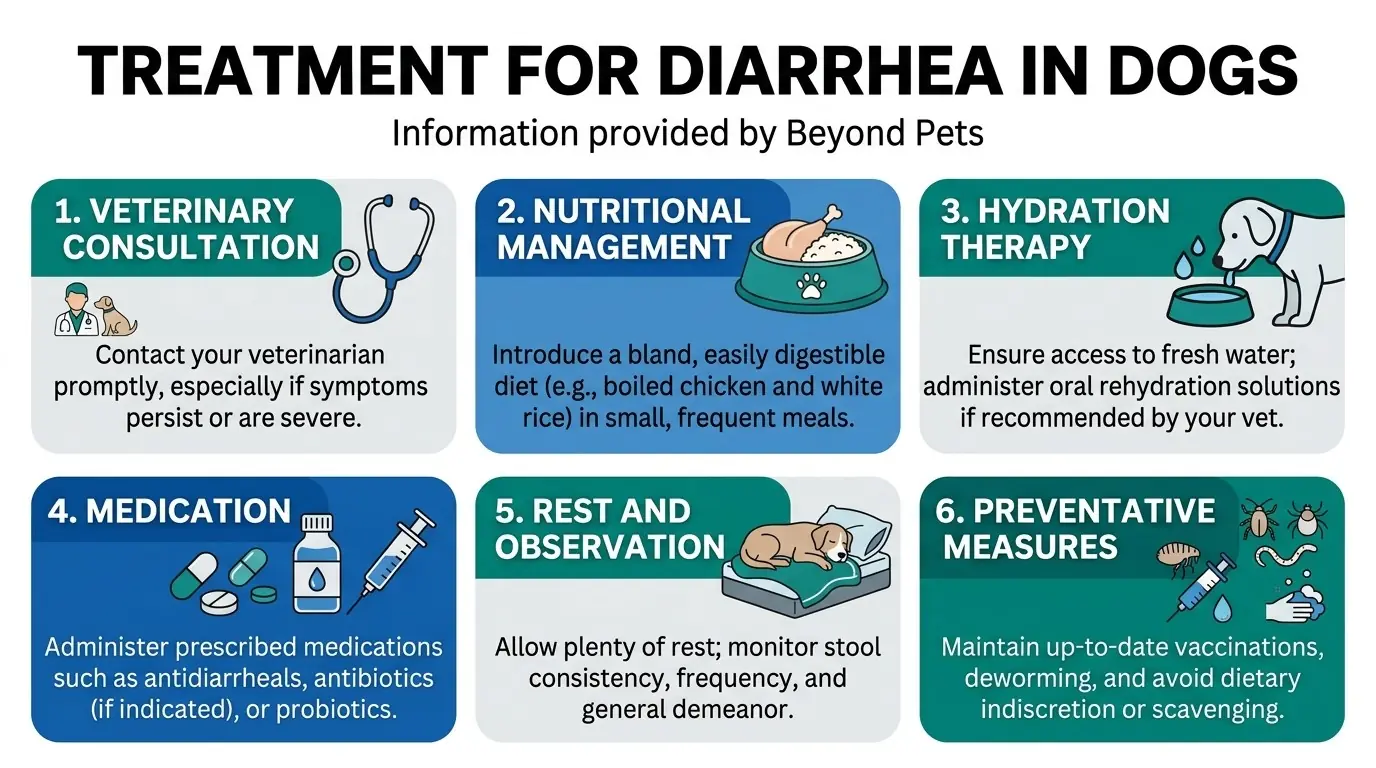
Implementing practical solutions and management strategies can often serve as an effective “dog diarrhea cure” for mild, uncomplicated cases. The initial approach frequently involves a short period of fasting, typically 12 to 24 hours, to allow the digestive system to rest and recover. During this time, constant access to fresh water is vital to prevent dehydration.
Following the fast, a bland diet is usually introduced. This typically consists of boiled, plain white rice mixed with small amounts of boiled, skinless, boneless chicken or lean ground beef. Plain canned pumpkin (not pumpkin pie filling) can also be beneficial due to its fiber content, which helps regulate bowel movements. This bland diet should be fed in small, frequent meals for a few days, gradually transitioning back to the dog’s regular food once stool consistency returns to normal.
Dietary adjustments play a key role in prevention and management. Any changes to a dog’s regular food should be introduced gradually over 7 to 10 days, mixing increasing amounts of the new food with decreasing amounts of the old. Preventing access to garbage, table scraps, and unknown substances during walks is also crucial. Some veterinarians may recommend specific canine probiotics to help restore beneficial gut bacteria, particularly after antibiotic treatment. Environmental management, such as maintaining a consistent routine and providing a calm living space, can reduce stress-induced digestive upset.
When Professional Help May Be Needed
While many cases of canine diarrhea resolve with simple home care, recognizing when professional veterinary help is necessary is a critical aspect of ensuring a dog’s health. A visit to the veterinarian becomes imperative if diarrhea persists for more than 24 to 48 hours, especially if no improvement is observed after implementing bland diet changes.
Immediate veterinary attention is required if other severe symptoms accompany the diarrhea. These include excessive or projectile vomiting, significant lethargy or weakness, apparent abdominal pain (such as whining, hunching, or refusing to be touched), or a noticeable decrease in appetite. The presence of blood (either bright red or dark, tarry stools) or an unusual odor in the feces also warrants urgent professional evaluation.
Puppies, elderly dogs, and dogs with pre-existing health conditions are more susceptible to severe complications from diarrhea, such as rapid dehydration, and should be seen by a veterinarian much sooner, often within 12-24 hours of symptoms appearing. If there is any suspicion that a dog has ingested a toxic substance or a foreign object, veterinary consultation should not be delayed, regardless of the severity of the diarrhea, as timely intervention can be life-saving.
Conclusion
Navigating the challenge of canine diarrhea requires a combination of astute observation, informed decision-making, and often, a partnership with veterinary professionals. Understanding the common causes, recognizing the varied signs, and implementing practical home management strategies are foundational steps in seeking a “dog diarrhea cure.” While many instances of loose stools are transient and respond well to dietary adjustments, a keen awareness of when symptoms necessitate professional veterinary intervention is paramount for preventing serious health complications. Consistent attention to a dog’s diet, environment, and overall health, coupled with prompt action when digestive upset occurs, significantly contributes to their long-term well-being. Proactive care and a responsible approach to canine health ensure that beloved companions remain vibrant and healthy members of the family.
Pet Care & Wellness Overview Table
| Life Stage | Daily Activity Level | Key Nutrition / Care Focus |
|---|---|---|
| Puppy / Kitten | High (frequent short bursts) | High-protein growth diet & early socialization |
| Adult Companion | Moderate (30–60 mins daily) | Balanced maintenance nutrition & dental hygiene |
| Senior Pets | Low to Gentle (mindful walks) | Joint support (Glucosamine) & routine vet checks |
Images References






For more expert pet care tips and advice, check out our dedicated Dog Health guides to keep your companions healthy and happy.


