

Introduction
Enhancing communication between a dog and its human companion is a cornerstone of responsible pet ownership. Among the most effective methods for achieving this is dog doorbell training, a practice that teaches canines to signal their need to go outdoors by interacting with a doorbell or similar device. This approach addresses a common challenge for dog owners: how to understand when a dog requires a potty break without relying on less desirable signals such as scratching at doors or, worse, having indoor accidents. By providing a clear, consistent method for communication, doorbell training empowers dogs with greater autonomy, reduces stress for both the animal and the owner, and significantly improves overall household hygiene. Understanding the principles behind this training method can vastly improve a dog’s well-being, foster better behavior, and contribute to a more harmonious living environment.
💡 Pet Care Key Takeaways:
- Core Focus: Practical health, nutrition, and wellness guidelines for Dog Doorbell Training.
- Target Scope: Pet owners, animal caregivers, and veterinary support staff.
- Best Recommendation: Maintain consistent daily routines and consult an accredited veterinarian before introducing major diet or medical changes.
Common Causes and Key Factors
Successful dog doorbell training hinges on understanding the underlying factors that make it necessary and effective. A primary cause for dogs not signaling their potty needs is a fundamental lack of a clear communication system. Many dogs simply do not have an established method to alert their owners, leading to frustration and indoor mishaps. Inconsistent potty break schedules can further exacerbate this issue, as dogs become confused about when they are expected to eliminate outside. Previous negative experiences related to house-training, such as being scolded for accidents, might also make a dog hesitant to signal, fearing reprimand regardless of the context. For more related activities, check out our Iaabc Dog Behavior Welfare Enrichment Training Resources.
Environmental factors also play a significant role. If a household lacks consistent cues or designated areas for dogs to signal, the dog may struggle to develop an effective strategy. Puppyhood learning, if inadequate or inconsistent, can contribute to gaps in house-training communication that manifest later in life. Furthermore, some dog breeds are less vocal or less prone to traditional signaling methods like scratching, making a doorbell an ideal solution. Finally, age and physical limitations in older dogs or those with health issues might impair their ability to hold urine or feces, necessitating a rapid and easily understood communication method.
Signs and Symptoms to Observe
Recognizing a dog’s subtle cues for needing to go outside is crucial, particularly before doorbell training is fully established. Dogs often display a range of observable signs when they require a potty break. These can include pacing restlessly, sniffing intently around the floor, or repeatedly walking towards and standing by the exit door. Some dogs may sit or lie down near the door, exhibiting a quiet persistence, hoping to be noticed.
More overt signals might include whining softly, issuing a low bark, or scratching at the door itself. While these are direct attempts at communication, scratching can damage property, highlighting the need for a less destructive alternative like a doorbell. The ultimate symptom of ineffective communication is, of course, squatting or urinating indoors, which indicates that the dog’s signals were either not understood or that the urgency was too great to wait for recognition. Observing increased anxiety or agitation when a dog needs to eliminate but cannot communicate effectively also points to a need for improved signaling tools. The manifestation of these signs can vary significantly based on a dog’s individual personality, breed characteristics, and the consistency of previous training.
Practical Solutions and Management Strategies
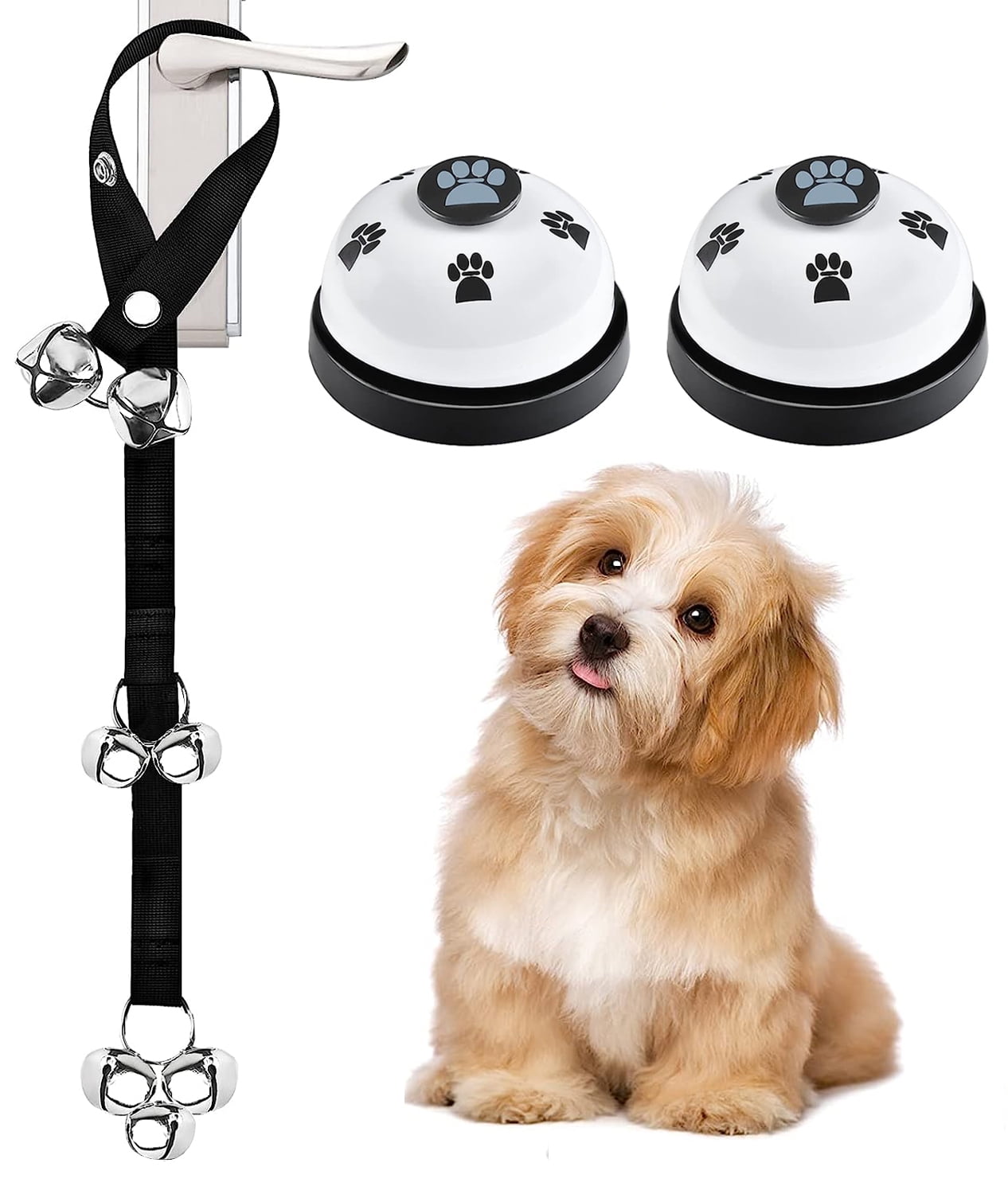
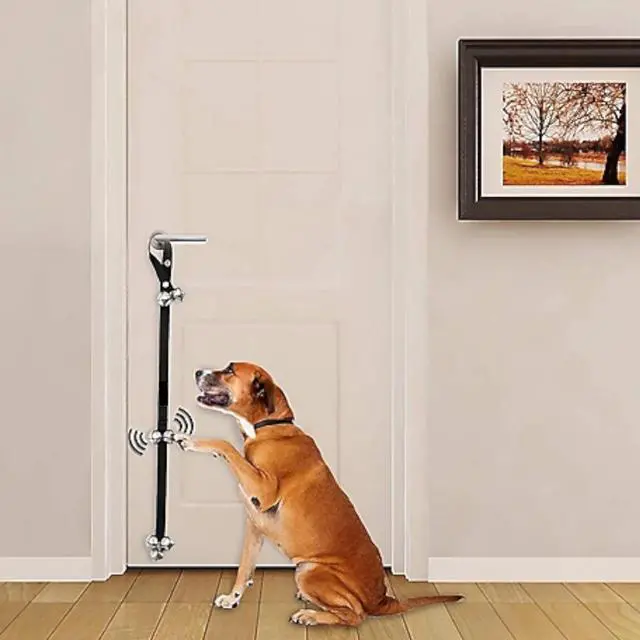
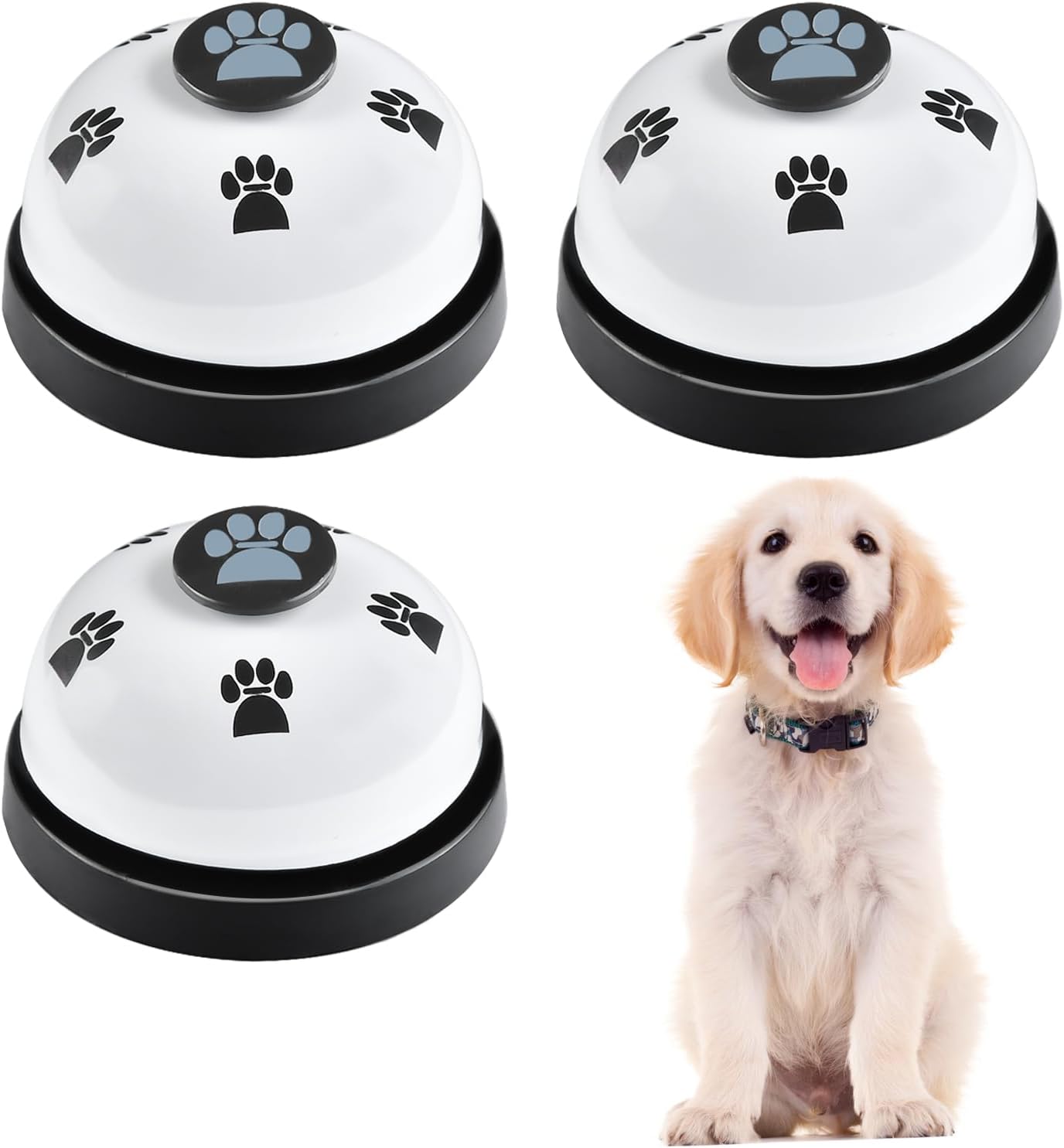
Implementing dog doorbell training involves a structured, positive reinforcement approach. The initial step requires selecting an appropriate doorbell system; options range from simple hanging bells that a dog nudges with its nose or paw, to more sophisticated push-button devices. Placing the doorbell at the dogs nose or paw height near the exit door is essential for accessibility.
Training commences with forming a strong association between the doorbell and going outside. Each time a dog is taken out for a potty break, an owner rings the bell, immediately opens the door, and then proceeds outside. This repetition helps the dog connect the sound of the bell with the desired outcome. The next phase involves encouraging the dog to actively engage with the bell. This can be achieved through “target training,” where a treat is held near the doorbell, prompting the dog to touch it with its nose or paw. The instant the dog makes contact, the bell is rung, a marker word like “yes” is used, a treat is given, and the dog is immediately taken outside.
Consistency is paramount. Every family member must adhere to the same routine, ensuring the bell is rung every single time the dog exits for a potty break. A consistent feeding and potty schedule also aids in predicting a dog’s needs, making training more predictable. As the dog begins to voluntarily ring the bell, gradually fade the prompts, waiting for the dog to initiate the action independently. Positive reinforcement, through verbal praise and high-value treats, must be delivered immediately after the dog uses the bell correctly and eliminates outdoors. Troubleshooting excessive ringing typically involves ignoring unwarranted rings and only responding to rings followed by successful elimination, while a lack of ringing requires a return to foundational association and target training.
When Professional Help May Be Needed
While dog doorbell training is highly effective for most canines, certain situations may warrant professional intervention. Persistent house-training regressions or an inability to make progress despite consistent, diligent training efforts signal a need for expert guidance. If a dog exhibits significant fear or anxiety around the doorbell itself, or displays extreme reluctance to go outside, a professional trainer or veterinary behaviorist can assess the underlying causes and develop a tailored approach.
Any sudden or dramatic changes in a dog’s potty habits, such as increased frequency, difficulty urinating, or changes in stool consistency, should always prompt a veterinary consultation. These symptoms could indicate an underlying medical condition requiring treatment, rather than a training issue. Furthermore, if training attempts lead to aggressive behaviors or resource guarding of the doorbell, a certified professional dog trainer can provide specialized strategies to manage and resolve these complex behavioral challenges safely and effectively. Seeking professional assistance ensures the dog’s well-being and helps achieve training goals more efficiently.
Conclusion
Dog doorbell training represents a powerful investment in a dog’s well-being and the harmony of a household. By teaching canines a clear, effective method to signal their need to go outside, owners can significantly reduce indoor accidents, foster greater independence for their pets, and strengthen the overall bond. The success of this training relies on a foundation of consistency, patience, and positive reinforcement, transforming a common household challenge into an opportunity for enhanced communication. Recognizing subtle cues, implementing structured training steps, and responding appropriately to the dog’s efforts are all integral to this process. Should challenges arise, understanding when to seek professional veterinary or training support ensures that every dog has the opportunity to communicate its needs effectively. Ultimately, dog doorbell training is a testament to the powerful connection between humans and their canine companions, paving the way for a more respectful and comfortable shared life.
Pet Care & Wellness Overview Table
| Life Stage | Daily Activity Level | Key Nutrition / Care Focus |
|---|---|---|
| Puppy / Kitten | High (frequent short bursts) | High-protein growth diet & early socialization |
| Adult Companion | Moderate (30–60 mins daily) | Balanced maintenance nutrition & dental hygiene |
| Senior Pets | Low to Gentle (mindful walks) | Joint support (Glucosamine) & routine vet checks |
Images References




For more expert pet care tips and advice, check out our dedicated Dog Training guides to keep your companions healthy and happy.




