Introduction
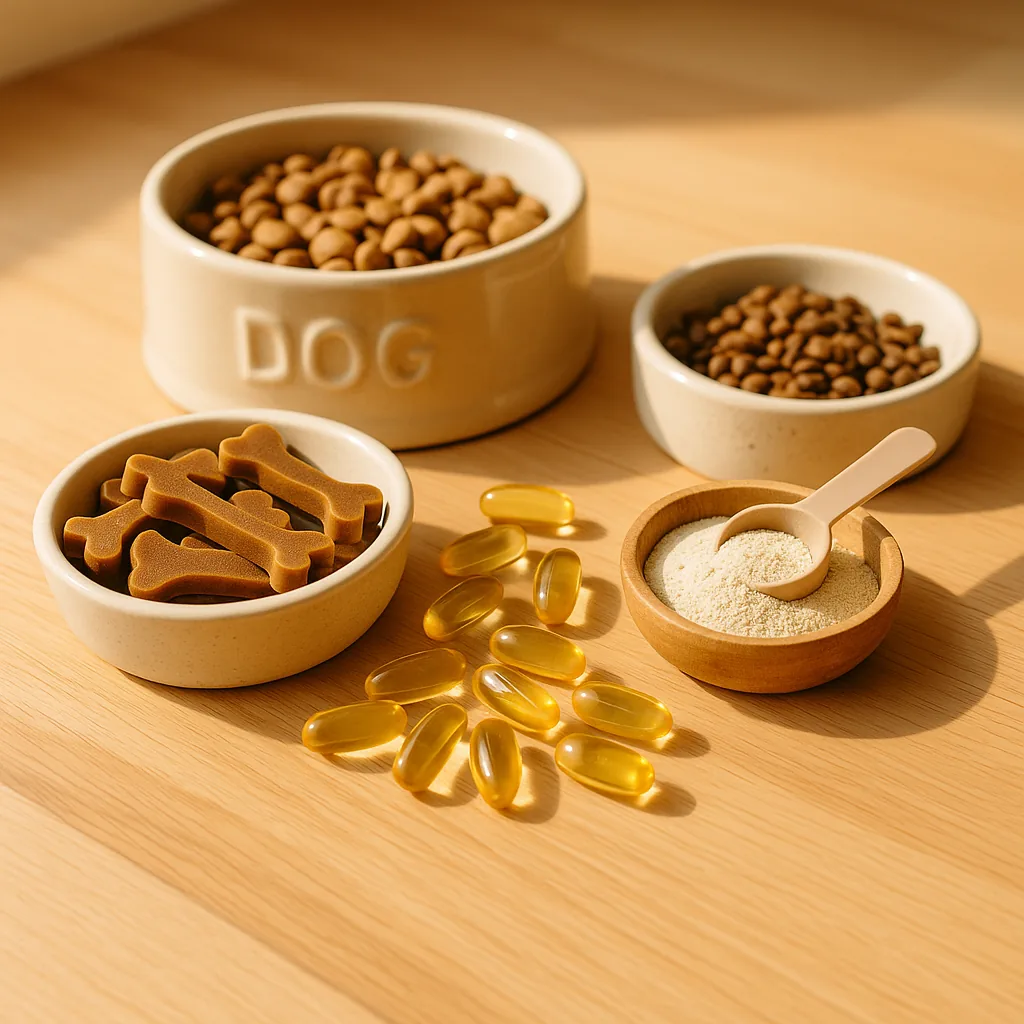
The well-being of a canine companion often hinges on a balanced diet. However, even with premium dog foods, there are instances where a dog’s nutritional needs extend beyond what daily meals can provide. This is where the concept of a dog feed supplement becomes crucial. A dog feed supplement refers to any product added to a dog’s regular diet, typically in pill, powder, or liquid form, designed to provide additional nutrients, vitamins, minerals, fatty acids, or other beneficial compounds. Understanding these supplements is vital for dog owners, as they can play a significant role in addressing specific health concerns, supporting various life stages, or compensating for dietary gaps. Incorporating the right supplement, under proper guidance, can notably improve a dogs physical health, coat condition, energy levels, and overall quality of life, acting as a proactive measure for sustained vitality. Explore more in our Dog Nutrition collection.
💡 Pet Care Key Takeaways:
- Core Focus: Practical health, nutrition, and wellness guidelines for Dog Feed Supplement.
- Target Scope: Pet owners, animal caregivers, and veterinary support staff.
- Best Recommendation: Maintain consistent daily routines and consult an accredited veterinarian before introducing major diet or medical changes.
Common Causes and Key Factors
The decision to introduce a dog feed supplement is often prompted by several key factors and underlying causes related to a dog’s health and lifestyle. One primary reason stems from dietary deficiencies. While commercial dog foods are formulated to be complete and balanced, individual dogs may have unique needs that are not fully met, or the nutrients in kibble might degrade over time or during processing. Homemade diets, if not carefully balanced by a veterinary nutritionist, are particularly prone to creating nutritional gaps that supplements can help bridge. For more related activities, check out our Tibetan Mastiff Food Aggression.
Another significant factor is a dog’s life stage. Puppies require specific nutrients for rapid growth and development, while senior dogs may benefit from supplements supporting joint health, cognitive function, and immune system resilience. Pregnant or lactating dogs also have dramatically increased nutritional demands that often necessitate additional supplementation. Discover more free resources across our collection library.
Specific health conditions are a frequent catalyst for considering supplements. Dogs suffering from arthritis or joint pain often benefit from glucosamine and chondroitin. Those with dull coats, dry skin, or excessive shedding might see improvement with omega-3 fatty acids. Digestive issues such as diarrhea or constipation can sometimes be alleviated with probiotics, which support a healthy gut microbiome. Furthermore, dogs recovering from illness, injury, or those with compromised immune systems may require specific nutrients to aid their recovery and bolster their defenses. Environmental stressors, high activity levels in working or athletic dogs, and even certain breed predispositions to particular ailments also contribute to the need for targeted nutritional support.
Signs and Symptoms to Observe
Recognizing the signs that a dog might benefit from a dog feed supplement involves careful observation of physical condition and behavioral patterns. Symptoms often manifest subtly but can become more pronounced over time.
Physical indicators of potential nutritional deficiencies or specific health needs include a dull, dry, or flaky coat, excessive shedding, and persistent skin irritation or itching. A dog experiencing joint discomfort might exhibit stiffness, reluctance to jump or climb, limping, or difficulty rising after rest. Digestive upset, such as recurring diarrhea, constipation, or excessive gas, could signal an imbalance in gut flora, making probiotics a consideration. Unexplained weight loss, a persistent lack of energy, lethargy, or a noticeable decrease in playfulness can also be indicators of underlying issues that a supplement might help address. In puppies, stunted growth or poor bone development might suggest a need for specific mineral or vitamin support.
Behavioral changes can also provide clues. A dog that becomes unusually irritable, withdrawn, or exhibits a diminished interest in activities it once enjoyed could be experiencing discomfort or a general feeling of unwellness related to nutritional imbalances. The intensity and presentation of these signs can vary significantly depending on the dog’s age, breed, and overall environment, making consistent observation and record-keeping invaluable for dog owners.
Practical Solutions and Management Strategies
Managing a dog’s nutritional needs, particularly through the use of a dog feed supplement, requires a thoughtful and systematic approach. The initial step always involves a comprehensive evaluation of the dog’s current diet and overall health status.
Once a need for supplementation is identified, selecting the appropriate type of supplement is paramount. This might include multivitamins for general health, omega-3 fatty acids for skin, coat, and cognitive function, glucosamine and chondroitin for joint support, or probiotics for digestive health. It is crucial to choose supplements from reputable manufacturers known for quality ingredients and rigorous testing. Reading labels carefully to understand the ingredients, potency, and recommended use is essential.
Proper dosage is critical; adhering strictly to manufacturer guidelines or, ideally, veterinary recommendations prevents both under-dosing, which yields no benefit, and over-dosing, which can be harmful. Supplements should generally be introduced gradually into a dog’s diet over several days to allow the digestive system to adjust, minimizing the risk of stomach upset.
Integrating supplements into daily routines should be consistent. Many supplements can be mixed directly into food, while others might be offered as palatable chews. Monitoring a dog’s response to the supplement over several weeks is important; observing changes in physical condition, energy levels, and behavior helps determine its effectiveness. If no improvement is noted, or if adverse reactions occur, discontinuing the supplement and consulting with a veterinary professional is advised. Regular reassessment of a dog’s health and dietary needs ensures that supplementation remains relevant and beneficial as the dog ages or circumstances change.
When Professional Help May Be Needed
While a dog feed supplement can be a valuable tool for enhancing canine health, it is important to recognize when the expertise of a veterinary professional is indispensable. Self-diagnosis and indiscriminate use of supplements can be ineffective or even detrimental.
Professional veterinary consultation is strongly recommended whenever a dog exhibits persistent or worsening symptoms despite dietary adjustments or the introduction of over-the-counter supplements. Signs such as prolonged lethargy, significant changes in appetite or weight, recurring digestive issues, persistent lameness, or severe skin problems warrant immediate veterinary attention. These symptoms could indicate underlying medical conditions that require specific diagnostic tests and prescribed treatments, which supplements alone cannot address.
Furthermore, before introducing any new supplement, particularly for dogs with pre-existing health conditions, those on medication, or very young or old dogs, seeking veterinary advice is a responsible measure. A veterinarian can provide tailored recommendations based on a dogs individual health profile, breed, age, and activity level. They can also advise on appropriate dosages, potential interactions with other medications, and the quality and efficacy of specific supplement brands. Relying on professional guidance ensures that supplementation contributes positively to a dog’s health without inadvertently causing harm or delaying necessary medical intervention.
Conclusion
The consideration of a dog feed supplement represents a thoughtful approach to canine care, acknowledging that optimal nutrition can extend beyond standard dog food. These supplements serve as a means to address specific nutritional gaps, support various life stages, and target particular health conditions, ultimately contributing to a dog’s vitality and longevity. Success in utilizing these products hinges on a foundation of awareness, careful observation of a dog’s physical and behavioral cues, and a commitment to informed decision-making. While supplements can offer significant benefits, they are most effective when chosen wisely, administered correctly, and always undertaken with the responsible oversight of a veterinary professional. Prioritizing consistent care and seeking expert guidance ensures that every dog receives the tailored nutritional support it needs to thrive, embodying the commitment of petsanimalsworld.com to comprehensive pet well-being.
Pet Care & Wellness Overview Table
| Life Stage | Daily Activity Level | Key Nutrition / Care Focus |
|---|---|---|
| Puppy / Kitten | High (frequent short bursts) | High-protein growth diet & early socialization |
| Adult Companion | Moderate (30–60 mins daily) | Balanced maintenance nutrition & dental hygiene |
| Senior Pets | Low to Gentle (mindful walks) | Joint support (Glucosamine) & routine vet checks |
Images References