Introduction
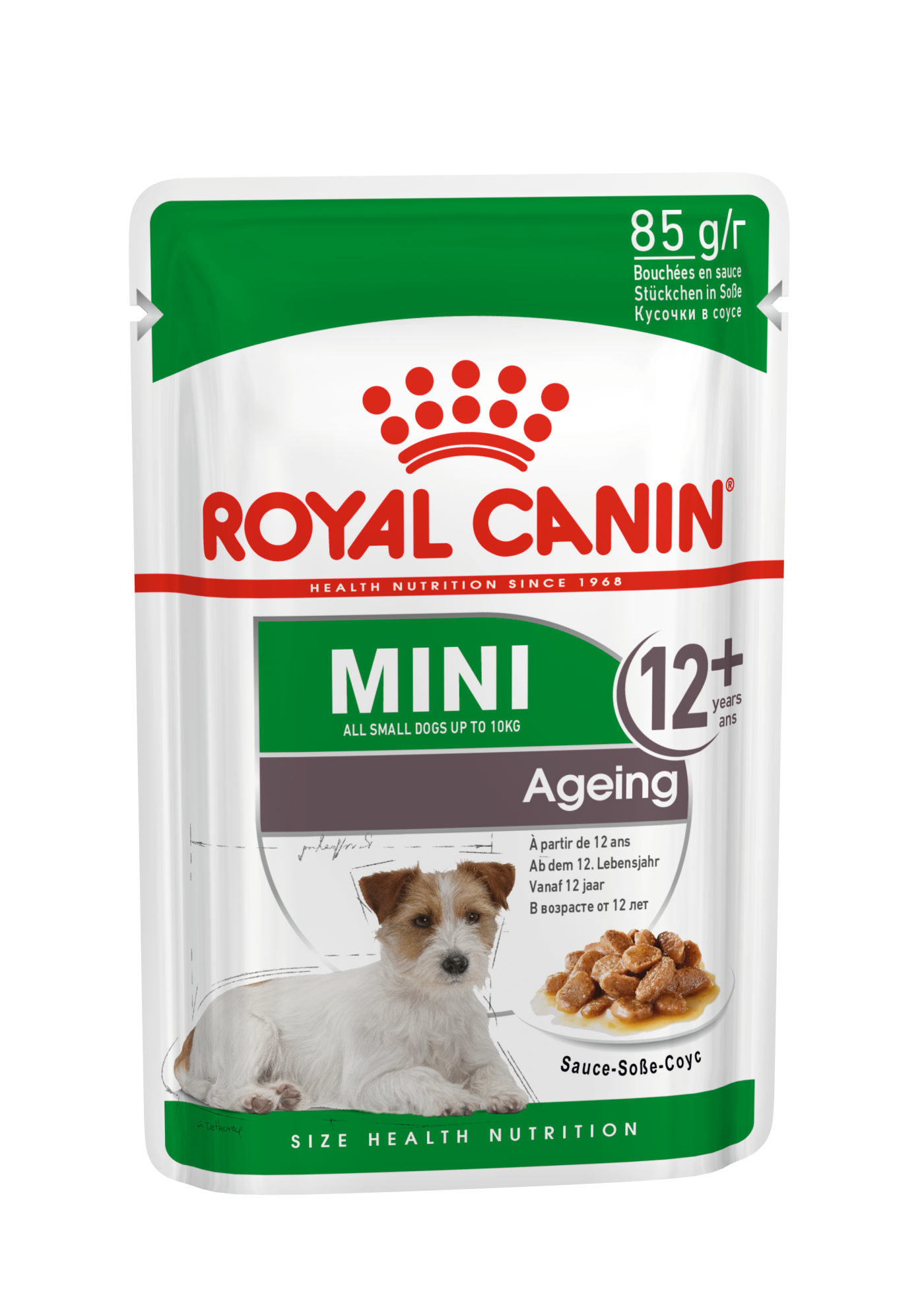
As canine companions gracefully enter their senior years, their nutritional needs undergo significant changes. Understanding the role of specialized “dog food for aging dogs” is crucial for maintaining their health, vitality, and overall quality of life. This particular type of diet, often labeled as senior or mature adult formulas, is specifically formulated to address the physiological shifts that occur as a dog ages. Typically, dogs are considered senior around 7 years of age, though this can vary based on breed size, with larger breeds often aging faster than smaller ones. Recognizing these evolving needs and providing appropriate nutrition can profoundly impact a dog’s well-being, helping to manage age-related conditions, support organ function, and ensure a comfortable and active senior life. Explore more in our Dog Nutrition collection.
💡 Pet Care Key Takeaways:
- Core Focus: Practical health, nutrition, and wellness guidelines for Dog Food For Aging Dogs.
- Target Scope: Pet owners, animal caregivers, and veterinary support staff.
- Best Recommendation: Maintain consistent daily routines and consult an accredited veterinarian before introducing major diet or medical changes.
Common Causes and Key Factors
The necessity for specialized dog food for aging dogs stems from several key physiological and lifestyle changes. As a dog ages, metabolism naturally slows down, often leading to reduced energy levels and decreased physical activity. This reduction in activity means a senior dog requires fewer calories to prevent unhealthy weight gain, which can exacerbate joint problems and other health issues. Simultaneously, maintaining muscle mass becomes more challenging, necessitating adequate levels of high-quality protein. For more related activities, check out our Tibetan Mastiff Food Aggression.
Key internal factors include the gradual decline in organ function, particularly in the kidneys, liver, and heart, which can be influenced by diet. Dental health often deteriorates, making it difficult for older dogs to chew hard kibble. Joint health is another critical concern, with conditions like arthritis becoming more prevalent. Furthermore, the immune system may weaken, and cognitive function can decline, necessitating dietary support from antioxidants and specific fatty acids. Environmental factors, such as access to exercise and overall living conditions, also interact with these biological changes, underscoring the importance of a tailored nutritional approach. Discover more free resources across our collection library.
Signs and Symptoms to Observe
Observing a dogs behavior and physical condition provides valuable clues about their evolving nutritional requirements and whether a transition to dog food for aging dogs is warranted. Owners might notice changes in weight, either unexplained gain due to a slower metabolism or loss if dental issues or illness make eating difficult. A decrease in activity level, such as reluctance to play, walk, or climb stairs, often indicates reduced energy or joint discomfort.
Mobility issues like stiffness, difficulty standing up, or a hesitant gait are common indicators of joint degeneration. Changes in coat quality, such as a dull or thinning coat and dry skin, can signify nutritional deficiencies. Digestive problems like increased gas, constipation, or diarrhea may suggest a need for more easily digestible ingredients or increased fiber. Dental problems, indicated by bad breath, drooling, or a reluctance to eat hard food, directly impact a dog’s ability to consume their current diet. Additionally, subtle behavioral shifts like increased thirst, altered sleep patterns, or disorientation could point to underlying health issues that proper nutrition can help manage.
Practical Solutions and Management Strategies
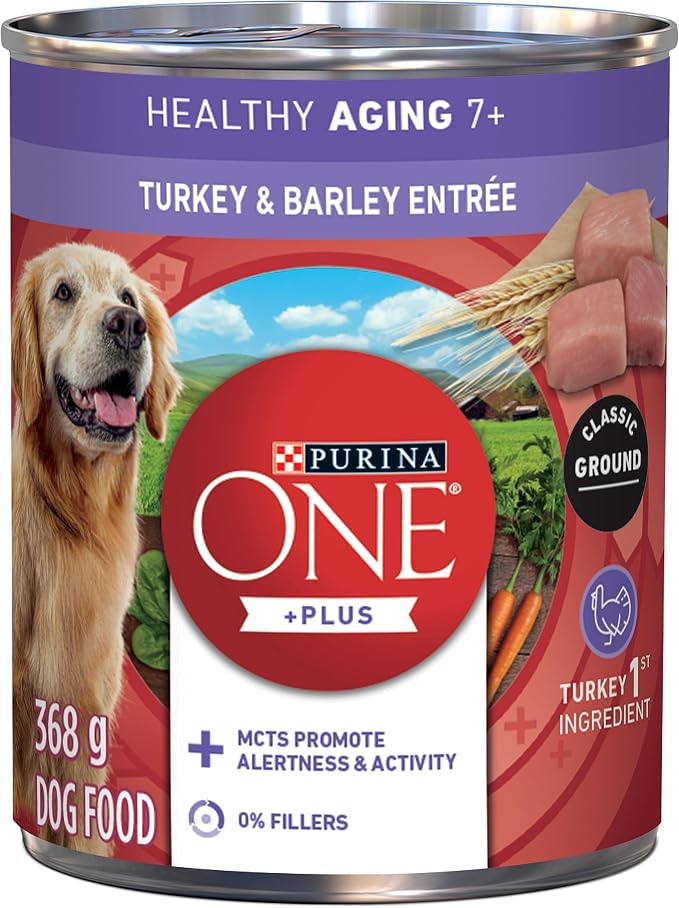
Transitioning a senior dog to a specialized diet for aging dogs is a proactive step toward supporting their health. When selecting a formula, dog owners should look for labels such as “senior,” “mature adult,” or “age-defying,” which indicate tailored nutritional profiles. These formulas typically feature controlled calorie levels to manage weight, higher quality protein to maintain muscle mass, and often include beneficial supplements like glucosamine and chondroitin for joint support, omega-3 fatty acids for cognitive function and skin health, and antioxidants for immune system support.
The transition to new food should be gradual, mixing increasing amounts of the new food with decreasing amounts of the old over 7 to 10 days to prevent digestive upset. Portion control is paramount; regular weighing of the dog and adjusting meal sizes based on activity level and body condition score can prevent obesity or unhealthy weight loss. Offering smaller, more frequent meals throughout the day can also aid digestion in some senior dogs. For those with dental issues, wetting dry kibble with water or opting for soft canned food can make meals more palatable and easier to consume. Ensuring constant access to fresh water is also vital, as senior dogs may be more prone to dehydration. Any decision to add supplements should always be made in consultation with a veterinarian to ensure appropriateness and correct dosages.
When Professional Help May Be Needed
While adjusting to dog food for aging dogs can address many age-related nutritional needs, there are situations where veterinary consultation or professional guidance becomes essential. Persistent or significant changes in a dog’s weight, whether sudden loss or unexplained gain, warrant immediate veterinary attention. Chronic digestive issues like ongoing vomiting, diarrhea, or severe constipation, even after dietary adjustments, could indicate underlying medical conditions requiring diagnosis and treatment.
Any sudden or severe decline in mobility, such as lameness or an inability to bear weight, necessitates a vet visit to rule out serious injuries or advanced joint disease. The emergence of new or worsening health conditions, such as increased thirst and urination (potentially indicative of kidney disease or diabetes), or significant cognitive dysfunction, requires professional medical management. If a dog’s symptoms do not improve or worsen despite careful dietary changes and home care, it is crucial to seek a veterinarians expertise to ensure accurate diagnosis and the most appropriate course of action.
Conclusion
The journey through a dogs senior years can be rich and rewarding, especially when supported by thoughtful and appropriate care. Providing specialized dog food for aging dogs is a fundamental aspect of this care, directly addressing their unique and evolving nutritional requirements. Consistent observation of a dog’s behavior and physical condition, combined with proactive dietary adjustments and a strong partnership with a veterinarian, forms the cornerstone of maintaining their health and happiness. By embracing the tailored nutrition offered by senior dog food, owners can help their beloved companions enjoy their golden years with comfort, vitality, and an excellent quality of life, underscoring petsanimalsworld.com’s commitment to informed pet ownership.
Pet Care & Wellness Overview Table
| Life Stage | Daily Activity Level | Key Nutrition / Care Focus |
|---|---|---|
| Puppy / Kitten | High (frequent short bursts) | High-protein growth diet & early socialization |
| Adult Companion | Moderate (30–60 mins daily) | Balanced maintenance nutrition & dental hygiene |
| Senior Pets | Low to Gentle (mindful walks) | Joint support (Glucosamine) & routine vet checks |
Images References