

Introduction
The well-being of a canine companion often begins in its gut. The digestive system plays a pivotal role in a dog’s overall health, influencing everything from nutrient absorption to immune function. “Dog food with probiotics” represents a dietary approach designed to support and enhance this crucial internal balance. Probiotics are beneficial microorganisms, often referred to as “good bacteria,” that, when administered in adequate amounts, confer a health benefit on the host. Incorporating these helpful microbes into a dog’s diet aims to foster a robust gut microbiome, which is the complex community of bacteria residing in the digestive tract. Understanding the role of probiotics in canine nutrition can empower dog owners to make informed choices, potentially leading to improved digestion, enhanced immunity, and an overall better quality of life for their beloved pets. This dietary focus is particularly relevant for dogs experiencing digestive sensitivities, those recovering from illness, or simply for owners seeking to proactively support their pet’s long-term health.
💡 Pet Care Key Takeaways:
- Core Focus: Practical health, nutrition, and wellness guidelines for Dog Food With Probiotics.
- Target Scope: Pet owners, animal caregivers, and veterinary support staff.
- Best Recommendation: Maintain consistent daily routines and consult an accredited veterinarian before introducing major diet or medical changes.
Common Causes and Key Factors
Several factors can disrupt a dog’s delicate gut microbiome, creating a need for the supportive benefits offered by dog food with probiotics. One primary cause is dietary change; sudden shifts in food type or brand can upset the balance of existing gut bacteria, leading to digestive upset. Poor-quality diets lacking essential nutrients or containing excessive fillers may also compromise gut health over time. Stress, whether from environmental changes, travel, or separation anxiety, can profoundly impact the digestive system, as the gut and brain are intimately connected. For more related activities, check out our Sick Pug At Veterinarian.
Medications, particularly antibiotics, are significant disruptors. While vital for treating bacterial infections, antibiotics do not discriminate between harmful and beneficial bacteria, often wiping out healthy gut flora alongside pathogens. Age is another key factor; puppies are still developing their immune systems and gut microbiomes, making them more susceptible to imbalances, while senior dogs may experience a natural decline in digestive efficiency. Underlying health conditions such as allergies, inflammatory bowel disease, or exocrine pancreatic insufficiency also contribute to an unhealthy gut environment. Exposure to various environmental pathogens can further challenge the digestive system. Probiotics work by introducing a fresh supply of beneficial bacteria, helping to restore equilibrium and create a healthier environment for nutrient assimilation and immune function.
Signs and Symptoms to Observe
Observing a dog for signs that might indicate a compromised gut or a potential benefit from dog food with probiotics is crucial for proactive care. Digestive upset is the most common indicator, manifesting as chronic or intermittent diarrhea, constipation, excessive gas, or bloating. Dogs might also exhibit frequent vomiting or regurgitation unrelated to eating too quickly.
Beyond the digestive tract, a dull, dry, or brittle coat, along with excessive shedding or unexplained skin irritations like itching and hot spots, can often be linked to an unhealthy gut microbiome. These skin issues sometimes stem from allergies or sensitivities that originate in an imbalanced digestive system. A dog with poor gut health might also display low energy levels, appearing lethargic or less enthusiastic about activity. Furthermore, a weakened immune system could result in recurrent infections, slow wound healing, or general malaise. Less obvious signs might include bad breath or even behavioral changes, as gut health can influence mood and cognitive function. These signs can vary based on the dog’s age, with puppies often more prone to acute digestive issues and older dogs experiencing more chronic, subtle changes in their digestive efficiency.
Practical Solutions and Management Strategies
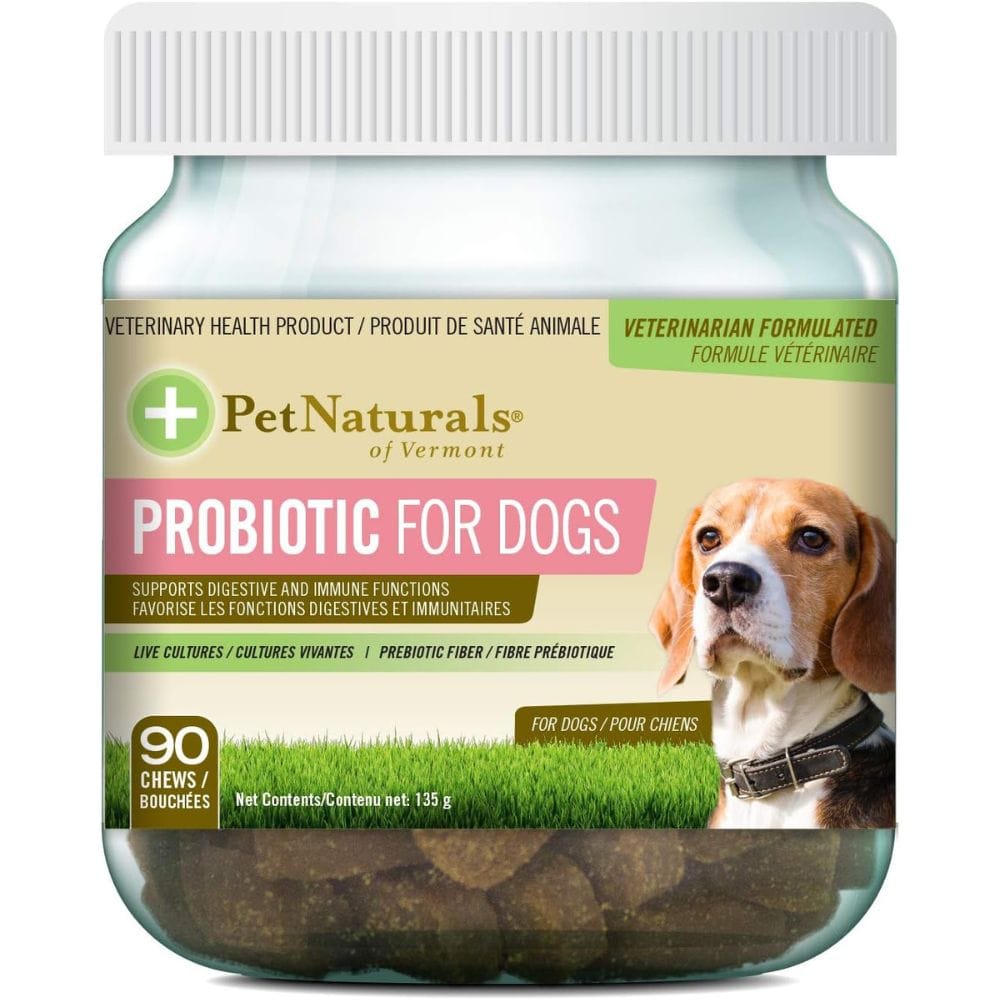
Incorporating dog food with probiotics into a canine’s diet requires a thoughtful approach to maximize its benefits. When selecting a probiotic-enhanced food, owners should look for reputable brands that clearly list specific probiotic strains (e.g., Lactobacillus acidophilus, Bifidobacterium animalis) and the guaranteed number of colony-forming units (CFUs) at the time of manufacturing. Higher CFU counts generally indicate greater potency.
Introducing any new food, including those with probiotics, should be done gradually over 7-10 days. This involves mixing small amounts of the new food with the current diet and slowly increasing the proportion of the probiotic-enhanced food while decreasing the old food. This prevents further digestive upset. For some dogs, a probiotic supplement might be more appropriate than a fortified food, especially if existing dietary restrictions are in place or a higher, more targeted dose is needed. These can come in powder, capsule, or chewable forms. Beyond dietary adjustments, a holistic management strategy includes ensuring a dog has constant access to fresh water, maintains a balanced overall diet, receives regular exercise, and experiences minimal stress. Observing changes in stool consistency, energy levels, and coat condition will help determine the efficacy of the new food. Proper storage of probiotic-fortified foods or supplements, often in a cool, dry place or refrigerated, is crucial to maintain the viability of the beneficial bacteria.
When Professional Help May Be Needed
While dog food with probiotics can significantly support canine health, there are instances when veterinary consultation or professional guidance becomes essential. If a dog’s digestive symptoms persist, worsen, or are accompanied by severe signs despite the introduction of probiotic-enhanced food, immediate veterinary attention is warranted. Such severe symptoms include persistent vomiting, bloody stools, extreme lethargy, noticeable weight loss, or signs of abdominal pain.
Any unexplained or sudden significant changes in a dog’s behavior, appetite, or overall health should prompt a visit to the veterinarian. For dogs with pre-existing chronic conditions, such as inflammatory bowel disease, allergies, or those on long-term medications, a veterinarian’s advice is crucial before introducing any new dietary components, including probiotics. A professional can help identify the underlying cause of digestive issues, recommend specific probiotic strains or dosages tailored to a dog’s unique needs, and rule out more serious health concerns that probiotics alone cannot address. It is important to approach canine health with a balanced perspective, utilizing preventive and supportive measures while also recognizing the importance of expert medical intervention when necessary.
Conclusion
The importance of a healthy gut microbiome for a dog’s overall well-being cannot be overstated. “Dog food with probiotics” offers a valuable tool for owners seeking to support their canine companions’ digestive health, bolster their immune systems, and enhance nutrient absorption. By understanding the factors that can disrupt gut balance, recognizing the observable signs of imbalance, and implementing practical strategies for incorporating probiotic-rich foods, owners can proactively contribute to their dog’s vitality. While the benefits are clear for many dogs, vigilance and careful observation remain paramount. Knowing when to seek professional veterinary advice ensures that any underlying health issues are promptly addressed, providing a comprehensive approach to canine care. Consistent attention to nutrition and health empowers owners to foster a happy, healthy life for their beloved pets.
Pet Care & Wellness Overview Table
| Life Stage | Daily Activity Level | Key Nutrition / Care Focus |
|---|---|---|
| Puppy / Kitten | High (frequent short bursts) | High-protein growth diet & early socialization |
| Adult Companion | Moderate (30–60 mins daily) | Balanced maintenance nutrition & dental hygiene |
| Senior Pets | Low to Gentle (mindful walks) | Joint support (Glucosamine) & routine vet checks |
Images References


For more expert pet care tips and advice, check out our dedicated Dog Health guides to keep your companions healthy and happy.




