
Introduction
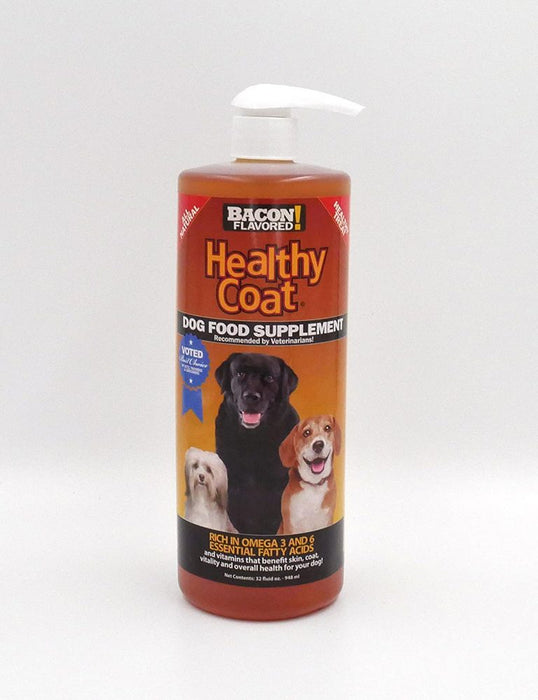
A robust and vibrant coat serves as a prominent indicator of a dog’s overall health and well-being. The term “healthy coat for dogs” encompasses a variety of attributes, including luster, softness, appropriate thickness, and freedom from irritation or excessive shedding. Beyond mere aesthetics, a healthy coat provides essential protection from environmental elements, regulates body temperature, and acts as a barrier against external irritants. When a dog’s coat appears dull, brittle, or sparse, or when the skin underneath shows signs of inflammation, it often signals an underlying issue that requires attention. Understanding the components of a healthy coat and the factors that influence it allows dog owners to proactively support their companion’s health, leading to improved comfort and a better quality of life. Regular observation and consistent care are fundamental in maintaining this vital aspect of canine well-being.
💡 Pet Care Key Takeaways:
- Core Focus: Practical health, nutrition, and wellness guidelines for Healthy Coat For Dogs.
- Target Scope: Pet owners, animal caregivers, and veterinary support staff.
- Best Recommendation: Maintain consistent daily routines and consult an accredited veterinarian before introducing major diet or medical changes.
Common Causes and Key Factors
Numerous factors contribute to the condition of a dog’s coat, ranging from internal health mechanisms to external environmental influences. One of the most significant determinants is nutrition. A diet lacking essential nutrients, particularly high-quality proteins, omega-3 and omega-6 fatty acids, and key vitamins (such as A, E, and B complex), can directly lead to a dull, dry, and brittle coat. Poor quality ingredients often translate into inadequate skin and coat health. For more related activities, check out our Sick Pug At Veterinarian.
Grooming practices also play a crucial role. Infrequent brushing can lead to matting, which restricts air circulation and traps moisture against the skin, fostering bacterial or fungal growth. Conversely, excessive bathing or using harsh shampoos can strip natural oils, leaving the skin dry and irritated, and the coat lackluster.
Underlying health conditions frequently manifest through coat changes. Allergies (environmental, food-related, or flea allergies) commonly cause itching, redness, and secondary skin infections, which severely impact coat quality. Parasites like fleas, ticks, and mites irritate the skin, leading to scratching, hair loss, and inflammation. Hormonal imbalances, such as hypothyroidism or Cushing’s disease, can result in thinning hair, bald spots, and a dry, coarse coat. Internal organ diseases, including kidney or liver issues, can also present with poor coat condition due to impaired nutrient absorption or toxin buildup.
Environmental factors also contribute. Low humidity can dry out a dog’s skin and coat, while exposure to irritants like certain chemicals or allergens in the home or outdoors can trigger skin reactions. Finally, genetics dictate a dog’s natural coat type, texture, and shedding patterns, making some breeds more prone to specific coat issues than others.
Signs and Symptoms to Observe
Recognizing the signs of an unhealthy coat is critical for timely intervention. A healthy coat typically appears shiny, feels soft to the touch, and sheds minimally outside of seasonal periods. When issues arise, several observable indicators may become apparent.
Visual signs include a dull or lacklustre appearance, indicating a loss of natural oils and vitality. Excessive shedding beyond normal seasonal cycles can be a red flag, as can the presence of dandruff or flakes on the fur and skin. Patches of thinning hair or complete bald spots, particularly in areas like the flanks, tail, or around the eyes, warrant immediate attention. The skin beneath the coat may appear red, inflamed, bumpy, or scaly. Sores, scabs, or hot spots (localized areas of acute skin inflammation) are also significant indicators of problems.
Tactile assessment can reveal a coat that feels greasy or unusually dry and brittle. Matted fur, which can be difficult to comb through, suggests inadequate grooming or a change in coat texture.
Behavioral indicators are equally important. Persistent scratching, licking, or biting at the coat or skin suggests discomfort, itching, or pain. A dog may rub against furniture or walls in an attempt to alleviate irritation. The intensity and frequency of these behaviors can offer clues to the severity of the underlying issue. These signs can vary based on a dog’s age, breed, and the specific cause of the coat issue; for example, puppies might be more prone to parasitic infestations, while older dogs may develop hormonal imbalances.
Practical Solutions and Management Strategies
Maintaining a healthy coat for dogs involves a multifaceted approach, combining optimal nutrition, consistent grooming, and a supportive environment. Implementing practical strategies can significantly improve a dog’s coat quality and overall skin health.
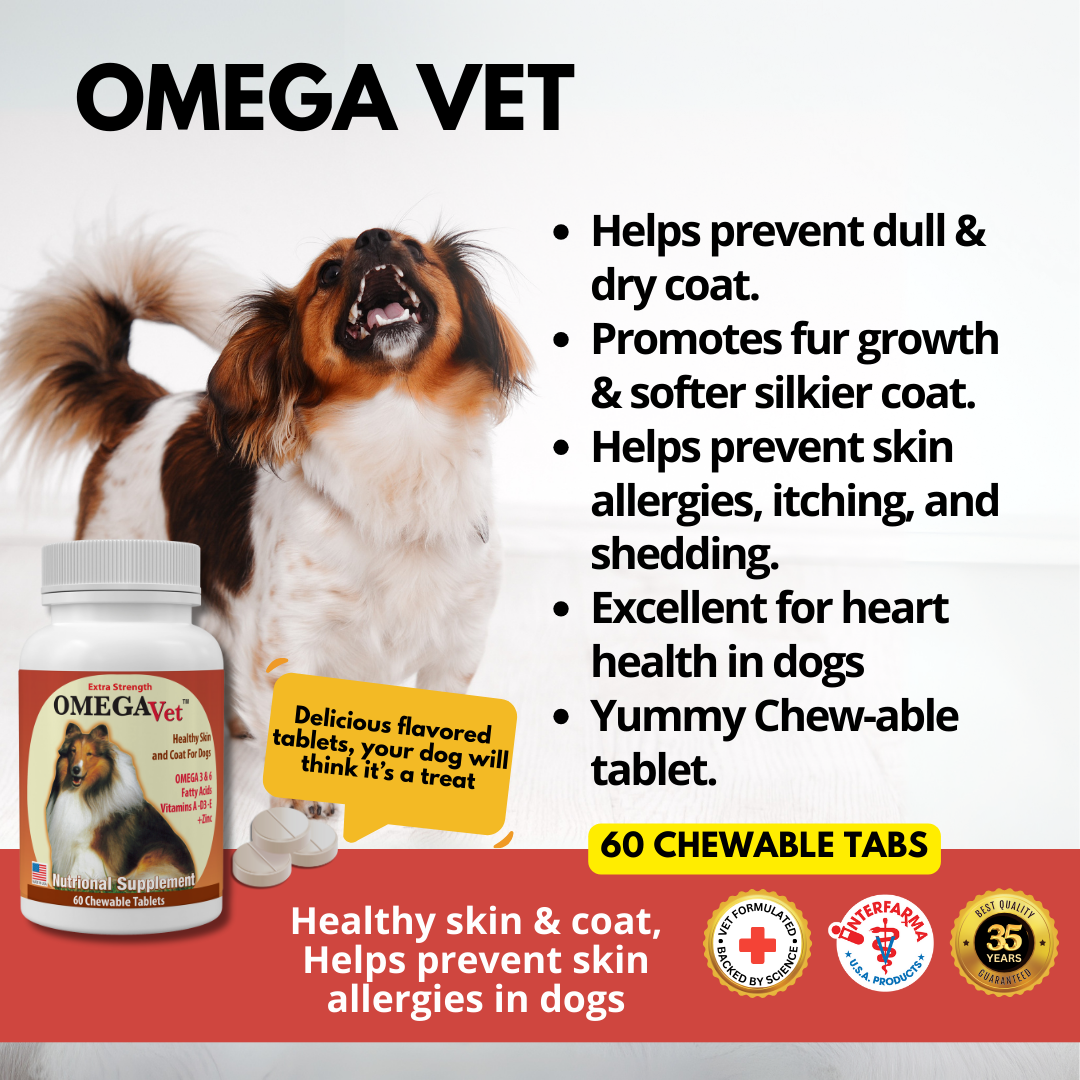
Dietary Enhancements: A foundational step is ensuring a high-quality, balanced diet. Premium dog foods rich in digestible animal proteins, essential fatty acids (omega-3 and omega-6, often derived from fish oil, flaxseed, or specific plant oils), and vitamins are crucial. Supplementation with fish oil or specialized skin and coat supplements, under veterinary guidance, can provide additional beneficial nutrients to support skin barrier function and coat luster. Adequate hydration, by always providing access to fresh, clean water, is also vital for skin elasticity and overall health.
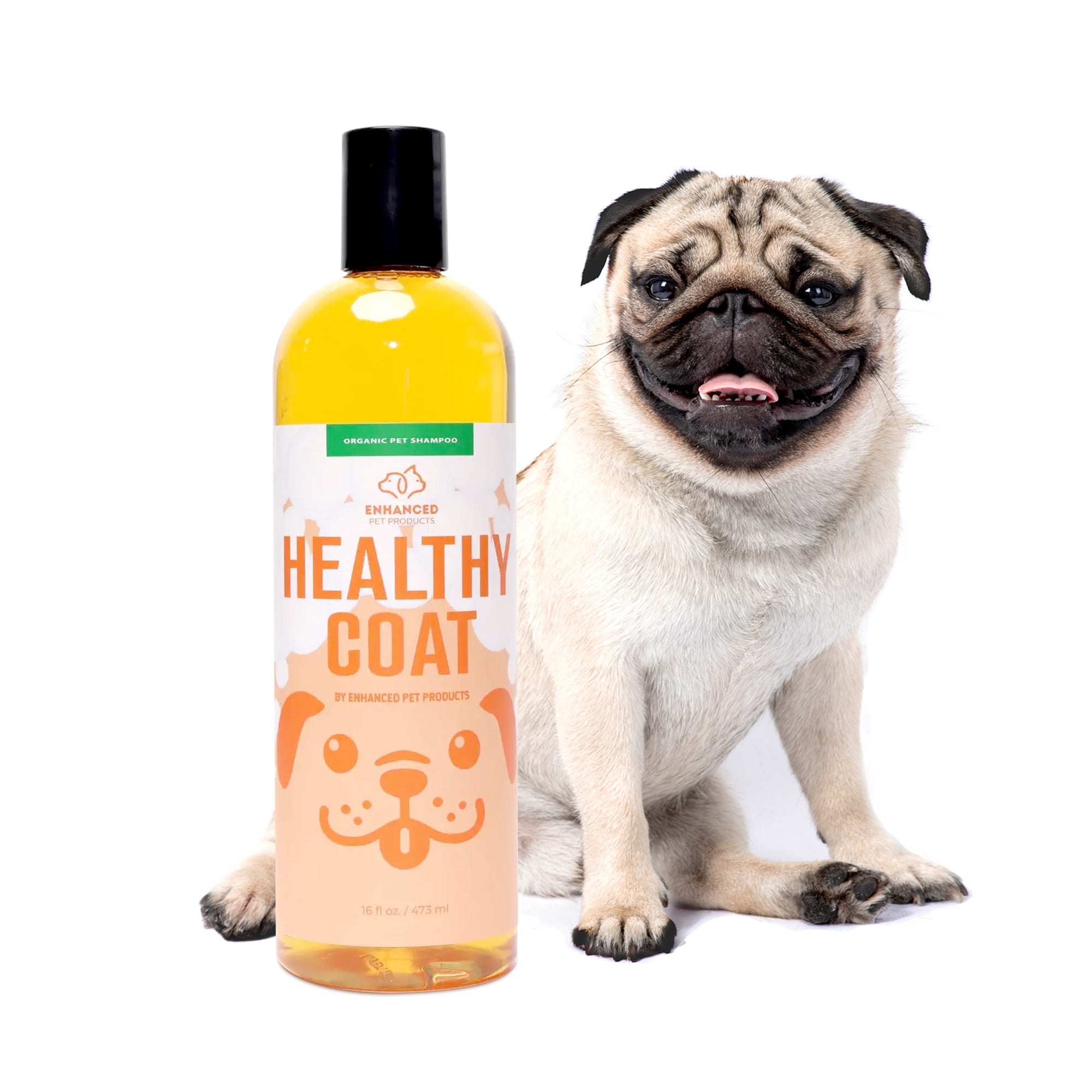
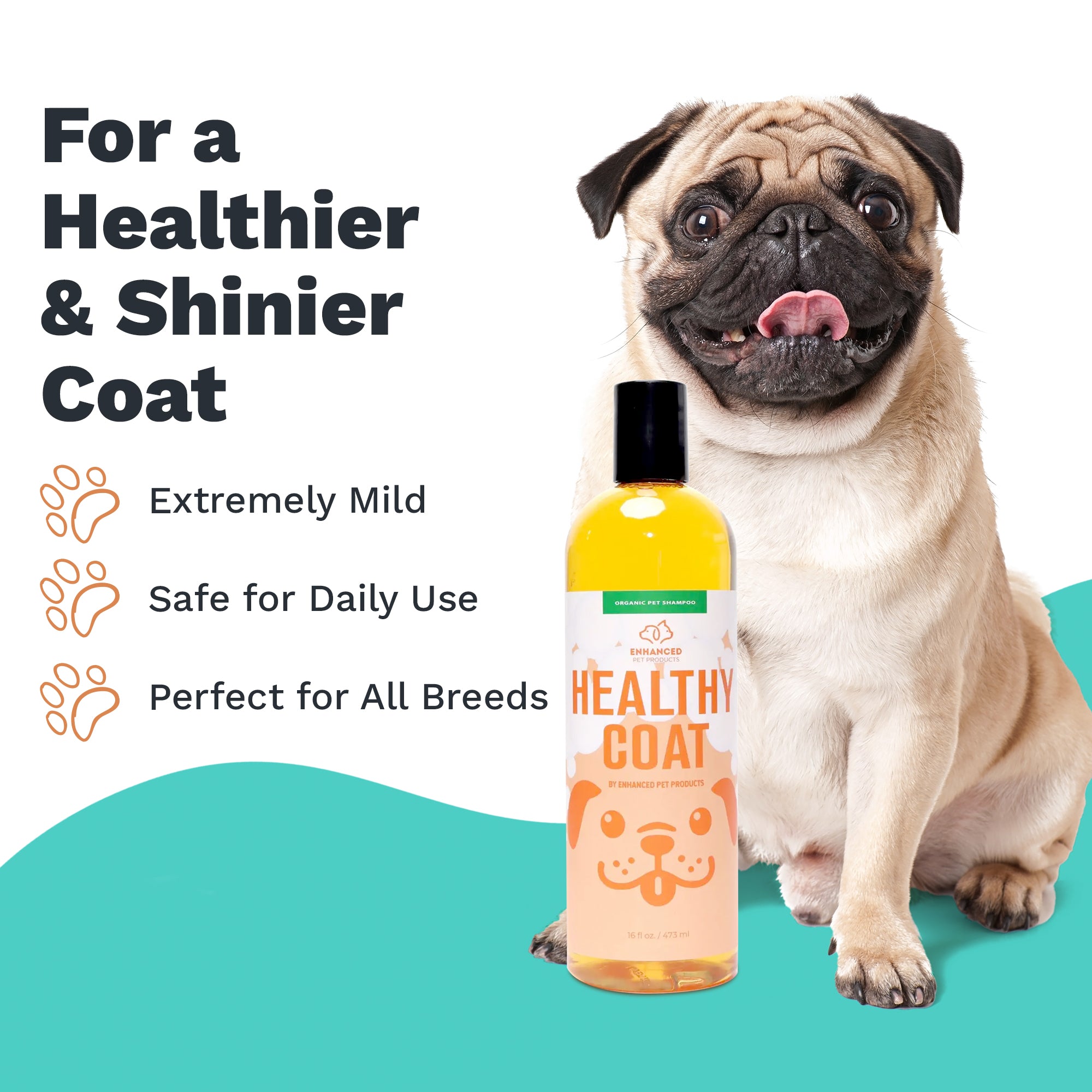
Effective Grooming Routines: Regular brushing is indispensable. The frequency and type of brush depend on the dog’s coat length and texture. Daily brushing for long-haired or double-coated breeds helps remove loose hair, prevents matting, distributes natural oils, and stimulates blood flow to the skin. For short-haired breeds, a weekly brushing might suffice. When bathing, use a gentle, pH-balanced dog shampoo specifically formulated for canine skin, avoiding human products which can be too harsh. The frequency of bathing should be appropriate for the dog’s activity level and coat type, as over-bathing can strip essential oils. Thorough rinsing and drying are paramount to prevent skin irritation and fungal growth. Professional grooming services can be beneficial for complex coats or dogs prone to severe matting.
Environmental Management: Protecting a dog from environmental irritants and allergens can significantly impact coat health. Regular cleaning of bedding and living areas helps reduce dust mites and dander. During dry seasons, a humidifier can help maintain skin moisture. Employing consistent flea, tick, and other parasite prevention measures, as recommended by a veterinarian, is also critical to prevent skin irritation and subsequent coat damage.
When Professional Help May Be Needed
While many minor coat issues can be managed with attentive home care, certain situations necessitate veterinary intervention. Recognizing when to seek professional assistance is a responsible aspect of dog ownership.
Consultation with a veterinarian is strongly advised if coat problems persist or worsen despite consistent application of home management strategies. This includes ongoing dullness, excessive shedding, or persistent dandruff. Immediate veterinary attention is warranted for sudden, severe, or widespread symptoms, such as the rapid development of large bald patches, intense and unrelenting scratching that leads to skin damage, the appearance of open sores, scabs, or pustules, or noticeable changes in the skin’s texture or color.
These signs can indicate underlying medical conditions that require a professional diagnosis and targeted treatment plan. A veterinarian can conduct a thorough examination, which may include skin scrapes, fungal cultures, blood tests, or allergy testing, to pinpoint the exact cause of the coat issues. Conditions such as parasitic infestations, bacterial or fungal infections, allergies, hormonal imbalances (e.g., hypothyroidism, Cushing’s disease), or even internal organ diseases can manifest through coat and skin problems. Professional guidance can lead to appropriate medications, specialized diets, or referrals to veterinary dermatologists for more complex cases, ensuring the best possible outcome for the dog’s health and comfort.
Conclusion
A healthy coat for dogs is more than a superficial attribute; it is a direct reflection of an animal’s internal health and a vital protective barrier. The journey to maintaining a lustrous, soft, and irritation-free coat involves a comprehensive understanding of key factors, diligent observation, and proactive care. By prioritizing high-quality nutrition, implementing appropriate grooming routines tailored to a dog’s specific needs, and mitigating environmental stressors, dog owners significantly contribute to their companion’s overall well-being. Regular vigilance for changes in coat texture, shedding patterns, or skin condition allows for early detection of potential issues. While consistent home care forms the bedrock of coat health, recognizing when to seek professional veterinary expertise for persistent or severe symptoms is crucial. Through informed decisions and dedicated attention, dog owners can help ensure their canine companions not only look their best but also thrive in comfort and health, reinforcing the strong bond shared.
Pet Care & Wellness Overview Table
| Life Stage | Daily Activity Level | Key Nutrition / Care Focus |
|---|---|---|
| Puppy / Kitten | High (frequent short bursts) | High-protein growth diet & early socialization |
| Adult Companion | Moderate (30–60 mins daily) | Balanced maintenance nutrition & dental hygiene |
| Senior Pets | Low to Gentle (mindful walks) | Joint support (Glucosamine) & routine vet checks |
Images References


For more expert pet care tips and advice, check out our dedicated Dog Health guides to keep your companions healthy and happy.


