

Introduction
Understanding the role of dog health supplements has become an increasingly important topic for pet owners seeking to enhance their canine companions’ well-being. These products, ranging from essential vitamins to specialized herbal extracts, are designed to complement a dog’s regular diet by providing concentrated doses of nutrients that may be lacking or beneficial for specific health concerns. The growing interest stems from a desire to address various issues, from supporting aging joints and promoting a lustrous coat to bolstering immune function and aiding digestion. By exploring the world of dog health supplements, owners can gain valuable insights into how these additions, when used judiciously and under professional guidance, can contribute significantly to a dogs overall health, vitality, and quality of life.
💡 Pet Care Key Takeaways:
- Core Focus: Practical health, nutrition, and wellness guidelines for Dog Health Supplements.
- Target Scope: Pet owners, animal caregivers, and veterinary support staff.
- Best Recommendation: Maintain consistent daily routines and consult an accredited veterinarian before introducing major diet or medical changes.
Common Causes and Key Factors
Several factors contribute to dog owners considering health supplements for their pets. While commercial dog foods are often formulated to be nutritionally complete, individual dogs may have unique needs or dietary gaps. One primary reason relates to age; older dogs frequently experience joint stiffness, cognitive decline, or reduced nutrient absorption, making supplements like glucosamine or Omega-3 fatty acids highly beneficial. Similarly, puppies and highly active dogs may require additional support for bone development or energy metabolism. For more related activities, check out our Pitbullnutrition.
Specific health challenges also drive the use of supplements. Dogs suffering from chronic allergies might benefit from supplements designed to support skin and coat health, while those with sensitive stomachs or digestive issues often find relief through probiotics. Certain breeds are genetically predisposed to particular conditions, such as hip dysplasia in large breeds or skin problems in breeds like bulldogs, prompting owners to consider preventative or supportive supplementation. Lifestyle also plays a role; dogs under stress, those recovering from illness, or working dogs with high physical demands can often benefit from targeted nutritional support to maintain optimal health and resilience.
Signs and Symptoms to Observe
Observing a dogs behavior and physical condition is crucial for determining if supplements might be beneficial, or if an underlying issue requires veterinary attention. Changes in coat quality, such as dullness, excessive shedding, dandruff, or dry, flaky skin, often signal a need for Omega-3 fatty acids or skin-specific supplements. Mobility issues, including stiffness after rest, reluctance to jump or climb, limping, or difficulty rising, are common indicators that a joint supplement could provide relief, especially in older or larger dogs.
Digestive upset, manifested by frequent diarrhea, constipation, excessive gas, or an inconsistent appetite, may point towards an imbalance in gut flora, making probiotics a potential consideration. Behavioral shifts, such as increased anxiety, lethargy, or signs of cognitive decline like disorientation or altered sleep patterns in senior dogs, can also suggest a need for calming or brain-supporting supplements. A weakened immune response, characterized by recurrent infections or slow healing of wounds, might indicate a deficiency that a multivitamin or immune-boosting supplement could address. These signs vary significantly with a dog’s age, breed, and overall health status, necessitating careful observation and professional evaluation.
Practical Solutions and Management Strategies
Integrating dog health supplements into a pets routine requires a thoughtful and informed approach. The most crucial first step involves a comprehensive consultation with a veterinarian. This professional guidance ensures that any potential health issues are correctly diagnosed and that supplements are appropriate for a dogs specific needs, breed, age, and existing medications, preventing adverse interactions or masking serious conditions.
Once a need for supplements has been identified, researching reputable brands is paramount. High-quality supplements often provide clear ingredient lists, dosage instructions, and may offer third-party testing results to verify purity and potency. Understanding the different types of supplements available, such as joint support (glucosamine, chondroitin, MSM), Omega-3 fatty acids (fish oil for skin, coat, and heart health), probiotics (for digestive balance), calming aids (L-theanine, CBD), and multivitamins, allows for targeted intervention.
Administering supplements correctly, according to veterinary advice and product guidelines, is vital for efficacy and safety. Some supplements are given with food, others on an empty stomach. Consistency is also key, as many supplements require time to show noticeable effects. It is important to remember that supplements are not a replacement for a balanced diet, regular exercise, and routine veterinary care, but rather a supportive component of a holistic health management strategy.
When Professional Help May Be Needed
While dog health supplements can be valuable tools for enhancing well-being, professional veterinary assistance is indispensable in several situations. Owners should always seek veterinary consultation before introducing any new supplement, particularly if a dog has pre-existing medical conditions, is on prescription medications, or is pregnant or nursing. A veterinarian can accurately diagnose underlying health issues that might mimic conditions supplements are intended to address, ensuring appropriate treatment.
Professional help is also critical if a dog’s symptoms worsen, new symptoms appear after starting a supplement, or if adverse reactions such as digestive upset, lethargy, or skin irritations occur. Veterinary guidance helps determine correct dosages, especially for potent supplements, and prevents potential overdosing or nutrient imbalances. In cases where a dog exhibits severe or persistent health issues, relying solely on supplements without a proper diagnosis and treatment plan from a veterinarian can delay necessary medical intervention and potentially lead to more serious health complications.
Conclusion
Dog health supplements represent a valuable category of products that can play a significant role in supporting a canine companion’s overall health and addressing specific needs. From bolstering joint health in aging dogs to enhancing coat quality and promoting digestive wellness, these supplements offer a proactive approach to pet care. However, their effective and safe use hinges on informed decision-making, thorough research into product quality, and, most importantly, consistent veterinary consultation. By prioritizing professional guidance, observing a dog’s unique needs, and understanding that supplements complement a healthy lifestyle, owners can confidently integrate these aids to contribute to a long, vibrant, and happy life for their cherished pets.
Pet Care & Wellness Overview Table
| Life Stage | Daily Activity Level | Key Nutrition / Care Focus |
|---|---|---|
| Puppy / Kitten | High (frequent short bursts) | High-protein growth diet & early socialization |
| Adult Companion | Moderate (30–60 mins daily) | Balanced maintenance nutrition & dental hygiene |
| Senior Pets | Low to Gentle (mindful walks) | Joint support (Glucosamine) & routine vet checks |
Images References


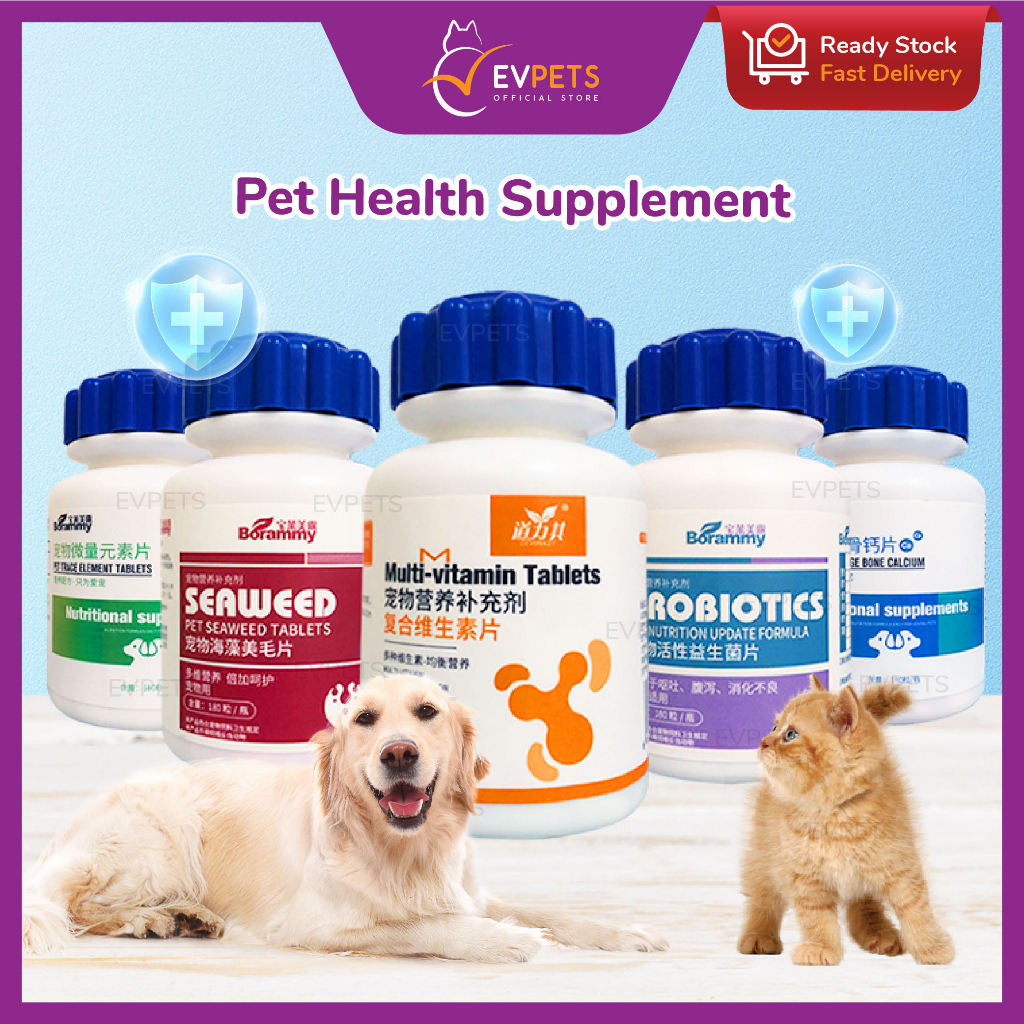





For more expert pet care tips and advice, check out our dedicated Dog Nutrition guides to keep your companions healthy and happy.




