
Introduction
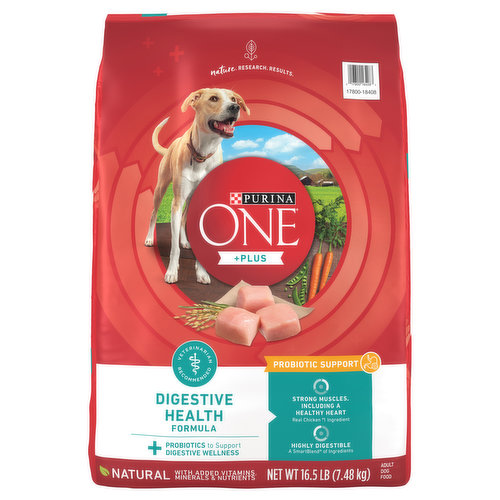
Ensuring a dog’s optimal well-being is a top priority for responsible pet owners. Central to a dog’s overall health and happiness is a properly functioning digestive system. When digestive issues arise, they can significantly impact a dog’s comfort, energy levels, and even behavior. This is where digestive health dog food plays a crucial role. This specialized nutrition is formulated to support the gastrointestinal tract, alleviating common discomforts and promoting efficient nutrient absorption. Understanding the principles behind such diets can be transformative, leading to improved vitality, a shinier coat, and a more engaged companion. Recognizing the importance of a healthy gut is the first step toward a thriving dog, allowing for better digestion and a higher quality of life.
💡 Pet Care Key Takeaways:
- Core Focus: Practical health, nutrition, and wellness guidelines for Digestive Health Dog Food.
- Target Scope: Pet owners, animal caregivers, and veterinary support staff.
- Best Recommendation: Maintain consistent daily routines and consult an accredited veterinarian before introducing major diet or medical changes.
Common Causes and Key Factors
A dog’s digestive system can be sensitive, with various factors contributing to gastrointestinal upset. Dietary indiscretion, such as consuming inappropriate foods or table scraps, frequently leads to digestive distress. Sudden changes in a dog’s diet are another common trigger; the digestive system requires time to adapt to new ingredients and formulations. For more related activities, check out our Breeds Susceptable To Diabetes.
Beyond immediate dietary causes, certain underlying factors can predispose dogs to digestive challenges. Food sensitivities or allergies to specific ingredients like certain proteins or grains can manifest as chronic digestive upset. Stress and anxiety can also impact gut health, as the gut-brain axis is a well-established physiological link. Furthermore, a dog’s age influences digestive capabilities; puppies often have immature digestive systems, while senior dogs may experience reduced digestive enzyme production. Breed predispositions also exist, with some breeds being more prone to specific gastrointestinal conditions. Bacterial imbalances within the gut, known as dysbiosis, can also compromise digestive function and nutrient absorption, highlighting the need for dietary support that fosters a healthy microbiome.
Signs and Symptoms to Observe
Observing a dog’s behavior and physical condition provides invaluable clues regarding digestive health. The most overt signs of digestive upset include changes in stool consistency, such as diarrhea or constipation. Persistent vomiting, especially after meals, is another significant indicator. Excessive flatulence or a visibly distended abdomen can signal discomfort and poor digestion.
More subtle signs may also be present. A dull, dry coat or flaky skin can sometimes point to malabsorption of essential nutrients due to compromised digestion. Changes in appetite, either a sudden decrease or an increase without corresponding weight gain, warrant attention. Lethargy, a hunched posture, or reluctance to engage in usual activities might indicate abdominal pain or general malaise. Some dogs may even exhibit behavioral changes like increased irritability or restlessness when experiencing digestive discomfort. These signs can vary depending on a dog’s age, with puppies potentially showing more severe dehydration from diarrhea, and older dogs experiencing chronic, low-grade inflammation.
Practical Solutions and Management Strategies
Managing and improving a dog’s digestive health often begins with a thoughtful approach to nutrition. Transitioning a dog to a digestive health dog food should always be done gradually over 7-10 days, slowly mixing increasing amounts of the new food with decreasing amounts of the old. This allows the dog’s digestive system to adapt without sudden shock.
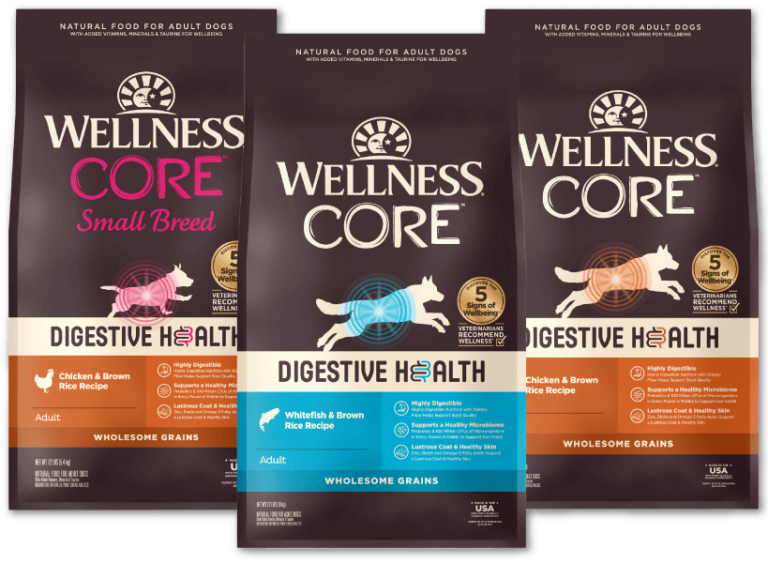
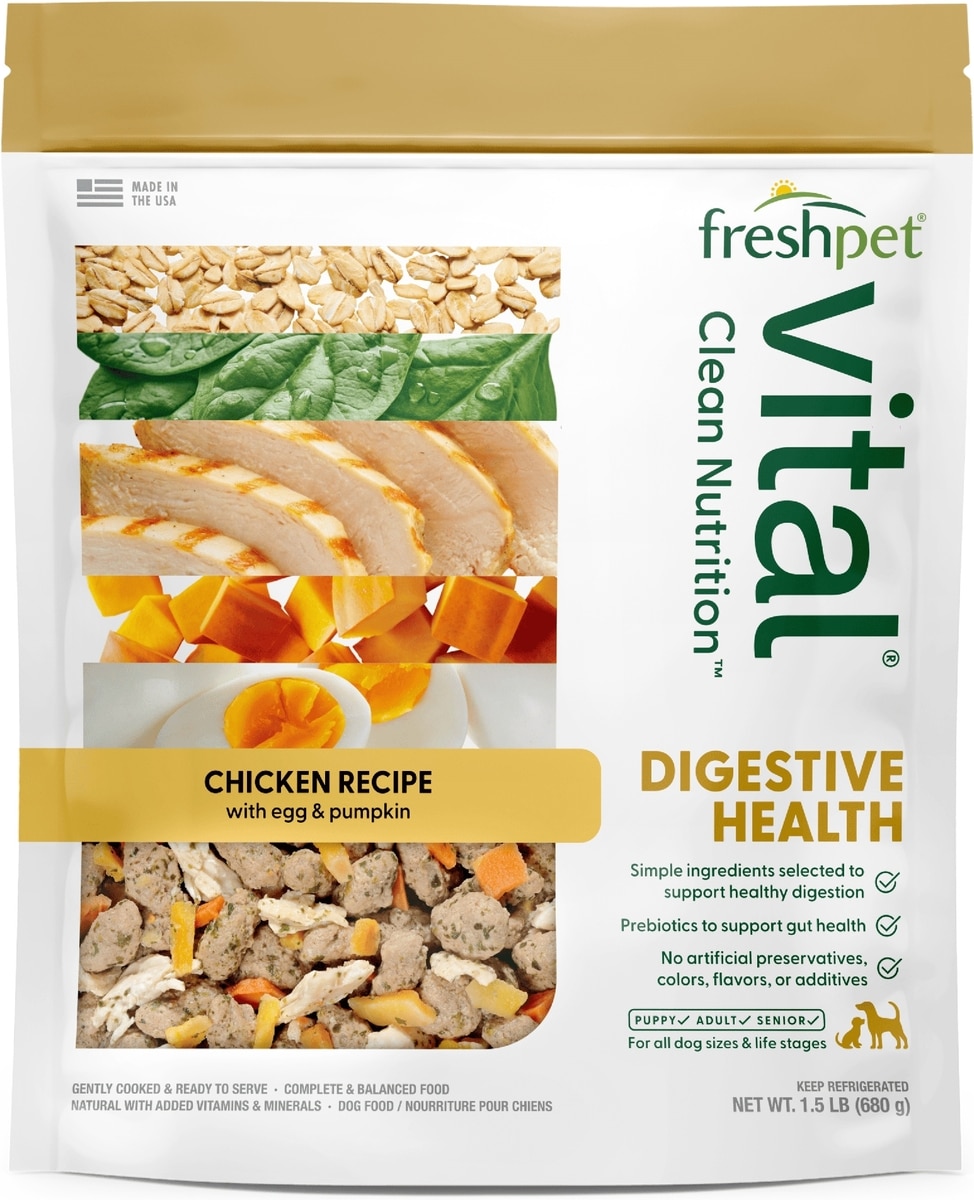
When selecting a specialized food, several key components are beneficial. Formulas rich in highly digestible proteins, often novel or hydrolyzed, reduce the workload on the digestive system. Prebiotics, such as FOS (fructooligosaccharides) and MOS (mannan-oligosaccharides), nourish beneficial gut bacteria, while probiotics introduce live, beneficial microorganisms to support a balanced microbiome. Appropriate fiber levels, including both soluble and insoluble types, help regulate bowel movements and promote colon health. Limited ingredient diets (LID) are also available, designed to minimize exposure to potential allergens for dogs with sensitivities. Furthermore, omega-3 fatty acids, like EPA and DHA, possess anti-inflammatory properties that can soothe an irritated gastrointestinal tract.
Beyond food choices, proper portion control prevents overfeeding, which can strain digestion. Establishing a consistent feeding schedule can also help regulate a dog’s digestive rhythm. Ensuring constant access to fresh, clean water is vital for hydration and proper nutrient absorption. Avoiding table scraps and rich human foods is crucial, as these often contain ingredients that are difficult for dogs to digest and can trigger upset. For some dogs, environmental enrichment and stress reduction techniques, such as regular exercise and consistent routines, can also contribute positively to overall gut health.
When Professional Help May Be Needed
While many mild digestive upsets can be managed with dietary adjustments, certain symptoms necessitate prompt veterinary attention. Persistent vomiting or diarrhea that lasts for more than 24-48 hours, or any instance of blood in vomit or stool, indicates a more serious underlying issue. Signs of severe abdominal pain, such as whining, panting, or a distended and tense abdomen, require immediate evaluation.
Furthermore, significant changes in a dog’s overall demeanor, such as profound lethargy, weakness, or an inability to keep food or water down, are red flags. Unexplained weight loss, despite a normal or increased appetite, can also point to malabsorption or a systemic illness. Any dog exhibiting these more severe or enduring symptoms should be seen by a veterinarian without delay to ensure accurate diagnosis and appropriate medical intervention, which might include specific medications, diagnostic imaging, or further dietary recommendations tailored to their unique needs.
Conclusion
The importance of a healthy digestive system for a dogs overall well-being cannot be overstated. By understanding the role of digestive health dog food and the factors influencing gastrointestinal function, pet owners are empowered to make informed nutritional choices. Careful observation of a dog’s behavior and physical signs is paramount, allowing for early intervention and appropriate adjustments to their diet or routine. Providing a diet specifically formulated to support gut health, coupled with consistent care and a responsive approach to symptoms, contributes significantly to a dog’s comfort, vitality, and longevity. Partnering with a veterinarian for guidance ensures that every dog receives the most suitable care, fostering a foundation for a happy and healthy life.
Pet Care & Wellness Overview Table
| Life Stage | Daily Activity Level | Key Nutrition / Care Focus |
|---|---|---|
| Puppy / Kitten | High (frequent short bursts) | High-protein growth diet & early socialization |
| Adult Companion | Moderate (30–60 mins daily) | Balanced maintenance nutrition & dental hygiene |
| Senior Pets | Low to Gentle (mindful walks) | Joint support (Glucosamine) & routine vet checks |
Images References



For more expert pet care tips and advice, check out our dedicated Dog Health guides to keep your companions healthy and happy.




