

Introduction
Understanding the specifics of a dog kidney failure diet is a critical aspect of canine care for owners facing this challenging diagnosis. When a dog’s kidneys begin to fail, their ability to filter waste products from the blood, regulate blood pressure, and maintain proper electrolyte balance becomes compromised. This condition, often progressive, necessitates significant adjustments to a dog’s nutritional intake. A carefully formulated diet is not merely about feeding; it represents a primary therapeutic intervention designed to support remaining kidney function, mitigate symptoms, and improve a dog’s overall quality of life. Delving into the principles behind a specialized kidney diet equips dog owners with the knowledge to make informed decisions that can profoundly impact their companion’s well-being and comfort.
💡 Pet Care Key Takeaways:
- Core Focus: Practical health, nutrition, and wellness guidelines for Dog Kidney Failure Diet.
- Target Scope: Pet owners, animal caregivers, and veterinary support staff.
- Best Recommendation: Maintain consistent daily routines and consult an accredited veterinarian before introducing major diet or medical changes.
Common Causes and Key Factors
Canine kidney failure can stem from a variety of underlying issues, with age being a predominant factor as kidney function naturally declines over time. Other common causes include genetic predispositions, exposure to toxins (such as certain medications or antifreeze), chronic infections, dental disease leading to systemic inflammation, and other systemic illnesses like pancreatitis or high blood pressure. These factors can lead to chronic kidney disease (CKD), a progressive condition where kidney damage worsens over months or years. For more related activities, check out our Breeds Susceptable To Diabetes.
When kidney function is impaired, several key physiological changes occur that directly influence dietary requirements. The kidneys struggle to excrete waste products like urea and creatinine, leading to their accumulation in the blood (uremia). They also lose the ability to adequately reabsorb water, resulting in increased urination and potential dehydration. Furthermore, impaired kidneys may fail to regulate phosphorus and calcium levels, leading to imbalances that can worsen kidney damage and affect bone health. The diet for a dog with kidney failure aims to address these specific challenges by reducing the burden on the kidneys and counteracting the metabolic disturbances that arise.
Signs and Symptoms to Observe
Recognizing the signs of kidney failure early can be crucial for timely intervention and dietary management. In the initial stages, symptoms might be subtle and easily overlooked. Dog owners may observe increased thirst (polydipsia) and an increase in urination frequency or volume (polyuria) as the kidneys struggle to concentrate urine. Changes in appetite, which can range from pickiness to complete refusal of food, are also common.
As kidney disease progresses, more pronounced symptoms typically emerge. These can include unexplained weight loss, lethargy, a dull coat, and general weakness. Gastrointestinal signs such as vomiting, diarrhea, and a noticeable change in breath odor (often described as ammonia-like or metallic, due to uremic toxins) may also develop. In advanced stages, mouth ulcers, anemia, muscle wasting, and severe depression can be observed. The severity and manifestation of these signs can vary significantly depending on the individual dog’s age, breed, and the specific stage of kidney disease. Consistent observation and prompt veterinary consultation upon noticing any of these changes are highly recommended.
Practical Solutions and Management Strategies
The cornerstone of managing canine kidney failure is a specially formulated dog kidney failure diet. These diets are meticulously designed to support remaining kidney function and minimize the progression of the disease. Key dietary adjustments include:
- Reduced, High-Quality Protein: While protein is essential, excessive protein intake can produce more nitrogenous waste products, increasing the workload on compromised kidneys. Renal diets feature carefully controlled levels of high-quality protein, which is more digestible and utilized efficiently, reducing the production of metabolic waste.
- Controlled Phosphorus Levels: Phosphorus restriction is perhaps one of the most critical aspects. Damaged kidneys struggle to excrete phosphorus, leading to elevated blood levels (hyperphosphatemia), which can further damage the kidneys and contribute to other health issues. Renal diets are significantly reduced in phosphorus.
- Reduced Sodium: To help manage blood pressure and reduce fluid retention, the sodium content in kidney diets is typically lower than in standard dog foods.
- Increased Omega-3 Fatty Acids: These fatty acids, particularly EPA and DHA, possess anti-inflammatory properties that can help reduce inflammation within the kidneys.
- Increased B Vitamins and Antioxidants: Dogs with kidney failure often lose B vitamins through increased urination, so these diets are supplemented. Antioxidants help combat oxidative stress on kidney cells.
- Adequate Moisture Content: Many renal diets are available in wet food formulations, which contribute to a dog’s hydration, a crucial factor for kidney health.
- Enhanced Palatability: Dogs with kidney disease often have a reduced appetite due to nausea and uremia. Renal diets are often designed to be highly palatable to encourage consistent food intake.
Most commercial prescription renal diets are available through veterinary channels and come in both wet and dry forms. For owners considering home-cooked meals, it is absolutely essential to consult with a board-certified veterinary nutritionist. Creating a nutritionally complete and balanced kidney-friendly diet at home requires precise calculations to ensure appropriate nutrient ratios, preventing deficiencies or exacerbating the condition. Feeding strategies such as offering small, frequent meals, warming food slightly to enhance aroma, and ensuring constant access to fresh water can also aid in managing appetite and hydration.
When Professional Help May Be Needed
Professional veterinary intervention is indispensable for any dog suspected of having kidney failure. A veterinarian can confirm the diagnosis through a series of tests, including blood work (measuring BUN, creatinine, and phosphorus levels), urinalysis (checking urine specific gravity, protein-creatinine ratio), and sometimes imaging like ultrasound.
Once diagnosed, a veterinarian will determine the stage of kidney disease and prescribe an appropriate dog kidney failure diet, usually a commercially available therapeutic formula. Regular follow-up appointments are crucial for monitoring blood and urine parameters, allowing for adjustments to the diet or the introduction of medications to manage secondary conditions such as anemia, hypertension, nausea, or electrolyte imbalances. In cases where a dog’s appetite is severely compromised or a home-cooked diet is preferred, a consultation with a veterinary nutritionist is highly recommended to ensure the diet is nutritionally complete and safe. Attempting to manage kidney failure solely through diet without professional guidance can inadvertently lead to further complications or nutritional deficiencies.
Conclusion
The diagnosis of kidney failure in a dog presents a significant challenge for owners, but it also highlights the profound impact that a specialized diet can have on managing the condition. A carefully chosen dog kidney failure diet is a powerful therapeutic tool, designed to minimize the burden on compromised kidneys, alleviate symptoms, and ultimately enhance a dog’s quality of life. Through a combination of reduced protein, controlled phosphorus, and other targeted nutritional adjustments, these diets play a vital role in slowing disease progression and improving comfort. Awareness of the signs and symptoms, coupled with prompt and consistent veterinary care, including adherence to dietary recommendations, allows dog owners to provide the best possible support for their cherished companions facing kidney disease. Understanding and implementing these dietary strategies empowers owners to make a tangible difference in their dog’s health journey.
Pet Care & Wellness Overview Table
| Life Stage | Daily Activity Level | Key Nutrition / Care Focus |
|---|---|---|
| Puppy / Kitten | High (frequent short bursts) | High-protein growth diet & early socialization |
| Adult Companion | Moderate (30–60 mins daily) | Balanced maintenance nutrition & dental hygiene |
| Senior Pets | Low to Gentle (mindful walks) | Joint support (Glucosamine) & routine vet checks |
Images References


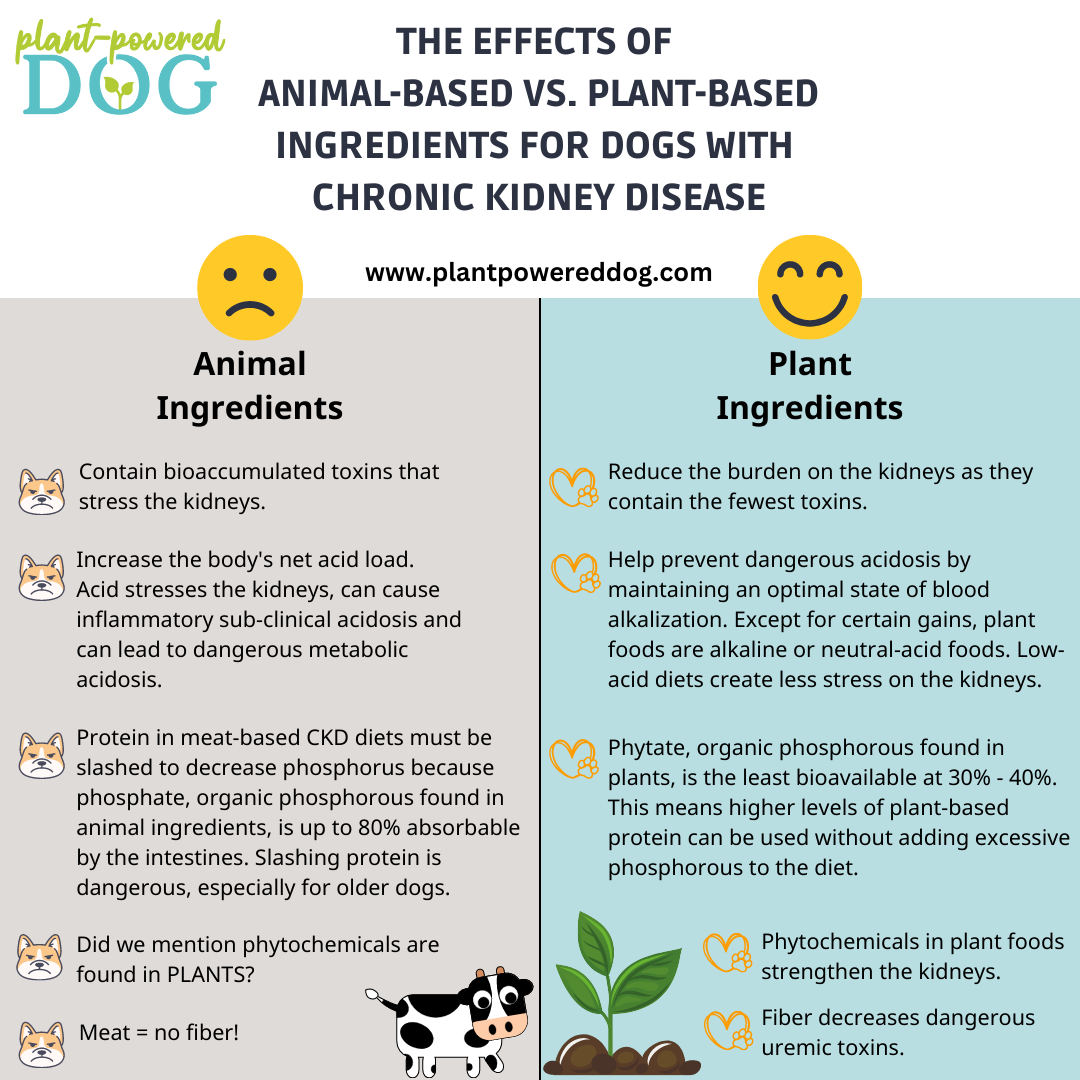


For more expert pet care tips and advice, check out our dedicated Dog Health guides to keep your companions healthy and happy.


