

Introduction
Many dog owners encounter the common and often concerning behavior of a dog attempting to eat virtually anything encountered, whether it is food, trash, or non-edible objects. This indiscriminate scavenging, sometimes referred to as pica when it involves consuming non-food items, presents significant health risks, ranging from mild digestive upset to life-threatening obstructions or poisoning. Understanding this predisposition is crucial for safeguarding a dogs well-being and preventing potentially dangerous situations. A dog muzzle to stop eating everything can serve as an invaluable management tool in specific circumstances, offering a temporary layer of protection while underlying behavioral or medical causes are addressed. This article explores the facets of this behavior, the role of proper management, and how a muzzle can contribute to a safer environment for a beloved canine companion.
💡 Pet Care Key Takeaways:
- Core Focus: Practical health, nutrition, and wellness guidelines for Dog Muzzle To Stop Eating Everything.
- Target Scope: Pet owners, animal caregivers, and veterinary support staff.
- Best Recommendation: Maintain consistent daily routines and consult an accredited veterinarian before introducing major diet or medical changes.
Common Causes and Key Factors
The behavior of a dog attempting to eat everything can stem from a variety of interconnected factors, making a thorough understanding essential for effective intervention. One common category involves behavioral origins. Dogs may scavenge out of boredom, particularly if left alone for extended periods without adequate mental or physical stimulation. Anxiety can also manifest as compulsive eating or destructive behaviors aimed at finding and consuming objects. In some cases, attention-seeking behaviors contribute, where a dog learns that picking up or eating something inappropriate garners an immediate reaction from its human companions, inadvertently reinforcing the undesirable action. For more related activities, check out our Kikkopupbiting.
Medical conditions can also play a significant role. Gastrointestinal issues such as inflammatory bowel disease, exocrine pancreatic insufficiency, or the presence of parasites can cause nutrient malabsorption, leading a dog to seek out additional sustenance or relief by consuming unusual items. Endocrine disorders, like Cushings disease or thyroid imbalances, and even certain neurological conditions, may alter a dog’s appetite or cognitive function, contributing to indiscriminate eating. Nutritional deficiencies, though less common with commercially balanced diets, could prompt a dog to seek out minerals or vitamins from non-traditional sources.
Environmental factors are equally important. Easy access to tempting items, such as household trash, garden plants, discarded food on walks, or even animal feces, provides constant opportunities for scavenging. A lack of consistent supervision, particularly in new or uncontrolled environments, further exacerbates the problem. Understanding these various potential causes is the first step toward developing a comprehensive management strategy.
Signs and Symptoms to Observe
Recognizing the signs and symptoms associated with a dogs tendency to eat everything is vital for early intervention and effective management. The most obvious indicator is persistent sniffing, licking, and attempting to ingest inappropriate items, whether during walks, in the garden, or inside the home. This can include a wide array of objects such as stones, sticks, leaves, dirt, socks, toys, or even feces (coprophagia). The behavior often presents as a focused, almost obsessive interest in ground-level objects.
Beyond the act of ingestion itself, physical signs related to the consumption of harmful items may emerge. Frequent episodes of vomiting, diarrhea, constipation, or changes in stool consistency can indicate gastrointestinal distress from foreign bodies or toxins. A loss of appetite, lethargy, abdominal pain, or a distended abdomen are serious red flags suggesting a potential obstruction or poisoning, requiring immediate veterinary attention.
Behavioral indicators can also signal an underlying issue. A dog displaying excessive panting, restlessness, or increased destructive behavior, particularly when left alone, might be experiencing anxiety or boredom that manifests as indiscriminate eating. A sudden change in a dog’s eating habits, such as an increase in appetite without corresponding weight gain, or a general decline in coat condition, could point towards underlying medical conditions that warrant investigation. The specific signs observed may vary based on a dog’s age, breed, and the specific items being consumed, highlighting the need for careful and consistent observation.
Practical Solutions and Management Strategies
Addressing a dog’s tendency to eat everything requires a multi-faceted approach, combining environmental management, training, enrichment, and potentially specialized tools. Environmental control is foundational; this involves ensuring that tempting and dangerous items are inaccessible. Indoors, this means securing trash cans, keeping floors clear of small objects, and storing potentially toxic substances out of reach. Outdoors, walks should be supervised closely, and a secure yard should be free of harmful plants, chemicals, or debris.
Training plays a crucial role in behavioral modification. Commands such as “Leave It” and “Drop It” are invaluable for preventing ingestion and encouraging a dog to release items already picked up. Consistent positive reinforcement training, where desired behaviors are rewarded, helps a dog learn appropriate responses. Counter-conditioning, where a dog learns to associate an undesirable item with a positive alternative, can also be effective. For example, rewarding a dog for ignoring a dropped piece of food in favor of a high-value treat offered by the owner.
Enrichment and exercise are vital for addressing boredom and anxiety. Providing puzzle toys, interactive feeders, and regular, engaging exercise sessions can channel a dogs energy and curiosity into appropriate activities. Mental stimulation, through training games or scent work, can significantly reduce the likelihood of a dog seeking stimulation through scavenging. Ensuring a balanced and complete diet appropriate for a dogs age, breed, and activity level also helps rule out nutritional deficiencies as a primary cause.
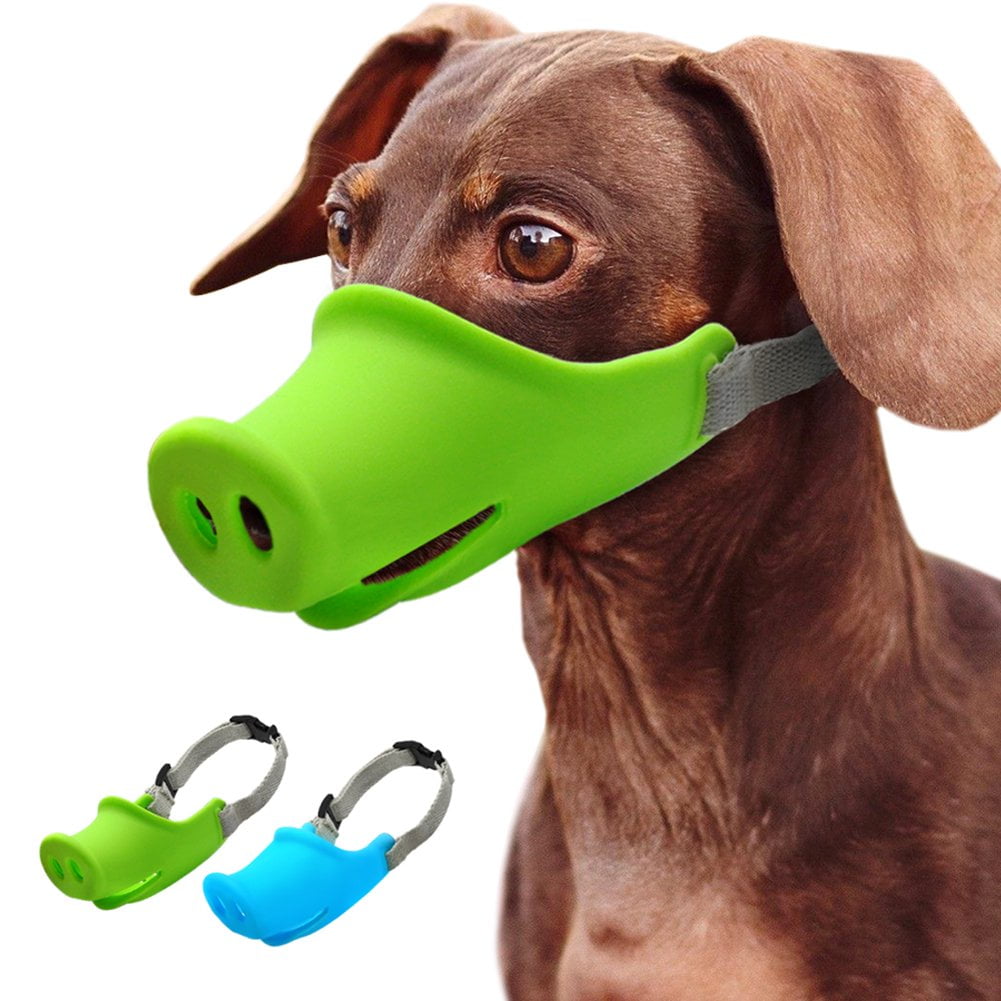
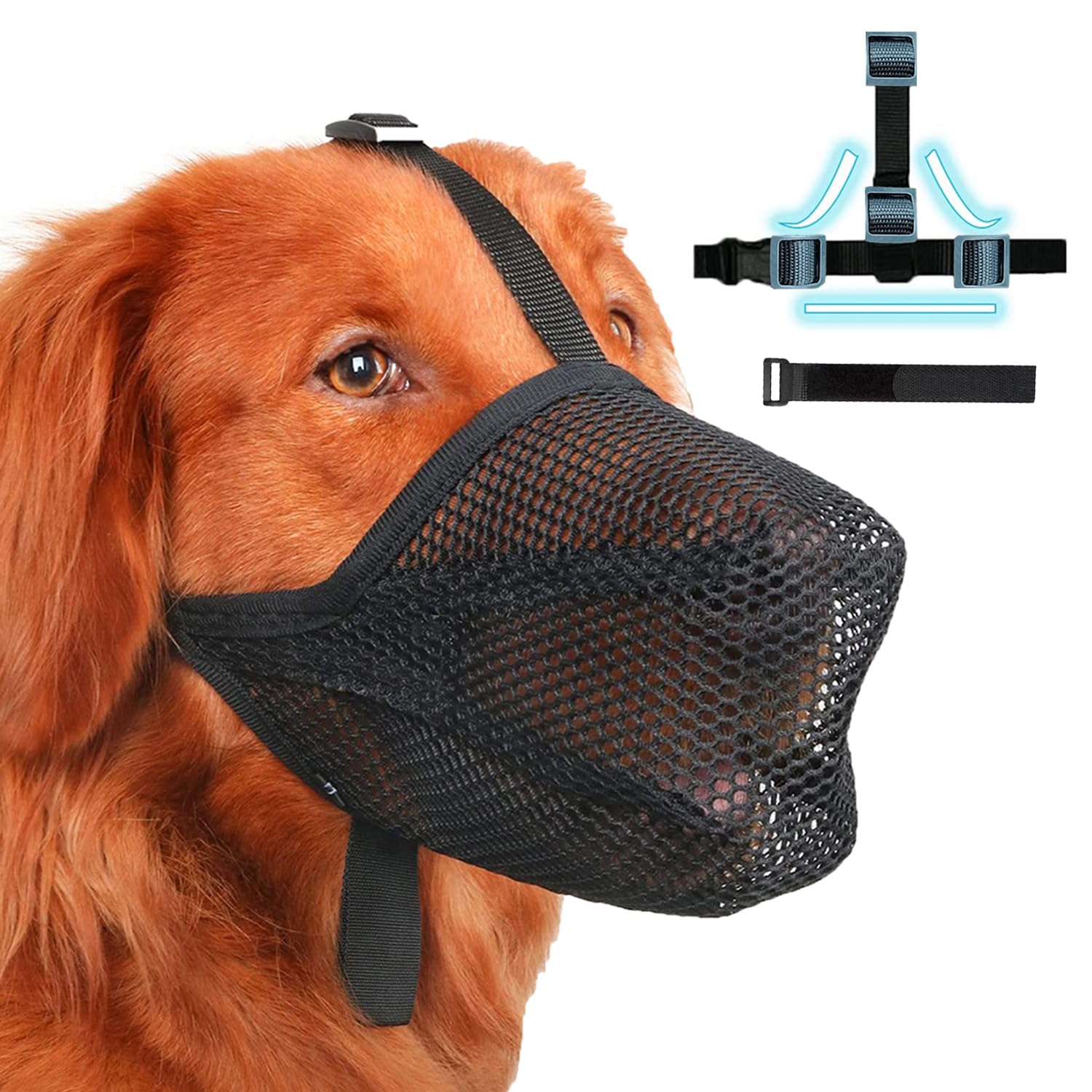
In situations where environmental management and training are insufficient to prevent dangerous ingestion, a dog muzzle to stop eating everything can serve as an essential safety tool. A basket muzzle is generally recommended as it allows a dog to pant, drink water, and even take treats, while effectively preventing the consumption of inappropriate items. The introduction of a muzzle should always be a gradual, positive process, associating it with rewards and comfort to ensure acceptance. It is important to remember that a muzzle is a management tool, not a solution to the underlying problem, and should be used in conjunction with ongoing training and investigation into the root cause of the behavior.
When Professional Help May Be Needed
While many cases of indiscriminate eating can be managed with consistent training and environmental adjustments, there are specific situations where professional intervention becomes crucial. Persistent ingestion of non-food items, especially if it continues despite dedicated management and training efforts, warrants a professional evaluation. This is particularly true if the behavior is sudden in onset, extreme, or accompanied by other concerning symptoms.
A veterinary consultation is the first and most critical step when a dog exhibits a consistent tendency to eat everything. A veterinarian can perform a thorough physical examination, conduct diagnostic tests such as blood work, fecal analysis, and imaging (X-rays or ultrasound), to rule out underlying medical conditions like gastrointestinal diseases, parasites, hormonal imbalances, or even nutrient deficiencies. If a medical cause is identified, appropriate treatment can then be initiated.
If medical causes are ruled out or if the behavior has a strong behavioral component, consulting a certified professional dog trainer or a veterinary behaviorist is highly recommended. These professionals possess specialized knowledge and experience in behavioral modification techniques. A professional trainer can provide personalized guidance on advanced “Leave It” and “Drop It” training, counter-conditioning, and desensitization exercises. A veterinary behaviorist, especially for complex or severe cases of pica or compulsive scavenging, can develop a comprehensive behavior modification plan, potentially including medication in conjunction with training, to address anxiety, obsessive behaviors, or other underlying psychological factors. Seeking professional help ensures a holistic approach, prioritizing the dogs safety and long-term well-being.
Conclusion
The challenge of a dog attempting to eat everything presents a significant concern for responsible dog owners, highlighting the critical link between behavior, health, and environmental management. While the behavior can stem from various sourcesranging from medical conditions to behavioral issues like boredom or anxietythe potential for serious health consequences underscores the importance of proactive intervention. Tools like a dog muzzle to stop eating everything can provide an immediate and effective safety measure, offering vital protection while more permanent solutions are developed. Success hinges on a comprehensive strategy that includes vigilant environmental control, consistent positive reinforcement training, providing adequate mental and physical enrichment, and ensuring a balanced diet. Furthermore, recognizing when to seek professional guidance from a veterinarian or a certified behavior specialist is paramount. Through diligent observation, informed action, and a commitment to understanding a dog’s needs, owners can effectively manage this challenging behavior, ensuring a safer, healthier, and happier life for their canine companions.
Pet Care & Wellness Overview Table
| Life Stage | Daily Activity Level | Key Nutrition / Care Focus |
|---|---|---|
| Puppy / Kitten | High (frequent short bursts) | High-protein growth diet & early socialization |
| Adult Companion | Moderate (30–60 mins daily) | Balanced maintenance nutrition & dental hygiene |
| Senior Pets | Low to Gentle (mindful walks) | Joint support (Glucosamine) & routine vet checks |
Images References





For more expert pet care tips and advice, check out our dedicated Dog Training guides to keep your companions healthy and happy.




