
Introduction
Dog oral care represents a cornerstone of responsible pet ownership, extending far beyond simply addressing bad breath. It encompasses a range of practices and observations aimed at maintaining the health of a dog’s teeth, gums, and overall mouth. The significance of this aspect of canine well-being is often underestimated, yet it directly impacts a dog’s comfort, nutrition, and systemic health. Dental disease is remarkably common in dogs, with many experiencing some form of it by the age of three. When neglected, issues such as plaque and tartar buildup can lead to painful gum inflammation, infections, and even tooth loss. Understanding and prioritizing dog oral care can dramatically improve a dogs overall quality of life, prevent unnecessary pain, and contribute significantly to their longevity and happiness.
💡 Pet Care Key Takeaways:
- Core Focus: Practical health, nutrition, and wellness guidelines for Dog Oral Care.
- Target Scope: Pet owners, animal caregivers, and veterinary support staff.
- Best Recommendation: Maintain consistent daily routines and consult an accredited veterinarian before introducing major diet or medical changes.
Common Causes and Key Factors
The primary driver behind most canine oral health issues is the accumulation of plaque and tartar. Plaque, a sticky film of bacteria, saliva, and food particles, constantly forms on a dog’s teeth. If not removed regularly, it hardens into tartar (calculus), a rough, porous substance that adheres firmly to the tooth surface. This buildup irritates the gums, leading to inflammation known as gingivitis, the initial stage of periodontal disease. For more related activities, check out our Home Remedy For Dog With Struvite Crystals.
Several factors contribute to the progression of oral health problems. A diet consisting predominantly of soft, wet food can exacerbate plaque accumulation as it offers less abrasive action compared to dry kibble. The lack of appropriate dental chews or toys designed to help scrub teeth also plays a role.
Breed predisposition is another significant factor. Smaller breeds, such as Yorkshire Terriers, Chihuahuas, and Poodles, often have crowded teeth, which makes them more susceptible to plaque and tartar buildup. Brachycephalic (short-nosed) breeds also frequently experience dental alignment issues. Additionally, a dog’s age impacts oral health, with older animals naturally more prone to advanced dental disease due to years of accumulation. Genetic factors can also influence a dog’s susceptibility to dental issues. Ultimately, a lack of consistent, preventative dog oral care is the most critical factor allowing dental disease to take hold and progress.
Signs and Symptoms to Observe
Recognizing the early signs of dental problems is crucial for effective dog oral care. The most common and often the first noticeable symptom is persistent bad breath, medically known as halitosis. This is usually a strong indicator of bacterial overgrowth in the mouth.
Visible changes in the gums are also key. Owners might observe red, swollen, or bleeding gums, particularly along the gum line where teeth meet the tissue. This indicates gingivitis or more advanced periodontal disease. The presence of a brownish-yellow crust on the teeth, especially the molars and canines, signifies tartar accumulation.
Behavioral changes related to eating are significant indicators of discomfort. A dog experiencing oral pain might show difficulty eating, drop food from the mouth, chew only on one side, or exhibit a sudden reluctance to eat hard kibble or chew toys. Excessive drooling, sometimes mixed with blood, can also be a sign of irritation or infection. In more advanced stages, loose or missing teeth might be noticed, along with a dog pawing at its mouth or face, indicative of persistent pain. Dogs might also become irritable or withdrawn if they are experiencing significant oral discomfort, demonstrating that physical health issues can manifest as behavioral changes. The severity and manifestation of these signs can vary with age and breed, with smaller breeds often showing signs of advanced disease at a younger age.
Practical Solutions and Management Strategies
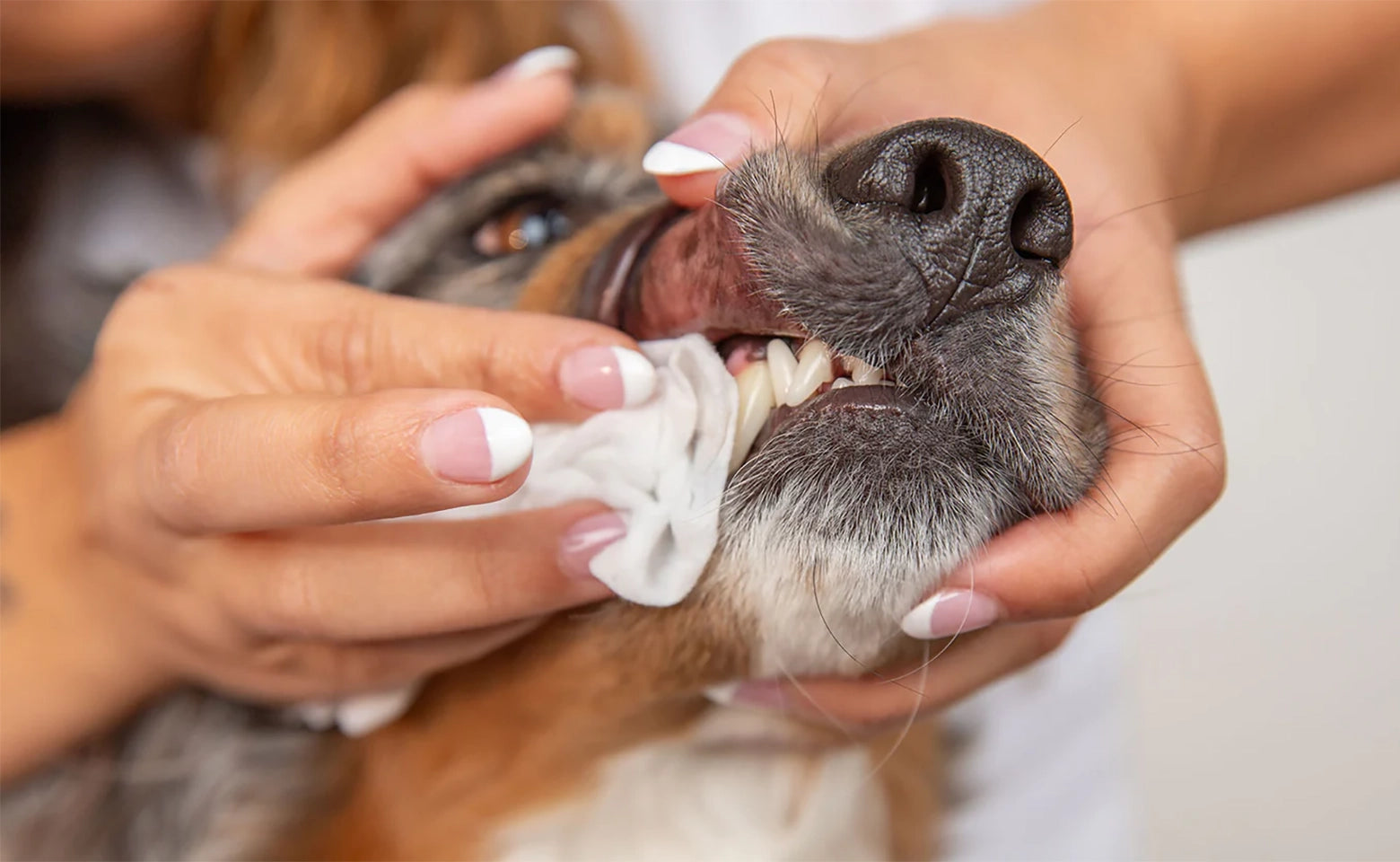
Effective dog oral care involves a multifaceted approach that combines home care with professional veterinary attention. The gold standard for home dental hygiene is daily tooth brushing. This involves using a dog-specific toothbrush and enzymatic toothpaste (never human toothpaste, which can be toxic). Regular brushing mechanically removes plaque before it hardens into tartar.
Incorporating dental chews and toys specifically designed and approved by organizations like the Veterinary Oral Health Council (VOHC) can also be beneficial. These products help to mechanically scrape plaque off teeth or contain enzymes that reduce plaque formation. However, these are supplementary and do not replace brushing. Similarly, dental diets, formulated with a unique kibble structure or special additives, can assist in reducing plaque and tartar accumulation through mechanical abrasion or chemical action.
Water additives, which contain antiseptic agents, can be added to a dog’s drinking water to help reduce bacteria in the mouth. While helpful, their effectiveness varies and they should not be relied upon as a sole method of dog oral care. Consistent, routine veterinary check-ups are crucial for early detection of dental issues, allowing a veterinarian to assess the oral cavity and recommend appropriate interventions. These regular examinations are vital for monitoring the effectiveness of home care strategies and determining when professional cleaning might be necessary.
When Professional Help May Be Needed
While diligent home care forms the foundation of dog oral care, there are specific situations where professional veterinary intervention becomes essential. A persistent and severe bad breath that does not improve with home brushing often indicates an underlying issue that requires veterinary attention. The presence of significant visible tartar buildup, which appears as a hard, brownish-yellow crust on the teeth, cannot be removed by brushing alone and necessitates professional scaling.
Any signs of red, swollen, or bleeding gums, especially if accompanied by pain or reluctance to eat, warrant immediate veterinary consultation. These symptoms suggest gingivitis or advanced periodontal disease, which can lead to tooth loss and systemic health problems if left untreated. If a dog begins to exhibit difficulty chewing, dropping food, or shows overt signs of pain when touching its mouth, a veterinary examination is crucial. Loose or missing teeth are clear indicators of severe dental disease requiring professional diagnosis and treatment.
During a professional dental cleaning, which is performed under general anesthesia, a veterinarian or veterinary technician can thoroughly scale away plaque and tartar both above and below the gum line. Dental X-rays are often taken to assess the health of the tooth roots and jawbone, revealing issues not visible to the naked eye. This comprehensive approach allows for the extraction of diseased teeth and the treatment of infections, preventing further progression of oral disease and safeguarding a dog’s overall health.
Conclusion
Effective dog oral care is an indispensable component of responsible pet ownership, significantly influencing a dog’s comfort, health, and happiness. Recognizing that dental disease is a prevalent issue, often progressing silently, underscores the importance of proactive measures. Consistent home care, including regular brushing, combined with the strategic use of dental-specific products, forms the bedrock of preventative oral hygiene. However, the vigilance of a pet owner in observing potential signs of distress or disease is equally critical. Regular veterinary check-ups and professional dental cleanings under anesthesia are indispensable tools for managing existing conditions and preventing future problems. By embracing a comprehensive approach to dog oral care, owners can ensure their beloved companions maintain strong, healthy teeth and gums, contributing to a vibrant and full life.
Pet Care & Wellness Overview Table
| Life Stage | Daily Activity Level | Key Nutrition / Care Focus |
|---|---|---|
| Puppy / Kitten | High (frequent short bursts) | High-protein growth diet & early socialization |
| Adult Companion | Moderate (30–60 mins daily) | Balanced maintenance nutrition & dental hygiene |
| Senior Pets | Low to Gentle (mindful walks) | Joint support (Glucosamine) & routine vet checks |
Images References


For more expert pet care tips and advice, check out our dedicated Dog Health guides to keep your companions healthy and happy.


