
Introduction
Maintaining the health and well-being of a canine companion is a top priority for dog owners. A crucial aspect of responsible pet care involves understanding and utilizing dog parasite medicine. This term encompasses a wide array of pharmaceutical solutions designed to prevent, control, and eliminate various internal and external parasites that commonly afflict dogs. Parasitic infestations can range from mild irritations to life-threatening conditions, significantly impacting a dog’s comfort, vitality, and overall health. Understanding the types of parasites, the medications available, and the importance of a consistent preventative regimen is fundamental. By effectively managing parasitic threats through appropriate medicine, guardians can help ensure their dog lives a happier, healthier, and more comfortable life, free from the detrimental effects of these unwelcome organisms.
💡 Pet Care Key Takeaways:
- Core Focus: Practical health, nutrition, and wellness guidelines for Dog Parasite Medicine.
- Target Scope: Pet owners, animal caregivers, and veterinary support staff.
- Best Recommendation: Maintain consistent daily routines and consult an accredited veterinarian before introducing major diet or medical changes.
Common Causes and Key Factors
Dogs are susceptible to parasite infestations due to a combination of environmental exposure, lifestyle, and biological factors. Parasites are ubiquitous in many environments where dogs live, play, and interact. For more related activities, check out our Home Remedy For Dog With Struvite Crystals.
External Parasites like fleas and ticks are often encountered in grassy areas, wooded environments, and even within homes. Fleas can infest bedding, carpets, and furniture, while ticks typically lurk in tall grass and shrubs, waiting to attach to a passing host. Mosquitoes, which transmit heartworm, are prevalent in most regions, particularly during warmer months.
Internal Parasites, such as roundworms, hookworms, whipworms, and tapeworms, can be contracted through various means. Ingestion of contaminated soil, feces from infected animals, or even infected prey (like rodents or fleas carrying tapeworm larvae) are common routes. Puppies can acquire roundworms and hookworms from their mothers during gestation or through nursing. Protozoan parasites like Giardia and Coccidia are often spread through contaminated water sources or contact with infected feces, especially in multi-dog environments or areas with poor sanitation.
Key factors influencing a dog’s risk include their living environment (urban vs. rural), access to outdoor spaces, interaction with other animals, and geographical location which dictates the prevalence of certain parasites. A dog’s age and immune status also play a role, with puppies and immunocompromised dogs often being more vulnerable to severe infestations.
Signs and Symptoms to Observe
Vigilant observation of a dog’s behavior and physical condition is essential for early detection of parasite issues. The signs and symptoms can vary significantly depending on the type of parasite, the severity of the infestation, and the dog’s individual health.
For external parasites such as fleas and ticks, common indicators include excessive scratching, licking, or biting at the skin. Skin irritation, redness, scabs, hair loss, and the presence of “flea dirt” (small black specks that turn reddish-brown when wet) are strong clues. Ticks may be visible as small, engorged bumps attached to the skin, and can cause localized irritation or, in some cases, lameness (tick paralysis) or transmit diseases leading to lethargy and fever.
Signs of internal parasites are often digestive in nature. These can include vomiting, diarrhea (which may contain blood or mucus), a distended or “pot-bellied” appearance (especially in puppies), and weight loss despite a healthy appetite. Worms may sometimes be visible in a dog’s feces or vomit. A dog might “scoot” its rear end across the ground due to anal irritation, particularly with tapeworms. In cases of hookworm infestation, pale gums can indicate anemia from blood loss. Heartworm disease, transmitted by mosquitoes, often presents with a persistent cough, reluctance to exercise, fatigue after moderate activity, decreased appetite, and weight loss as the disease progresses.
Any change in a dog’s usual demeanor, energy levels, appetite, or digestive habits warrants close attention and investigation, as these can be subtle indicators of an underlying parasitic problem.
Practical Solutions and Management Strategies
Effective management of dog parasites involves a multi-faceted approach, centered on consistent preventative care and prompt treatment using appropriate dog parasite medicine.
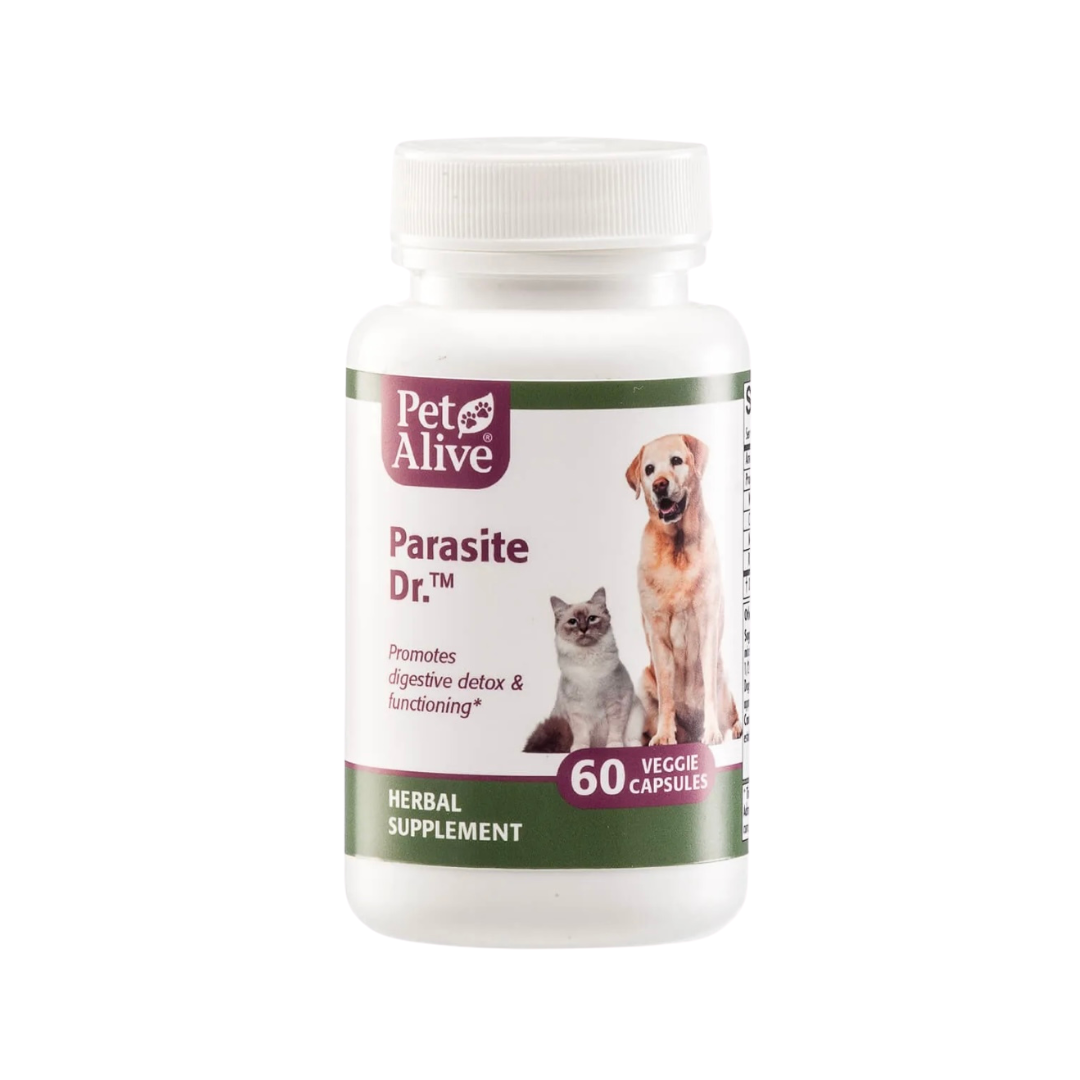
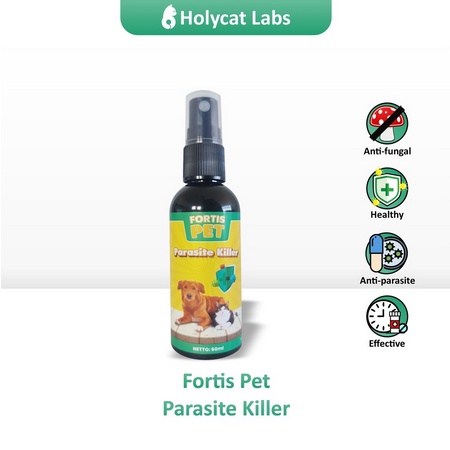
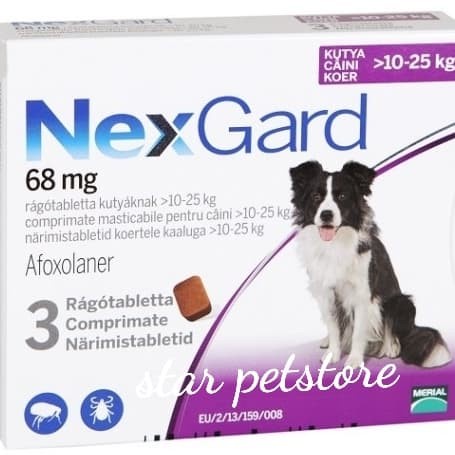
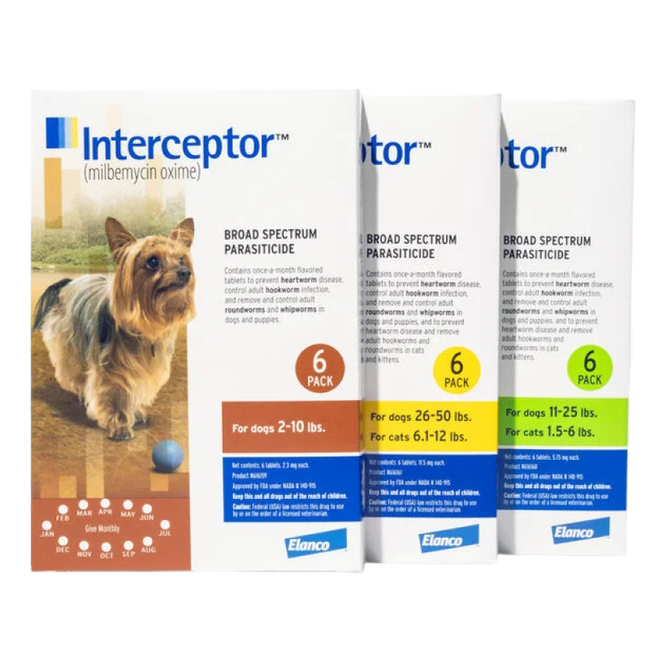
The cornerstone of parasite control is the regular administration of veterinarian-prescribed preventatives. These medications come in various forms, including oral tablets, topical spot-ons, and injectable options, and are specifically formulated to target fleas, ticks, heartworms, and intestinal worms. Adhering strictly to the recommended dosing schedule, typically monthly or quarterly, is crucial for continuous protection. The choice of specific product depends on a dog’s lifestyle, geographical location, and individual health needs, best determined through consultation with a veterinarian.
Beyond medication, environmental management plays a significant role. Regularly vacuuming indoor spaces, washing pet bedding in hot water, and maintaining a clean yard can help reduce the presence of fleas and parasite eggs. Promptly picking up dog waste is essential to prevent the spread of intestinal parasites. Limiting access to stagnant water and discouraging scavenging can also mitigate the risk of contracting certain internal parasites.
For dogs prone to outdoor adventures, routine checks for ticks after walks or playtime in grassy or wooded areas are advisable. Proper grooming practices, including regular brushing and bathing, can also help to keep a dog’s coat healthy and allow for early detection of external parasites. A balanced diet and good nutrition support a robust immune system, which in turn helps a dog better withstand the challenges of parasitic exposure.
When Professional Help May Be Needed
While diligent at-home observation and consistent preventative measures are vital, there are specific situations where professional veterinary intervention becomes indispensable regarding dog parasite medicine.
Any time a dog owner suspects a parasitic infestation, a visit to the veterinarian is warranted. Accurate diagnosis of internal parasites requires microscopic examination of fecal samples, and heartworm detection necessitates a blood test. A veterinarian can precisely identify the type of parasite involved, which is crucial for prescribing the most effective and appropriate treatment. Self-diagnosing or using over-the-counter medications without professional guidance can be ineffective and potentially harmful to a dog’s health.
Veterinary consultation is also essential for establishing a comprehensive, year-round parasite prevention plan tailored to a dog’s specific needs, risk factors, and local parasite prevalence. This ensures the correct type, dosage, and frequency of dog parasite medicine is administered.
If a dog exhibits severe symptoms such as persistent vomiting, severe diarrhea, extreme lethargy, sudden weight loss, or difficulty breathing, immediate veterinary attention is critical. These could indicate a heavy parasitic burden or a secondary complication that requires urgent medical care. Additionally, if a dog experiences any adverse reactions to a prescribed parasite medication, veterinary advice should be sought promptly. A veterinarian can provide guidance, adjust treatment protocols, or explore alternative solutions to ensure a dog’s safety and well-being.
Conclusion
Understanding and utilizing dog parasite medicine is an undeniable cornerstone of responsible dog ownership. From common fleas and ticks to insidious heartworms and intestinal invaders, parasites pose a continuous threat to canine health and comfort. A proactive approach, combining regular veterinary check-ups with the consistent administration of veterinarian-prescribed preventative medications, forms the strongest defense. Vigilant observation for any changes in a dog’s behavior or physical condition allows for early detection, while prompt professional intervention ensures accurate diagnosis and effective treatment. By prioritizing parasite prevention and management, dog owners contribute significantly to their beloved companion’s overall health, vitality, and quality of life, allowing them to thrive free from the burdens of parasitic infestations.
Pet Care & Wellness Overview Table
| Life Stage | Daily Activity Level | Key Nutrition / Care Focus |
|---|---|---|
| Puppy / Kitten | High (frequent short bursts) | High-protein growth diet & early socialization |
| Adult Companion | Moderate (30–60 mins daily) | Balanced maintenance nutrition & dental hygiene |
| Senior Pets | Low to Gentle (mindful walks) | Joint support (Glucosamine) & routine vet checks |
Images References




For more expert pet care tips and advice, check out our dedicated Dog Health guides to keep your companions healthy and happy.




