

Introduction
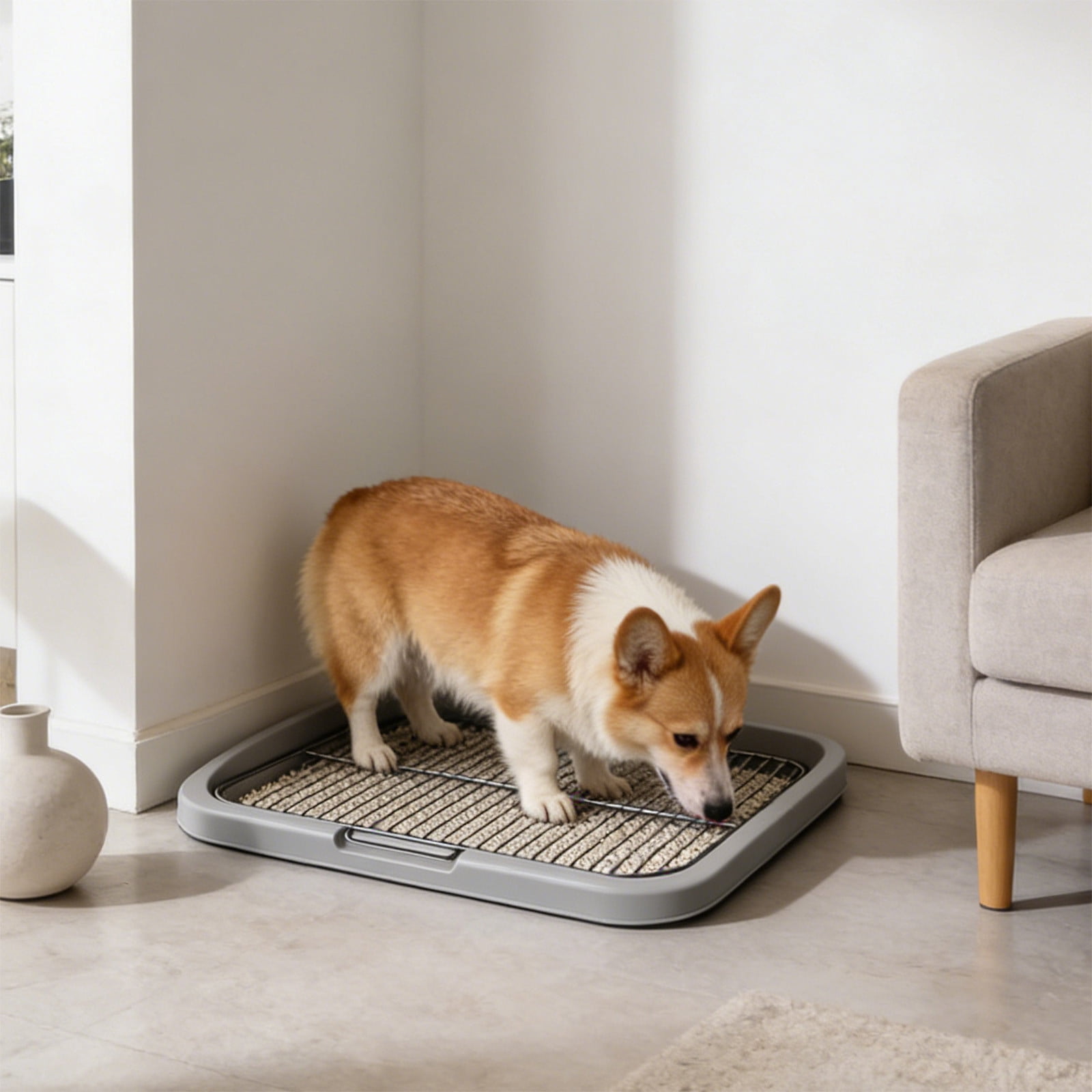
The concept of a dog potty box provides a practical indoor solution for canine elimination, addressing a common need for many dog owners. Essentially, a dog potty box is a designated indoor area, often a container lined with absorbent material or artificial grass, where a dog can relieve itself. This system becomes particularly important for owners living in apartments or homes without easy yard access, for puppies undergoing housetraining, for senior dogs with limited mobility, or during periods of inclement weather. Understanding and effectively implementing a dog potty box system can significantly improve a dogs well-being by providing a consistent, clean, and safe space for elimination, thereby reducing accidents inside the home and fostering a more predictable routine.
💡 Pet Care Key Takeaways:
- Core Focus: Practical health, nutrition, and wellness guidelines for Dog Potty Box.
- Target Scope: Pet owners, animal caregivers, and veterinary support staff.
- Best Recommendation: Maintain consistent daily routines and consult an accredited veterinarian before introducing major diet or medical changes.
Common Causes and Key Factors
The decision to introduce a dog potty box often arises from various practical and health-related considerations. A primary factor is the initial stages of puppy housetraining, where consistent and accessible elimination points are crucial for establishing good habits. Small breed dogs, due to their size and bladder capacity, may also benefit from an indoor option, especially during colder months. For more related activities, check out our Cesar Millan How To Stop Puppy Biting.
Environmental constraints represent another significant reason. Dogs residing in apartments or urban environments without private outdoor space frequently require an indoor alternative to daily walks for every potty break. Similarly, periods of adverse weather, such as heavy rain, snow, or extreme heat, can make outdoor elimination challenging or uncomfortable for some dogs.
Physical limitations and health conditions in older or convalescing dogs are compelling factors. Senior dogs with arthritis or other mobility issues may struggle with stairs or long walks, making an easily accessible indoor potty box a humane solution. Dogs recovering from surgery or those with certain medical conditions that increase urination frequency may also find immense relief and comfort from such a setup. Owner lifestyles, including long work hours that prevent frequent outdoor excursions, further highlight the utility of a well-implemented indoor potty system.
Signs and Symptoms to Observe
Observing a dog’s behavior provides valuable insight into the potential need for or success of a potty box system. Frequent indoor accidents, particularly in consistent locations, signal a dogs need for a more accessible or clearly defined elimination area. A dogs reluctance to go outside during specific weather conditions, such as rain or cold, by holding urine or exhibiting distress, indicates a preference for an indoor alternative.
For a dog already introduced to a potty box, positive signs include its consistent and deliberate use of the designated area for elimination, leading to a noticeable reduction in accidents elsewhere. Increased confidence and comfort during urination or defecation within the box are also positive indicators. Conversely, avoidance of the box, continued accidents outside of it, or signs of anxiety around elimination suggest that the system may need adjustment or further training. Variations in behavior can be influenced by age; puppies require more frequent access and close supervision, while senior dogs might need a box with lower sides for easier entry and exit.
Practical Solutions and Management Strategies
Implementing a successful dog potty box system involves careful selection, strategic placement, and consistent training. Choosing the right potty box is paramount; options range from simple trays with absorbent pads to more elaborate artificial grass systems or litter box designs. The size should be appropriate for the dog, allowing it to turn around comfortably, and the material should be easy to clean and sanitize.
Strategic placement is essential. The potty box should be located in a quiet, accessible area of the home, away from feeding and sleeping areas, but easily reachable by the dog. Consistency in location helps the dog understand its purpose.
Training requires patience and positive reinforcement. Immediately after waking, after meals, and before bedtime, the dog should be gently guided to the potty box. Upon successful use, immediate praise and a small, desirable treat reinforce the desired behavior. If a dog is already accustomed to eliminating on a specific surface, such as grass, using an artificial grass potty system can aid in the transition. For dogs resistant to using the box, placing a soiled pad or a small amount of urine on the new surface can help create a scent association.
Hygiene is critical for both the dog’s health and maintaining a clean home environment. The potty box and surrounding area must be cleaned regularly to prevent odors and discourage the dog from seeking alternative elimination spots. Using enzymatic cleaners can help neutralize odors effectively. Transitioning a dog from using a potty box to outdoor elimination, or vice versa, should be a gradual process, often involving moving the box closer to the exit or slowly increasing outdoor potty breaks while decreasing indoor access.
When Professional Help May Be Needed
While a dog potty box offers a practical solution for many, certain situations warrant professional intervention. Sudden and inexplicable changes in a dogs elimination habits, such as increased frequency, difficulty or pain during urination or defecation, or unusual stool consistency, should prompt an immediate veterinary consultation. These symptoms can indicate underlying medical conditions like urinary tract infections, kidney disease, diabetes, or gastrointestinal issues, which require prompt diagnosis and treatment.
Persistent refusal to use the potty box despite consistent and well-applied training efforts, especially when accompanied by signs of anxiety or stress during elimination, suggests a deeper behavioral issue. Similarly, house soiling that appears to be related to separation anxiety, fear, or other complex behavioral patterns may require the expertise of a certified professional dog trainer or a veterinary behaviorist. These professionals can assess the specific circumstances, identify root causes, and develop tailored behavior modification plans that go beyond basic housetraining techniques. Seeking professional guidance in these scenarios ensures the dogs health and well-being are properly addressed.
Conclusion
The dog potty box serves as an invaluable tool for dog owners seeking practical, hygienic, and consistent indoor elimination solutions. Its benefits extend across various life stages and living situations, from aiding in the housetraining of puppies to providing comfort for senior dogs and convenience for those in urban environments. Success hinges on a clear understanding of a dog’s needs, consistent positive reinforcement training, and diligent hygiene practices. By carefully selecting the right equipment, implementing a thoughtful training regimen, and maintaining cleanliness, a designated indoor potty area can significantly enhance a dogs comfort and contribute to a cleaner, more harmonious home. Awareness, observation, and dedicated care are paramount in ensuring a dogs overall well-being and a positive living experience for all.
Pet Care & Wellness Overview Table
| Life Stage | Daily Activity Level | Key Nutrition / Care Focus |
|---|---|---|
| Puppy / Kitten | High (frequent short bursts) | High-protein growth diet & early socialization |
| Adult Companion | Moderate (30–60 mins daily) | Balanced maintenance nutrition & dental hygiene |
| Senior Pets | Low to Gentle (mindful walks) | Joint support (Glucosamine) & routine vet checks |
Images References


For more expert pet care tips and advice, check out our dedicated Dog Training guides to keep your companions healthy and happy.




