

Decoding the mystery of canine wall damage during periods of separation
According to the American Society for the Prevention of Cruelty to Animals (ASPCA), destructive behaviors in domestic canines frequently stem from underlying psychological distress triggered by isolation. Witnessing fresh gouges in drywall or peeled wallpaper upon returning home can instantly turn a peaceful homecoming into a stressful ordeal. Behind this peculiar household nuisance lies a complex web of motivations ranging from everyday boredom to severe panic. Understanding the root cause of this wall-destroying habit is the first step toward restoring household harmony and protecting the living environment.
💡 Pet Care Key Takeaways:
- Core Focus: Practical health, nutrition, and wellness guidelines for Dog Scratching Wall When Left Alone.
- Target Scope: Pet owners, animal caregivers, and veterinary support staff.
- Best Recommendation: Maintain consistent daily routines and consult an accredited veterinarian before introducing major diet or medical changes.
Understanding what dog scratching wall when left alone signifies for canine behavior
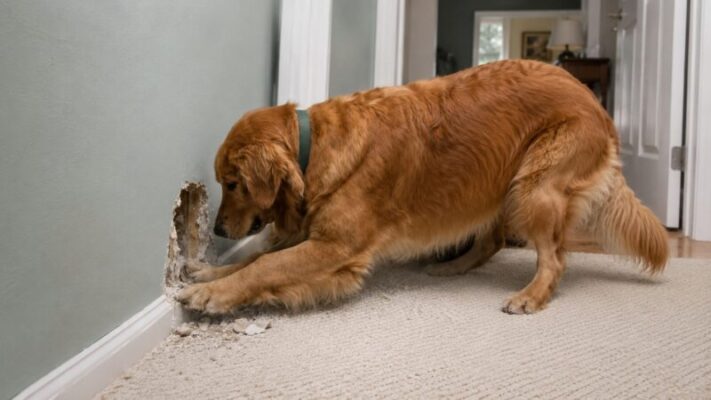
Dogs scratch walls when left alone primarily as a physical outlet for pent-up stress, redirected energy, or distress associated with separation anxiety. In professional behavior consulting, separation anxiety refers to a clinical panic disorder where the animal experiences extreme distress when isolated from primary attachment figures. Unlike simple mischief, anxiety-driven scratching is compulsive and often accompanied by vocalization, heavy panting, or house-soiling. Furthermore, some individuals engage in barrier frustration—a state of intense arousal caused by being blocked from a desired path, such as an exit door or a window where family members departed. For more related activities, check out our Dog Jealous Behavior.
Evaluating the physical and psychological toll of environmental destruction
Unchecked scratching behavior poses significant physical risks to the animal, including torn nails, fractured claws, severe paw pad abrasions, and dental damage if chewing accompanies the clawing. Beyond the veterinary concerns, repeated exposure to chronic stress profoundly impacts overall canine wellness, elevating cortisol levels and compromising immune function over time. In clinical practice, observing a dog with raw, bleeding nails standing before a shredded patch of drywall reveals a profound level of panic that goes far beyond simple naughtiness. Homes also suffer structural damage, and the financial cost of continuous drywall repair can strain household budgets significantly.
Destructive behaviors like wall scratching and digging near exits are among the most common secondary symptoms reported in cases of canine separation-related panic. — American Society for the Prevention of Cruelty to Animals
Implementing effective behavioral strategies to prevent destructive wall scratching
Addressing this challenging habit requires a multifaceted approach focused on systematic desensitization and environmental enrichment. Desensitization involves gradually exposing the animal to brief moments of separation while pairing the absence with high-value rewards, slowly building up duration as confidence grows. Puzzle toys, interactive feeders, and vigorous pre-departure exercise help channel excess nervous energy into productive outlets rather than architectural destruction. Additionally, utilizing white noise machines or playing calming classical music can help mask outdoor triggers that might startle a sensitive animal while unattended.
Essential best practices and common management mistakes to avoid
Punishing a dog after returning home to a damaged wall is entirely ineffective because canines cannot connect the delayed reprimand to an action performed hours or minutes prior. Instead of building trust, retrospective scolding exacerbates underlying anxiety, often increasing the intensity of future destructive episodes. Owners should instead focus on management tools such as secure confinement areas, heavy-duty exercise pens, or professional-grade crate training, provided the animal is already comfortable inside a crate. Transitioning gradually and maintaining calm departures and arrivals will help reinforce a secure emotional state.
Providing predictable routines and structured mental stimulation significantly reduces the frequency of stress-induced behaviors in domestic canines. — American Kennel Club
Pet Care & Wellness Overview Table
| Life Stage | Daily Activity Level | Key Nutrition / Care Focus |
|---|---|---|
| Puppy / Kitten | High (frequent short bursts) | High-protein growth diet & early socialization |
| Adult Companion | Moderate (30–60 mins daily) | Balanced maintenance nutrition & dental hygiene |
| Senior Pets | Low to Gentle (mindful walks) | Joint support (Glucosamine) & routine vet checks |
Images References




Examining breed, age, and individual temperament factors in destructive habits
Certain working and herding breeds possess intense work ethics and high prey drives, making them particularly susceptible to frustration and cabin fever when confined indoors. Puppies and young adolescents may also direct excessive teething and exploratory energy toward baseboards and drywall simply due to developmental needs. Conversely, senior animals experiencing canine cognitive dysfunction—a neurodegenerative disorder similar to human dementia—may pace, become disoriented, and scratch at barriers due to confusion. Recognizing these individual predispositions allows for tailored management strategies that respect the unique developmental stage and genetic background of each animal.
Knowing when to consult a qualified veterinary behaviorist or professional trainer
Severe separation panic resulting in self-injury, broken teeth, or extreme property destruction necessitates immediate intervention from a certified professional. Because behavioral medicine frequently overlaps with physical health, consulting a veterinarian helps rule out underlying medical conditions, pain, or neurological issues that might contribute to restlessness. For advanced anxiety cases, veterinarians may recommend specialized pharmaceutical support alongside behavior modification plans. Always avoid punitive or dominance-based techniques, as fear-based methods consistently worsen anxiety-related destruction; instead, seek out professionals certified through reputable humane organizations.
Restoring peace to the home through proven training and specialized care
Overcoming destructive isolation habits takes patience, consistency, and a deep commitment to understanding canine emotional needs. By addressing the root causes of stress and modifying the home environment, pet parents can successfully protect their walls and ensure their companion feels safe and secure. Exploring reliable resources on Dog Behavior and Dog Training offers further guidance for fostering a balanced, happy companion. Visit PetsAnimalsWorld.com today to discover more expert tips on Dog Care and Dog Health to support a thriving lifestyle.




