

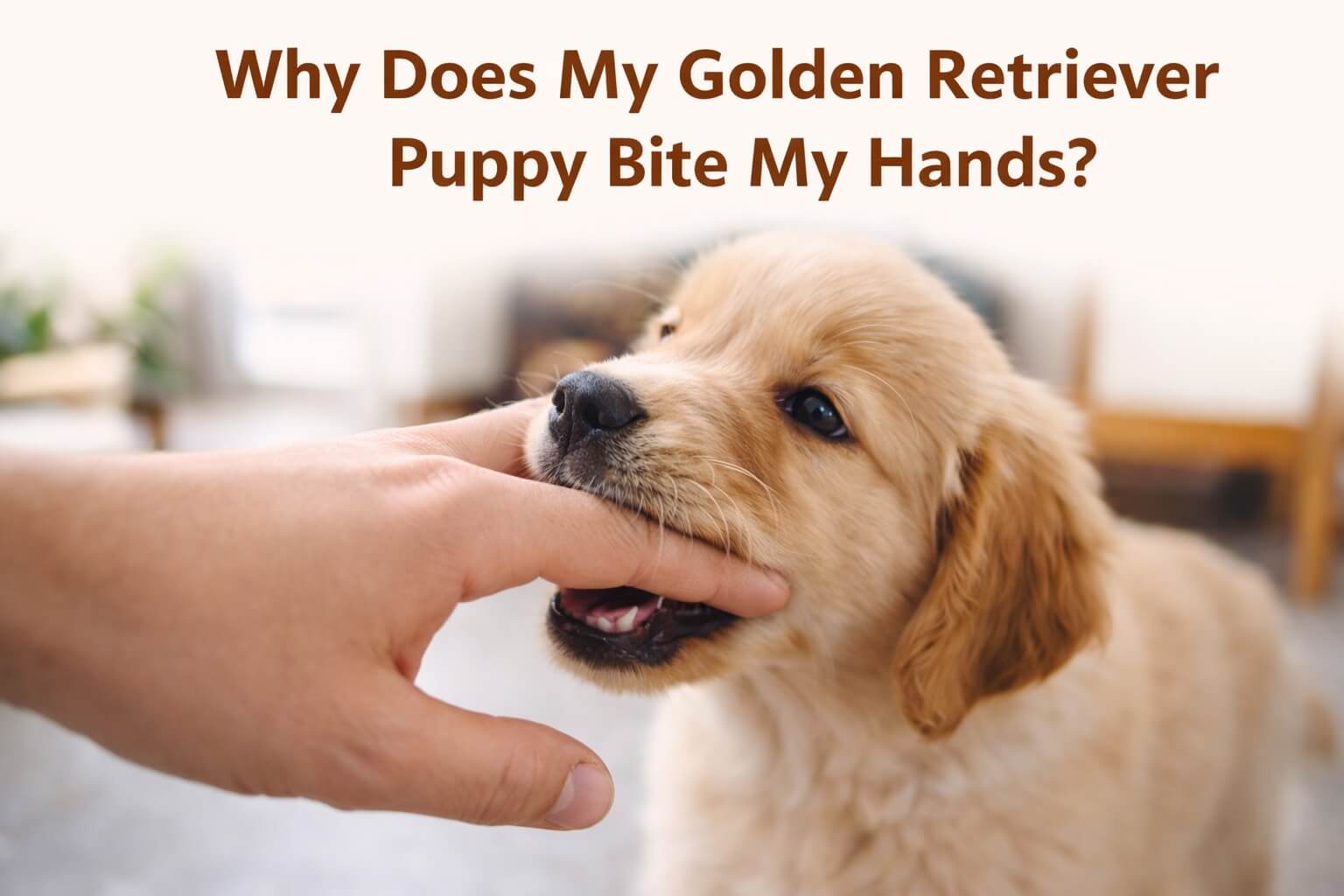
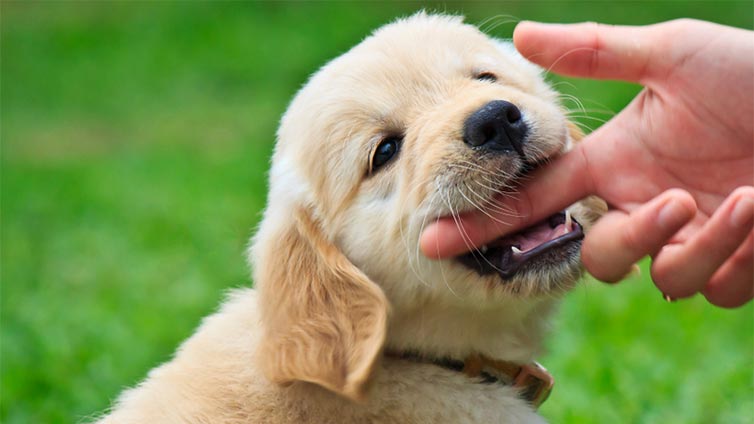
Understanding why golden retriever puppy biting and nipping hands causes concern for many new canine owners requires a look into normal developmental stages.
According to the American Kennel Club, play-biting and exploratory mouthing are completely normal behaviors for young dogs as they navigate their surrounding environment. When a fluffy golden retriever pup arrives in a household, those needle-sharp teeth often make direct contact with human skin. Many families feel overwhelmed by the sheer frequency of these sudden pinches and grabs. Recognizing the underlying drivers of this mouthing behavior helps caregivers respond with patience rather than frustration. Working through this phase successfully relies on understanding canine communication and developmental milestones.
💡 Pet Care Key Takeaways:
- Core Focus: Practical health, nutrition, and wellness guidelines for Golden Retriever Puppy Biting And Nipping Hands Causes.
- Target Scope: Pet owners, animal caregivers, and veterinary support staff.
- Best Recommendation: Maintain consistent daily routines and consult an accredited veterinarian before introducing major diet or medical changes.
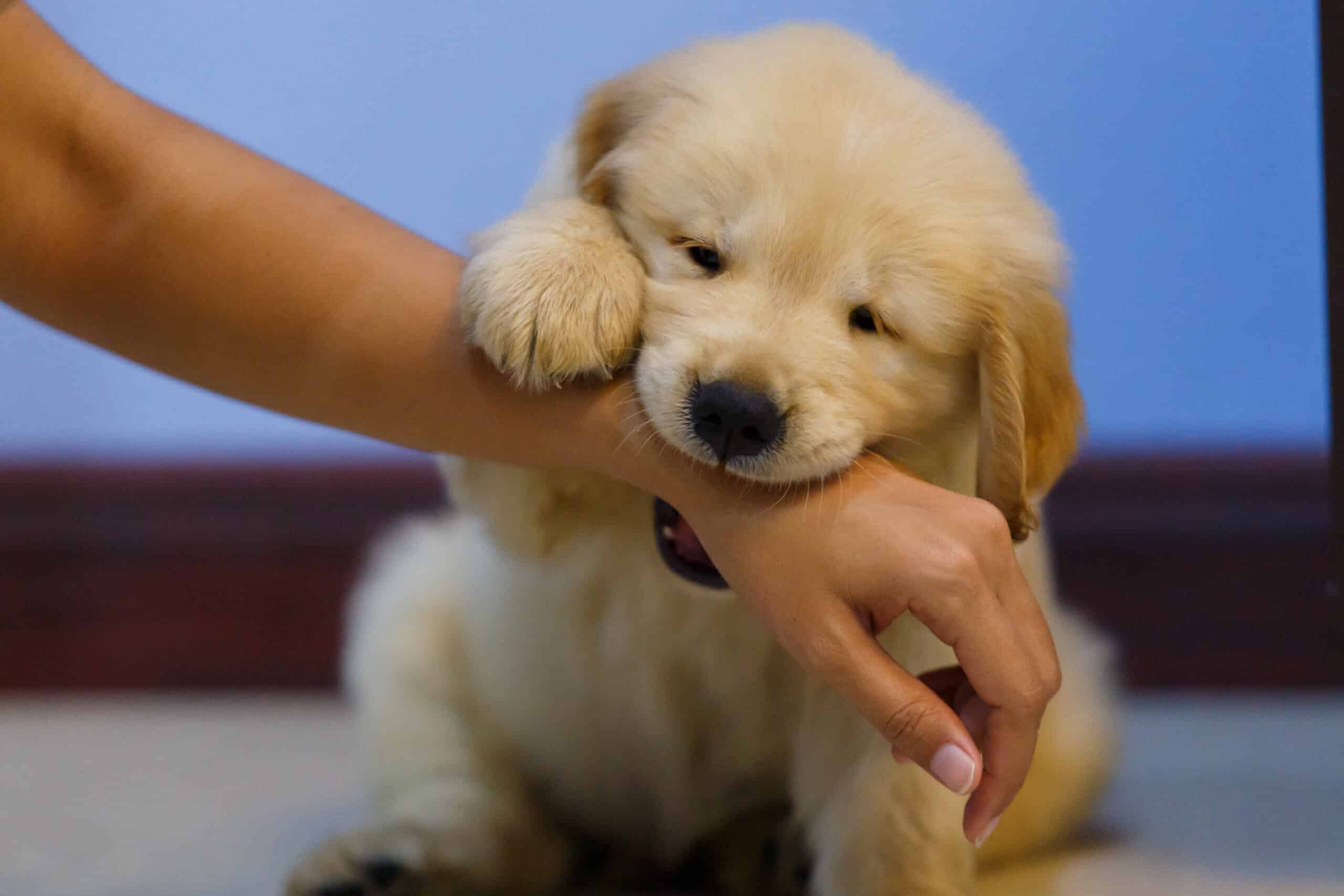
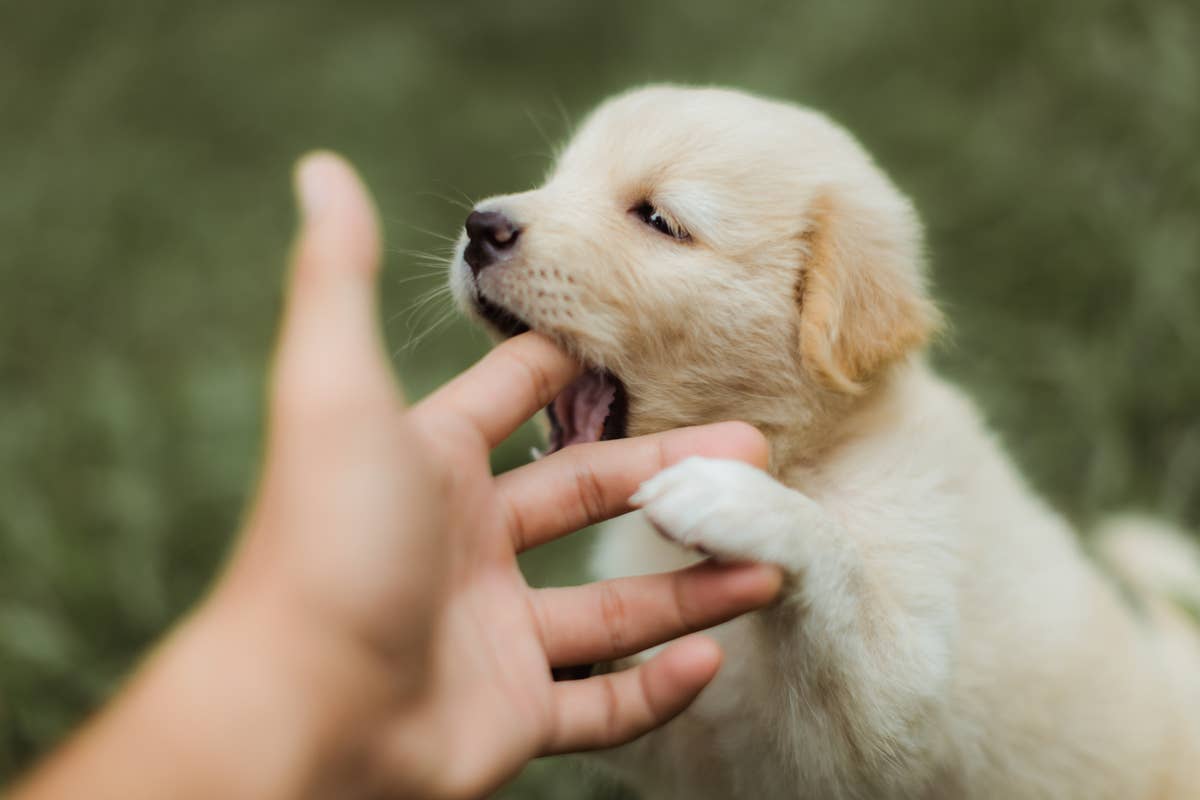
Golden retriever puppy biting and nipping hands causes stem from a combination of teething, instinctive breed traits, and exploratory play.
Teething discomfort is one of the most prominent triggers for excessive mouthing in young canines. Between the ages of twelve weeks and six months, deciduous puppy teeth are replaced by permanent adult teeth, causing sore gums that seek relief through chewing. Furthermore, retrievers were historically bred to fetch waterfowl with a gentle grip, meaning their genetic blueprint naturally fixates on using the mouth to interact with objects. When a puppy chases ankles or grabs fingers, it is often executing instinctive hunting and retrieving sequences in a domestic setting. Another frequent catalyst is over-arousal; young dogs lack emotional self-regulation and easily become over-excited during high-energy play, translating excitement directly into biting. For more related activities, check out our Dog Jealous Behavior.
Leaving puppy mouthing unaddressed often results in poor bite inhibition, which refers to a dog’s ability to control the force of its jaws. Without proper guidance, a growing retriever fails to learn that human skin is fragile and sensitive to pressure. Real-world observations in professional training consultations frequently show that puppies allowed to mouth bare hands during infancy grow into adult dogs that accidentally bruise family members during enthusiastic greetings. Additionally, harsh physical corrections or yelling often backfire, escalating the behavior by creating fear or turning the interaction into an exciting game of chase.
Puppy bite inhibition develops primarily through structured social interactions with littermates and consistent human guidance during the first six months of life. — American Kennel Club
Implementing positive redirection and environmental management effectively resolves golden retriever puppy biting and nipping hands causes over time.
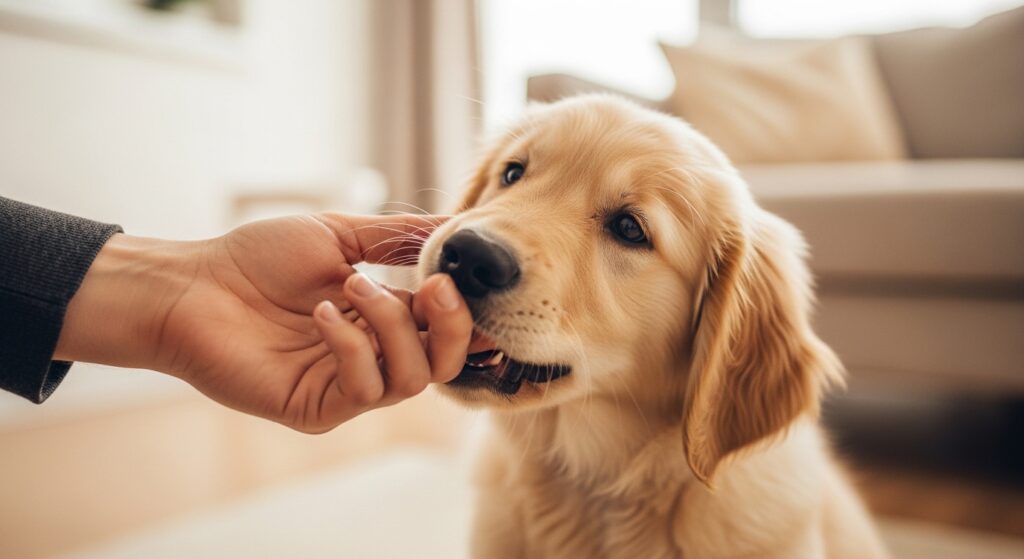
Managing this phase successfully requires keeping appropriate chew items readily accessible in every room of the house. When a young dog begins targeting fingers or clothing, the handler should immediately offer an approved rubber toy or durable chew stick as an acceptable substitute. This redirection teaches the puppy that objects, rather than flesh, satisfy the urge to bite. Consistency across all family members remains crucial for preventing confusion. If everyone responds to nipping by calmly freezing and withdrawing attention, the puppy quickly learns that biting makes fun human interaction disappear instantly.
Avoiding common training pitfalls ensures a smooth transition toward gentle adult manners.
Accidental reinforcement happens frequently when owners wiggle their fingers or pull hands away rapidly, which mimics fleeing prey and triggers predatory chase instincts. Yabbing high-pitched squeales can similarly excite certain high-drive retrievers, driving them to bite harder. Instead, maintaining a neutral posture and quietly stepping away removes the reward of attention. Providing adequate mental stimulation through puzzle toys and short training sessions also burns off excess energy that might otherwise manifest as frantic mouthing.
Providing frequent mental enrichment and appropriate outlets for chewing significantly reduces destructive exploratory behaviors in adolescent dogs. — Association of Professional Dog Trainers
Pet Care & Wellness Overview Table
| Life Stage | Daily Activity Level | Key Nutrition / Care Focus |
|---|---|---|
| Puppy / Kitten | High (frequent short bursts) | High-protein growth diet & early socialization |
| Adult Companion | Moderate (30–60 mins daily) | Balanced maintenance nutrition & dental hygiene |
| Senior Pets | Low to Gentle (mindful walks) | Joint support (Glucosamine) & routine vet checks |
Images References


Breed-specific temperament and growth rates heavily influence how long this mouthing phase lasts.
Golden retrievers are famously exuberant dogs with prolonged puppyhoods that often stretch past their second year of physical maturation. Their high intelligence means they require consistent guidance to understand household rules, while their soft mouths require explicit boundaries to transition from retriever instincts to polite greetings. Recognizing that this breed possesses high social motivation helps owners channel that eagerness into positive obedience foundations rather than defensive reactions.
Consulting a qualified professional provides essential support when puppy biting persists or escalates unexpectedly.
While normal developmental nipping improves steadily with consistent management, severe or unrelenting aggression warrants expert intervention. Seeking guidance from a certified professional dog trainer or veterinary behaviorist ensures that underlying anxiety or fear-based reactivity is properly addressed without punitive methods. Early consultation protects the human-animal bond and establishes safe behavioral pathways for the growing dog.
Supporting your canine companion through every developmental stage builds a lifelong foundation of trust and good manners.
Navigating the challenges of puppyhood takes dedication, but understanding the root causes of everyday behaviors makes the journey much smoother. Exploring resources on Dog Behavior, understanding proper Dog Training techniques, and diving into specific Dog Breeds insights will empower every pet parent. Visit PetsAnimalsWorld.com for more expert guides on lifelong Dog Care.




