

Introduction
Understanding the role of specific nutritional aids, often referred to as dog supplements to gain weight, is crucial for owners whose canine companions struggle with maintaining an ideal body condition. This topic addresses situations where a dog is underweight, a concern that can impact overall health, vitality, and longevity. Addressing inadequate weight involves not only providing sufficient calories but also ensuring proper nutrient absorption and utilizing targeted support when necessary. Identifying the root cause of low body weight and implementing appropriate strategies, including the strategic use of supplements, can significantly enhance a dogs well-being, energy levels, and resistance to illness.
💡 Pet Care Key Takeaways:
- Core Focus: Practical health, nutrition, and wellness guidelines for Dog Supplements To Gain Weight.
- Target Scope: Pet owners, animal caregivers, and veterinary support staff.
- Best Recommendation: Maintain consistent daily routines and consult an accredited veterinarian before introducing major diet or medical changes.
Common Causes and Key Factors
Several factors can contribute to a dog being underweight, making it important to investigate the underlying causes before considering dog supplements to gain weight. For more related activities, check out our Pitbullnutrition.
- Medical Conditions: Persistent low body weight often signals an underlying health issue. Common culprits include internal parasites, dental problems that make eating painful, gastrointestinal disorders such as inflammatory bowel disease or malabsorption syndromes, kidney disease, hyperthyroidism, or even certain types of cancer. These conditions can either reduce appetite or impair the body’s ability to absorb and utilize nutrients from food.
- Insufficient Caloric Intake: Simply put, some dogs may not be consuming enough calories for their energy needs. This can be due to poor quality food that lacks nutrient density, picky eating habits, or insufficient portion sizes, especially for highly active or working breeds that have elevated metabolic rates. In multi-dog households, food competition can also lead to one dog not getting adequate nutrition.
- High Metabolism and Energy Expenditure: Certain breeds naturally have faster metabolisms, making it challenging for them to maintain weight without a significantly higher caloric intake. Highly active dogs, such as those involved in agility, hunting, or long-distance running, burn substantial calories and require a diet specifically formulated to meet these demands.
- Stress and Anxiety: Emotional factors can play a significant role in a dog’s appetite and digestive health. Chronic stress or anxiety can lead to a decrease in appetite or, conversely, an increased metabolic rate that burns through calories quickly, making weight gain difficult.
- Age-Related Factors: Puppies require a high-calorie diet for rapid growth, and failure to meet these needs can result in an underweight condition. Senior dogs may experience a decreased appetite, reduced ability to digest nutrients, or muscle wasting, all of which can contribute to weight loss.
Signs and Symptoms to Observe
Recognizing the signs that a dog is underweight is the first step toward addressing the issue effectively. Observing these indicators can help owners determine when intervention, potentially including dog supplements to gain weight, might be necessary.
- Visible Ribs, Spine, and Hip Bones: A primary visual cue for an underweight dog is the prominent visibility and easy palpability of the ribs, spinal vertebrae, and hip bones without a significant layer of fat or muscle cushioning them. The dog’s waist may also appear excessively tucked in, and the flank area sunken.
- Dull or Sparse Coat: A lack of essential nutrients often manifests in the dog’s coat. It may appear dull, dry, brittle, or sparse, lacking the healthy sheen typically associated with a well-nourished animal.
- Low Energy Levels or Lethargy: Underweight dogs often lack the energy reserves for their usual activities. They may exhibit decreased stamina, appear lethargic, or show less enthusiasm for play, walks, or training compared to their normal behavior.
- Muscle Wasting: A noticeable reduction in muscle mass, particularly over the hindquarters, shoulders, and along the back, is a clear sign of an inadequate nutritional status. This can make the dog appear bony and weak.
- Changes in Appetite: While some underweight dogs may eat voraciously but fail to gain weight, others might exhibit a decreased appetite, pickiness around food, or a complete refusal to eat.
- Behavioral Shifts: Aside from energy changes, an underweight dog might display increased fussiness around meal times, changes in bowel habits, or a general malaise that affects their typical cheerful demeanor. These signs can vary based on the dogs breed, age, and any underlying conditions contributing to the weight issue.
Practical Solutions and Management Strategies
Addressing low body weight in dogs requires a multifaceted approach, always beginning with a veterinary assessment. Once underlying medical conditions are ruled out, several strategies can be implemented, including the thoughtful incorporation of dog supplements to gain weight.
1. Veterinary Consultation: Before making significant dietary changes or introducing any supplements, a comprehensive veterinary examination is paramount. A veterinarian can identify or rule out medical conditions that may be causing weight loss and provide tailored advice.
2. Dietary Adjustments:
- High-Quality, Calorie-Dense Food: Transitioning to a premium dog food specifically formulated for active dogs, puppies, or weight gain can provide the necessary caloric and nutrient density. These foods typically contain higher levels of protein and healthy fats.
- Increased Feeding Frequency: Instead of two large meals, offering smaller, more frequent meals throughout the day can aid digestion and ensure better nutrient absorption, particularly for dogs with sensitive stomachs or poor appetites.
- Incorporating Healthy Fats: Adding beneficial fats like salmon oil, flaxseed oil, or a small amount of cooked, lean animal fat (under veterinary guidance) can boost calorie intake without significantly increasing food volume. These fats also provide essential fatty acids for skin and coat health.
- Adding Lean Protein Sources: Small amounts of cooked lean meats (e.g., chicken, turkey) or scrambled eggs can provide easily digestible protein and additional calories, but these additions should always be discussed with a veterinarian to ensure dietary balance.
3. Strategic Use of Dog Supplements to Gain Weight:
Supplements should complement a balanced diet and be introduced only after veterinary approval.
- Digestive Enzymes: For dogs with malabsorption issues, digestive enzyme supplements can assist in breaking down food more efficiently, thereby improving nutrient absorption and weight gain.
- Probiotics: A healthy gut microbiome is essential for digestion and nutrient uptake. Probiotics can support gut health, potentially leading to better nutrient utilization.
- Omega-3 Fatty Acids: While beneficial for overall health, skin, and coat, high-quality omega-3 supplements (e.g., fish oil) also add calories in a healthy form.
- Weight Gain Specific Supplements: Specialized supplements designed for weight gain often contain concentrated sources of calories, easily digestible proteins, and fats. These products should be used cautiously and precisely according to veterinary recommendations to avoid over-supplementation or nutrient imbalances.
- Vitamin and Mineral Supplements: If blood tests reveal specific nutritional deficiencies contributing to poor weight, a veterinarian may recommend targeted vitamin or mineral supplements.
4. Environmental Management: Creating a calm, stress-free feeding environment can encourage a better appetite. In multi-dog households, feeding dogs separately can prevent competition and ensure each dog consumes its full portion. Regular, moderate exercise is important for muscle tone and appetite stimulation but should not be so intense that it outpaces caloric intake.
When Professional Help May Be Needed
While many cases of canine weight management can be addressed through careful dietary adjustments and attentive care, certain situations necessitate immediate professional intervention. Recognizing these instances is crucial for a dog’s long-term health and safety.
- Persistent or Unexplained Weight Loss: If a dog continues to lose weight despite increased food intake and home management strategies, or if weight loss occurs suddenly and without an obvious cause, a veterinary visit is essential. This often indicates an underlying medical condition requiring diagnosis and treatment.
- Accompanying Symptoms: The presence of other concerning symptoms alongside low body weight, such as chronic vomiting, diarrhea, changes in urination or thirst, persistent lethargy, coughing, or difficulty breathing, signals an urgent need for veterinary assessment. These could be indicative of serious diseases.
- Lack of Improvement with Supplementation: If dog supplements to gain weight have been introduced under veterinary guidance, but no positive change in body condition or overall health is observed, further investigation into diet, absorption, or other health issues is warranted.
- Guidance on Complex Nutritional Needs: For dogs with specific dietary sensitivities, allergies, or chronic health conditions, a general practitioner may recommend consulting with a board-certified veterinary nutritionist. A specialist can formulate a precise, balanced diet plan that addresses all of a dog’s unique requirements, including the appropriate use of supplements.
- Concerns Regarding Supplement Safety and Dosage: If there are questions about the safety, efficacy, or correct dosage of any dog supplements to gain weight, professional advice from a veterinarian is indispensable. Self-prescribing can lead to imbalances or adverse effects.
Conclusion
Addressing an underweight condition in a canine companion requires a comprehensive and informed approach. The journey to helping a dog achieve and maintain a healthy weight is a testament to an owner’s commitment to their pet’s well-being. Paramount to this process is a thorough veterinary assessment to rule out underlying medical issues, which may be silently contributing to weight loss. Following this critical first step, owners can implement strategic dietary adjustments, focusing on high-quality, calorie-dense nutrition tailored to their dog’s specific needs. The judicious and veterinarian-approved use of dog supplements to gain weight can play a supportive role, aiding digestion, enhancing nutrient absorption, and providing additional caloric support. Consistent observation, patience, and a proactive approach to a dog’s nutrition and overall health are vital. By combining expert veterinary guidance with dedicated care at home, owners can help their dogs thrive, ensuring a life filled with optimal health and vitality.
Pet Care & Wellness Overview Table
| Life Stage | Daily Activity Level | Key Nutrition / Care Focus |
|---|---|---|
| Puppy / Kitten | High (frequent short bursts) | High-protein growth diet & early socialization |
| Adult Companion | Moderate (30–60 mins daily) | Balanced maintenance nutrition & dental hygiene |
| Senior Pets | Low to Gentle (mindful walks) | Joint support (Glucosamine) & routine vet checks |
Images References

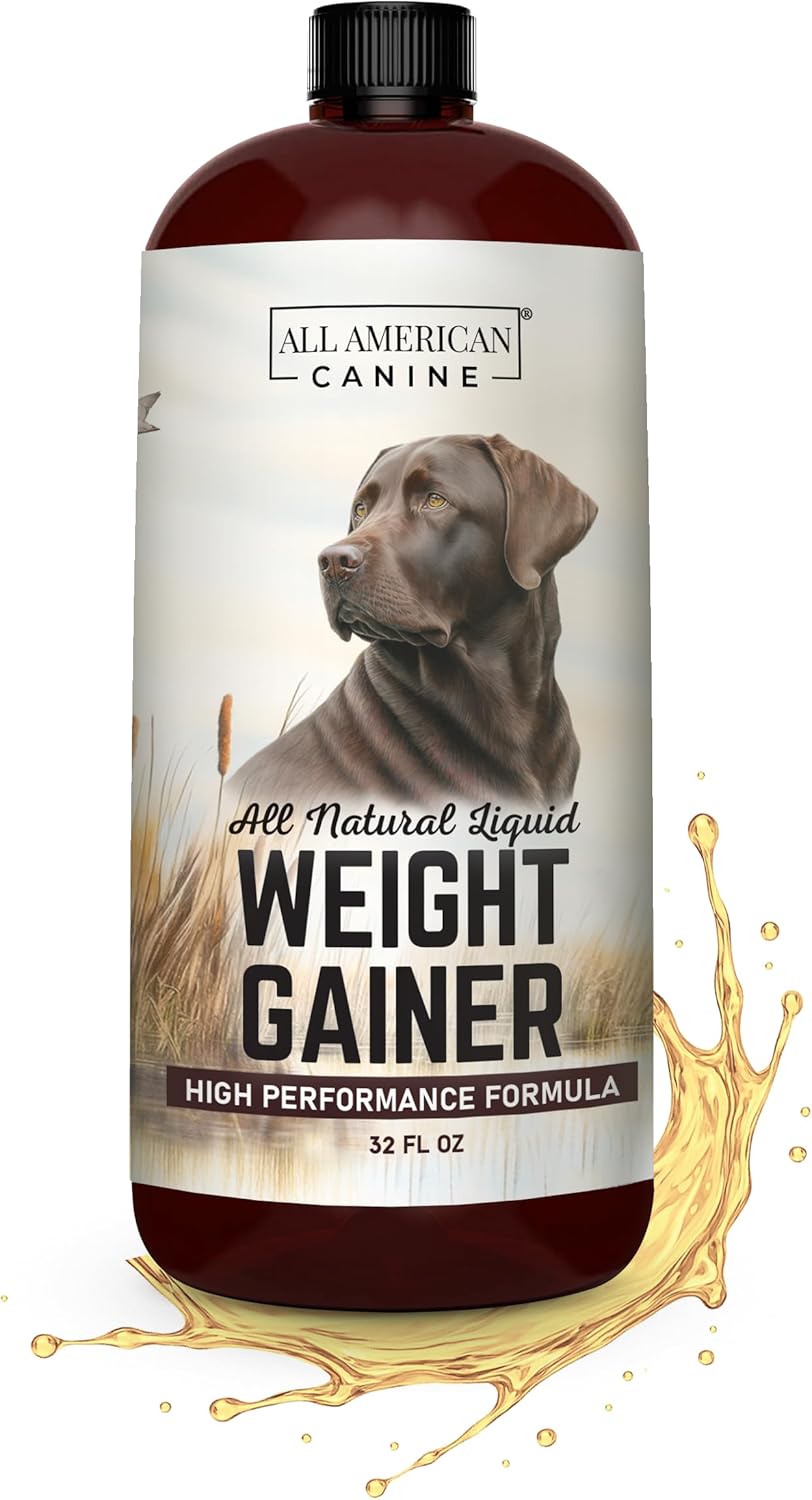


For more expert pet care tips and advice, check out our dedicated Dog Nutrition guides to keep your companions healthy and happy.




