
Introduction
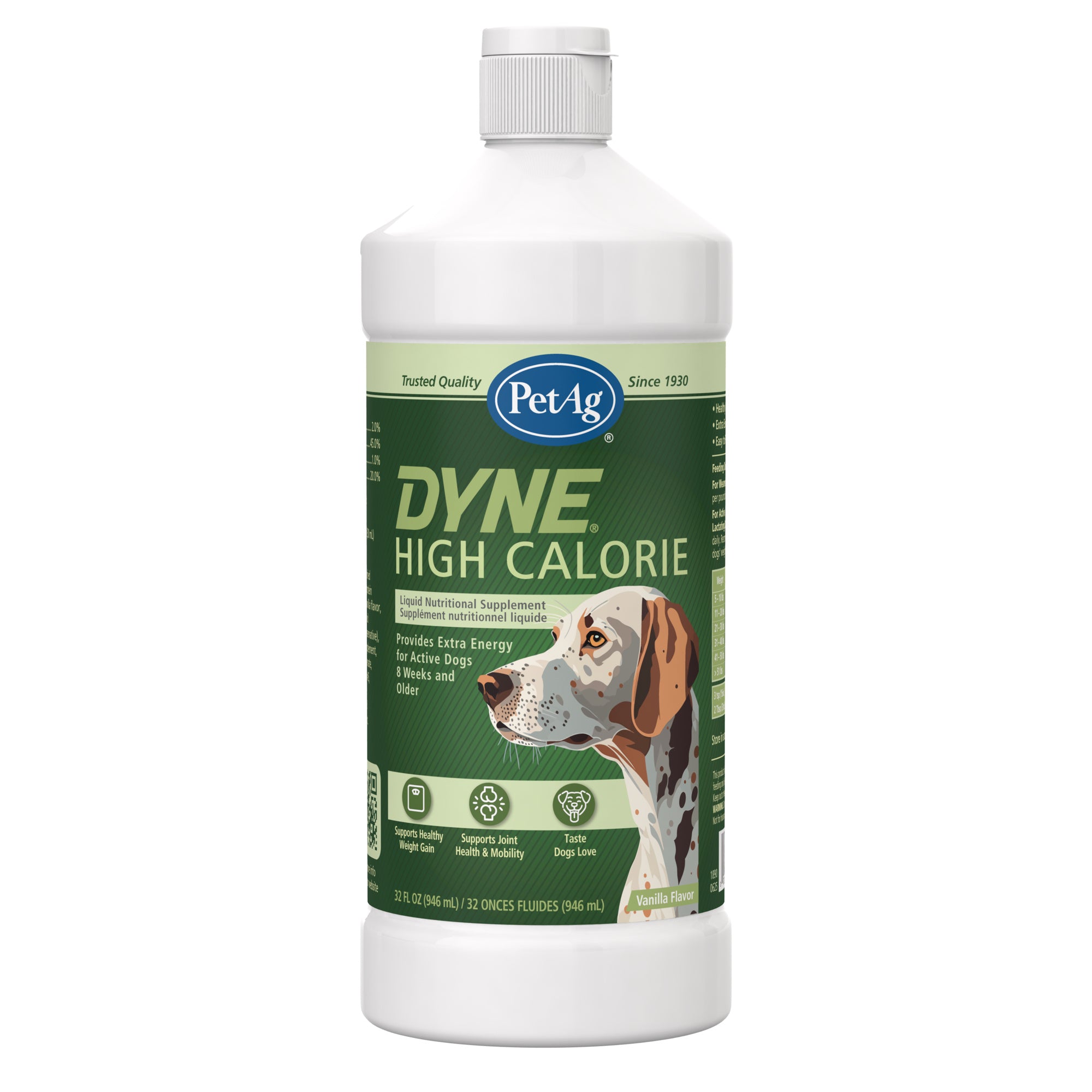
Understanding specialized nutritional supplements plays a pivotal role in maintaining canine health and vitality. Among these, products like PetAg Dyne High Calorie Liquid stand out as targeted solutions for dogs requiring additional caloric intake and concentrated energy. This liquid dietary supplement is specifically formulated to provide a dense source of calories, vitamins, and minerals in an easily digestible form. Its importance for dog owners lies in its ability to address various nutritional challenges, from aiding recovery in convalescing animals to supporting the demanding energy needs of active dogs or rapidly growing puppies. Recognizing when and why such a supplement is beneficial allows owners to proactively manage their dog’s nutritional status, potentially improving recovery times, enhancing performance, and contributing significantly to overall well-being and quality of life.
💡 Pet Care Key Takeaways:
- Core Focus: Practical health, nutrition, and wellness guidelines for Petag Dyne High Calorie Liquid.
- Target Scope: Pet owners, animal caregivers, and veterinary support staff.
- Best Recommendation: Maintain consistent daily routines and consult an accredited veterinarian before introducing major diet or medical changes.
Common Causes and Key Factors
The necessity for a high-calorie liquid supplement like PetAg Dyne often stems from several key physiological or situational factors that impact a dog’s nutritional requirements. One primary reason is malnutrition or underweight status, which can result from a naturally high metabolism, picky eating habits, or a failure to thrive in puppies. Such dogs often struggle to consume sufficient calories through their regular diet alone. For more related activities, check out our Ol Roy Ingredients List.
Another significant factor is convalescence and recovery from illness, surgery, or injury. During these periods, a dog’s appetite may be suppressed, while its body simultaneously requires extra energy and nutrients for healing. A liquid supplement offers a highly palatable and easily absorbed source of sustenance when solid food is difficult to consume or digest.
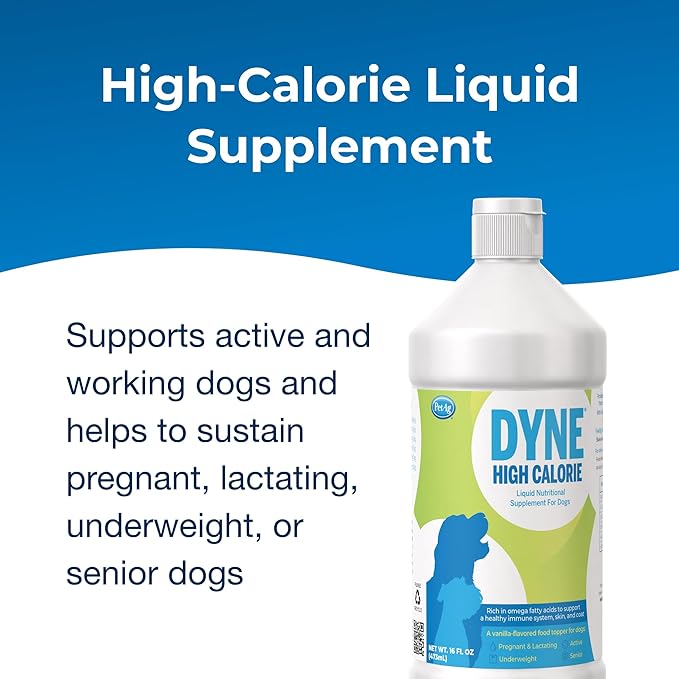
High energy demands also necessitate caloric augmentation. Working dogs, sporting dogs, pregnant or lactating females, and rapidly growing puppies expend considerable energy. Without adequate caloric intake, these dogs risk depletion of reserves and can experience reduced performance or compromised health. Furthermore, senior dogs may experience decreased appetite, difficulty chewing, or impaired nutrient absorption, making a concentrated liquid supplement a valuable tool for maintaining their weight and energy levels.
Signs and Symptoms to Observe
Recognizing the signs that a dog might benefit from a high-calorie liquid supplement involves careful observation of physical condition and behavior. One of the most evident indicators is visible weight loss or an inability to maintain an ideal body condition. This may manifest as prominent ribs, spine, or hip bones, even when the dog is eating regularly.
Lethargy and decreased energy levels are also crucial signs. A dog that is usually playful or energetic but now appears subdued, tires quickly, or shows a general lack of enthusiasm for activities could be experiencing a caloric deficit. This can be particularly noticeable in active breeds or working dogs whose performance declines.
Poor coat condition, characterized by dullness, dryness, excessive shedding, or flaky skin, can sometimes signal nutritional deficiencies. While not exclusive to caloric issues, it often accompanies a general state of poor nutrition. Reduced appetite or refusal of regular food is another clear indicator, especially during periods of stress, illness, or after medical procedures. Puppies failing to gain weight at an appropriate rate or appearing unusually weak also require immediate attention, as a high-calorie supplement can be critical for their development. The manifestation of these signs can vary depending on a dog’s age, breed, and overall health status, necessitating a holistic view of their well-being.
Practical Solutions and Management Strategies
Incorporating PetAg Dyne High Calorie Liquid into a dog’s diet requires thoughtful application to ensure efficacy and avoid digestive upset. The most crucial step is to adhere strictly to the product’s dosage instructions, which are typically based on the dog’s weight. Over-supplementation can lead to digestive issues or unintended weight gain. For precise guidance, especially for dogs with specific health conditions, consultation with a veterinarian is always recommended.
One effective strategy is mixing the liquid supplement directly with a dog’s regular food. This approach can enhance the palatability of meals, encouraging consumption, particularly for picky eaters or those with reduced appetites. It also allows for the gradual addition of calories without significantly increasing the volume of food, which can be beneficial for dogs that struggle to eat large portions. For dogs needing an immediate energy boost or those completely refusing solid food, the supplement can be offered directly, often accepted readily due to its appealing taste.
Gradual introduction is key to preventing gastrointestinal upset. Begin with a smaller amount than recommended and slowly increase to the full dosage over several days, observing the dog for any adverse reactions. Regular monitoring of the dog’s weight, energy levels, and overall demeanor will help assess the supplement’s effectiveness. Adjustments to the dosage or frequency may be necessary based on these observations and the dog’s specific needs. Proper storage, typically in a cool, dry place away from direct sunlight, is also important to maintain the product’s quality and shelf life.
When Professional Help May Be Needed
While a high-calorie liquid supplement can be a beneficial dietary aid, it is important to recognize when a dog’s condition warrants professional veterinary attention. Persistent weight loss or an inability to gain weight despite consistent supplementation is a critical sign that an underlying medical issue may be present. Nutritional supplements address caloric deficits but do not treat root causes such as parasitic infections, metabolic disorders, dental problems, or more serious systemic diseases.
A veterinary consultation is imperative to rule out underlying medical conditions causing poor appetite, weight loss, or lethargy. Diagnostic tests may be necessary to identify specific diseases, allowing for a targeted treatment plan. Furthermore, if a dog experiences a lack of improvement in its energy levels, coat condition, or overall well-being after a reasonable period of supplementation, professional guidance is essential.
Veterinarians can also provide tailored advice on the appropriate dosage and duration of supplementation, especially for very young puppies, senior dogs, or those with complex health issues. They can integrate the supplement into a comprehensive dietary and medical plan, ensuring that the dog receives optimal care. Approaching a dog’s health proactively and involving a professional when concerns arise is always the most responsible course of action.
Conclusion
PetAg Dyne High Calorie Liquid serves as a valuable nutritional tool for dog owners seeking to provide targeted caloric and energy support. Its role in aiding recovery, supporting growth, and boosting the energy levels of active dogs is undeniable. Recognizing the signs that a dog may benefit from such a supplementincluding weight loss, low energy, or a compromised appetiteempowers owners to take proactive steps toward improved canine health. Careful adherence to dosage instructions, gradual introduction, and thoughtful integration into a dog’s diet are crucial for maximizing its benefits. However, it is paramount to understand that while supplements are beneficial, they do not replace professional veterinary care. Consistent observation of a dog’s well-being and prompt consultation with a veterinarian for persistent health concerns ensure that every dog receives the comprehensive care necessary for a happy, healthy life.
Pet Care & Wellness Overview Table
| Life Stage | Daily Activity Level | Key Nutrition / Care Focus |
|---|---|---|
| Puppy / Kitten | High (frequent short bursts) | High-protein growth diet & early socialization |
| Adult Companion | Moderate (30–60 mins daily) | Balanced maintenance nutrition & dental hygiene |
| Senior Pets | Low to Gentle (mindful walks) | Joint support (Glucosamine) & routine vet checks |
Images References

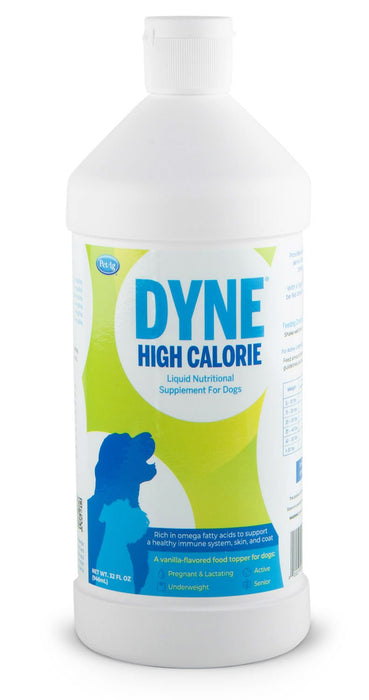


For more expert pet care tips and advice, check out our dedicated Dog Nutrition guides to keep your companions healthy and happy.




