Introduction
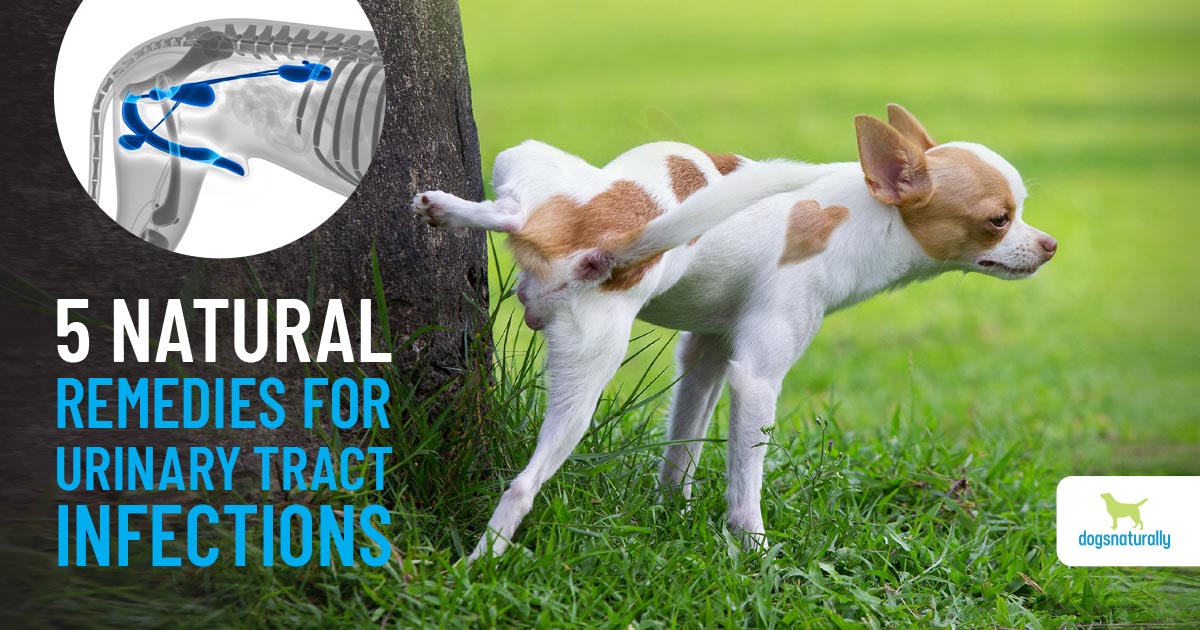
Understanding dog urine infection treatment is a fundamental aspect of responsible pet ownership, crucial for maintaining a canine companion’s health and comfort. A urinary tract infection (UTI), often referred to as a bladder infection, occurs when bacteria enter the urethra and travel up to the bladder, causing inflammation and discomfort. This common ailment can affect dogs of all ages, breeds, and sexes, though some are more predisposed than others. Recognizing the signs and understanding the necessary treatment protocols are paramount, as untreated infections can lead to more severe health complications, including kidney disease. Prompt and effective treatment not only alleviates pain and distress but also significantly contributes to a dogs overall well-being and quality of life, preventing behavioral issues that can arise from chronic discomfort. Explore more in our Dog Health collection.
💡 Pet Care Key Takeaways:
- Core Focus: Practical health, nutrition, and wellness guidelines for Dog Urine Infection Treatment.
- Target Scope: Pet owners, animal caregivers, and veterinary support staff.
- Best Recommendation: Maintain consistent daily routines and consult an accredited veterinarian before introducing major diet or medical changes.
Common Causes and Key Factors
Several factors contribute to the development of a dog urine infection, making awareness of these causes essential for prevention and understanding. The most frequent culprit behind UTIs is bacteria, primarily Escherichia coli, which typically originates from the gastrointestinal tract and can ascend into the urinary system. Female dogs often exhibit a higher propensity for UTIs due to their shorter urethra, which provides a more direct pathway for bacteria to reach the bladder. For more related activities, check out our Can Apoquel Cause Aggression In Dogs.
Underlying health conditions also play a significant role. Diseases such as diabetes, Cushing’s disease, and kidney disease can compromise a dog’s immune system or alter urine composition, creating an environment conducive to bacterial growth. Bladder stones, also known as uroliths, can irritate the bladder lining and create niches for bacteria to thrive, often leading to recurrent infections. Furthermore, anatomical abnormalities, such as ectopic ureters, or even certain medications that suppress the immune system can increase susceptibility. Environmental factors like infrequent urination, which allows bacteria more time to multiply in the bladder, and poor hygiene around the genital area can also contribute to the onset of these infections. Discover more free resources across our collection library.
Signs and Symptoms to Observe
Identifying a dog urine infection early relies heavily on astute observation of a dog’s behavior and urination habits. Changes in a dog’s routine or physical presentation often serve as the primary indicators.
- Increased Urination Frequency: Dogs with UTIs often need to urinate more frequently, even if only passing small amounts. This can manifest as asking to go outside more often or even having accidents indoors, which is unusual for a house-trained dog.
- Straining or Difficulty Urinating: An affected dog may exhibit signs of straining, crouching for prolonged periods, or crying out during urination due to pain.
- Bloody or Cloudy Urine: The presence of blood (hematuria) in the urine is a strong indicator of inflammation or infection. Urine may also appear cloudy or have an unusually strong, pungent odor.
- Excessive Licking of Genitals: Dogs experiencing discomfort or irritation often lick their genital area more frequently in an attempt to alleviate the sensation.
- Lethargy or Irritability: Systemic signs can include a decrease in energy levels, loss of appetite, or an unusual irritability, stemming from the constant discomfort.
It is important to note that symptoms can vary. Younger dogs might show more overt signs of discomfort, while older or more stoic dogs might exhibit more subtle changes, making careful observation even more critical.
Practical Solutions and Management Strategies
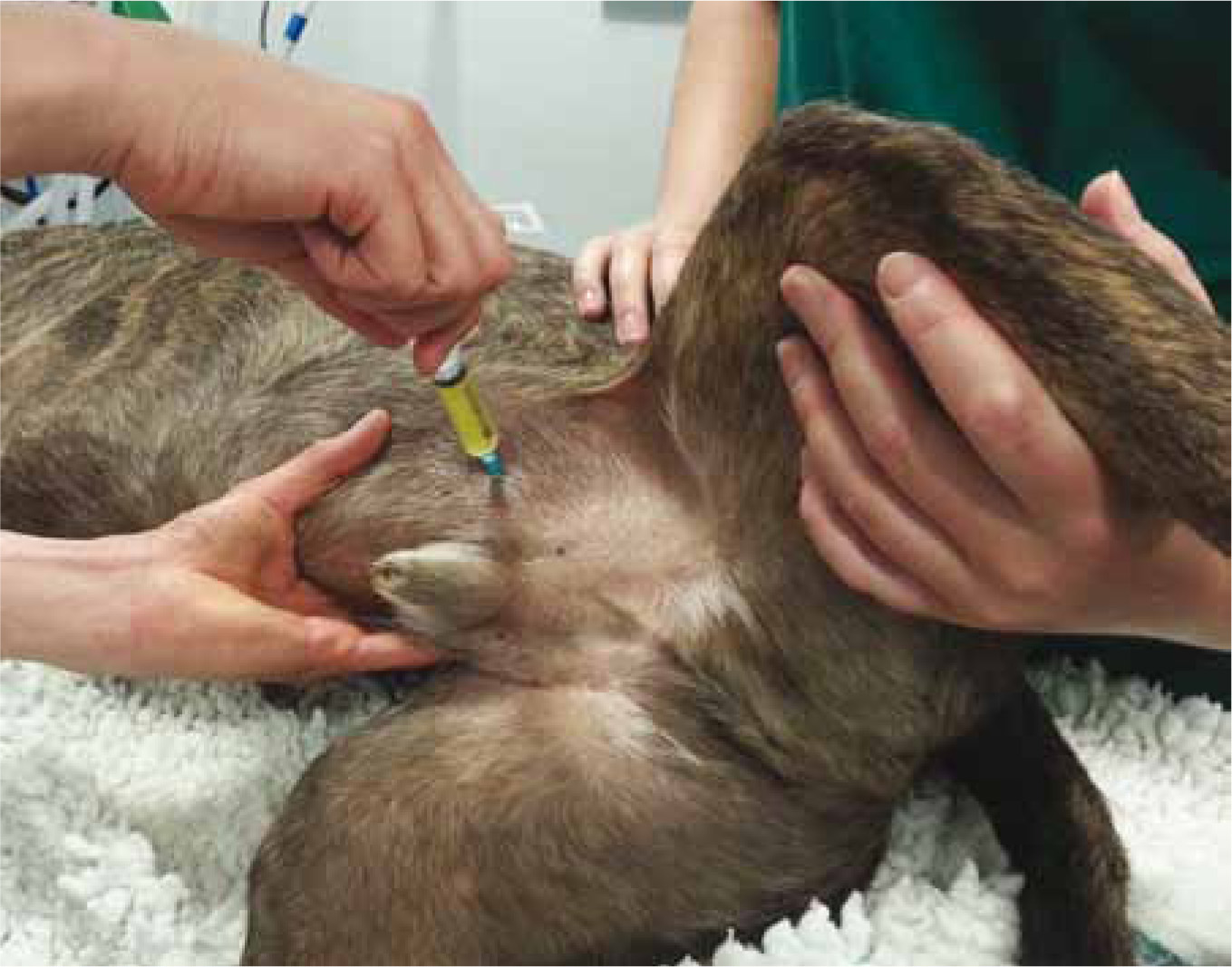
Effective dog urine infection treatment necessitates a multi-faceted approach, beginning with prompt veterinary diagnosis. Upon suspicion of a UTI, a veterinarian will typically perform a urinalysis and potentially a urine culture to identify the specific bacteria and determine the most effective antibiotic.
The cornerstone of treatment involves a course of antibiotics, prescribed by a veterinarian, to eradicate the bacterial infection. It is absolutely crucial to complete the entire course of antibiotics, even if symptoms improve quickly, to ensure the infection is fully resolved and to prevent antibiotic resistance. For pain and inflammation, non-steroidal anti-inflammatory drugs (NSAIDs) may also be prescribed to enhance comfort during recovery.
Beyond medication, several management strategies can support recovery and help prevent future occurrences:
- Increased Water Intake: Encouraging a dog to drink more water helps flush bacteria from the bladder. This can be achieved by adding water to food, offering wet food, or providing a water fountain.
- Regular Potty Breaks: Allowing a dog frequent opportunities to urinate prevents urine from sitting in the bladder for extended periods, reducing the chance for bacterial overgrowth.
- Maintain Hygiene: Regular grooming and keeping the genital area clean and dry, particularly in long-haired breeds, can help prevent bacteria from entering the urethra.
- Dietary Modifications: For dogs prone to recurrent UTIs or bladder stones, a veterinarian may recommend a prescription urinary diet. These specialized foods can help alter urine pH or dissolve certain types of stones, reducing the risk of infection.
- Supplements: Under veterinary guidance, supplements such as cranberry extract, which can prevent bacteria from adhering to the bladder wall, or probiotics, which support overall gut health after antibiotic use, might be considered.
Strict adherence to veterinary instructions and consistent home care are vital for successful dog urine infection treatment and long-term urinary health.
When Professional Help May Be Needed
While observant pet owners can detect the initial signs of a dog urine infection, professional veterinary intervention is always necessary for diagnosis and dog urine infection treatment. Any suspected urinary issue warrants an immediate visit to the veterinarian. Delaying professional evaluation and treatment can lead to the infection ascending to the kidneys, resulting in a more severe and potentially life-threatening condition called pyelonephritis.
Veterinary consultation is also crucial in several specific scenarios:
- Initial Symptoms: At the first sign of increased urination, straining, blood in urine, or discomfort, a veterinarian should be contacted to obtain an accurate diagnosis and appropriate prescription medication.
- Recurrent Infections: If a dog experiences repeated UTIs, it often indicates an underlying problem such as bladder stones, anatomical defects, or systemic diseases. A veterinarian may recommend advanced diagnostics, including X-rays, ultrasound, or specialized blood tests, to identify and address the root cause.
- Lack of Improvement: Should a dog’s symptoms not improve within a few days of starting prescribed medication, or if they worsen, a follow-up veterinary visit is essential. This could signify antibiotic resistance, an incorrect diagnosis, or an underlying complication.
- Severe Symptoms: Acute symptoms such as severe pain, complete inability to urinate (a medical emergency), extreme lethargy, or vomiting require urgent veterinary attention.
Relying on home remedies without a professional diagnosis can mask symptoms and allow the infection to progress, underscoring the importance of expert medical guidance.
Conclusion
Understanding and promptly addressing dog urine infection treatment is a cornerstone of proactive pet care. Recognizing the subtle and overt signs of a urinary tract infection, such as increased frequency of urination, straining, or changes in urine appearance, empowers pet owners to act swiftly. Seeking immediate veterinary attention for accurate diagnosis and prescribed antibiotic therapy is indispensable, as self-treatment or delayed care can escalate a manageable condition into a severe health crisis. By completing the full course of medication, implementing supportive home care strategies like promoting hydration, ensuring regular potty breaks, and maintaining hygiene, a dog’s comfort and long-term urinary health are significantly safeguarded. Consistent vigilance and a collaborative approach with veterinary professionals ensure that canine companions can lead happy, healthy, and pain-free lives, embodying the commitment to their well-being that petsanimalsworld.com advocates.
Pet Care & Wellness Overview Table
| Life Stage | Daily Activity Level | Key Nutrition / Care Focus |
|---|---|---|
| Puppy / Kitten | High (frequent short bursts) | High-protein growth diet & early socialization |
| Adult Companion | Moderate (30–60 mins daily) | Balanced maintenance nutrition & dental hygiene |
| Senior Pets | Low to Gentle (mindful walks) | Joint support (Glucosamine) & routine vet checks |
Images References