

Introduction
Respiratory problems in dogs can range from mild, transient coughs to serious, life-threatening conditions. Observing a beloved canine companion struggling with breathing issues can be distressing for any pet owner. While veterinary intervention is paramount for diagnosis and treatment, a growing interest exists in understanding how natural remedies for respiratory problems in dogs can offer supportive care. These natural approaches often focus on enhancing overall well-being, bolstering the immune system, and alleviating symptoms, providing a holistic complement to conventional veterinary care. By gaining insight into common causes, recognizing key symptoms, and exploring practical natural strategies, dog owners can better support their pet’s respiratory health and improve their quality of life.
💡 Pet Care Key Takeaways:
- Core Focus: Practical health, nutrition, and wellness guidelines for Natural Remedies For Respiratory Problems In Dogs.
- Target Scope: Pet owners, animal caregivers, and veterinary support staff.
- Best Recommendation: Maintain consistent daily routines and consult an accredited veterinarian before introducing major diet or medical changes.
Common Causes and Key Factors
Canine respiratory issues stem from a variety of sources, each potentially requiring different approaches, even when considering natural remedies. Infectious agents, such as viruses and bacteria, are frequent culprits, leading to conditions like kennel cough or bronchitis. Allergies to environmental triggers like pollen, dust mites, or certain foods can also manifest as respiratory distress, including sneezing, coughing, or wheezing. For more related activities, check out our Signs Of A Deaf Dog Behavior Problems And Solutions.
Environmental irritants play a significant role. Exposure to cigarette smoke, chemical cleaners, strong air fresheners, or excessive dust can irritate a dog’s sensitive respiratory passages. Certain breeds, particularly brachycephalic (flat-faced) dogs like Pugs and Bulldogs, are anatomically predisposed to breathing difficulties due to their unique facial structure. Additionally, underlying medical conditions such as heart disease, obesity, or even dental problems can exacerbate or mimic respiratory symptoms. Identifying the primary cause through veterinary diagnosis is crucial for determining the most effective course of action, including the safe integration of natural remedies for respiratory problems in dogs.
Signs and Symptoms to Observe
Recognizing the signs of respiratory distress early allows for timely intervention. Careful observation of a dog’s breathing patterns and general demeanor provides valuable clues.
- Coughing: This can vary from a dry, hacking cough (often associated with kennel cough) to a moist, productive cough. Persistent coughing, especially if it worsens, warrants attention.
- Sneezing and Nasal Discharge: Frequent sneezing, particularly with clear, watery discharge, might indicate allergies or a mild irritant. Thick, colored, or bloody discharge suggests a more serious infection or underlying issue.
- Wheezing or Rattling Sounds: Audible wheezing during breathing, or a rattling sound in the chest, indicates airway constriction or fluid buildup.
- Labored or Rapid Breathing: Difficulty breathing, characterized by exaggerated chest movements, panting when at rest, or a significantly increased respiratory rate, is a serious sign.
- Open-Mouth Breathing: While dogs pant to cool down, open-mouth breathing accompanied by other signs of distress can indicate respiratory compromise.
- Lethargy and Reduced Activity: A dog experiencing breathing difficulties may become unusually tired, reluctant to exercise, or show a decreased interest in play.
- Loss of Appetite: Respiratory discomfort can sometimes lead to a decreased desire to eat.
- Blue-Tinged Gums (Cyanosis): This is a critical emergency symptom, indicating a severe lack of oxygen. Immediate veterinary attention is required.
The specific combination and severity of these signs can vary based on the dog’s age, breed, and the underlying condition, emphasizing the importance of detailed observation.
Practical Solutions and Management Strategies
When exploring natural remedies for respiratory problems in dogs, the focus is on supportive care, environmental management, and nutritional enhancement. These strategies aim to soothe irritated tissues, thin mucus, support immune function, and reduce exposure to irritants.
1. Environmental Modifications
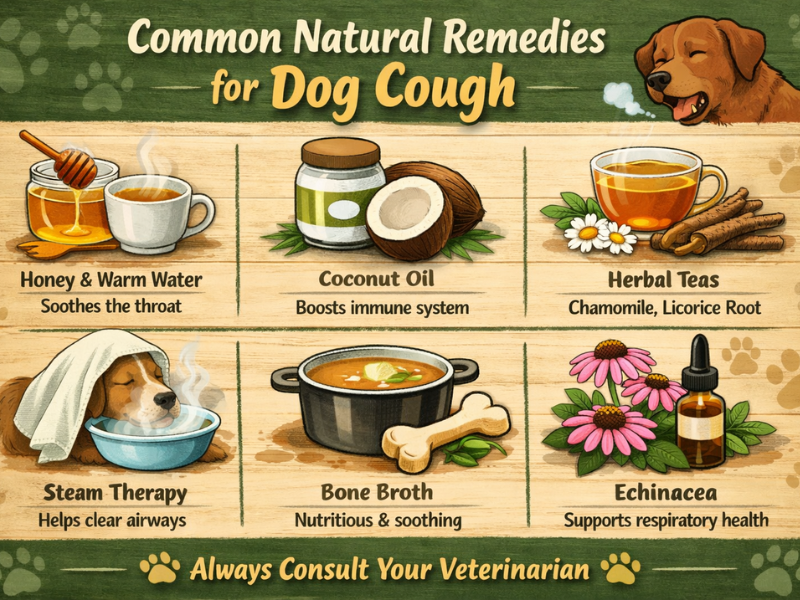
- Humidification: Introducing moisture into the air can help soothe irritated airways and loosen thick mucus. A humidifier in the dog’s primary resting area, or bringing the dog into a steamy bathroom for 10-15 minutes, can provide relief.
- Air Purification: Using a high-efficiency particulate air (HEPA) filter can reduce airborne allergens, dust, and dander, significantly improving air quality for a sensitive dog.
- Avoiding Irritants: Eliminating exposure to cigarette smoke, chemical cleaning products, strong air fresheners, aerosol sprays, and perfumes is crucial. Opt for natural, unscented cleaning agents.
- Dust Control: Regular vacuuming with a HEPA filter, frequent washing of pet bedding, and minimizing dusty areas can reduce particulate inhalation.
2. Nutritional and Supplemental Support
- High-Quality Diet: A balanced, species-appropriate diet rich in whole foods supports overall immune function, which is critical for fighting off infections and managing inflammation.
- Omega-3 Fatty Acids: Found in fish oil, these fatty acids possess potent anti-inflammatory properties that can help reduce inflammation in the respiratory tract.
- Antioxidant-Rich Foods: Incorporating moderate amounts of dog-safe fruits and vegetables like blueberries, kale, or carrots can provide antioxidants to combat oxidative stress and support cellular health.
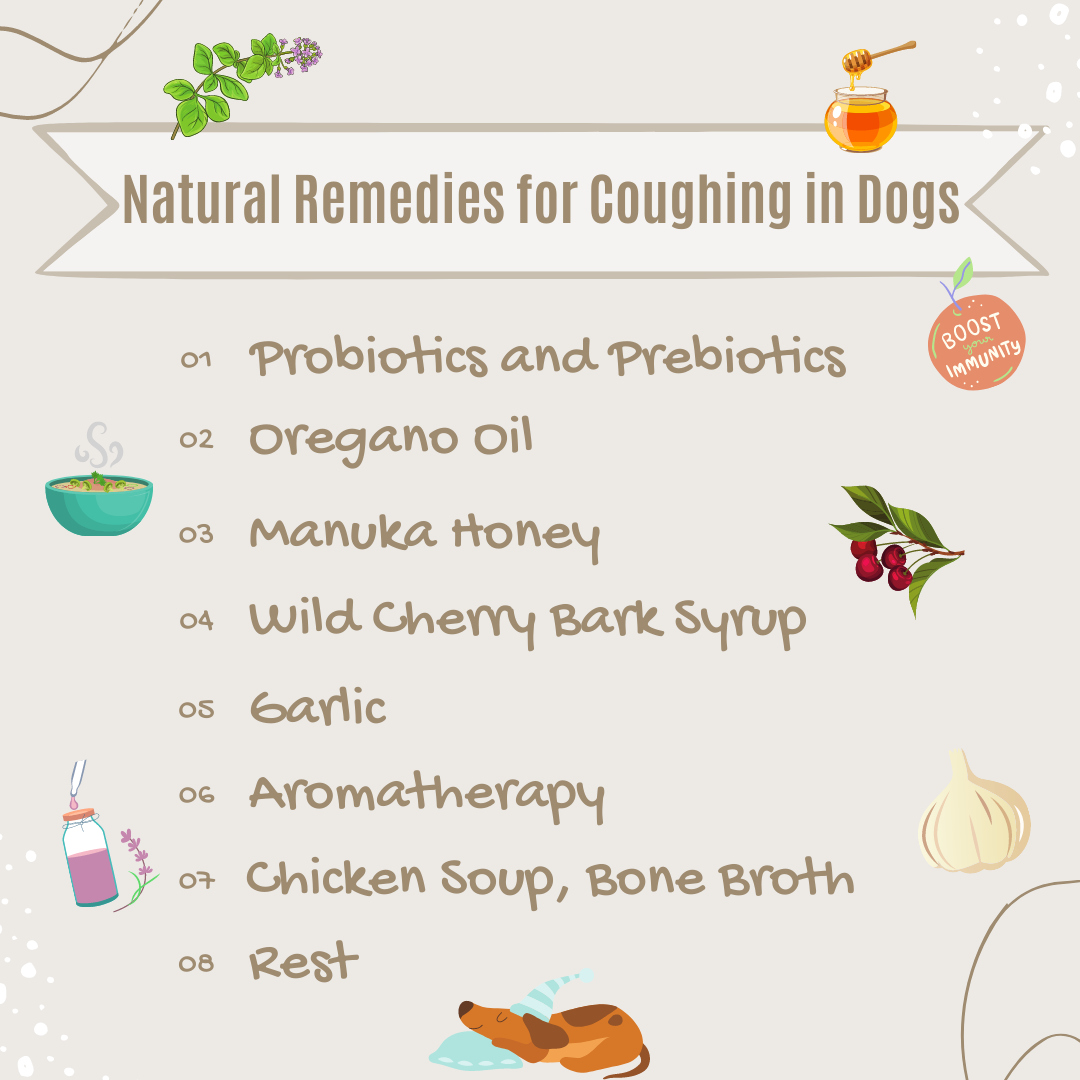
- Probiotics: A healthy gut microbiome is directly linked to a robust immune system. Probiotic supplements or fermented foods can aid in maintaining gut health.
-
Herbal Supports (with veterinary guidance):
- Marshmallow Root: Known for its demulcent properties, it can soothe irritated mucous membranes in the throat and lungs.
- Licorice Root: Acts as an expectorant, helping to clear mucus, and also has anti-inflammatory properties.
- Echinacea: Often used to support the immune system, particularly during acute infections.
- Ginger: Possesses anti-inflammatory and decongestant qualities.
It is vital to consult a veterinarian familiar with herbal medicine for appropriate dosing and to ensure there are no interactions with other medications or underlying conditions.
- Vitamin C and NAC (N-Acetylcysteine): Vitamin C can bolster immune function, while NAC acts as a powerful antioxidant and mucolytic, helping to thin mucus and clear airways.
3. Lifestyle Management
- Weight Management: Keeping a dog at a healthy weight prevents added strain on the respiratory system, which can exacerbate breathing difficulties.
- Hydration: Ensuring access to fresh, clean water at all times supports overall bodily functions, including mucus production and clearance.
- Stress Reduction: A calm environment and consistent routine can help reduce stress, which can sometimes impact immune response and respiratory symptoms.
When Professional Help May Be Needed
While natural remedies for respiratory problems in dogs can provide valuable supportive care, they are never a substitute for professional veterinary diagnosis and treatment. Any persistent, worsening, or severe respiratory symptom warrants immediate veterinary attention.
Professional help is essential if a dog exhibits:
- Difficulty breathing, gasping, or open-mouth breathing when at rest.
- Blue or purple gums (cyanosis), indicating a lack of oxygen.
- A persistent, severe, or worsening cough that does not improve within a day or two.
- Thick, colored, or bloody nasal discharge.
- High fever, significant lethargy, or complete loss of appetite.
- New or unusual sounds during breathing, such as severe wheezing or rattling.
- A sudden collapse or loss of consciousness.
A veterinarian can accurately diagnose the underlying cause of respiratory issues using various tools, including physical examination, chest X-rays, blood tests, and sometimes more advanced diagnostics. Based on the diagnosis, a veterinarian can create a comprehensive treatment plan that may include antibiotics, anti-inflammatories, bronchodilators, or other specific medications. Integrating natural remedies should always be discussed with the veterinarian to ensure safety, efficacy, and to prevent any potential adverse interactions.
Conclusion
Addressing respiratory problems in dogs requires a thoughtful and often multi-faceted approach. While the comfort and well-being of a canine companion are paramount, it is critical to understand that natural remedies for respiratory problems in dogs serve as supportive measures rather than standalone cures. Environmental adjustments, a high-quality diet, targeted nutritional supplements, and specific herbal supports, when used judiciously and under veterinary guidance, can significantly enhance a dog’s comfort and bolster their natural defenses. Consistent observation of a dog’s health and immediate consultation with a veterinarian for any concerning symptoms remain the cornerstones of responsible pet ownership. By combining professional medical advice with informed natural strategies, dog owners can work towards improving their pet’s respiratory health and ensuring a happier, healthier life.
Pet Care & Wellness Overview Table
| Life Stage | Daily Activity Level | Key Nutrition / Care Focus |
|---|---|---|
| Puppy / Kitten | High (frequent short bursts) | High-protein growth diet & early socialization |
| Adult Companion | Moderate (30–60 mins daily) | Balanced maintenance nutrition & dental hygiene |
| Senior Pets | Low to Gentle (mindful walks) | Joint support (Glucosamine) & routine vet checks |
Images References





For more expert pet care tips and advice, check out our dedicated Dog Health guides to keep your companions healthy and happy.


