

Introduction
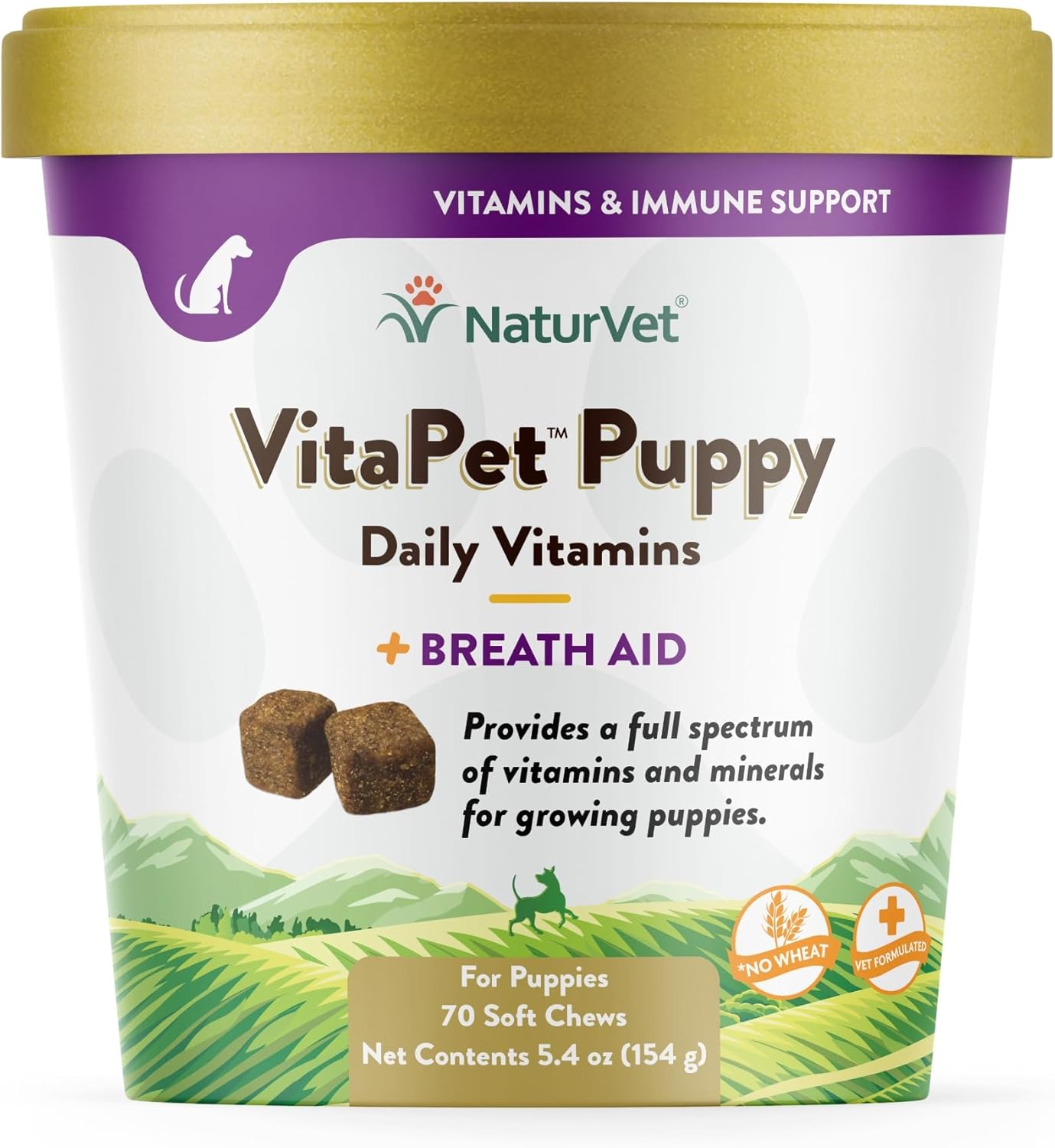
The nutritional needs of a growing puppy are distinct and critical for healthy development. Understanding the role of various nutrients, including vitamins, is fundamental for responsible dog ownership. While the concept of “dog vitamins for puppies” often conjures images of daily supplements, it primarily refers to ensuring that young canines receive an optimal balance of essential vitamins necessary for their rapid growth, developing immune system, and overall vitality. This topic becomes particularly relevant when a puppy’s diet may be lacking, or when specific health conditions necessitate additional nutritional support. A clear grasp of puppy vitamin requirements can significantly contribute to a dogs long-term health, physical development, and quality of life, preventing potential deficiencies or excesses that could impact their well-being.
💡 Pet Care Key Takeaways:
- Core Focus: Practical health, nutrition, and wellness guidelines for Dog Vitamins For Puppies.
- Target Scope: Pet owners, animal caregivers, and veterinary support staff.
- Best Recommendation: Maintain consistent daily routines and consult an accredited veterinarian before introducing major diet or medical changes.
Common Causes and Key Factors
Several factors influence a puppys vitamin requirements and can dictate whether supplementation becomes a consideration. The primary determinant is often the quality and completeness of the puppy’s diet. Commercial puppy foods formulated to meet the Association of American Feed Control Officials (AAFCO) standards are typically designed to provide all necessary vitamins and minerals in appropriate ratios for healthy growth. For more related activities, check out our Tibetan Mastiff Food Aggression.
However, issues can arise from various sources. Puppies fed unbalanced homemade diets, low-quality commercial foods, or adult dog food formulations may not receive adequate vitamin intake. Certain breeds, particularly large and giant breeds, have specific growth rates and bone development needs that can be sensitive to nutrient imbalances, sometimes requiring particular attention to vitamins like D and minerals such as calcium and phosphorus. Furthermore, medical conditions affecting nutrient absorption, such as gastrointestinal disorders or parasites, can lead to deficiencies despite an otherwise appropriate diet. Rapid growth spurts also increase nutrient demand, making a consistent and nutrient-dense diet paramount during these crucial developmental stages.
Signs and Symptoms to Observe
Observing a puppy for signs indicative of nutritional imbalances, including potential vitamin deficiencies or excesses, is an important aspect of proactive care. While these signs are often non-specific and can point to various health issues, they warrant veterinary attention.
Common indicators of potential nutritional concerns include stunted growth or failure to thrive compared to littermates or breed standards. A dull, dry coat, flaky skin, or excessive shedding can suggest a lack of essential nutrients. Puppies with vitamin deficiencies might exhibit lethargy, reduced energy levels, or a general lack of enthusiasm for play. Musculoskeletal problems, such as lameness, joint pain, or abnormal bone development, can be linked to imbalances of vitamins D, A, and certain minerals. Digestive upset, including persistent diarrhea or poor appetite, might also signal underlying nutritional issues. In rare cases, neurological symptoms or vision problems could point to severe vitamin A or B deficiencies. The presentation of these signs can vary significantly based on the specific vitamin involved, the severity of the imbalance, and the puppy’s age and breed.
Practical Solutions and Management Strategies
The most effective strategy for ensuring puppies receive adequate vitamins is to provide a high-quality, nutritionally complete and balanced diet specifically formulated for their age and size. Reputable commercial puppy foods are meticulously designed to meet the precise vitamin and mineral requirements for growing canines, eliminating the need for additional supplementation in most healthy puppies.
For puppies consuming homemade diets, close collaboration with a veterinary nutritionist is crucial. Crafting a balanced homemade meal plan that provides all essential vitamins and minerals without deficiencies or excesses is complex and requires expert guidance. Regular veterinary check-ups are also vital to monitor a puppy’s growth and overall health, allowing for early detection of any potential nutritional issues. Owners should avoid the temptation to over-supplement, as an excess of certain fat-soluble vitamins (A, D, E, K) can be just as detrimental, if not more so, than a deficiency, leading to toxicity. When a veterinarian identifies a specific deficiency or health condition, targeted supplementation, under professional direction, may be recommended as a precise and controlled intervention.
When Professional Help May Be Needed
While the default approach to puppy nutrition centers on a high-quality, balanced diet, certain situations necessitate immediate professional veterinary consultation. Owners should seek veterinary advice if a puppy exhibits any of the signs of potential nutritional deficiency or excess, such as poor growth, persistent lethargy, dull coat, or musculoskeletal abnormalities. These symptoms can indicate a range of health issues beyond simple vitamin imbalances, requiring accurate diagnosis.
Furthermore, before introducing any vitamin supplements, even those marketed specifically for puppies, a veterinary professional should be consulted. A veterinarian can assess the puppys current diet, health status, and specific needs through physical examination and, if necessary, diagnostic tests. This ensures that any supplementation is truly warranted, appropriately dosed, and safe, thereby preventing unintended harm from nutrient imbalances or interactions with existing health conditions. Professional guidance is especially critical for puppies on homemade diets or those with pre-existing medical conditions that might affect nutrient absorption or metabolism.
Conclusion
Ensuring optimal “dog vitamins for puppies” is a cornerstone of responsible pet ownership, directly impacting their foundational health and future well-being. The primary takeaway is the profound importance of a balanced, high-quality commercial puppy food, which typically supplies all necessary vitamins for healthy development without the need for additional supplements. Vigilant observation for any signs of nutritional imbalance, coupled with a proactive approach to veterinary care, forms the most effective strategy. Indiscriminate supplementation carries risks, underscoring the necessity of professional veterinary consultation before making any changes to a puppy’s dietary regimen. By prioritizing awareness, consistent care, and expert guidance, owners can confidently support their puppies’ journey through their critical growth stages, fostering a lifetime of health and vitality.
Pet Care & Wellness Overview Table
| Life Stage | Daily Activity Level | Key Nutrition / Care Focus |
|---|---|---|
| Puppy / Kitten | High (frequent short bursts) | High-protein growth diet & early socialization |
| Adult Companion | Moderate (30–60 mins daily) | Balanced maintenance nutrition & dental hygiene |
| Senior Pets | Low to Gentle (mindful walks) | Joint support (Glucosamine) & routine vet checks |
Images References




For more expert pet care tips and advice, check out our dedicated Dog Nutrition guides to keep your companions healthy and happy.




