

Understanding the Modern Role of Doggy Daycare in Canine Wellness
Modern pet care routines often require creative solutions to balance human work schedules with canine social needs. According to the American Society for the Prevention of Cruelty to Animals (ASPCA), providing adequate mental stimulation and social interaction is essential for preventing destructive behaviors in domestic dogs. When owners spend long hours away from home, high-energy or socially motivated dogs may experience frustration, leading to household chewing or excessive vocalization. Doggy daycare facilities have emerged as a popular option to bridge this gap, offering structured environments where canines can spend the daylight hours under supervision rather than waiting alone in an empty house.
💡 Pet Care Key Takeaways:
- Core Focus: Practical health, nutrition, and wellness guidelines for Doggy Daycare.
- Target Scope: Pet owners, animal caregivers, and veterinary support staff.
- Best Recommendation: Maintain consistent daily routines and consult an accredited veterinarian before introducing major diet or medical changes.
Choosing to utilize group care facilities requires careful consideration of the individual animal’s personality, developmental stage, and physical health. While some dogs thrive in bustling group play settings, others find the constant motion and noise overwhelming. Understanding what group facilities actually provide helps caretakers make informed decisions that support optimal Dog Health and long-term emotional stability. Approaching facility selection with an emphasis on safety, cleanliness, and behavioral science ensures that the chosen environment genuinely benefits the animal.
Defining Professional Doggy Daycare Operations
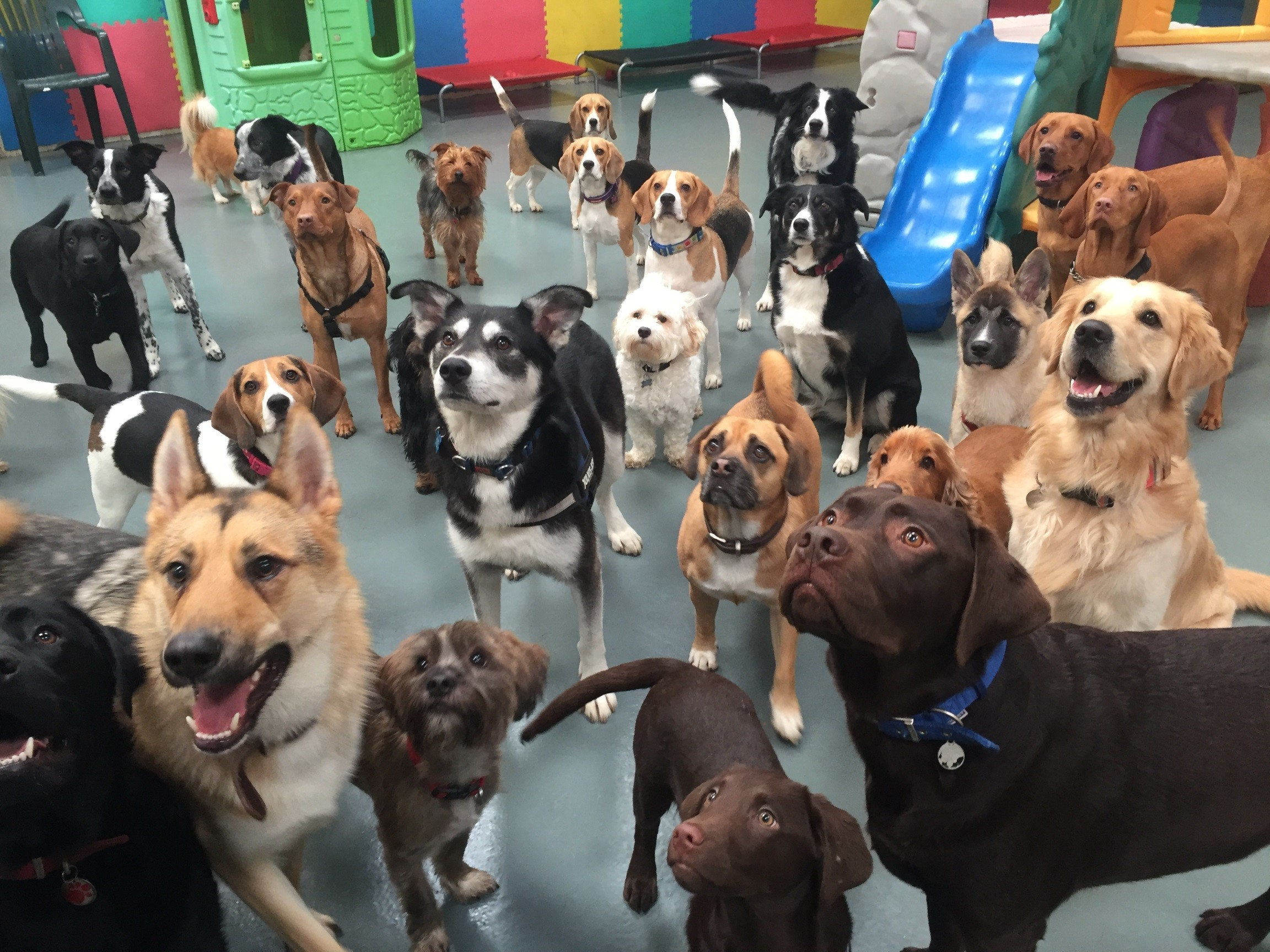
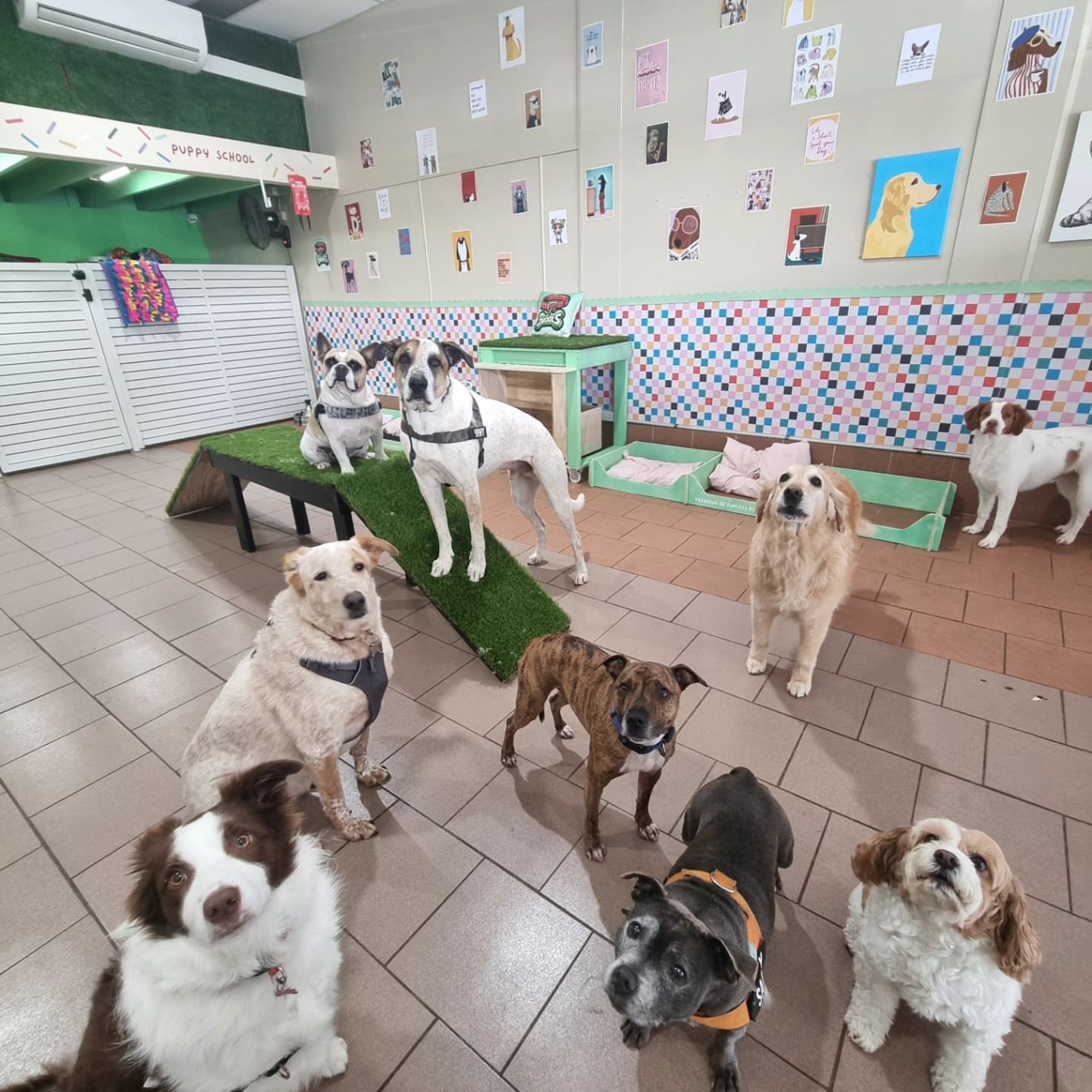
A professional doggy daycare is a commercial facility designed to house, supervise, and entertain dogs during daytime hours while their owners are occupied elsewhere. Unlike boarding kennels that focus primarily on overnight housing, daycare operations emphasize structured group socialization, supervised play yards, and mental enrichment activities. High-standard facilities generally separate participants by size, play style, and temperament to reduce the risk of friction or injury during group activities.
Staff members in reputable settings receive training in canine body language, group management, and basic first aid. Recognizing subtle signs of overarousal, fatigue, or stress allows attendants to intervene before minor tensions escalate into conflict. Furthermore, structured schedules often incorporate mandatory rest periods. Dogs in open-play environments frequently struggle to self-regulate, running themselves to exhaustion unless handlers enforce quiet time in individual crates or resting dens.
Behavioral and Physical Impacts of Group Settings
Regular attendance at a well-managed facility can positively influence a dog’s physical stamina and social confidence. Consistent cardiovascular exercise helps maintain healthy weight management, joint mobility, and muscular conditioning. Additionally, controlled exposure to diverse human handlers, novel environments, and various canine personalities can enhance social resilience, provided the interactions remain positive and low-stress.
Proper socialization during early developmental windows helps mitigate fear-based reactivity and supports balanced adult behavior in domestic canines. — American Kennel Club
Conversely, poorly managed facilities can introduce significant behavioral and medical risks. Overcrowded play yards or inadequate supervision can trigger chronic stress, leading to heightened cortisol levels, fear-based reactivity, or injury from rough play. Furthermore, communal environments inherently increase transmission rates for infectious conditions such as canine cough, canine influenza, and internal parasites. Monitoring Dog Behavior both during sessions and after returning home remains crucial for detecting early signs of environment-induced fatigue or anxiety.
Evaluating Facility Standards and Safety Protocols
Selecting an appropriate facility involves a rigorous evaluation of cleanliness, staff-to-dog ratios, and physical infrastructure. Tour the premises unannounced if permitted, or carefully examine the indoor and outdoor play spaces. Flooring should consist of non-porous, slip-resistant materials that can be sanitized effectively between play sessions. Adequate ventilation systems are essential to minimize airborne pathogens and maintain comfortable ambient temperatures throughout the facility.
Staff credentials serve as another primary indicator of operational quality. Inquire about ongoing staff education programs regarding canine communication signals and positive reinforcement techniques. Punitive or intimidation-based management methods have no place in a safe daycare environment, as fear and punishment elevate arousal and increase the likelihood of aggression. Establishing clear emergency protocols, including immediate veterinary transportation plans, ensures that medical crises receive prompt professional attention.
Best Practices for a Smooth Daycare Routine
Preparing a dog for group care requires a gradual transition and adherence to health prerequisites. Most reputable establishments require proof of up-to-date vaccinations, including rabies, distemper, parvovirus, and specialized immunizations like Bordetella. Facilities should also mandate negative fecal exams to protect the collective population from intestinal parasites. Implementing a slow introduction process, such as a half-day trial, allows staff to assess how the dog responds to separation from the owner and integration into the pack.
Routine vaccination against common infectious respiratory pathogens significantly reduces outbreak severity in group housing facilities. — American Veterinary Medical Association
Pet Care & Wellness Overview Table
| Life Stage | Daily Activity Level | Key Nutrition / Care Focus |
|---|---|---|
| Puppy / Kitten | High (frequent short bursts) | High-protein growth diet & early socialization |
| Adult Companion | Moderate (30–60 mins daily) | Balanced maintenance nutrition & dental hygiene |
| Senior Pets | Low to Gentle (mindful walks) | Joint support (Glucosamine) & routine vet checks |
Images References






Owners should maintain open communication with facility supervisors regarding any changes in health, medication needs, or behavioral shifts. If a dog displays reluctance to enter the facility, persistent shivering, or defensive posturing upon arrival, reevaluating the suitability of group care is essential. Daycare should remain a positive enrichment tool rather than a source of chronic distress.
Age, Breed, and Temperament Considerations
Not all life stages and genetic backgrounds align with the high-energy demands of open-play group facilities. Adolescent dogs often possess abundant stamina and social curiosity, making them frequent attendees, yet their impulse control remains under-developed, requiring close handler guidance. Senior dogs, conversely, typically experience joint stiffness or reduced hearing and vision, which can make the unpredictable movements of younger dogs terrifying or physically hazardous. Exploring tailored Dog Care routines at home often serves older or frail canines better than a bustling commercial facility.
Breed traits and individual temperament heavily influence group compatibility. Herding breeds may attempt to control running playmates through nipping or obsessive monitoring, while independent guarding breeds might resent uninvited physical contact from unfamiliar dogs. Introverted or conflict-avoidant personalities generally find group yards intensely stressful, regardless of breed labels. Assessing an animal’s intrinsic preferences through careful observation rather than forcing sociability prevents unnecessary psychological strain.
When to Consult a Veterinary Professional or Behaviorist
Professional guidance becomes necessary when sudden behavioral changes or recurring health issues emerge in connection with group care. If a dog displays persistent fear, generalized anxiety, new-onset reactivity toward other canines, or unexplained physical injuries, owners must schedule an examination with a primary veterinarian to rule out underlying medical pain or illness. Pain and discomfort are frequent root causes of sudden intolerance toward social interaction.
For persistent fear, severe separation anxiety, or defensive aggression, consult a qualified, certified professional dog trainer or a board-certified veterinary behaviorist. These specialists employ evidence-informed, humane modification strategies to address deep-seated emotional challenges. Exploring structured Dog Training resources can also help owners establish reliable cues and confidence-building exercises that support overall emotional well-being without relying on group daycare environments.
Making Informed Decisions for Canine Companions
Integrating daycare into a daily routine can provide valuable stimulation and social engagement for appropriately matched canines, provided safety and individual preferences remain the primary focus. Owners are encouraged to continually assess their pet’s physical condition, enthusiasm levels, and recovery times after each visit. By prioritizing animal welfare over convenience, caretakers ensure that daily enrichment supports a long, healthy life. Explore more expert-backed guidance on PetsAnimalsWorld.com to deepen understanding of canine behavior, health, and proper Dog Nutrition.


