

According to the American Kennel Club, the English Bulldog possesses a sweet, courageous, yet notoriously stubborn disposition that often shapes its daily interactions and training trajectory. Beneath that famously wrinkled brow and heavy-set frame lies a sensitive companion animal with very distinct psychological drivers. Walking into a consultation room, one frequently observes these dogs leaning heavily against human legs for security, displaying a blend of endearing affection and unyielding resolve. Recognizing these nuances forms the cornerstone of effective management for English Bulldog behavior problems.
💡 Pet Care Key Takeaways:
- Core Focus: Practical health, nutrition, and wellness guidelines for English Bulldog Behavior Problems.
- Target Scope: Pet owners, animal caregivers, and veterinary support staff.
- Best Recommendation: Maintain consistent daily routines and consult an accredited veterinarian before introducing major diet or medical changes.
English bulldog behavior problems refer to specific conduct challenges rooted in the breed’s historical development, brachycephalic physiology, and individual temperament traits.
Historically bred for bull-baiting centuries ago, modern descendants retain a high pain tolerance and a tendency toward intense single-mindedness, which novices often mistake for willful disobedience. Brachycephalic anatomy, characterized by a shortened skull, narrowed nostrils, and an elongated soft palate, heavily influences how these dogs experience stress, fatigue, and environmental stimulation. When an animal struggles to regulate its breathing during play or exercise, frustration can easily manifest as sudden, uncharacteristic resistance or stubborn refusal to comply with cues. Furthermore, resource guarding—the protective behavior over food, toys, or resting spaces—can emerge if the animal feels physically vulnerable due to restricted breathing or limited vision from prominent facial folds.
Unaddressed behavioral challenges can severely diminish the quality of life, straining the human-animal bond and creating chronic domestic stress.
Left unmanaged, stubbornness quickly escalates into destructive chewing, leash reactivity, or localized aggression during handling, particularly around sensitive areas like paws, ears, and tails. Because these dogs possess immense muscular power packed into a compact, low-slung body, even a minor behavioral lapse can present genuine physical management hurdles for owners. In practice, many canine professionals encounter dogs that have learned to use dead weight as a physical negotiation tactic, dropping firmly to the floor whenever a preferred activity ends. Consequently, early intervention focused on positive reinforcement and clear environmental structuring is paramount to keeping both the animal and the household safe and harmonious.
According to the American Society for the Prevention of Cruelty to Animals, consistent positive reinforcement yields the most successful, lasting behavioral modifications across brachycephalic companion animals. — ASPCA
Addressing English bulldog behavior problems effectively relies on clear communication, positive motivation, and structured routines that honor the breed’s innate sensibilities.
Establishing predictable daily patterns helps reduce baseline anxiety, which is often the hidden catalyst behind sudden behavioral flare-ups. Training sessions must remain short, highly engaging, and centered around high-value food rewards or favored toys, as traditional punitive methods consistently backfire with this sensitive, resolute type of dog. When working through resistance, patience triumphs over force every time. For instance, gently reshaping a reluctant dog’s motivation using cooperative care techniques transforms stressful grooming or veterinary examinations into manageable, cooperative experiences.
Avoiding common training mistakes prevents escalation and fosters a cooperative, trusting relationship with a stubborn companion.
A frequent pitfall involves using physical corrections, which can provoke fear-based defensive reactions or cause the dog to shut down entirely during learning exercises. Another common error is allowing the puppy to practice undesirable habits—such as jumping or mouthiness—simply because the animal looks small and harmless during early development. Consistent boundaries must be established on day one, ensuring every human in the household responds to specific behaviors with identical cues and expectations. For deeper guidance on shaping positive conduct, exploring resources on Dog Training provides invaluable tools for everyday life.
Behavioral health is deeply intertwined with physical well-being; routine veterinary wellness checks frequently uncover hidden medical discomforts driving sudden conduct changes. — American Veterinary Medical Association
Pet Care & Wellness Overview Table
| Life Stage | Daily Activity Level | Key Nutrition / Care Focus |
|---|---|---|
| Puppy / Kitten | High (frequent short bursts) | High-protein growth diet & early socialization |
| Adult Companion | Moderate (30–60 mins daily) | Balanced maintenance nutrition & dental hygiene |
| Senior Pets | Low to Gentle (mindful walks) | Joint support (Glucosamine) & routine vet checks |
Images References


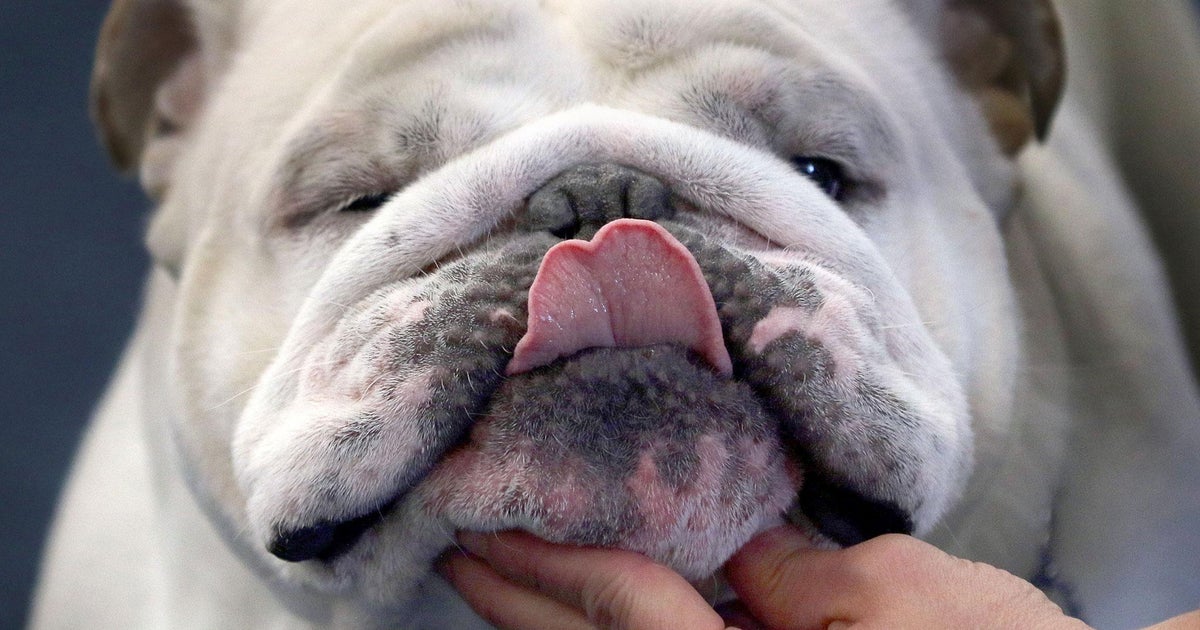


Mental maturity often lags behind physical growth in this breed, meaning a dog may reach full adult size while retaining a remarkably puppy-like, impulsive mindset. Heat sensitivity is another critical factor; elevated temperatures impair respiratory efficiency, causing rapid fatigue that directly triggers irritability and uncooperative conduct. Furthermore, compromised vision resulting from heavy facial wrinkles or prominent folds can startle the animal when approached from the side, occasionally provoking a defensive snap. Understanding these physical realities allows caregivers to modify the environment proactively, ensuring the animal feels secure and comfortable at all times.
Professional intervention from a certified behaviorist or veterinarian becomes necessary when behavior problems escalate into fear, aggression, or self-harm.
Any sudden shift in temperament—such as unprovoked snapping, persistent destructive chewing, or severe trembling during normal routines—requires a thorough medical evaluation to rule out underlying pain or neurological disorders. Certified applied animal behaviorists or veterinary behaviorists utilize science-based, humane modification protocols designed to address the root emotional cause rather than merely suppressing the external symptom. Never attempt to punish fear or territorial displays, as this routinely intensifies the underlying anxiety and increases bite risk. Guidance on specialized care protocols can be found through dedicated insights in Dog Health and specialized Dog Behavior resources.
Embracing the unique quirks of this beloved companion ensures a fulfilling, harmonious journey built on mutual respect and compassionate leadership.
While managing a strong-willed, brachycephalic companion presents distinct daily challenges, the deep loyalty and affectionate nature of the breed make the effort deeply rewarding. By viewing behavioral hurdles through an empathetic, educated lens, owners can foster an environment where trust thrives. For comprehensive guidance on keeping every companion thriving, visit PetsAnimalsWorld.com and explore valuable advice across Dog Breeds and Dog Care.




