

Understanding the causes behind a labradoodle bite requires examining canine communication signals and breed-specific traits.
According to the American Veterinary Medical Association, dog bites remain a significant public safety issue that affects thousands of households each year, making bite prevention a top priority for responsible dog ownership. When a popular mixed breed like the Labradoodle—a cross between a Labrador Retriever and a Standard, Miniature, or Toy Poodle—displays mouthy behavior or snapping, it often catches families completely off guard. Many individuals assume that hybrid dogs bred for gentle companionship are entirely immune to aggressive tendencies. However, genetics only form the baseline of an animal’s temperament. Environment, early socialization, and daily routines play an equally powerful role in shaping how a dog responds to stress or excitement. Recognizing the early indicators of discomfort allows guardians to intervene long before teeth ever make contact with human skin.
💡 Pet Care Key Takeaways:
- Core Focus: Practical health, nutrition, and wellness guidelines for Labradoodle Bite.
- Target Scope: Pet owners, animal caregivers, and veterinary support staff.
- Best Recommendation: Maintain consistent daily routines and consult an accredited veterinarian before introducing major diet or medical changes.
A labradoodle bite refers to any instance of canine teeth making unintended contact with human skin or clothing, ranging from playful puppy mouthing to defensive snaps.
In professional canine behavior clinics, professionals frequently observe that what a stressed owner labels as vicious aggression is often nothing more than overarousal or poor impulse control. Labradoodles inherit high intelligence and strong working drives from both parent breeds. Labrador Retrievers were originally bred to retrieve waterfowl, which inherently involves holding objects gently in the mouth. Poodles share a similar hunting heritage. Consequently, these crosses often possess a strong biological urge to explore the world using their jaws. When this natural tendency is misunderstood or mishandled, normal exploratory behavior can escalate into a problematic habit if not guided properly through Dog Training fundamentals.
Ignoring early mouthing or defensive warnings can lead to entrenched biting habits and strained human-animal bonds over time.
Unchecked mouthing behavior during puppyhood frequently morphs into adolescent testing, where the dog uses its teeth to demand attention or express frustration. In clinical practice, working with high-energy mixed breeds reveals that physical exhaustion rarely cures behavioral reactivity; mental stimulation and structured emotional regulation yield far better results. When a dog bites out of fear, pain, or over-excitement, traditional punitive measures like shouting or physical scolding only heighten the animal’s anxiety. This reactive cycle underscores why early intervention through positive reinforcement is vital for long-term household harmony and overall Dog Behavior health.
Proper socialization before fourteen weeks of age is critical for reducing fear-based reactivity and accidental nipping in mixed-breed puppies — American Kennel Club
Preventing and modifying a labradoodle bite involves redirecting oral urges, teaching emotional self-control, and respecting canine body language.
Managing this behavior successfully starts with identifying the exact trigger that prompts the dog to use its teeth. If the animal nips during high-energy games of fetch, introducing a designated toy to hold before play begins can satisfy the retriever instinct safely. Furthermore, teaching a reliable “leave it” cue gives the animal an alternative option when excitement levels peak. Establishing clear boundaries without resorting to fear or intimidation builds trust between the dog and the human family members. Consistency across all household members ensures the animal receives clear, predictable messages regarding what kind of physical interaction is acceptable.
Avoiding common management mistakes prevents accidental reinforcement of unwanted mouthy habits.
One frequent error pet parents make is pulling their hands away rapidly when a dog begins to mouth, which mimics the erratic movement of prey and accidentally triggers the animal’s predatory chase drive. Instead, freezing completely and becoming as uninteresting as a statue teaches the dog that teeth-on-skin contact immediately stops all fun. Another misstep involves punishing the dog after the fact, which fails because canines live in the present moment and cannot connect a delayed correction to a past action. Relying instead on proactive management strategies ensures the environment sets the animal up for success rather than failure. For additional guidance on daily upkeep, consulting resources on Dog Care can provide helpful daily routines.
Canine behavioral reactivity rooted in fear or anxiety requires desensitization and counter-conditioning rather than dominance-based training techniques — International Association of Animal Behavior Consultants
Pet Care & Wellness Overview Table
| Life Stage | Daily Activity Level | Key Nutrition / Care Focus |
|---|---|---|
| Puppy / Kitten | High (frequent short bursts) | High-protein growth diet & early socialization |
| Adult Companion | Moderate (30–60 mins daily) | Balanced maintenance nutrition & dental hygiene |
| Senior Pets | Low to Gentle (mindful walks) | Joint support (Glucosamine) & routine vet checks |
Images References

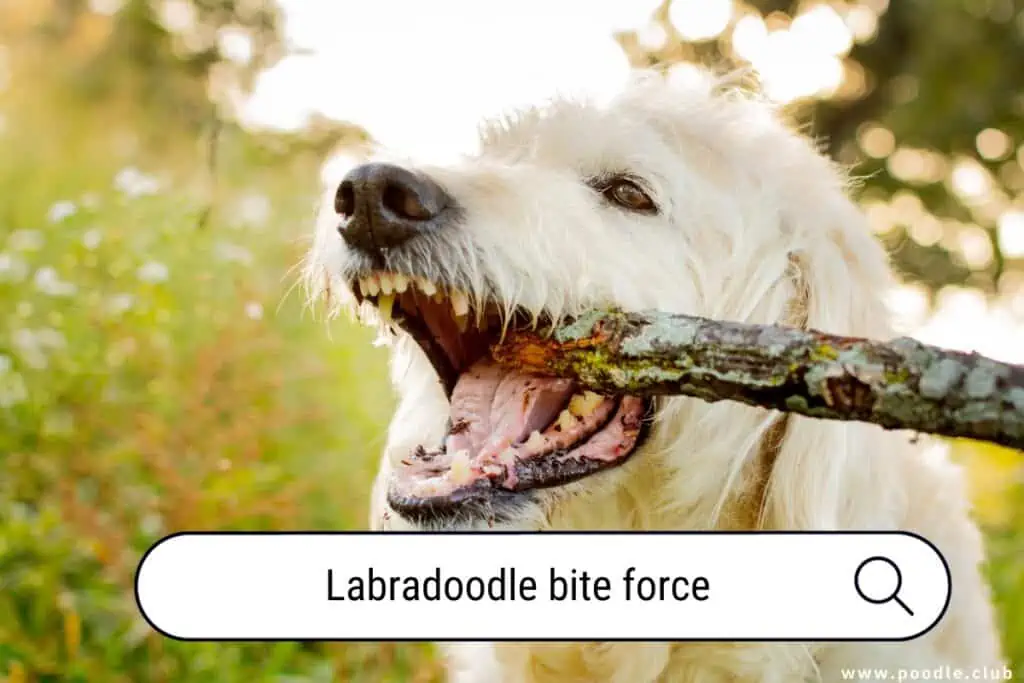



Coat type, physical size variations, and high intelligence levels all influence how Labradoodles process environmental stressors.
Because Labradoodles come in three distinct size categories—standard, miniature, and medium—their physical capabilities vary wildly, yet their intelligent minds remain remarkably active across all types. A bored standard Labradoodle possesses the physical strength to cause serious accidental injury during rough play, whereas a smaller poodle cross might rely more on defensive snapping when feeling overwhelmed by children. Additionally, frequent grooming requirements and maintenance associated with their fleece or wool coats mean that handling sensitivities can develop if the puppy is not gently conditioned to touch early in life. Integrating proper physical maintenance into everyday Dog Health checks helps prevent grooming-induced defensive bites.
Consulting a certified professional trainer or veterinary behaviorist becomes necessary when biting stems from deep-seated fear, resource guarding, or unprovoked aggression.
While minor puppy mouthing typically resolves with consistent redirection and maturity, sudden changes in biting frequency or intensity always warrant professional investigation. Underlying medical conditions, such as ear infections, dental pain, or joint discomfort, frequently manifest as sudden behavioral reactivity and nipping. A comprehensive physical examination by a veterinarian rules out hidden health issues before a behavior modification plan is initiated. For severe behavioral challenges, partnering with a qualified professional ensures the safety of everyone in the household while addressing the root emotional cause of the aggression.
Addressing canine mouthing requires patience, empathy, and a commitment to understanding the unique needs of your canine companion.
Guiding a lively Labradoodle through the developmental stages of puppyhood and adolescence demands a balanced approach that prioritizes clear communication and mutual respect. By identifying triggers, meeting mental and physical energy needs, and employing positive reinforcement methods, families can foster a safe, loving environment for everyone involved. To discover more expert advice on keeping your animal happy and healthy, explore the valuable resources available right here at PetsAnimalsWorld.com.




