

Introduction
Understanding what it means to “extend joint care” is paramount for any dedicated dog owner. This concept transcends merely reacting to joint issues; it embraces a proactive, comprehensive approach to maintaining and enhancing a dog’s joint health throughout its entire life. It signifies moving beyond basic care to implement strategies that actively preserve mobility, alleviate discomfort, and prevent the progression of degenerative joint conditions. Joint issues are not exclusive to senior dogs; they can affect canines of all ages, breeds, and activity levels due to a combination of genetic predispositions, environmental factors, and lifestyle choices. By grasping the principles of extended joint care, pet owners gain invaluable knowledge to significantly improve a dogs comfort, activity levels, and overall quality of life, fostering a happier, healthier companion.
💡 Pet Care Key Takeaways:
- Core Focus: Practical health, nutrition, and wellness guidelines for Extend Joint Care.
- Target Scope: Pet owners, animal caregivers, and veterinary support staff.
- Best Recommendation: Maintain consistent daily routines and consult an accredited veterinarian before introducing major diet or medical changes.
Common Causes and Key Factors Influencing Joint Health
A multitude of factors contributes to the health and potential degradation of canine joints, necessitating a broad approach to care. Primary among these is age, where natural wear and tear gradually diminish cartilage elasticity and joint lubrication, leading to conditions like osteoarthritis. Breed predisposition plays a significant role; large and giant breeds are often genetically inclined to conditions such as hip and elbow dysplasia, while smaller breeds may be prone to patellar luxation. For more related activities, check out our Breeds Susceptable To Diabetes.
Excess weight and obesity are critical stressors, placing undue load on joints and accelerating degenerative processes. Beyond genetics, injuries and traumaranging from acute incidents like falls to chronic repetitive straincan cause lasting damage. Nutritional deficiencies or imbalances, particularly during growth stages, can impair proper bone and cartilage development. Furthermore, an inappropriate activity level, whether too much high-impact exercise without proper conditioning or insufficient movement leading to muscle atrophy, also influences joint integrity. Understanding these underlying causes is fundamental to implementing effective extended joint care.
Signs and Symptoms Indicating Joint Concerns
Recognizing the subtle and overt signs of joint discomfort is crucial for early intervention. One of the most common indicators is a change in mobility and gait. Dogs might exhibit stiffness, particularly after rest, or develop a noticeable limp (lameness) in one or more limbs. Difficulty in performing actions previously effortless, such as getting up from a lying position, climbing stairs, or jumping into a vehicle, often suggests underlying joint pain.
Behavioral changes can also signal discomfort. A dog might show a decreased interest in play, become reluctant to engage in walks, or display irritability when touched in certain areas. Some dogs may lick or chew excessively at specific joints in an attempt to alleviate pain. Physical examination might reveal swelling, warmth, or creaking sounds (crepitus) around a joint. The severity and presentation of these signs can vary significantly; younger dogs with acute injuries may show sudden, severe lameness, while older dogs with chronic conditions might exhibit a more gradual onset of stiffness and reduced activity. Observation of these indicators, tailored to a dog’s age, breed, and typical demeanor, forms the cornerstone of effective extended joint care.
Practical Solutions and Management Strategies for Extended Joint Care
Implementing practical, proactive strategies is at the heart of extending joint care. A foundational element is weight management. Maintaining an ideal body weight significantly reduces the strain on joints, often delaying the onset or slowing the progression of joint disease. This involves a balanced diet with appropriate calorie intake and consistent exercise.
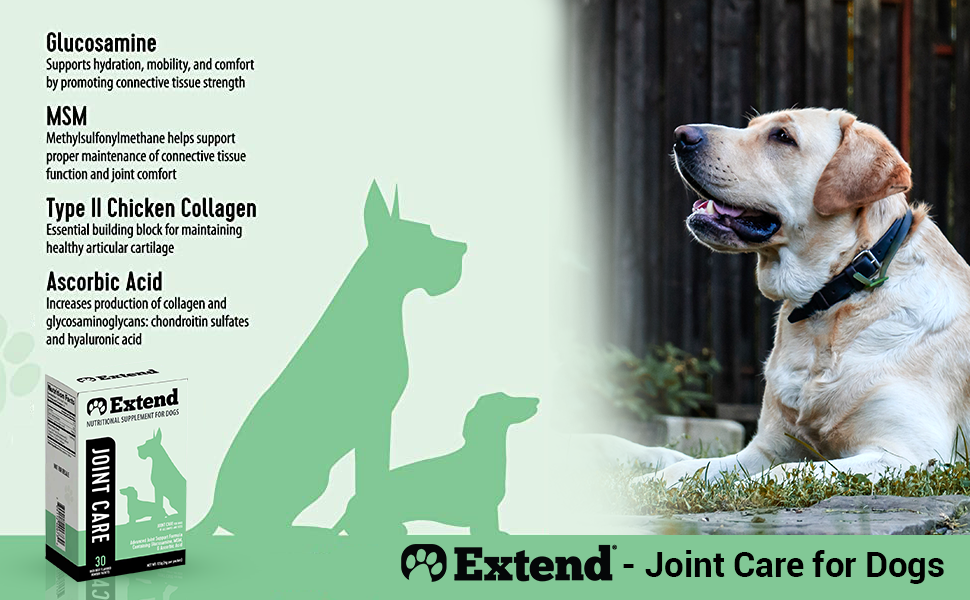
Nutritional support through high-quality dog food and targeted supplements is also vital. Ingredients like glucosamine, chondroitin sulfate, MSM, and omega-3 fatty acids are widely recognized for their role in supporting cartilage health and reducing inflammation. Controlled and appropriate exercise is essential; low-impact activities such as swimming, short walks on soft surfaces, and controlled leash walks help maintain muscle mass and joint flexibility without excessive stress. Avoiding high-impact activities like repeated jumping on hard surfaces is often recommended, especially for predisposed breeds or senior dogs.
Environmental modifications can significantly enhance a dogs comfort and mobility. This includes providing orthopedic beds for better support, using ramps or steps to aid access to furniture or vehicles, and ensuring non-slip flooring to prevent falls. Gentle massage and warm compresses can also provide temporary relief and improve circulation. These multifaceted approaches work synergistically to foster robust, long-term joint health.
When Professional Help May Be Needed
While home-based care and proactive strategies are invaluable, there are definitive instances where veterinary consultation becomes indispensable. Persistent or worsening lameness, even after implementing at-home management, warrants immediate professional attention. A sudden inability to bear weight on a limb, severe limping, or observable swelling, heat, or deformity in a joint are critical signs requiring urgent veterinary assessment.
A veterinarian can provide an accurate diagnosis through physical examination, radiography, or other advanced imaging techniques. This diagnosis is crucial for developing a tailored treatment plan, which might include prescription anti-inflammatory medications (NSAIDs), pain relievers, disease-modifying osteoarthritis drugs (DMOADs), or therapeutic injections. In some cases, veterinary referral for specialized services like physical therapy, hydrotherapy, or even surgical intervention for conditions like cruciate ligament tears or severe dysplasia may be recommended. Partnering with a veterinary professional ensures that a dog receives the most appropriate and effective care, optimizing their comfort and mobility.
Conclusion
The concept of “extend joint care” represents a holistic and ongoing commitment to a dog’s well-being, focusing on prevention and comprehensive management rather than solely reactive treatment. It encompasses a keen awareness of genetic predispositions, diligent observation for subtle signs of discomfort, proactive nutritional and lifestyle adjustments, and a willingness to seek professional veterinary guidance when necessary. By adopting a proactive mindset towards joint health, dog owners can significantly impact their companion’s mobility, comfort, and overall quality of life across all life stages. Consistent care, early detection, and an informed partnership with veterinary professionals are the cornerstones of ensuring a dog remains active, comfortable, and joyful for as long as possible. Embracing extended joint care truly enhances the bond and shared experiences between dogs and their human families.
Pet Care & Wellness Overview Table
| Life Stage | Daily Activity Level | Key Nutrition / Care Focus |
|---|---|---|
| Puppy / Kitten | High (frequent short bursts) | High-protein growth diet & early socialization |
| Adult Companion | Moderate (30–60 mins daily) | Balanced maintenance nutrition & dental hygiene |
| Senior Pets | Low to Gentle (mindful walks) | Joint support (Glucosamine) & routine vet checks |
Images References








For more expert pet care tips and advice, check out our dedicated Dog Health guides to keep your companions healthy and happy.




