
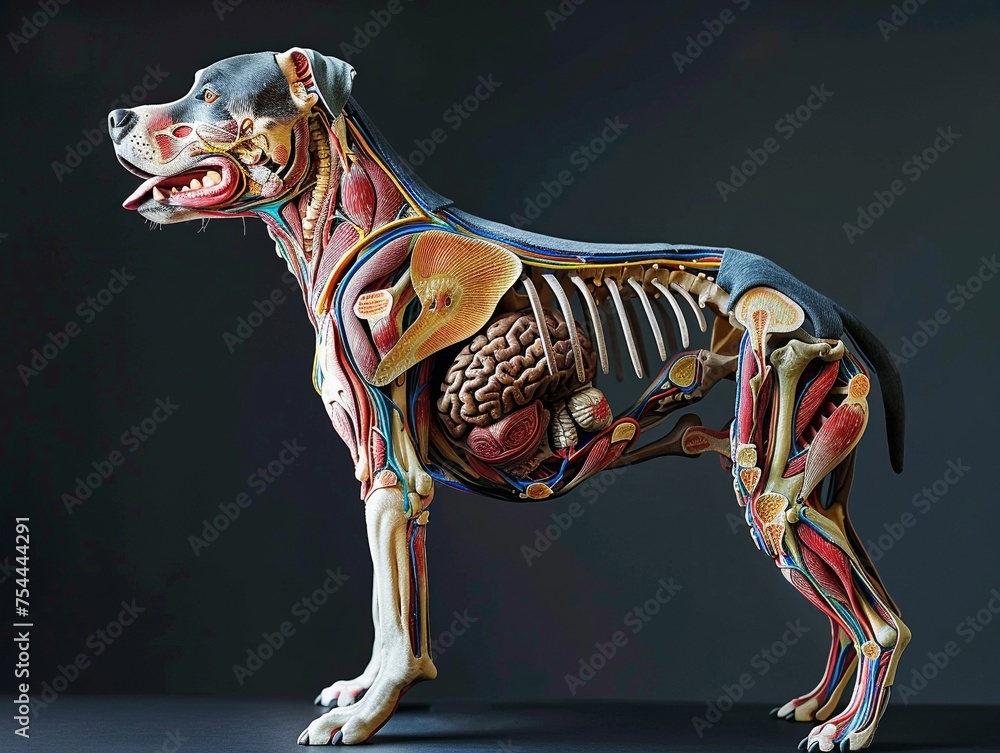
Understanding the physical structure of a female pitbull requires a balanced look at genetics, muscle distribution, and structural health.
According to the American Kennel Club (AKC), understanding a canine’s physical conformation helps owners monitor overall fitness, spot potential structural issues early, and provide appropriate daily care. Evaluating a canine physique involves looking past mere appearance to examine skeletal alignment, muscular development, and weight distribution. Within the broader context of canine anatomy, female American Pit Bull Terriers present unique physical traits that distinguish them from their male counterparts. Observers often notice a slightly lighter bone structure and a somewhat narrower skull in females, yet retaining the iconic athletic build inherent to terrier-type breeds. Proper physical assessment plays a vital role in maintaining long-term wellness, ensuring that exercise regimens match the structural capacities of the animal.
💡 Pet Care Key Takeaways:
- Core Focus: Practical health, nutrition, and wellness guidelines for Female Pitbull Body Analsis.
- Target Scope: Pet owners, animal caregivers, and veterinary support staff.
- Best Recommendation: Maintain consistent daily routines and consult an accredited veterinarian before introducing major diet or medical changes.
Female pitbull body analysis involves examining skeletal proportions, muscle tone, and body condition scoring to assess overall physical health.
Comprehensive physical evaluations rely on objective standards, notably the body condition score (BCS), which assesses fat coverage over the ribs, spine, and waistline. A standard female pitbull body analysis typically highlights a well-defined waist when viewed from above and a noticeable abdominal tuck from the side. Muscle mass should be evenly distributed across the shoulders, chest, and hindquarters, reflecting the breed’s historical background as an agile, working companion. Examining the limbs reveals important details about angulation, joint stability, and gait efficiency. Regular structural checks allow attentive guardians to catch subtle shifts in weight or muscle symmetry before they develop into chronic physical concerns.
Evaluating canine conformation directly influences daily exercise planning, nutritional requirements, and preventative health measures.
Physical structure dictates how a dog moves, absorbs impact, and expends energy during physical activity. When a female pitbull possesses balanced hindquarter angulation and a level topline, her joints endure less undue stress during high-impact activities like running or jumping. Conversely, structural imbalances can predispose certain individuals to joint wear or soft tissue strains over time. Therefore, maintaining optimal lean body mass through proper diet and measured exercise protects skeletal integrity. Incorporating appropriate conditioning routines supports joint health and enhances overall mobility throughout every life stage, reinforcing the principles taught in proper Dog Care.
Proper body condition scoring and regular physical assessments help maintain optimal canine longevity and mobility — American Kennel Club
Implementing targeted observation techniques helps caregivers monitor weight fluctuations, muscle symmetry, and overall physical development.
Hands-on tactile evaluation remains one of the most reliable methods for tracking changes in canine weight and muscle tone. Running hands gently along the ribcage should reveal easily palpable ribs covered by a thin layer of fat without excessive padding. Daily observation during walks provides valuable insight into gait symmetry, revealing whether the animal favors a specific limb or displays any stiffness in the hips. Furthermore, keeping a consistent record of weight trends helps catch metabolic shifts early. Tailoring nutrition to support active muscle maintenance without promoting excess fat accumulation ensures the skeletal system remains free from unnecessary load stress, aligning with guidance found in Dog Health.
Recognizing common structural pitfalls ensures that physical conditioning remains safe, balanced, and productive for the animal.
A frequent oversight during physical conditioning involves pushing growing or mature dogs into high-impact jumping before their joints have achieved full stability. Over-supplementation to artificially bulk up muscle mass often places dangerous pressure on developing growth plates, particularly in younger animals. Furthermore, misinterpreting natural breed-specific muscularity for overweight status can lead to unnecessary, drastic caloric restriction. Maintaining a balanced perspective on canine morphology prevents these common errors. Practitioners emphasize functional athleticism over exaggerated physical features, ensuring the animal stays agile, comfortable, and structurally sound throughout daily life.
Monitoring body condition scores regularly is vital for preventing canine obesity and associated secondary health complications — Association for Pet Obesity Prevention
Pet Care & Wellness Overview Table
| Life Stage | Daily Activity Level | Key Nutrition / Care Focus |
|---|---|---|
| Puppy / Kitten | High (frequent short bursts) | High-protein growth diet & early socialization |
| Adult Companion | Moderate (30–60 mins daily) | Balanced maintenance nutrition & dental hygiene |
| Senior Pets | Low to Gentle (mindful walks) | Joint support (Glucosamine) & routine vet checks |
Images References
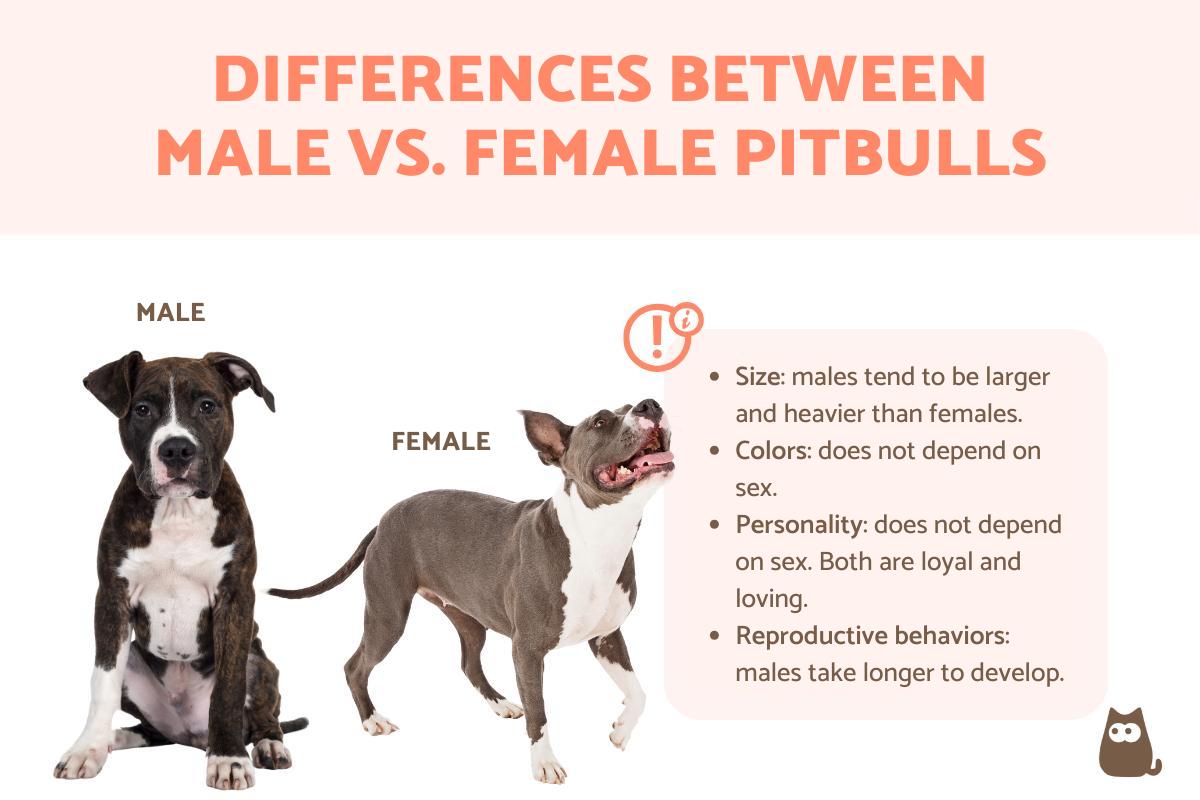
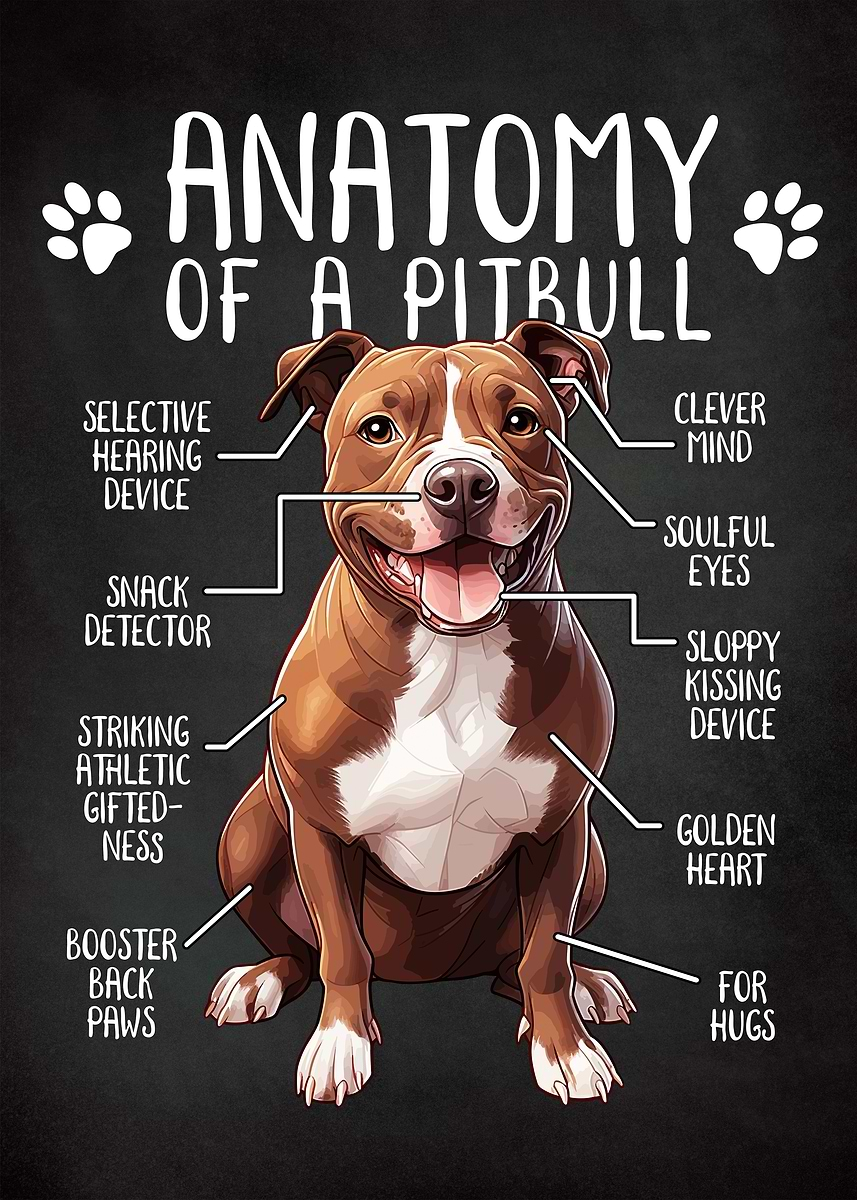

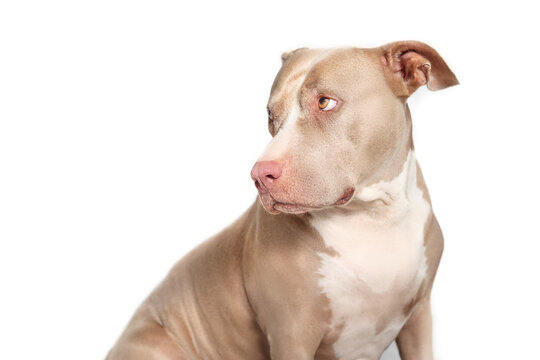


Genetics provide the foundational blueprint for any canine physique, yet environmental factors and life stages modify that blueprint profoundly. Growing puppies undergo rapid skeletal shifts that require careful nutritional management to prevent developmental orthopedic disorders. Adult females exhibit distinct muscular development influenced by maturity levels and spay/neuter status, which can subtly alter metabolism and fat distribution. Understanding these natural biological shifts prevents undue alarm when a maturing dog fills out across the chest and shoulders. Appreciating the specific traits inherent to terrier types is essential for anyone exploring different Dog Breeds and their unique physical requirements.
Knowing when to consult a qualified veterinarian or animal rehabilitation specialist ensures that structural concerns receive expert diagnostic attention.
Professional guidance becomes necessary whenever physical assessments reveal sudden asymmetry, persistent lameness, or unexplained weight loss. A licensed veterinarian can perform thorough orthopedic examinations, diagnostic imaging, and blood panels to rule out underlying systemic or joint conditions. For dogs showing signs of stiffness or reluctance to engage in normal activities, certified canine physical rehabilitation practitioners offer targeted therapeutic exercises. Never attempt to diagnose complex structural or mobility issues independently. Partnering with qualified veterinary professionals guarantees that any intervention plan remains safe, accurate, and tailored to the specific anatomical needs of the individual animal.
Maintaining a balanced understanding of canine anatomy supports a lifetime of health, comfort, and vitality for cherished household companions.
Diligent physical monitoring transforms everyday pet ownership into an active partnership focused on lifelong wellness and preventive care. By staying attuned to subtle changes in weight, gait, and muscle tone, caregivers can address minor issues proactively before they escalate. Exploring educational resources available through PetsAnimalsWorld.com empowers guardians to make informed choices regarding nutrition, exercise, and overall upkeep. Whether diving deeper into specialized topics like Dog Nutrition or monitoring daily comfort, informed dedication ensures every canine companion enjoys a healthy, active, and fulfilling life.




